Discover creatine powders to build strength, muscle mass and improve performance. Compare prices, benefits and major buying factors in one place.
Creatine Powders: Strength, Performance & Muscle Support
A white powder sitting in many gym bags has more science behind it than almost any other supplement. When someone pushes through heavy lifts, prepares for competition, or just tries to get stronger each session, talk usually turns to this substance early on.
It’s simple, usually without flavor, and blends right into drinks. This page shows different creatine powders, and explains how they function plus things worth thinking about before picking one.
What Is Creatine?
Inside your muscles, creatine shows up as a natural substance. Made from amino acids, the body builds it on its own. Red meat or fish adds just a bit more through diet.
In supplement form, creatine is typically sold as a fine powder that mixes easily into liquids. When it comes to lifting heavier, building mass, yet pushing through tough workouts, people turn to this one regularly.
Highly Recommended

Affordable Creatine Powder
Supports strength, endurance, muscle recovery, and lean muscle growth*
You can BUY it directly from the Official Website
Creatine Powders Reviews
SEE MORE
How Creatine Works in the Body
When you do quick, intense moves like lifting weights, your muscles need fast fuel. That power mainly comes from a molecule called ATP. As soon as you start sprinting or pushing heavy loads, those reserves drop. Taking extra creatine builds up a substance named phosphocreatine inside muscle cells. This reserve acts like a refill station for spent ATP, speeding recovery between efforts. Because of that boost, energy supply keeps pace with demand during tough sets.
One reason people keep using it? They tend to push harder when doing multiple rounds of tough workouts. When paired with lifting over weeks, gains in power often follow, alongside stronger efforts and fuller muscles, all tied to handling more work with less fatigue.
Why People Use Creatine Powders
💪 Strength Support
Creatine is commonly used to support increased strength during resistance training and high-intensity workouts.
🏋️ Muscle Growth
Improved training capacity may contribute to muscle size gains when paired with proper nutrition and consistent workouts.
⚡ Workout Performance
Supports repeated bursts of power during activities like sprinting, lifting, and functional training.
🔄 Faster Recovery Between Sets
Helps replenish energy stores more efficiently during short rest periods in intense sessions.
📈 Training Consistency
By supporting energy production, creatine may help maintain performance across longer training cycles.
Types of Creatine Powders
🧪 Creatine Monohydrate
The most commonly studied and widely used form. Known for simplicity, effectiveness, and strong research backing.
⚖ Micronized Creatine
Processed into smaller particles for improved mixability and smoother texture in liquids.
🔬 Creatine Hydrochloride (HCL)
Formulated for enhanced solubility and may require smaller serving sizes compared to monohydrate.
🔁 Buffered Creatine
Designed to reduce breakdown in the stomach, though research results vary compared to monohydrate.
🥤 Creatine Blends
Combined with additional performance ingredients like electrolytes or amino acids for broader workout support.
What to Consider Before Choosing
📦 Ingredient Transparency
Look for clear labeling showing creatine type, serving size, and absence of unnecessary fillers or proprietary blends.
🧪 Third-Party Testing
Independent testing helps confirm purity, potency, and absence of banned substances or contaminants.
💧 Mixability
Fine, micronized powders generally dissolve better in water or shakes, improving daily convenience.
⚖ Serving Size
Check grams per scoop to ensure you’re getting an effective amount, commonly around 3–5 grams daily.
🏭 Manufacturing Standards
Choose products produced in GMP-certified facilities that follow strict quality control practices.
🧂 Additives & Flavoring
Unflavored options offer flexibility, while flavored versions may contain sweeteners or additional ingredients.
How to Use Creatine Powder
Creatine powder is usually consumed once a day, combined with water, juice, or protein shake. Approximately, a typical maintenance serving is 3-5 grams per day. Some do a loading phase, which consists of taking more amounts in the initial stages, but this is optional.
Consistency matters more than timing, but many choose to do it during their exercise break. When taking creatine, it is important to keep hydrated. Always follow label directions and consult a healthcare professional if you have underlying medical conditions.
Who May Benefit from Creatine?
- Weightlifters and bodybuilders
- Athletes involved in short, explosive sports
- Individuals training for strength or muscle growth
- Recreational gym-goers seeking performance support
- Adults looking to improve workout intensity
Creatine is generally intended for healthy adults engaged in regular physical activity.
Final Thoughts
Creatine powder remains a widely used supplement for supporting strength, muscle development, and high-intensity performance. Its simplicity and strong research background make it a common addition to many training programs.
Choosing a quality formula with transparent labeling and proper testing standards is important for long-term use.
On this category page, you’ll find a range of creatine powders to compare — including different forms, serving sizes, and formulations — so you can select the option that aligns with your training goals and routine.

 Medically Cited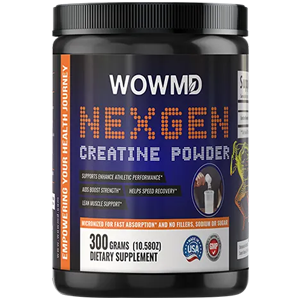


 Ultimate CRN-5
  CreaTone
  PhenQ Creatine
  Yourbiology Creatine
 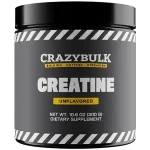 CrazyBulk Creatine
 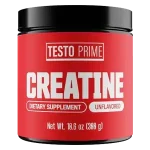 TestoPrime Creatine
  NativePath Native Creatine
 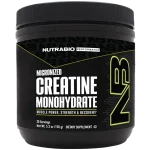 NutraBio Creatine Monohydrate
 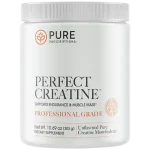 Pure Prescriptions Perfect Creatine
  The Curse Creatine
 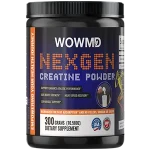 WOWMD NexGen Creatine Powder
 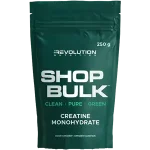 Revolution Nutrition Creatine Monohydrate
  Finaflex Creatine Monohydrate
 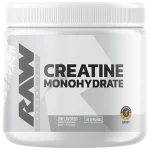 Raw Nutrition Creatine
  Optimum Nutrition Micronized Creatine Powder
 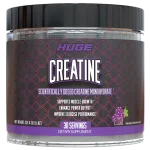 Creatine Monohydrate Powder
 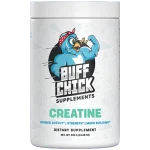 Buff Chick Creatine
  BSN Micronized Creatine Monohydrate Powder
  Ryse Creatine Monohydrate
 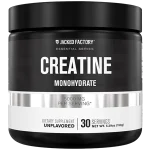 Jacked Factory’s Creatine Monohydrate
 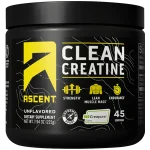 Ascent Clean Creatine
 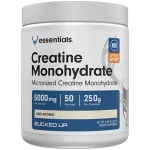 Bucked Up Creatine Monohydrate
 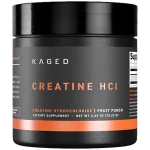 Kaged Creatine HCL
 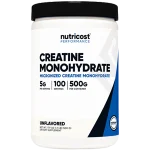 Nutricost Creatine Monohydrate
 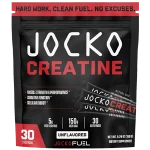 Jocko Creatine
  Thorne Creatine
 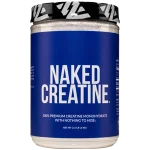 Naked Creatine
  Con-cret Creatine HCl Powder
 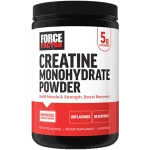 Force Factor Creatine Monohydrate
 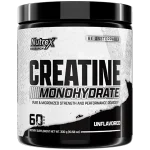 Nutrex Creatine
 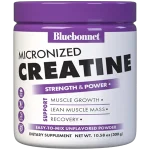 Bluebonnet Micronized Creatine