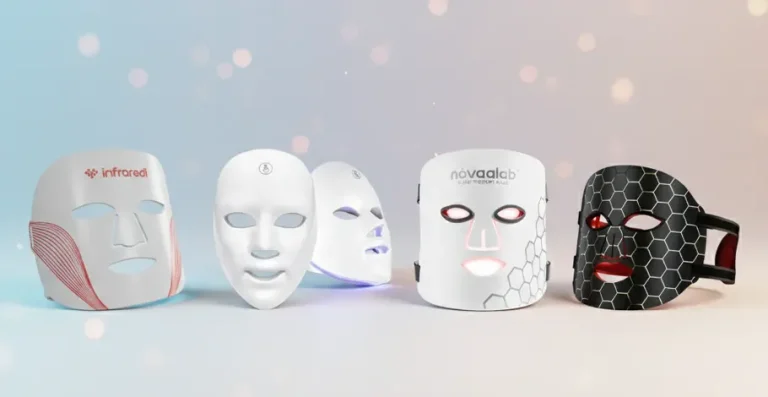
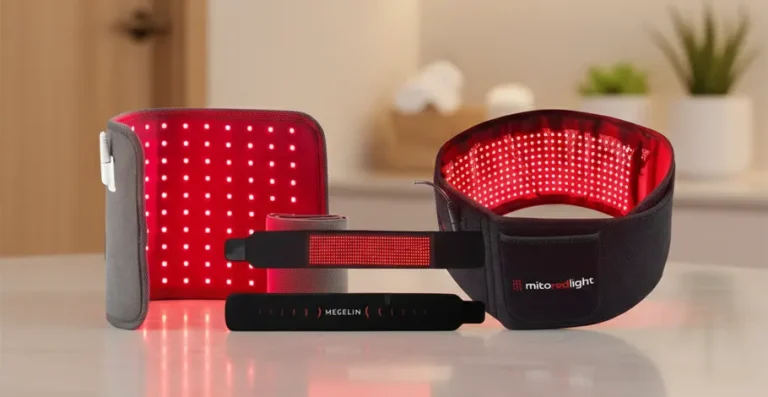
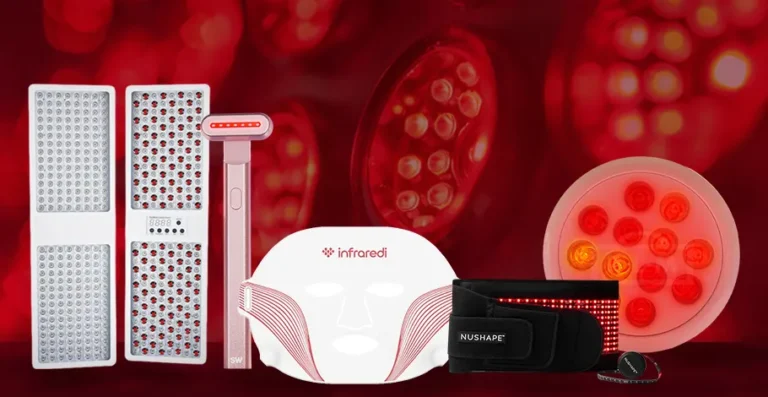
The Science Behind Red Light Therapy Devices

by MaryBeth Parisi, MD Reviewed by CHD Team
Updated: Apr-12-2026
Expert review of red light therapy devices to help you choose the right one.

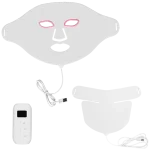
You’ve probably seen red light therapy devices popping up everywhere—from your luxury spas to local gyms, it seems like everyone has one. Mainly, they are a popular topic in skincare, wellness, and even physical therapy as they are believed to facilitate the healing and energizing of body cells.

These gadgets emit a combination of red and near infrared wavelength of light that triggers the body’s natural healing mechanisms. And don’t worry, unlike the sun’s UV rays, this type of light is gentle on your skin, so you can use it regularly without any harm.

This article educates readers thoroughly about red light therapy devices, their mechanism of action, areas of application, and the factors to be taken into account when using them as part of a wellness plan.

What Are Red Light Therapy Devices?

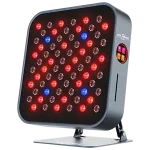
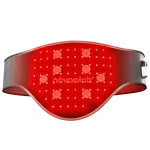
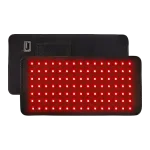
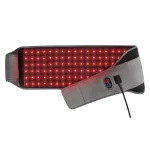
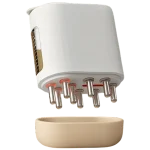
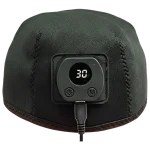
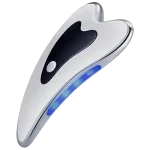
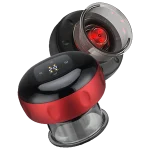
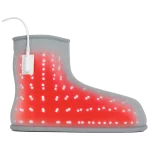
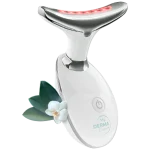
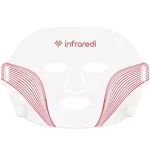
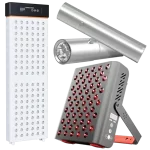
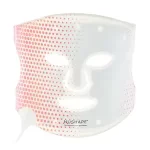
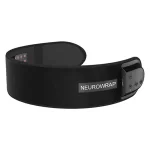
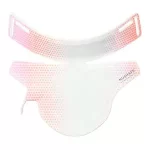
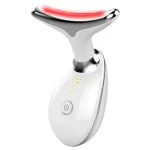
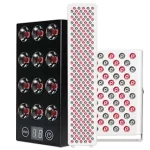
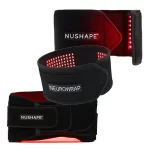
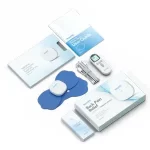
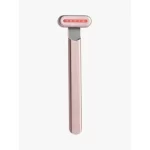
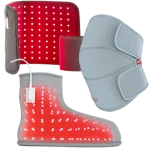
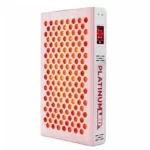
Red light therapy devices are tools designed to emit low-level red and near-infrared light at specific wavelengths, typically ranging from 630–660 nm (red light) and 810–880 nm (near-infrared light).

Contrary to ultraviolet (UV) light, red and near-infrared light does not harm the skin. They instead enter the skin and tissues beneath the skin to activate the cellular-level biological processes.

These devices are used in a variety of settings, including:

  • Medical and physical therapy clinics
  • Dermatology and aesthetic practices
  • Fitness and rehabilitation environments
  • Home wellness routines

How Red Light Therapy Works

The mechanism behind red light therapy is known as photobiomodulation. Chromophores in the cell, mainly in the mitochondria, take up the light photons when they hit the skin. This can lead to an increase in the synthesis of adenosine triphosphate (ATP), which is crucial for cellular energy and repair.

Besides facilitating energy generation, red and near-infrared light might also be able to aid circulation by causing blood vessels to relax. Better blood circulation allows more oxygen and nutrients to be delivered to the cells, which is beneficial for them to recover and keep functioning properly.

Highly Recommended

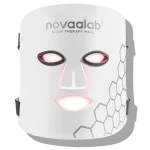
Our Recommended Product Novaa Lab

Affordable Red Light Therapy

Novaa Lab® offers portable therapy devices that are easy to use and perfect for at-home therapy. Their focus is on providing effective, non-invasive solutions to help you heal faster and improve your muscle recovery.

You can BUY it directly from the Official Website

Explore by Category

Common Uses of Red Light Therapy Devices

The red light therapy equipment is often selected to treat various wellness and therapeutic conditions.

Skin Health and Appearance

Red light therapy increases the production of collagen and elastin, leading to better skin texture and tone. It is an additive that is commonly used in anti-aging regimes, and it has been shown to make the skin look younger and to lessen the number of fine lines on the face.

Muscle Recovery and Physical Performance

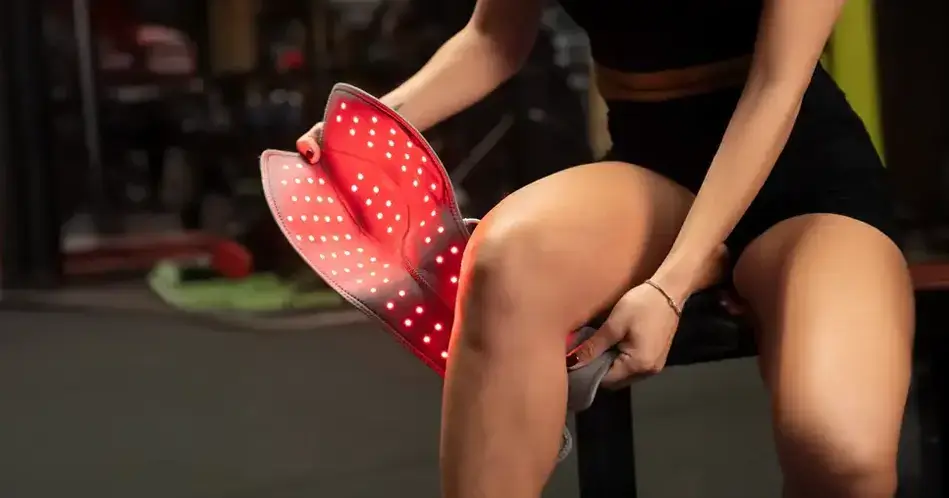
Red light therapy is used by athletes to relieve muscle soreness and stiffness when engaging in strenuous activity. It supports the post-exercise recovery and enables physically active people to sustain the peak of their performance and regain their training pace.

Joint and Body Comfort

This treatment is incorporated into wellness programs to address the stiffness of joints and general body pain. It is also used successfully in cases of physical strain due to aging or intense activity, so that the mobility and comfort in daily life are enhanced.

Wound and Tissue Support

The clinical research indicates that red light therapy helps in repairing and healing tissues. It can be a reliable source of support in the natural processes of recovery of the body when applied correctly, and provides a more effective and efficient cell regeneration.

red-light-ls1

Types of Red Light Therapy Devices (By Function)

Red light therapy devices are typically categorized based on their specific uses:

1

Targeted Therapy Devices:

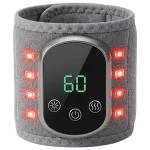
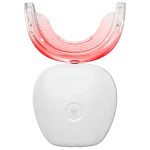
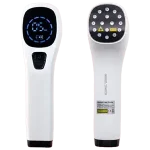
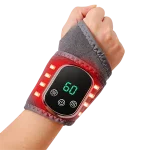
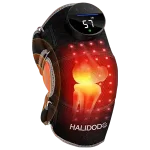
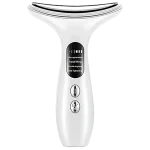
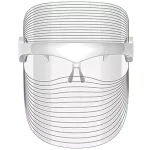
These devices are based on specific areas, such as joints or facial skin, where specific areas receive targeted treatment to achieve better outcomes in a shorter time through a more focused session.

2

Full-Body or Large-Area Devices:

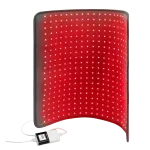
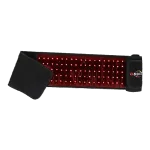
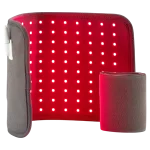
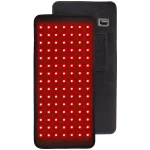
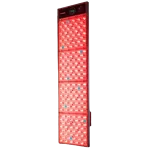
Built for treating a larger portion of the body, these devices are ideal for wellness centers or personal routines, promoting comprehensive light therapy benefits.

3

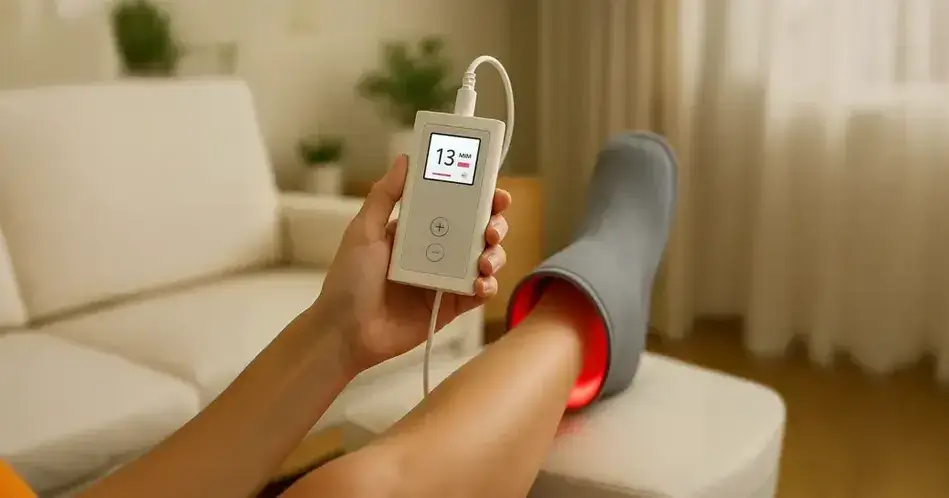
Portable and Home-Use Devices:

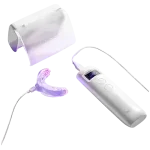
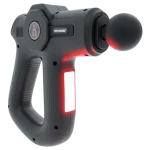
These are small and user-friendly and can be used at home, as they can be easily incorporated into daily or weekly wellness sessions to provide convenient therapy.

Key Wavelengths Used in Red Light Therapy

Understanding wavelengths is essential to understanding how red light therapy works.

Red Light (630–660 nm)

  • Primarily affects the skin and surface tissues
  • Commonly associated with skin health and appearance

Near-Infrared Light (810–880 nm)

  • Penetrates deeper into muscles and joints
  • Often associated with recovery and deeper tissue support

Many red light therapy devices use one or both wavelength ranges, depending on their intended purpose.

Potential Benefits of Red Light Therapy

Research suggests several potential benefits when red light therapy is used correctly and consistently.

  • Supports cellular energy production
  • May promote a healthier skin structure
  • Can aid muscle recovery after physical activity
  • May help reduce inflammation and stiffness
  • Supports circulation and tissue oxygenation

It is important to note that results can vary depending on individual factors, usage consistency, and overall health.

red-light-ls2

Safety and Considerations

Generally, red light therapy is said to be non-invasive and low-risk; however, it is necessary to use it correctly. The chance of suffering skin damage is minimal because it does not require UV radiation or excessive heat. However, overuse or improper exposure may reduce effectiveness.

Individuals with light sensitivity, those taking photosensitizing medications, or people with underlying medical conditions should consult a healthcare professional before beginning red light therapy.

Best Practices for Effective Use

Although protocols may vary, general best practices include:

  • Consistent use over time rather than sporadic sessions
  • Targeting appropriate body areas based on goals
  • Allowing recovery time between sessions
  • Combining therapy with healthy lifestyle habits

Results often develop gradually rather than immediately.

The Bottom Line

Red light therapy devices represent a growing area of interest in health and wellness due to their ability to support cellular function, skin health, and recovery processes. By using specific wavelengths of light, these devices aim to enhance natural biological processes in a non-invasive manner.

While red light therapy may offer meaningful benefits for many individuals, it works best as part of a broader wellness or healthcare approach rather than a standalone solution. Proper use, consistency, and informed expectations are key to achieving the best outcomes.


You May Also Like

5 Best LED Face Masks 2026: Top Dermatologist Picks

5 Best LED Face Masks 2026: Top Dermatologist Picks

3 Best Red Light Therapy Pads 2026, Tested By Experts

3 Best Red Light Therapy Pads 2026, Tested By Experts

The 16 Best Red-Light Therapy Devices Of 2026, Reviewed By Beauty Experts

The 16 Best Red-Light Therapy Devices Of 2026, Reviewed By Beauty Experts

References

[1] Red (660 nm) or near-infrared (810 nm) photobiomodulation stimulates, while blue (415 nm), green (540 nm) light inhibits proliferation in human adipose-derived stem cells - PMC
https://pmc.ncbi.nlm.nih.gov/articles/PMC5552860/
[2] Mechanisms and applications of the anti-inflammatory effects of photobiomodulation - PMC
https://pmc.ncbi.nlm.nih.gov/articles/PMC5523874/
[3] Red Light Therapy: Benefits, Side Effects & Uses
https://my.clevelandclinic.org/health/articles/22114-red-light-therapy
[4] Red light therapy: What the science says
https://med.stanford.edu/news/insights/2025/02/red-light-therapy-skin-hair-medical-clinics.html

**This is a subjective assessment based on the strength of the available information and our estimation of efficacy.

*Result may vary. If you have a serious medical condition, or have a history of heart conditions we suggest consulting with a physician before using any supplement. The information contained in this website is provided for general informational purpose only. It is not intended to diagnose, treat, cure or prevent any disease and should not be relied upon as a medical advice. Always consult your doctor before using any supplements.

*Disclosure of Material connection: Some of the links in the post above are "associate sales links." This means if you can click on the link and purchase an item, we will receive a commission. Regardless, we only recommend products or services which we use personally and/or believe will add value to our readers. We are disclosing this in accordance with the Federal Trade Commission's 16 CFR, Part 255: "Guides Concerning the Use of Endorsements and Testimonials."

email img
  1. About Us
  2. Editorial Policy
  3. DMCA Policy

Note: Results may vary about any product effectiveness. The information contained in this website is provided for general informational purposes only. No medical claims are implied in this content, and the information herein is not intended be used for self-diagnosis or self-treatment of any condition.

3 E Evergreen Road, Suite 101, New City, NY 10956, United States
staff@consumerhealthdigest.com
USA/Canada Toll Free: 1 (866) 884-2527

Disclaimer: The information provided on this site is intended for your general knowledge only and is not a substitute for professional medical advice or treatment for specific medical conditions. You should not use this information to diagnose or treat a health problem or disease without consulting with a qualified healthcare provider. Please consult your healthcare provider with any questions or concerns you may have regarding your condition. Your use of this website indicates your agreement to this websites published terms of use and all site policies. Please see our Medical Disclaimer for more information.

Any use of this site constitutes your agreement to the Terms of Use and Privacy Policy mentioned here.

Do Not Sell My Personal Information

Helping the Cause

Make a Donation

Follow Us

google-preferred-source

Ensure you see our latest reviews in Google Top Stories — add Consumer Health Digest as a Preferred Source with one click.

X

Advertising Disclosure

The content that appears on this page is presented as an overview vs. comparative marketing. The provided information includes product information, overviews, buying guides, and product specifications. All trademarks, registered trademarks and service-marks mentioned on this site are the property of their respective owners. If something is factually inaccurate please contact us and let us know. By contributing your product facts helps to better serve our readers and the accuracy of the content.

The table below does not include all companies or all available products in the market but those that we promote as their affiliates. In full compliance with the FTC guidelines, please assume that any and all links on the table are affiliate links, and we may receive compensation if you click one of these and make a purchase. We are independently owned and the opinions expressed here are our own. All editorial content is written without prejudice or bias, regardless of sponsor or affiliate associations. Read more about our process.
X