Medically Cited
Stress refers to the body’s condition when it’s on high alert. It’s the body’s natural way of dealing with real or perceived danger. That means that occasional periods of stress are normal and even healthy. However, periods of prolonged or extreme stress can harm the body and may have unique consequences for women’s health.
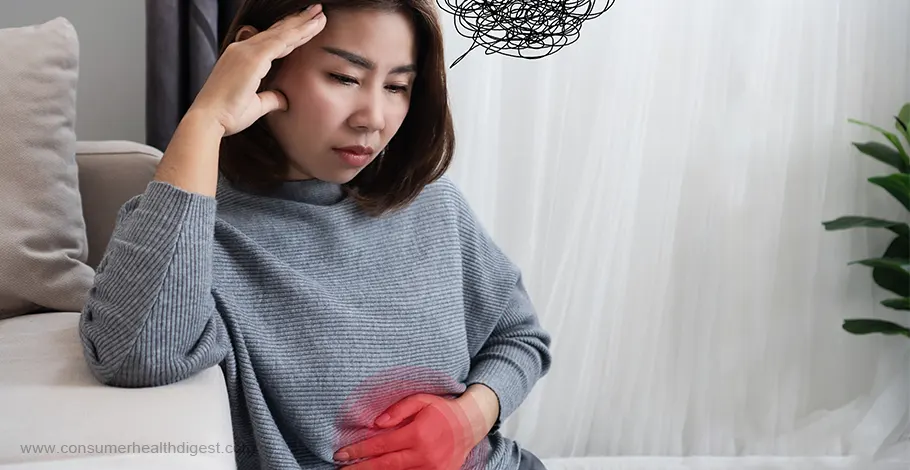
The World Health Organization (WHO) categorizes stress as a health epidemic. Once you understand how chronic stress impacts the body, it’s easy to see why it’s earned this classification.
Stress can be particularly harmful to a woman’s urinary tract health. From urinary tract complications to immune system suppression, here are some hidden impacts stress has on various female body systems.
Urinary Tract Infections
It’s more common for women to experience chronic urinary tract infections (UTIs) than men. The female urethra is short, making it easier for bacteria to travel into the urinary tract.
Additionally, a female’s urethra is relatively close to her rectum, where UTI-triggering bacteria reside. Chronic stress can weaken your body’s natural defense system, leaving you more vulnerable to UTIs and other infections.
If you experience recurring UTIs, it’s crucial to get your stress levels under control. That’s where the right supplements can make a huge difference. You can help boost your body’s natural ability to fight off infection by taking a preventative UTI supplement.
Look for one with no fewer than 36 mg of soluble proanthocyanidins (PAC) per serving. PACs are found within cranberry juice extract and may prevent harmful bacteria from adhering to the urinary tract walls.
Digestive Distress
Do you get abdominal cramping, nausea, or diarrhea when you’re worried about something? If so, you’re likely experiencing the unfortunate effects of stress on the digestive system. Stress can increase stomach acid, leading to indigestion and nausea. It can also trigger irritable bowel syndrome (IBS) and other gastrointestinal issues.
If you’ve been wondering why your gut is so sensitive lately, excess tension could be to blame. Over-the-counter antacids, ginger tea, and other home remedies may quickly reduce anxiety-related stomach complaints. However, decreasing your stress levels is crucial for long-term gut relief.
Immune System Dysregulation
Persistent worrying can have a powerful impact on your immune function. People with chronic stress often succumb to illnesses and diseases more frequently than those with healthy stress levels.
A review examining the impact of stress on immune function shows that stress can dysregulate the immune system. In doing so, it affects the distribution of immune cells and hampers the body’s ability to fight off infections.
During and after prolonged periods of stress, it’s important to support your immune system. You can do this by taking a daily multivitamin, getting sufficient sleep, eating healthfully, and exercising regularly. You should also explore ways to reduce tension in your life through meditation, deep breathing, and therapy.
Tips for Reducing Stress in Your Life
Now that you know how harmful chronic stress can be to your overall health as a woman, it’s time to learn how to decrease it. It’s not possible to get rid of all stress, but you can certainly take steps to minimize its impact on your mind and body. Here are a few stress-reduction tips to implement today.

Ways to Reduce Stress
Learn to Say No
Saying no is notoriously difficult for some people. If you care deeply about others and want to please them, you probably say “yes” more often than you should. The key to balancing stress is learning how and when to say no.
If you’re already feeling overwhelmed by your current responsibilities, you may not be able to dog-sit for your neighbor or volunteer to run the baked goods table at your child’s next school event. Perhaps you’ll be able to do those things sometime in the future, but they should never come at the expense of your own well-being.
Carve Out Time for Physical Activity
Exercise is a great outlet for excessive worry and tension. It can lower cortisol and adrenaline, which are two stress hormones that can wreak havoc on your health over the long term.
Besides decreasing stress hormones, physical activity also stimulates endorphins in your body. These are feel-good hormones that can help you meet the challenges of life with greater positivity and resilience.
Many people put exercise on the back burner when they’re feeling overwhelmed. However, it’s even more important to squeeze a workout in when you’re feeling distressed. After you work up a sweat, you’re more likely to feel relaxed, confident, and ready to face your challenges head-on.
Indulge in Self-Care
Making time for your own needs is a great way to bring your stress levels down. When you’re feeling overwhelmed by the pressures of life, set aside time for hobbies, personal hygiene, and relaxation.
Self-care doesn’t have to be time-consuming. A 10-minute bath, 15-minute nap, or half-hour massage session might be all you need to boost your mood. Or you might consider scheduling lunch with a friend to nurture your relationship while simultaneously improving your mental health.
Talk to a Therapist
Sometimes, stress can become so pervasive that it seems to be part of your identity. When stress-reduction methods don’t seem to work, it may be time to seek professional help. A good therapist can help you reduce tension and worry in your life through talk therapy or other proven methods.
Your therapist may show you how to effectively utilize relaxation and mindfulness techniques to manage anxiety. They may also teach you coping strategies so you can feel calmer and more in control, no matter what’s going on around you. In some situations, therapists may recommend medications to manage extreme anxiety and restore quality of life.
Don’t let stress hamper your ability to recognize your full potential as a woman. If you’re experiencing digestive distress, frequent UTIs, or other symptoms related to excess anxiety and worries, it’s time for a change. Use these tips to reduce stress in your life and reclaim your physical and mental health.
Was this article helpful?
1 Sources
We review published medical research in respected scientific journals to arrive at our conclusions about a product or health topic. This ensures the highest standard of scientific accuracy.









 This article changed my life!
 This article was informative.
 I have a medical question.
 This article contains incorrect information.
 This article doesn’t have the information I’m looking for.