Medically Cited
AHAs (alpha hydroxy acids) can help minimize dark circles that are primarily due to surface pigmentation and hyperpigmentation. They peel away dead skin, stimulate skin renewal and, over time, may help to enhance skin color and texture. However, AHAs will not likely improve dark circles where visible blood vessels, puffiness, deep tear troughs or natural facial contours are involved. The under-eye area is very sensitive to the effect of an AHA, so it should be introduced gradually and applied with the appropriate moisturizer and daily sun cream.

Introduction
One of the most frequent issues that people have under their eyes is dark circles. Even after a good night’s sleep, they can give the face a tired appearance, although fatigue is just one thing that can cause them. It may be caused by genetic factors, exposure to the sun, allergies, skin thinning, pigmentation, blood vessels, and even structural changes in the face.
This is why certain products are not effective for everyone. Alpha hydroxy acids can be effective if the discoloration is caused by an excess of pigment, dull surface cells or uneven texture. They are not likely to make a noticeable difference if a shadow or a prominent blood vessel is causing it.
Knowing what kind of dark circles you have will help you determine whether or not an AHA product would be beneficial in your skin care routine.
What Are Dark Circles?
Dark circles are patches of dark discoloration or dark shadows around the eyes. This concern is sometimes referred to by dermatologists as “hyperpigmentation around the eyes,” but not all dark circles are the result of hyperpigmentation.
There is thin skin underneath the eye that can accentuate underlying blood vessels and facial contours. Mainly there are three categories for dark circles:
Pigmentation-related dark circles appear brown or grayish-brown. These can be linked to allergies, repeated rubbing of the eyes, irritation or sun exposure, or genetics.
Vascular dark circles typically are blue, purple, pink or reddish. These are caused by blood vessels showing through thin under-eye skin or by the area becoming darker due to circulation and swelling.
Structural dark circles are shadows that are formed by tear troughs, loss of facial volume, under-eye bags, skin laxity, or the natural shape of the eye socket.
Most cases are mixed-type in which two or more causes are present. A clinical review of periorbital hyperpigmentation describes pigmented, vascular, structural, and mixed patterns, highlighting why treatment needs to match the underlying cause.
What Causes Dark Circles?
Dark circles are typically caused by more than one issue.
Aging: Over the years, skin thins and loses collagen. Fats and other tissues surrounding the eyes can also change shape, which can make blood vessels, hollows and shadows more prominent.
Genetics: There are people just born with deeper tear troughs, thinner skin under the eyes or more pigmented around the eyes. Dark circles may therefore run in families.
Ultraviolet (UV) exposure: Exposure to UV light can increase the amount of melanin, increasing the darkness of pigmentation around the eyes. Collagen depletion can also cause the skin to become thinner with age as the skin is affected by sunlight.
Lack of sleep: Poor sleep does not always cause dark circles directly, but it can make the skin look pale or dull. This can cause the blood vessels to be more visible and shadows to be more prominent.

Lack of sleep
Allergies: Nasal congestion can cause a darker vascular appearance. Itching and rubbing the eye repeatedly may also cause eye irritation and post-inflammatory pigmentation due to allergies.
Dehydration: Dehydrated skin may appear duller and make under-eye hollows look more pronounced, although drinking more water will not correct dark circles caused by genetics or facial structure.
Lifestyle factors: Smoking, drinking alcohol regularly, chronic stress, nutrition and poor sun care can impact the overall tone and quality of the skin.
The major contributors to under-eye darkness, according to research reviews, are heredity, excessive pigmentation, dermatitis, swelling, visible blood vessels, skin laxity, and tear troughs.
What Are Alpha Hydroxy Acids?
Alpha hydroxy acids are water-soluble acids, often applied in exfoliating and anti-aging skincare products. Most AHAs are extracted from fruit or milk, or from sugar cane, but some cosmetic products may have laboratory-made versions.
Common AHAs include:
Glycolic acid: The molecular size of glycolic acid is small, and it can penetrate the skin well. It is often used for uneven tone, rough skin, fine lines, and sun damage.
Lactic acid: It helps to retain moisture in the skin alongside acting as an exfoliant. It’s also known to be less harsh than more potent glycolic acid products.
Mandelic acid: With a larger molecular structure, penetration generally is slower. This can be more appropriate for those who feel other exfoliating acids are irritating to them.
AHAs primarily act by the process of peeling away the bonds found between the older surface cells which can then be easily shed. With regular use you can notice that the skin appears smoother and shinier. In addition, research has been conducted to investigate the effects of glycolic acid on collagen-related changes, which seem to be dependent on the formulation, concentration, and length of use.
How Do AHAs Help With Dark Circles?
AHAs are most likely to help dark circles caused by pigmentation or a buildup of dull surface cells. Their benefits may come from several actions.
Exfoliation
AHAs exfoliate the top layers of skin. This not only adds depth and dimension, but also helps the skin under the eyes to catch light more evenly, making the darkness of the under-eye area less prominent.
Faster Skin Renewal
AHA can gradually decrease unevenly pigmented skin cells by promoting pigment shedding from the older cells. This process is slow, so improvements generally require consistent use rather than a few applications.
Improved Texture
Dryness and rough texture can make the under-eye area look darker and more tired. Gentle exfoliation can help to even the skin’s surface and help cosmetics and concealer spread out evenly.
Collagen Support
There are a few indications that glycolic acid helps promote the production of collagen and enhances the appearance of skin that has been photoaged. This may help to make skin appear more even over time. But an over-the-counter eye medication will not be able to fill deep pockets, nor will it have the same effect as a professionally performed procedure.
AHAs will not directly shrink visible blood vessels or replace lost under-eye volume. They are also unlikely to correct prominent bags or structural shadows. Treatments for dark circles should be considered based on the cause of the dark circles: pigmentary, vascular, structural or mixed.
How to Use AHAs Safely Around the Eyes
The skin around the eyes is more sensitive and prone to react compared to the skin on most parts of the face. Facial peels that are strong should not be used automatically under the eyes, nor should concentrated acid be used.
Use an eye-specific product with a low concentration. Apply a small amount along the orbital bone rather than directly against the lash line or on the movable eyelid. Avoid direct contact with the eyes.
Start one or two times per week to check for a reaction of the skin. Using an AHA every night immediately may cause irritation without producing faster results. Follow it with a fragrance-free moisturizer to support the skin barrier.
Avoid combining several strong ingredients around the eyes on the same night. Some acids, such as retinoids, exfoliating agents and benzoyl peroxide, can cause more dryness and sensitivity when combined.
Daily broad-spectrum sunscreen is essential. According to the FDA, AHAs can make people more sensitive to the sun, and can also make them more susceptible to sunburn even after they have stopped using them. Sunglasses can help to offer extra shade to the eye region.
Other Ways to Reduce Dark Circles
AHAs are only one possible part of a dark-circle routine. Other approaches may be more useful depending on the cause.
Aim for consistent sleep and use an extra pillow if morning puffiness makes the area look darker. Stay adequately hydrated and limit habits that leave the skin looking dry or dull.
Wear sunscreen and UV-protective sunglasses to reduce sun-related pigmentation. Managing allergies may also help reduce congestion, itching, and repeated eye rubbing.
A gentle moisturizer can temporarily plump dry skin, while ingredients such as vitamin C, niacinamide, caffeine, or retinoids may be considered for particular types of discoloration. Eye-area tolerance varies, so these ingredients should also be introduced carefully.
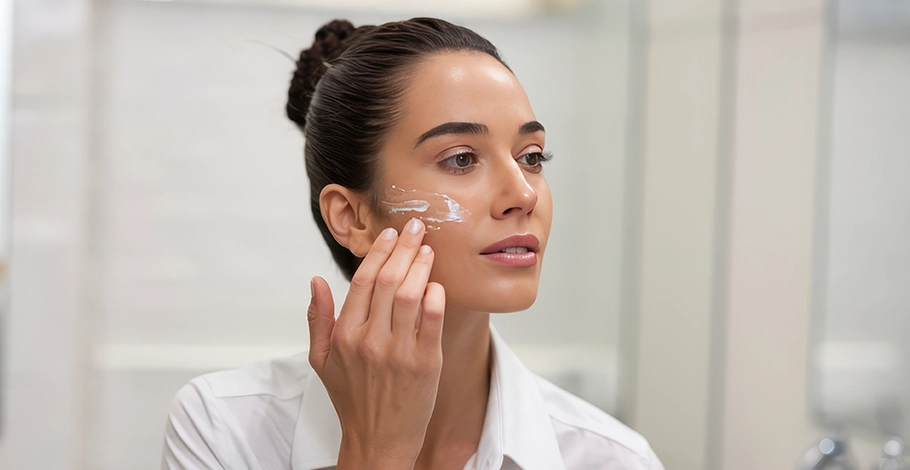
Gentle moisturizer
Persistent dark circles may require professional treatment. Dermatologists may use prescription creams, chemical peels, lasers, light-based treatments, fillers, microneedling, or surgery. The right option depends on whether pigment, vessels, skin quality, swelling, or facial structure is causing the darkness.
Possible Side Effects
AHAs can cause tingling, redness, dryness, peeling, itching, or a burning sensation. The risk is greater when the concentration is too strong, the product is used too often, or several exfoliating ingredients are combined.
Excessive irritation may worsen discoloration, particularly in deeper skin tones that are more prone to post-inflammatory hyperpigmentation. Stop using the product if you develop persistent burning, swelling, marked redness, or a rash.
People with eczema, active dermatitis, broken skin, or highly sensitive eyes should consult a dermatologist before applying acids around the eye area. Professional-strength chemical peels should only be performed by a qualified practitioner.
Conclusion
Alpha hydroxy acids may make pigmentation-related dark circles look brighter by exfoliating dull cells, supporting skin renewal, and improving surface texture. They may also offer gradual benefits for fine lines and sun-damaged skin.
However, AHAs cannot correct every type of dark circle. They are unlikely to remove shadows caused by deep tear troughs, reduce prominent blood vessels, or eliminate under-eye bags. Results depend on identifying the cause and using a suitable product consistently.
Start with a gentle eye-area formula, use it sparingly, moisturize well, and apply sunscreen every day. Consult a dermatologist when dark circles appear suddenly, remain persistent, occur with swelling or irritation, or do not improve with a carefully selected skincare routine.
Was this article helpful?
4 Sources
We review published medical research in respected scientific journals to arrive at our conclusions about a product or health topic. This ensures the highest standard of scientific accuracy.
[2] What Causes Dark Circles Under the Eyes?: https://pubmed.ncbi.nlm.nih.gov/17760701/
[3]Glycolic Acid Adjusted to pH 4 Stimulates Collagen Production and Epidermal Renewal Without Affecting Levels of Proinflammatory TNF-Alpha in Human Skin Explants : https://pmc.ncbi.nlm.nih.gov/articles/PMC7891644/
[4]Alpha Hydroxy Acids : https://www.fda.gov/cosmetics/cosmetic-ingredients/alpha-hydroxy-acids






 This article changed my life!
 This article was informative.
 I have a medical question.

 This article contains incorrect information.
 This article doesn’t have the information I’m looking for.