Medically Cited
What is Hyperpigmentation?
Hyperpigmentation refers to a skin condition where there is an overproduction of melanin, the pigment responsible for skin colour, causing a darkened area. Although it is medically harmless, it is unwelcome to those who suffer from it on cosmetic grounds.
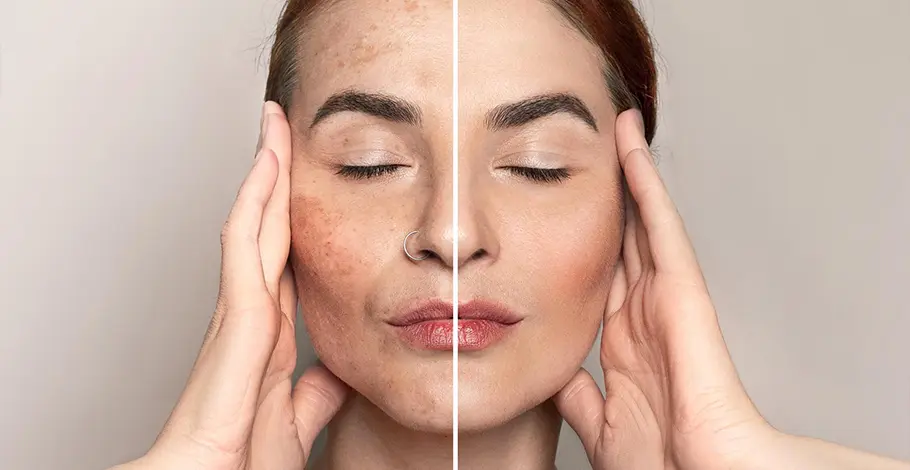
It either occurs when there is an abnormally high concentration of melanocytes for melanin production or when melanocytes are hyperactive. This is generally due to overproduction of melanin, the substance that gives the skin its coloration.
Hyperpigmentation may occur in anyone, but may be more apparent in medium to dark skin types. It can happen over time or all of a sudden, after a previous burn or skin damage. It is not usually a serious medical problem, but understanding its causes can help to treat it and prevent future discolouration.
Types of Hyperpigmentation
1. Post-Inflammatory Hyperpigmentation (PIH)
PIH appears after the skin becomes inflamed or injured. It commonly develops after acne, eczema, cuts, burns, or other forms of irritation.
2. Melasma
Melasma causes brown or gray-brown patches, usually on the cheeks, forehead, nose, chin, or upper lip. Sun exposure and hormonal changes are common triggers.
3. Sunspots (Solar Lentigines)
Sunspots are flat brown marks that develop on areas frequently exposed to sunlight, including the face, hands, shoulders, and arms.
4. Freckles (Ephelides)
Freckles are small, flat brown spots that often become darker during sunny months. They are commonly influenced by genetics and sun exposure.
Causes of Hyperpigmentation
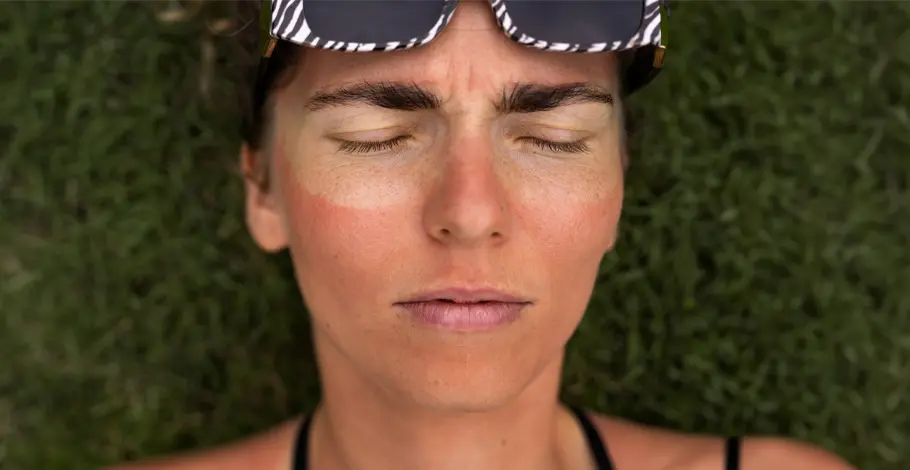
Causes of Hyperpigmentation
1. Sun Exposure
Ultraviolet rays can increase pigment production, making existing dark patches more noticeable and encouraging new spots to develop. Frequent exposure without protection may also lead to sunspots over time.
2. Hormonal Changes
Melasma can be triggered by hormonal changes that occur during pregnancy or when taking some hormonal drugs. Patches are most frequently found on the face.
3. Skin Inflammation or Injury
Dark marks can form on the skin after it has healed from acne, eczema, burns, cuts, rashes, or even from severe skin care treatment. This is called post-inflammatory hyperpigmentation.
4. Aging
As people age, sun damage can manifest itself more clearly in a person’s skin. This may cause the skin tone to become uneven, brown, and other symptoms of sun-related skin aging.
5. Genetic Factors
Freckling and irregular pigmentation may be genetically determined. Some inherited skin traits make pigment changes easier to see when exposed to the sun.
Symptoms of Hyperpigmentation
- Flat spots or patches that look darker than the surrounding skin
- Brown, black, gray, or reddish areas of discoloration
- Uneven skin tone
- Dark marks left after acne, cuts, burns, or rashes
- Patches that become darker after sun exposure
- Spots that usually occur on the face, hands, arms, or shoulders
- Usually not painful or itchy discoloration
Hyperpigmentation and Skin Health
The main effect of hyper pigmentation is that it disturbs the evenness and clarity of the skin. Brown or black patches might appear more prominent on the face, hands, shoulders, and other exposed areas, particularly if they stand out against the rest of the skin. The discolored area is generally safe, but can cause the skin to look uneven or aged.
Repeated sun exposure can also be an indicator of hyper pigmentation. The sun’s UV rays may darken existing moles and cause new ones to form, and also add to the appearance of skin aging, such as fine lines, rough texture, and uneven tone.
That is the reason it is important to use sun protection every day even if there is pigmentation. Sun protection measures, such as sun cream, shade, and protective clothing, will help minimise further darkening and additional skin damage from sun exposure.
Treatment Options for Hyperpigmentation
The right treatment depends on the type of hyperpigmentation, its cause, skin tone, and how deeply the discoloration affects the skin.
Skincare Options
- Apply broad-spectrum sunscreen with SPF 30 or higher every day.
- Use gentle products containing ingredients such as vitamin C, niacinamide, or azelaic acid.
- Consider retinoid products when appropriate for your skin.
- Treat acne, eczema, or irritation to help prevent new dark marks.
- Avoid picking, scratching, or using products that irritate the skin.
Dermatologist Treatments
- Prescription creams containing hydroquinone, tretinoin, or combination ingredients
- Professionally performed chemical peels
- Laser or light-based treatments
- Procedures designed to remove or reduce sunspots
- A personalized treatment plan based on skin tone and pigmentation type
Some procedures can worsen discoloration when they are not suitable for a person’s skin tone, so professional evaluation is important before treatment.
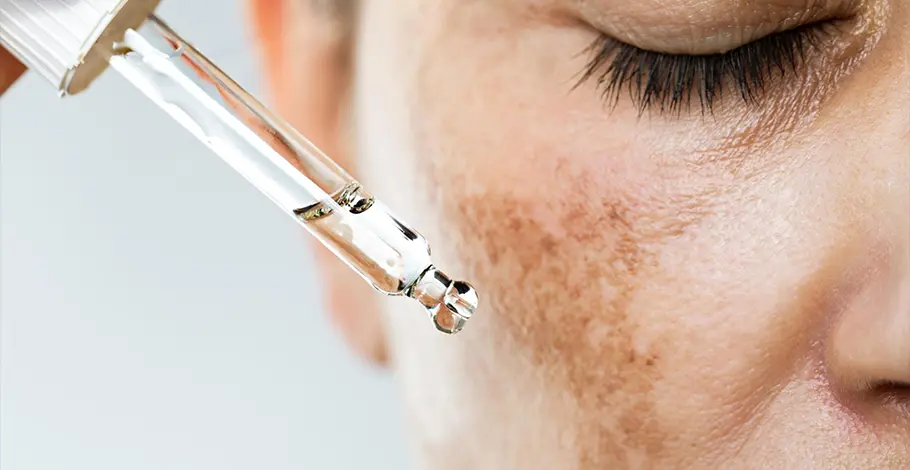
Treatment Options for Hyperpigmentation
Prevention Tips
Understanding how to prevent hyperpigmentation begins with protecting the skin from sun exposure and irritation.
- Apply broad-spectrum SPF 30 or higher every day.
- Reapply sunscreen when spending extended time outdoors.
- Wear hats, sunglasses, and protective clothing.
- Seek shade during periods of strong sunlight.
- Avoid tanning beds and unnecessary UV exposure.
- Treat acne, rashes, and inflammation early.
- Do not pick or squeeze acne spots.
- Use gentle skincare products that do not irritate the skin.
- Introduce active skincare ingredients gradually.
When to See a Doctor
Consult a dermatologist if a dark spot grows rapidly in size, shape, or colour; develops an irregular or unclear border; contains several different colours; becomes raised, painful, itchy, or sore; starts to bleed; fails to heal; or looks different from the rest of your skin spots.
Conclusion
By understanding what causes hyperpigmentation, you can make more informed and strategic decisions about maintaining a healthy, even-toned complexion. Taking care of your skin to prevent sun damage, using mild skin care products, and treating skin irritation before it gets worse can lessen the likelihood of dark spots showing up.
If some areas do not fade or start to shift, you might need to see a dermatologist, who can help clear up the situation and help you choose the best treatment for your skin.
Was this article helpful?
3 Sources
We review published medical research in respected scientific journals to arrive at our conclusions about a product or health topic. This ensures the highest standard of scientific accuracy.
[2] Melasma : https://www.ncbi.nlm.nih.gov/books/NBK459271/
[3] Hyperpigmentation Therapy: A Review : https://pmc.ncbi.nlm.nih.gov/articles/PMC4142815/



 This article changed my life!
 This article was informative.
 I have a medical question.
 This article contains incorrect information.
 This article doesn’t have the information I’m looking for.