Medically Cited
Shin splints often improve with rest, ice, gentle stretching, proper footwear, and a gradual return to activity. If pain continues, gets worse, or affects walking, it is best to see a healthcare provider.
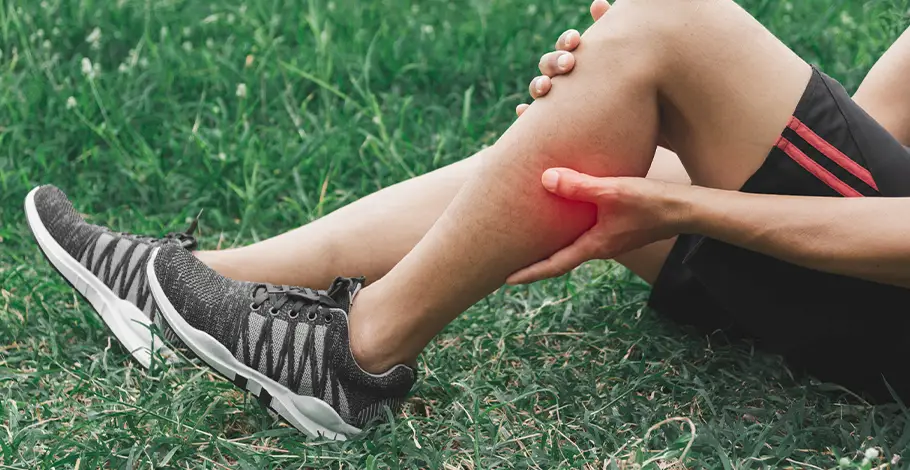
Have you ever felt sharp or aching pain along your shins after running, walking, or working out? Shin splints, medically known as medial tibial stress syndrome, happen when the muscles, tendons, and bone tissue around the shinbone become overworked.
This pain usually appears below the knee and is common among runners, athletes, and people who suddenly increase their activity level. It often develops when too much stress is placed on the lower legs in a short time.
The good news is that many mild cases can improve with rest, proper care, and smarter training habits. Let’s explore practical ways to relieve shin splints and support recovery.
Key Takeaways:
- Shin splints are usually caused by repeated stress on the lower legs.
- Rest and activity modification are often the first steps toward recovery.
- Stretching, strengthening, and proper shoes may help reduce future discomfort.
- Ongoing or severe shin pain should be checked by a healthcare provider.
What Are Shin Splints?
Shin splints are a common term for pain along the shinbone, usually caused by repeated stress on the lower leg. The condition is medically known as medial tibial stress syndrome. It often affects runners, athletes, dancers, and people who increase exercise intensity too quickly.
1. Rest and Modify Your Activity
Runners are usually always on the go, and when they obtain shin splints, they often tend to get back on track as soon as possible. This will, most likely, lead to further damage of the shin bone, which can cause the condition to become much more severe.
Your body needs time to properly heal and to ensure the muscles in the damaged area can recover. Medline Plus recommends allowing the body at least two to four weeks to properly heal before getting back to your regular activities.
This is an adequate amount of time, but they also recommend increasing the level of activities performed at a slow rate.
Rest gives the irritated muscles, tendons, and bone tissue time to recover. Reduce running, jumping, or high-impact exercise until the pain improves. Low-impact activities like swimming or cycling may be easier during recovery.
2. Apply Ice to Reduce Pain and Swelling
Ice packs are an excellent way to reduce both pain and inflammation when damage occurs in the shin bone. Many people use cold treatment in order to relieve these symptoms for a range of other injuries as well, such as injury to the ankle and feet, hands and more. Combining an ice pack with a massage can enhance the effectiveness of this treatment method.
Apply an ice pack to the painful area for short periods to help reduce soreness and swelling. Wrap the ice pack in a towel instead of placing it directly on the skin.
3. Perform Gentle Stretching Exercises
When the pain and inflammation starts to go away, and you feel like you are ready to take the first steps to get back to your activities, then you should start with some basic stretches.

Perform gentle stretching exercises
Using shin splints prevention with the four preventative exercises in order to help avoid obtaining this injury again. These exercises include:
- Wall shin raises
- Heel step-downs
- Calf stretches
- Shin resistance exercise
Once pain begins to improve, gentle stretching may help loosen tight calves and lower leg muscles. Avoid forcing stretches, and stop if the pain gets worse.
4. Strengthen Your Lower Leg Muscles
Shin splints can often lead to severe pain that is uncomfortable and even cause swelling in the affected area. Pain in the shin bone can have an impact on a person’s daily life, as well as interfere with their sleeping cycles, which can lead to sleep deprivation.
In order to combat the pain and inflammation caused by shin splints, taking pain medication that can also help to reduce inflammation. These medication choices include naproxen and ibuprofen.
You can also use a joint pain supplement which is a safer and cheaper alternative available on the market. Take a quick scan of a pain relief supplement called Omega XL which contains essential nutrients to provide instant relief.
Strengthening exercises may help support the lower legs and reduce repeated stress on the shins. Wall shin raises, calf raises, heel step-downs, and resistance exercises can be useful when done gradually.
5. Wear Proper Footwear
Many people never consider the type of shoes they wear while partaking in physical activities, such as running. The truth is, your shoes can have a big impact on your shin splints prevention and wearing appropriate shoes can even help avoid this injury from happening again.
Livestrong recently talked to a chiropractor, who explained that stability should be a higher concern than a cushiony effect when choosing the best shoe for running.
Supportive shoes can make a big difference, especially for runners. Choose shoes that fit well, provide stability, and match your activity type. Replace worn-out shoes when they no longer offer enough support.
6. Return to Exercise Gradually
After resting for at least two weeks, you can slowly start to get back to your physical activities – with an emphasis on “slowly”. It is vital not to immediately return to your normal pace, but rather to take things slow when starting out again.
You’ve given your shins time to heal, now you need to introduce them to these exercises again – but at a pace that won’t injure them again. As you continue to partake in the exercises, you can slowly start to increase the pace until you’ve reached your normal pace.
Do not return to your usual workout intensity too quickly. Start with shorter, easier sessions, then slowly increase time, distance, or intensity as your shins feel better.
7. Warm Up Before Every Workout
While simply hitting the road sounds like a great idea, many runners and individuals partaking in physical training exercises often forget just how important warm-ups are.
In order to prevent shin splints from occurring again, it is recommended to do a series of warm-up exercises before you start with your day’s exercises. This will help warm the muscles and get them ready for a more intense workout.
A short warm-up prepares your muscles for activity and may reduce strain on the lower legs. Light walking, mobility drills, and gentle dynamic movements are good options before exercise.
8. Consider Compression Sleeves or Socks
Compression socks, just as many other types of compression clothing pieces, can help reduce the shock impact placed upon the body. Several studies have been conducted and provided evidence that compression clothing can help reduce the risk of damaging muscles and even help to speed up the recovery process in case muscles are injured.

Compression sleeves or socks may provide light support and comfort for some people. They should not replace rest, proper shoes, stretching, or a gradual return to activity.
9. Know When to See a Healthcare Provider
While we can usually treat shin splints at the comfort of our home through the use of ice packs, rest and anti-inflammatory medication, it can sometimes be too severe for home shin splints treatment.
In such a case, it is advised that you seek medical attention in order to avoid permanent damage. Call the doctor if the pain does not seem to go away even after resting, using ice packs and taking a pain reliever like ULTIMATE CM CREAM.
See a healthcare provider if shin pain does not improve with rest, becomes severe, causes swelling, or makes walking difficult. Persistent pain may need evaluation to rule out other issues, such as a stress fracture.
Conclusion
Shin splints can be frustrating, especially when they interrupt running, training, or daily movement. In many mild cases, rest, ice, stretching, supportive footwear, and gradual activity changes can help the lower legs recover. The most important step is to avoid pushing through pain, as this may make the problem worse. If symptoms continue or become severe, a healthcare provider can help identify the cause and recommend the right next steps. With proper care and smarter training habits, many people can return to activity more comfortably.
FAQs
1. What causes shin splints?
Shin splints usually happen when the lower legs are placed under repeated stress. This often occurs from running, jumping, poor footwear, or increasing workout intensity too quickly.
2. How do I know if I have shin splints?
Shin splints often feel like aching, soreness, or tenderness along the shinbone. The pain may worsen during exercise and improve with rest.
3. Can shin splints heal on their own?
Mild shin splints may improve with rest, ice, reduced activity, proper footwear, and gradual return to exercise. Persistent or severe pain should be checked by a healthcare provider.
4. Should I keep running with shin splints?
It is better to reduce or stop high-impact activity until the pain improves. Running through shin pain may delay recovery or make symptoms worse.
5. What exercises help with shin splints?
Gentle calf stretches, wall shin raises, heel step-downs, and resistance exercises may help support recovery. Start slowly and stop if the pain increases.
6. Do compression socks help shin splints?
Compression socks may provide light support and comfort for some people. They should be used alongside rest, stretching, proper shoes, and gradual activity changes.
Was this article helpful?
3 Sources
We review published medical research in respected scientific journals to arrive at our conclusions about a product or health topic. This ensures the highest standard of scientific accuracy.
[2] Risk factors associated with medial tibial stress syndrome in runners: a systematic review and meta-analysis - PMC : https://pmc.ncbi.nlm.nih.gov/articles/PMC3873798/
[3] Medial Tibial Stress Syndrome - StatPearls - NCBI Bookshelf : https://www.ncbi.nlm.nih.gov/books/NBK538479/



 This article changed my life!
 This article was informative.
 I have a medical question.

 This article contains incorrect information.
 This article doesn’t have the information I’m looking for.