Medically Cited
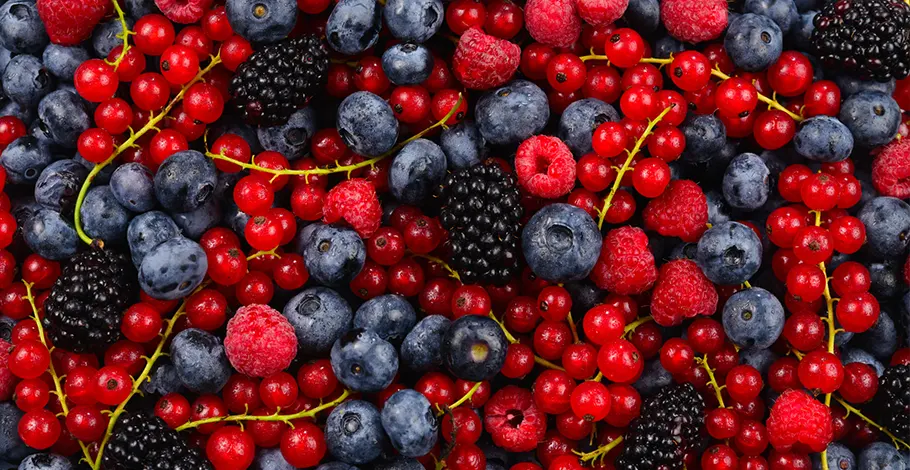
Berries are low in calories but rich in fiber, vitamins, minerals and plant compounds and can be a valuable addition to a weight loss diet. Their fiber and water content may also make meals and snacks more satisfying. But berries themselves can not burn fat and weight loss. They are best used in conjunction with a balanced low calorie diet.
Overview
Is the use of one food more effective than another? While people are always asking this question when they want to lose weight, there is no single food that determines the diet.
A balanced diet consists of various foods that combine to provide each of us our daily supply of nutrients, and berries can certainly fill in there. Fruits, like strawberries, blueberries, raspberries, blackberries, and others, are naturally sweet (and lower in calories) than other foods. They are also distinguished by their fiber, vitamins, minerals and colourful plant compounds.
In the realm of weight loss, the greatest benefit they may offer is their convenience. Berries can be a way to bulk up meals and/or replace foods that have more added sugar and calories.
Let’s explore the health and diet benefits of berries.
Key Takeaways
- Berries are relatively low in calories and can add volume and natural sweetness to meals.
- They can help promote fullness, gut health and appetite control due to their fiber content.
- Berries are a source of vitamin C, vitamin K, manganese and several other plant compounds.
- Both sweet and unsweetened frozen berries can easily be part of a healthy weight loss diet.
- Berries are still not the key to weight loss, but rather a combination of overall calorie intake and long-term dietary patterns.
9 Reasons to Add Berries to Your Diet for Weight Loss
1. They Are Relatively Low in Calories
Berries are a low-calorie, high-energy food, which is one of the easiest reasons for being included in a weight loss diet.
For instance, a cup of strawberries will have approximately 50 calories, and a cup of raspberries will have about 60 to 65 calories. Berries have a high moisture content which provides them with a lot of volume and may make a portion appear more substantial.
That doesn’t mean calories from berries don’t count. Instead, selecting berries can make it easier to satisfy your sweet tooth without consuming a significant portion of your daily calorie count. Individual berry nutrient values may be verified using the USDA FoodData Central database.
2. They Are Rich in Fiber
Raspberries and blackberries are known for their high fibre content and are regarded as good fibre-rich food.
In addition, fiber increases the bulk of food and can slow the digestion of food, which could make it easier to feel satisfied after eating. It also has a beneficial effect on the health of the gastrointestinal tract and bowel habits.
Studies investigating dietary fiber and appetite regulation have revealed several mechanisms through which fiber affects appetite and fullness. This does not equate to weight loss, but being full after a meal makes it easier to maintain the right amount of calories.
3. They Can Help Make Snacks More Satisfying
Eating snacks doesn’t necessarily hinder weight loss. The important thing is what you eat and how that snack fits in with your diet.
Berries are sweet, contain water, and are a good source of fiber, which provides a simple substitute for sweets, biscuits, pastries and other calorie rich snack foods.
Even some direct research is available on the idea. In a small study, those who snacked on a mixed-berry snack in the afternoon burned fewer calories at a later meal than those snacking on an isocaloric confectionery snack. This study does not causally conclude that berries cause weight loss, but rather demonstrates the importance of food choice for overall energy intake.
4. They are a source of essential nutrients.
Losing weight is not just about cutting back on food. Those calories are important, too, but in terms of their nutritional value.
Berries are a source of some vitamins and minerals, but the quantities vary depending on the type of berry. These include vitamin C, manganese, vitamin K, folate, potassium, magnesium and limited quantities of other micronutrients.
For instance, strawberries are especially recognized for their vitamin C content, raspberries and blackberries for their fiber content.
This pairing makes berries more than a sweet, low-calorie treat. They are also a source of beneficial nutrients and are easy to include in a well-balanced diet.
5. They Contain Beneficial Plant Compounds
Berries are noted for antioxidants and vibrant plant-based compounds such as polyphenols called anthocyanins. Many of the red, purple, and blue colors found in berries are due to these pigments.
Research continues to examine how berry polyphenols interact with different aspects of human health. A 2024 review paper on blueberry research includes their fibre, micro-elements, polyphenols and most significantly anthocyanins.
Although these compounds are a component of berries’ nutritional value, they are not meant to be seen as therapies or cures for any specific health issues.
6. They Add Natural Sweetness to Meals
A good attribute of berries is that they enhance the flavor of relatively simple foods.
Mild plain yoghurt or oatmeal can be flavored with a few fresh berries, rather than too much sugar, syrup, jam, or other sweetener.
They also add a natural sweetness which can complement chia pudding, overnight oats, cottage cheese and cereal or whole-grain pancakes.
It’s a minor tweak, and these can be the types of changes that are easy to make in day-to-day life that can make a calorie-controlled diet more manageable without making food sound like a punishment.
7. They Are Easy to Add to Weight-Loss Meals
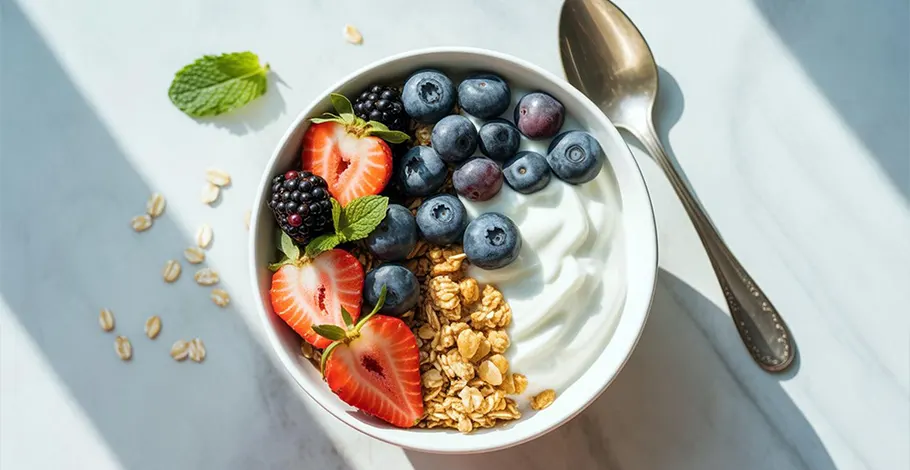
It’s not necessary to have grand recipes or complicated meal planning for berries. These can be washed and consumed fresh, and frozen berries can be used right in most recipes.
They Are Easy to Add to Weight-Loss Meals
Dip strawberries in Greek yogurt, sprinkle blueberries on oatmeal or top with raspberries or blackberries in a salad.
You might also want to make smoothies with berries, but keep in mind that any additional ingredients in the blender will also add to your calories. Nut butters, full-fat coconut milk, sweetened yogurt, juice, and large amounts of protein powders can turn a relatively light berry smoothie into a surprisingly high-calorie drink.
8. Fresh and Frozen Berries are Versatile Options.
Fresh berries make a great choice, but they’re not the only option.
Frozen berries are a great convenience, have a long shelf-life and also help to keep berries on hand year-round. Ideal for smoothies, oatmeal, yoghurt or homemade fruit desserts.
The primary element to pay attention to is the list of ingredients. The frozen berries you buy in the supermarket are completely different than plain frozen berries.
When buying fresh or frozen fruit, opt for unsweetened fruit so you can enjoy the fruit without the excess calories added by sweetening.
9. They Can Substitute Higher Calorie Desserts and Snacks
Berries do not have to directly cause weight loss for them to be beneficial. The true value of their service is in some cases in what they replace.
Strawberries or raspberries topped with plain greek yogurt is a sweet treat that has a lot more fiber and nutrients than a lot of desserts.
Frozen blueberries can be eaten straight from the freezer and mixed berries with a little dark chocolate and yoghurt will make an easy dessert.
This is where berries come in handy for weight management. It’s about using the foods as substitutes, not as a quick replacement for losing body fat.
Best Berries for Weight Loss
There is no single “best” berry to lose weight. The following are all a part of a balanced diet. What changes is their calorie content, fiber content, flavor, and how you prefer to use them.
| Berry | Approx. Calories per Cup | Approx. Fiber per Cup | Practical Benefit |
|---|---|---|---|
| Strawberries | 50 | 3 g | High-volume, naturally sweet choice for snacks and desserts |
| Raspberries | 64 | 8 g | Particularly high in fiber and works well with yogurt or oatmeal |
| Blackberries | 62 | 7 to 8 g | Fiber-rich with a slightly tart flavor that works in sweet or savory meals |
| Blueberries | 84 | 3.6 g | Convenient for oatmeal, yogurt, cereal, and smoothies |
| Cranberries | 46 | 3.6 g | Naturally tart, so choose fresh or unsweetened varieties when possible |
Values are approximate and based on raw fruit data available through USDA FoodData Central. Serving weights vary between different berries.
How to Eat Berries for Weight Loss
Adding berries to your diet doesn’t need to be complicated. A few simple combinations include:
- Berries and Greek yogurt: Add roughly ½ to 1 cup of berries to plain Greek yogurt for a simple breakfast or snack.
- Berries with oatmeal: Stir blueberries, raspberries, or strawberries into oatmeal instead of relying heavily on brown sugar or syrup.
- Add them to salads: Strawberries, blueberries, and blackberries pair surprisingly well with leafy greens, nuts, and a light dressing.
- Blend them into smoothies: Use frozen berries with milk, yogurt, or another suitable base, but keep an eye on calorie-dense extras.
- Make a simple dessert: Combine fresh or frozen berries with plain yogurt, cinnamon, or a small amount of dark chocolate.
Portion size still matters. Berries themselves are relatively low in calories, but toppings can change the picture quickly. Large amounts of granola, honey, cream, chocolate, nut butter, or sweetened yogurt can add far more calories than the berries underneath.
Conclusion
There really is no reason berries can’t have a place in a well-planned weight-loss diet. They provide fiber, vitamins, minerals, natural sweetness, and beneficial plant compounds while remaining relatively low in calories.
Their biggest advantage isn’t that they “burn fat.” It’s that they can make nutritious meals more enjoyable and replace some higher-calorie snacks and desserts without leaving the diet feeling bland or overly restrictive.
Whether you prefer strawberries, raspberries, blackberries, blueberries, or cranberries, fresh and unsweetened frozen varieties can both be useful options.
Ultimately, however, successful weight loss depends on overall calorie intake, food choices, activity levels, and habits maintained over time. Berries can support that process, but they are one part of the bigger picture.
Was this article helpful?
2 Sources
We review published medical research in respected scientific journals to arrive at our conclusions about a product or health topic. This ensures the highest standard of scientific accuracy.
[2]The State of the Science on the Health Benefits of Blueberries : https://pmc.ncbi.nlm.nih.gov/articles/PMC11196611/







 This article changed my life!
 This article was informative.
 I have a medical question.

 This article contains incorrect information.
 This article doesn’t have the information I’m looking for.