Water Filters: A Smart Solution for Clean, Safe Drinking Water
Find in-depth reviews of water filters that ensure safe, purified, and fresh drinking water, helping you make an informed decision for your home.
Not all tap water is as safe as it appears. With so many options available, choosing the right water filter for your home can feel difficult—that’s where this guide can help.
Water filters are designed to remove harmful contaminants from your drinking water, improving both safety and taste. They come in a wide range of formats, from simple pitcher filters to advanced whole-house reverse osmosis systems, making it easier to find an option that fits your needs, space, and budget.
On this page, you’ll find different types of water filters along with the key information you need to make a confident, informed choice.
Highly Recommended

Best Water Filters
The Aqua Vital Filter helps enhance tap water quality by reducing chlorine, rust, bacteria, and microplastics; supporting healthier-looking skin and smoother hair every day.
You can BUY it directly from the Official Website
What Are Water Filters?
Water filters are devices that reduce or remove impurities from your water supply. While there are hundreds of brands and models available, most home water filters fall into six main categories: pitcher or dispenser filters, faucet-mounted, faucet-integrated, countertop, under-sink, and whole-house systems.
Many people use water filters to improve the taste or clarity of their tap water. However, certain filters also help reduce exposure to potentially harmful contaminants such as lead, chlorine, PFAS (“forever chemicals”), heavy metals, and microplastics.
How Water Filters Work
The majority of water filters utilize either carbon filtration or reverse osmosis, or both of these technologies. Carbon filters are made of activated carbon and operate by attracting and retaining contaminants as water runs through them. They work well to reduce chlorine and odors, as well as some chemicals.
Reverse osmosis systems operate on a multi-phase procedure that incorporates carbon and sediment filters. Such systems can eliminate a much wider variety of contaminants, including dissolved solids and certain chemicals that aren’t filtered out by your regular carbon filter.
In the simplest terms, filters are like very fine filters. The smaller the pore size, the more particles they can stop. For example, a 1-micron filter can trap particles that are 1 micron or larger in size.
Why People Choose Water Filters
Health Protection
Many sources of water can have amounts of contaminants like lead, arsenic, or PFAS, studies have indicated. A good water filter is the added protection you and your family deserve.
Better Taste/Scent
Filters enhance the drinking experience by eliminating chlorine and other substances that can impact the taste and odor.
Cost savings
The problem with bottled water is that it’s expensive. A water filter can be more cost-effective in the long term.
Environmental Benefits
Many plastic bottles are not recycled. For better sustainability and reduced waste, a filtered water bottle filled with tap water is the way to go.
Types Of Water Filters
Pitcher Filters – Inexpensive, portable, and user-friendly. Best for eliminating taste and low levels of contaminants, including chlorine..
Faucet-Mounted Filters — Connect right to your tap to access filtered water without delay.
Under-Sink Filtration Systems — Designed to be placed beneath your sink for more intensive filtration that doesn’t demand counter space.
Countertop Filters — Sit on your counter and connect to your faucet. No permanent installation required.
Reverse Osmosis Provisions — Deliver high-level filtration, eliminating pollutants such as arsenic and perchlorate. These are more expensive and also require installation, so if you’re using the filter for a short time, then it might not make sense.
Whole-House Filters —Treat water at the point it enters your home to reduce contaminants in the drinking water, as well as the water we bathe and clean with.
How To Choose the Right Water Filter
Know Your Water Quality
Start with a simple understanding of what’s in your water. If you are on a public water supply, read your annual water quality report.
Look for Certifications
Choose a filter certified by NSF International or the Water Quality Association, both of which are independent, third-party organizations that test water filters’ capabilities for reducing contaminants.
Choose a Filter that Meets Your Needs
All filters are not the same. Some are meant to enhance taste; some focus on certain contaminants. Pick a filter that matches your biggest worry.
Maintenance and Life Expectancy of a Filter
Replace filters regularly, or they become ineffective. A used or old filter can malfunction or even allow contaminants to pass through. Always look for the cost and frequency of replacement.
Safety and Maintenance Tips
- Replace your filter when instructed by the manufacturer.
- If you get sick easily, have someone else replace your filter so you do not get exposed to the harmful substances that the filter caught.
- Remember that some filters can remove essential minerals from your water, like calcium and magnesium. Some filters can add these things back into your water.
- Never think that your water is safe just because it looks and tastes good. Your water can look clear. Still have harmful elements in it.
Conclusion
Water filters are a practical and effective way to improve the quality of your drinking water. Whether your concern is contaminants like lead and PFAS or simply improving taste, there’s a solution to fit every household and budget.
Use this guide to explore your options, compare features, and choose a water filter that supports cleaner, safer water for your home.

 Medically Cited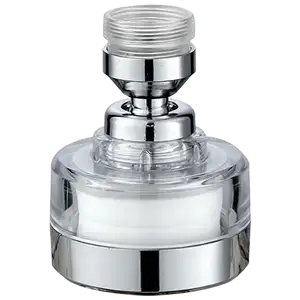


 Aqua Vital Filter
  Cloud RO