Medically Cited
Overview
Matcha is already part of the daily routine for many tea drinkers, but matcha powder offers a different experience from regular steeped green tea. Instead of removing the tea leaves after brewing, matcha uses finely ground green tea leaves that are mixed directly into water, milk, or other drinks.
The category has grown quickly, but not every matcha green tea powder is made the same way. Some products use pure Japanese matcha, while others are made for lattes, use different harvests, or include added ingredients such as sugar. Origin, flavor, grade, preparation, and ingredient transparency can also vary quite a bit.
This guide covers the best matcha powder 2026 options, including matcha quality, Japanese origin, flavor, preparation, ingredients, customer feedback, pricing, and safety. It also explains what to look for when choosing ceremonial matcha and how to find the best matcha for your daily routine.
TL;DR
- Matcha powder is made from finely ground green tea leaves and is mixed directly into water, milk, or other drinks.
- Pure Japanese matcha powder may feel more traditional for tea drinkers, while sweetened or latte-style powders are usually quicker to prepare.
- Ceremonial matcha and culinary matcha are used differently, and quality can vary based on origin, harvest, processing, and freshness.
- Matcha naturally contains caffeine, so people who limit caffeine should check the serving information carefully.
- Matcha green tea powder can fit into a regular tea routine, but research on matcha compounds should not be treated as proof that every finished product provides the same effects.
What Is Matcha Powder?
Matcha is a powdered form of green tea made from Camellia sinensis. The tea plants are typically shaded before harvest, and the processed leaves are ground into a very fine powder. Because the powder itself is consumed, matcha is prepared differently from standard loose-leaf or bagged green tea.
Japanese matcha powder can vary by growing region, harvest, cultivar, processing, and intended use. Some products are made for traditional preparation with water, while others are designed to remain noticeable when mixed with milk or used in recipes.
Terms such as ceremonial matcha, culinary matcha, first harvest, organic matcha, Uji matcha, and single-origin matcha can help describe a product, but buyers should also check the actual ingredient list, Japanese origin, harvest information, taste profile, and preparation directions.
Why Trust Consumer Health Digest?
Consumer Health Digest reviews matcha powder by checking official product information, ingredients, Japanese origin, harvest details, matcha grade, flavor, preparation, caffeine information, certifications, pricing, and customer feedback. We also look at how clearly brands explain their Japanese matcha powder rather than relying only on terms such as “premium” or “ceremonial.”
We accept no payment for favorable placement. Each product is reviewed using the same criteria, while research on matcha green tea powder is used for context rather than as proof of finished-product effects.
 According to Consumer Health Digest Research, our Best pick is Kaffico Ceremonial Matcha Powder, the best matcha green tea powder for enjoying a smooth, vibrant cup while supporting focus, antioxidant intake, and daily wellness. For another pick, consider Jade Leaf Organic Cafe Style Sweetened Matcha Latte Mix, a convenient matcha latte powder that combines organic matcha with a naturally sweetened blend for an easy, creamy matcha drink at home. Read the review and purchase with the best deals and offers.
Our Top Picks
- Kaffico Ceremonial Matcha Powder – Best Matcha Green Tea Powder
- Jade Leaf Organic Cafe Style Sweetened Matcha Latte Mix – Best Matcha Latte Powder
- Encha Ceremonial Grade Matcha Powder – Best Organic Ceremonial Matcha Powder
- Ippodo Tea Sayaka Matcha – Best Japanese Matcha Powder
- Naoki Organic First Spring Blend Matcha – Best Organic First Harvest Matcha Powder
5 Best Matcha Powders 2026
Finding the best matcha powders 2026 means looking beyond color and price. This guide to the best matcha powders of 2026 compares five popular options: Kaffico Ceremonial Matcha Powder, Jade Leaf Matcha, Encha Ceremonial Matcha, Ippodo Tea Sayaka-no-Mukashi, and Naoki Organic First Spring Matcha.
We consider factors that matter when choosing Japanese matcha, including origin, harvest, flavor, quality, organic certification where applicable, and intended use. Whether you want the best ceremonial matcha powder for traditional tea, the best matcha powder for lattes, or an organic matcha powder for daily use, these selections cover different preferences.
The guide also explains ceremonial vs culinary matcha, freshness, matcha quality, and how to tell if matcha is authentic. Learn how to choose matcha powder, how much to use, how to prepare matcha tea, and how to store it. We also cover matcha caffeine, nutrition, antioxidants, and uses such as hot tea, iced lattes, smoothies, and baking.

Kaffico Ceremonial Matcha Powder | Best Matcha Green Tea Powder
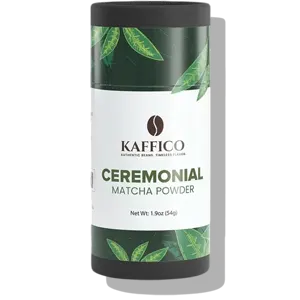


Stone-ground Ceremonial Matcha*

Provides Calm, Steady Alertness*

Encourages Mental Composure*

Supports Sustained Natural Energy*
- Brand: Kaffico
- Form: Powder
- Quantity: 1.9 oz (54 g)
- Tasting Notes: Sweet, Umami, Earthy
- Flavor: Sweet, Umami, Earthy
- Dosage: Take 1 Scoop (1 Teaspoon) Per Serving; 2 Scoops For Richer Flavor
- Ingredients: Matcha Tea Powder, Camellia Sinensis (Shade-Grown Green Tea Leaves)
- Usage : Calm Alertness, Sustained Energy, Focus, Mental Composure, Stress Support
- Safety : Vegan, Gluten-Free, Non-GMO, Halal Certified, Allergen-Free, Lactose-Free, 100% Natural, Antibiotic-Free, Corn-Free, Cruelty-Free
- Refund Policy: 30-Days*
- Company Address: 4502 Riverstone Building, Suite 1102 #C, Missouri City, Texas 77459, USA, contact@kaffico.com, +1 (800) 986-9321

Smooth Matcha for My Morning Routine

“I enjoy having this matcha as part of my morning routine. The flavor tastes fresh and smooth, and preparation is simple when I want something different from coffee. I also like that it works well as an easy everyday drink without making my morning routine feel complicated.” – Caleb T.

The product is designed for simple everyday preparation rather than requiring a complicated tea routine. Kaffico recommends using one teaspoon of powder with 2–3 ounces of warm water and whisking until frothy. People who prefer a softer taste can add more water or milk, while those who enjoy a stronger cup can keep the drink more concentrated.
Matcha naturally contains caffeine, L-theanine, EGCG, and other tea compounds
In a PubMed study, researchers examined matcha tea and reported changes in some measures related to attention and memory. The study did not test Kaffico Ceremonial Matcha Powder, so the findings provide general context about matcha rather than proof of effects from this specific product.

Jade Leaf Organic Cafe Style Sweetened Matcha Latte Mix | Best Matcha Latte Powder
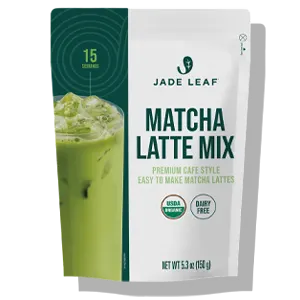

- Brand: Jade Leaf Matcha
- Form: Powder
- Quantity: 5.3 oz (15 Servings); also available in 17.6 oz and 35.3 oz sizes
- Tasting Notes: Smooth, Creamy, Mildly Sweet, Earthy, Umami, Rich Matcha Flavor
- Flavor: Smooth, Lightly Sweetened
- Dosage: Take 2 Teaspoons Per Serving
- Ingredients: Organic Unrefined Cane Sugar, Organic Japanese Matcha Green Tea
- Usage: Hot Lattes, Iced Lattes, Cafe-Style Drinks, Energy Boost
- Safety: USDA Organic, Vegan, Gluten-Free, Dairy-Free; 20–40 mg Caffeine Per Serving
- Refund Policy: 60-Days*
- Company Address: 21500 Biscayne Blvd, Suite 600, Aventura, FL 33180, USA, support@jadeleaf.com, +1-866-841-9355
Convenient for Sweet Matcha Lattes

“I like this mix when I want a quick matcha latte without measuring sugar separately. It tastes pleasantly sweet and blends easily with milk, especially for iced drinks. For me, it is a convenient option when I want a simple cafe-style matcha at home” – Evelyn R.
Preparation is simple for everyday use. Jade Leaf recommends mixing two teaspoons with a small amount of warm water before adding hot or cold milk. The 5.3-ounce pouch provides about 15 servings and is currently listed at $10.99. Because the formula already contains sugar, it may be more suitable for people who prefer a ready-to-mix latte rather than an unsweetened matcha tea powder.
Matcha has also been studied for its natural caffeine, theanine, and catechin content.
In a PubMed study, researchers found that matcha intake helped maintain some measures of attention after mild psychological stress. The study did not test Jade Leaf’s latte mix, so the findings provide general matcha context rather than evidence for this specific product.

Encha Ceremonial Grade Matcha Powder | Best Organic Ceremonial Matcha Powder
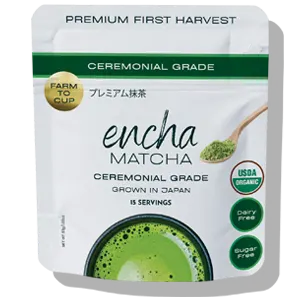
- Brand: Encha
- Form: Powder
- Quantity: 30g
- Tasting Notes: Naturally Sweet, Creamy Umami, Light Astringency, Velvety Smooth, Zero Bitterness
- Flavor: Umami, Sweet, Grassy, Full-Bodied, Smooth
- Dosage: 1 Tsp (About 2g) Per Serving
- Ingredients: 100% Organic Matcha Green Tea Powder
- Usage : Traditional Matcha Tea, Focused Energy, Morning Ritual
- Safety: USDA Certified Organic, First Harvest, Shade-Grown, Hand-Picked, Stone-Ground, Japanese Matcha, Third-Party Tested
- Refund Policy: NA
- Company Address: ELEVATE BRANDS OPCO LLC, 82 Nassau St. #60375, New York, New York, United States, encha@encha.com, +1-855-503-6242
Smooth With Little Bitterness
“I like how smooth this matcha tastes when I prepare it in the morning. It mixes well without leaving much bitterness or a gritty texture. The flavor feels clean and balanced, and I enjoy that I can keep the preparation simple while still getting a pleasant cup.” – Mary H.
The recommended serving is about one teaspoon, or 2 grams. A 30-gram pouch provides around 15 servings and is currently listed at $19.99. Larger sizes are also available for people who use matcha powder more often. The powder can be whisked with warm water, while the amount can be adjusted depending on preferred strength and texture.
Matcha naturally contains compounds such as caffeine, theanine, chlorophyll, and catechins
In a PubMed study, researchers reviewed the chemical composition of matcha and noted that growing and processing methods can influence these naturally occurring compounds.The study did not test Encha Ceremonial Grade Matcha Powder, so the findings provide general context about matcha rather than evidence for this specific product.

Ippodo Tea Sayaka Matcha | Best Japanese Matcha Powder
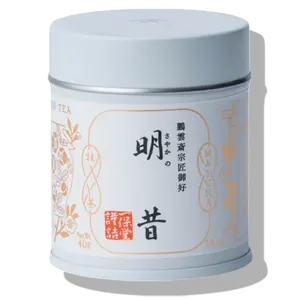
- Brand: Ippodo Tea
- Form: Powder
- Quantity: 1.4 oz (40 g)
- Tasting Notes: Smooth, Sweet, Umami, Hint Of Astringency
- Flavor: Rich, Smooth, Naturally Sweet, Umami, Slightly Bitter
- Dosage: Whisk 2 g (about 1 Tsp) Matcha With A Small Amount Of Hot Water Until Frothy; Add More Water Or Milk As Desired
- Ingredients: Japanese Green Tea (Matcha)
- Usage : Traditional Matcha, Usucha, Koicha, Matcha Latte, Iced Matcha, Cold-Whisked Matcha
- Safety : Consume Soon After Opening; Store Away From Sun, Heat, Humidity & Strong Odors
- Refund Policy: 30-Days*
- Company Address: IppodoTea.com USA & CA (Menos US Inc.), 16192 Coastal Highway, Lewes, DE 19958, shop@ippodotea.com, +81-75-211-4018
Smooth Matcha With Balanced Umami
“I enjoy how smooth and balanced this matcha tastes, especially when I use it for lattes. The light sweetness and gentle umami come through without becoming too bitter or grassy. It also mixes well, making it an easy matcha for me to prepare regularly at home” – R. A.
The powder can be prepared in several ways depending on preference. Ippodo suggests about 2 grams for usucha, 3 grams for a latte, and 4 grams for koicha. It can also be enjoyed iced or cold-whisked, which gives buyers more flexibility for daily use. This makes Sayaka a practical option for people who want one matcha powder for both traditional tea and milk-based drinks.
Matcha quality can vary between products.
In a PubMed study, researchers compared commercial green teas and found differences in catechin composition, phenolic content, caffeine concentration, and antioxidant activity among matcha samples.The study did not specifically test Ippodo Sayaka, so the findings provide general context rather than evidence for this product.

Naoki Organic First Spring Blend Matcha | Best Organic First Harvest Matcha Powder
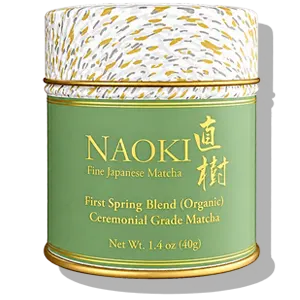
- Brand: Naoki Matcha
- Form: Fine Powder
- Quantity: 1.4 oz, 1.75 oz, or 3.5 oz
- Tasting Notes: Dark Cacao, Roasted Notes, Light Umami
- Flavor: Roasty, Earthy, Vegetal, Mellow, Sweet
- Dosage: Whisk 2 G (about 1 Tsp) Of Matcha With Hot Water Until Smooth And Frothy. It Can Also Be Mixed With Milk To Make A Matcha Latte
- Ingredients: Organic Japanese Green Tea Leaves (Matcha)
- Usage : Matcha Tea, Matcha Lattes, Versatile Daily Drinking
- Safety : Kyoto Since 1717, Family-Run Japanese Tea Company, Stone-Milled Matcha, Blended & Packaged In Kyoto, Beginner-Friendly, Rich & Smooth
- Refund Policy: NA
- Company Address: 8 The Green, STE A, 19901 Dover, Delaware, United States, cust-svc@naokimatcha.com, +1-720-799-2946
Creamy in Matcha Lattes
“I enjoy using this matcha for lattes because the flavor stays smooth and noticeable after I add milk. It has a creamy texture with mild roasted notes that I find easy to drink. I also like that the preparation is simple enough for my regular morning routine” – Erin R.
The recommended serving is about 2 grams, or one teaspoon, which makes it easy to adjust the strength for different drinks. The matcha is available in several package sizes, with prices currently starting at $25.99. Its balanced profile may make it approachable for beginners who want a ceremonial matcha powder for regular use without limiting it to one preparation style.
Matcha has also been studied in relation to exercise and energy metabolism.
In a PubMed study, researchers observed changes in fat oxidation during moderate-intensity exercise after regular matcha intake. The study did not test Naoki Organic First Spring Blend Matcha, so the findings provide general matcha context rather than evidence for this specific product.
How We Choose the Best Matcha Powder?
Here is what we consider when selecting the best matcha powder for everyday use.
Japanese Origin
We check where the matcha comes from and whether the brand clearly states its growing region. Clear details on Japan, Uji, Kyoto, Kagoshima, or other regions receive stronger consideration.
Matcha Quality
We review harvest information, matcha type, grade, and intended use. Brands that clearly explain whether the powder is first harvest, ceremonial matcha, culinary matcha, or another type receive stronger consideration.
Taste and Texture
We consider stated sweetness, umami, bitterness, astringency, aroma, color, and texture. Clear flavor information is important because Japanese matcha can taste quite different from one product to another.
Preparation
We check serving size, water temperature, whisking directions, and whether the matcha powder works best with water, milk, or both. We also consider how easily it fits into hot or iced drinks.
Caffeine Transparency
We look for clearly stated caffeine content per serving when available. This helps buyers compare products and decide whether the matcha green tea powder fits their usual daily caffeine intake.
Dietary Compatibility
We check information on added sugar, dairy, gluten, organic status, and other ingredients. Clear dietary details help buyers distinguish pure matcha powder from sweetened or prepared matcha mixes.
Price and Value
We review price, package size, servings, matcha quality, origin, and intended use. We also consider whether the product provides enough information to judge overall value.
How Does Matcha Powder Work?
Matcha powder is made from green tea leaves that are finely ground and consumed directly. It naturally provides caffeine, L-theanine, catechins, and other compounds found in Camellia sinensis. Caffeine mainly works by blocking adenosine receptors and can help support alertness and attention.
L-theanine and tea catechins provide another part of the matcha tea powder profile. These compounds continue to be studied for their possible effects on attention, antioxidant activity, and other areas. How much they may contribute depends on the matcha, serving size, harvest, processing, and preparation, so matcha should not be treated as a proven way to improve focus, metabolism, or other health outcomes
Potential Benefits of Matcha Powder
Matcha powder may offer several practical advantages when used with realistic expectations.
- Alternative to coffee: Matcha naturally contains caffeine and can be used as a hot or iced drink for people who want something different from coffee.
- Contains L-theanine: Matcha naturally provides L-theanine along with caffeine.
- Natural tea compounds: Matcha green tea powder contains catechins and other naturally occurring plant compounds.
- Different preparation options: Matcha can be whisked with water, mixed with milk, served over ice, or added to smoothies.
- Simple ingredient choices: Many pure matcha powder products contain only finely ground green tea leaves.
- Different uses: Ceremonial matcha may work well for drinking with water, while stronger powders may be better suited to lattes, baking, or cooking.
These benefits relate mainly to convenience, caffeine content, tea compounds, and preparation flexibility. They do not prove that matcha will improve focus, increase metabolism
, promote weight loss, or provide other specific health outcomes.
Who May Consider Matcha Powder?
Matcha powder may suit tea drinkers who want to try Japanese matcha without giving up a familiar hot or iced drink routine. It may also appeal to people who enjoy green tea flavor, prefer a coffee alternative, make matcha lattes, or want a simple powder that can be adjusted to different preparation styles.
It may be less suitable for people who avoid caffeine, are sensitive to green tea, prefer sweeter drinks, or do not enjoy grassy or umami flavors. Sweetened matcha mixes may also be less suitable for people who want pure Japanese matcha or prefer to control added sugar. People with medical conditions or those taking medications may want to check with a healthcare professional before regular use
What to Look for in Matcha Powder?
Japanese Origin
Look for brands that clearly state where their Japanese matcha comes from. Details such as Uji, Kyoto, Kagoshima, or Shizuoka can make the product easier to understand and compare.
Matcha Type and Grade
Check whether the powder is described as ceremonial matcha, culinary matcha, first harvest, or another type. A PubMed study found differences among commercial matcha samples, showing that grade labels alone do not explain overall matcha quality.
Ingredient List
Choose a pure matcha powder with a clear ingredient list when you want traditional matcha. Some latte mixes contain sugar or other ingredients, so check the label before buying.
Flavor and Texture
Look for information on sweetness, umami, bitterness, aroma, color, and texture. These details can help you choose the best matcha powder for tea, lattes, or other drinks.
Preparation Directions
Check the recommended serving size, water temperature, and whisking method. Clear directions make matcha tea powder easier to prepare and can help maintain a smoother taste and texture.
Packaging and Freshness
Look for packaging that protects matcha green tea powder from air, light, heat, and moisture. A tightly sealed container can help maintain freshness after opening.
Price and Value
Compare price, package size, servings, origin, harvest details, and intended use. A premium matcha powder may cost more, so consider whether its quality and preparation style fit your everyday needs.
Potential Concerns to Consider
Matcha powder can fit easily into a daily routine, but some claims deserve realistic expectations.
- Focus and energy claims: Caffeine, L-theanine, and other matcha compounds have been studied, but this does not confirm the same effects from every finished matcha powder.
- Caffeine response: Matcha still contains caffeine, and sensitivity can vary from person to person.
- Added ingredients: Some matcha latte mixes contain sugar or other ingredients, so check the label if you want pure matcha powder.
- Results: Matcha should not be expected to produce major changes in focus, metabolism, or weight management after a single serving.
- Price and value: Compare the final price, package size, servings, origin, and preparation style before choosing the best matcha powder for your routine.
How to Prepare Matcha Powder?
Matcha powder should be prepared according to the product’s directions and intended use. Ceremonial matcha is usually whisked with warm water, while other matcha powders may also be mixed with milk, served over ice, or added to smoothies and recipes.
For Kaffico Ceremonial Matcha Powder, the listed serving size is 1 teaspoon. Its preparation guide recommends adding 2–3 ounces or 60–90 mL of water at 160–175°F, then whisking in a zigzag motion until frothy. Milk can also be added when making a hot or iced matcha latte.
Use fresh water when preparing Japanese matcha powder and keep the package tightly sealed after opening. Kaffico recommends storing its matcha in a cool, dry, dark place and using it within three months after opening for the best freshness.
Is Matcha Powder Safe?
For most healthy adults who already tolerate green tea and caffeine, matcha green tea powder can fit into a normal diet. Safety still depends on serving size, caffeine intake, added ingredients, medications, and individual tolerance.
Too much caffeine may cause jitters, anxiety, nausea, upset stomach, headache, or difficulty sleeping. The FDA states that up to 400 mg of caffeine per day for most healthy adults is not generally associated with negative effects, although sensitivity can vary.
People who are pregnant or breastfeeding, take prescription medications, or are sensitive to caffeine should check with a healthcare professional before making matcha tea powder part of their regular routine. Caffeine from matcha should also be considered along with coffee, tea, energy drinks, chocolate, and other daily sources.
Product Comparison
To help you decide, here is a brief comparison of our best matcha powders:
 Kaffico Ceremonial Matcha Powder |
Jade Leaf Organic Cafe Style Sweetened Matcha Latte Mix | Encha Ceremonial Grade Matcha Powder | Ippodo Tea Sayaka Matcha | Naoki Organic First Spring Blend Matcha | |
|---|---|---|---|---|---|
| Rating |  |
 |
|
|
|
| Cost | $49.00 | $10.99 | $19.99 | $49.00 | $25.99 |
| Dosage | Take 1 Scoop (1 Teaspoon) Per Serving; 2 Scoops For Richer Flavor | Take 2 Teaspoons Per Serving | 1 Tsp (About 2g) Per Serving | Whisk 2 g (About 1 Tsp) Matcha With A Small Amount Of Hot Water Until Frothy; Add More Water Or Milk As Desired | Whisk 2 G (About 1 Tsp) Of Matcha With Hot Water Until Smooth And Frothy; It Can Also Be Mixed With Milk To Make A Matcha Latte |
| Tasting Notes | Sweet, Umami, Earthy | Smooth, Creamy, Mildly Sweet, Earthy, Umami, Rich Matcha Flavor | Naturally Sweet, Creamy Umami, Light Astringency, Velvety Smooth, Zero Bitterness | Smooth, Sweet, Umami, Hint Of Astringency | Dark Cacao, Roasted Notes, Light Umami |
| Flavor | Sweet, Umami, Earthy | Smooth, Lightly Sweetened | Umami, Sweet, Grassy, Full-Bodied, Smooth | Rich, Smooth, Naturally Sweet, Umami, Slightly Bitter | Roasty, Earthy, Vegetal, Mellow, Sweet |
| Ingredients | Matcha Tea Powder, Camellia Sinensis (Shade-Grown Green Tea Leaves) | Organic Unrefined Cane Sugar, Organic Japanese Matcha Green Tea | 100% Organic Matcha Green Tea Powder | Japanese Green Tea (Matcha) | Organic Japanese Green Tea Leaves (Matcha) |
| Usage | Calm Alertness, Sustained Energy, Focus, Mental Composure, Stress Support | Hot Lattes, Iced Lattes, Cafe-Style Drinks, Energy Boost | Traditional Matcha Tea, Focused Energy, Morning Ritual | Traditional Matcha, Usucha, Koicha, Matcha Latte, Iced Matcha, Cold-Whisked Matcha | Matcha Tea, Matcha Lattes, Versatile Daily Drinking |
| Return Policy | 30-Days* | 60-Days* | NA | 30-Days* | NA |
| Pros | Stone-Ground Ceremonial Matcha, Vegan, Gluten-Free, Non-GMO, Halal Certified, Allergen-Free, Lactose-Free, 100% Natural, Antibiotic-Free, Corn-Free, Cruelty-Free | USDA Organic, Vegan, Gluten-Free, Dairy-Free, Farm-Direct, Japanese Matcha, Cafe-Style Latte Preparation | USDA Certified Organic, First Harvest, Shade-Grown, Hand-Picked, Stone-Ground, Japanese Matcha, Third-Party Tested | Japanese Matcha, Smooth Flavor, Naturally Sweet, Multiple Preparation Options, Suitable For Usucha, Koicha, Lattes, Iced Matcha And Cold-Whisked Matcha | Organic Japanese Matcha, First-Harvest Blend, Stone-Milled, Family-Run Japanese Tea Company, Blended And Packaged In Kyoto, Beginner-Friendly, Smooth Flavor |
| Review | Best Ceremonial Matcha Powder for Smooth Everyday Drinking | Best Sweetened Matcha Latte Powder for Cafe-Style Drinks | Best Organic Ceremonial Matcha Powder for Traditional Tea | Best Japanese Matcha Powder for Smooth Umami Flavor | Best Organic First Harvest Matcha Powder for Lattes |
| Shop Now |
FAQs
Q: What is the best matcha powder?
A: Kaffico Ceremonial Matcha Powder is our current top pick. It contains pure Japanese matcha tea powder, uses shade-grown green tea leaves, and can be prepared as traditional hot matcha or a latte.
Q: Is Kaffico Ceremonial Matcha Powder sweetened?
A: No added sugar or sweetener is listed. The official ingredient list contains matcha tea powder, while the flavor is described as naturally sweet, umami, and earthy.
Q: Which matcha powder is best for lattes?
A: The best matcha for lattes depends on whether you want pure or pre-sweetened matcha. Kaffico and Naoki can both be mixed with milk, while Jade Leaf is specifically made as a sweetened latte mix.
Q: What is the difference between ceremonial and culinary matcha?
A: Ceremonial matcha is generally intended for drinking with water and usually has a smoother profile. Culinary matcha tends to have a stronger flavor that works well with milk, smoothies, cooking, and baking.
Q: How much matcha powder should I use?
A: Many brands recommend about one teaspoon, or roughly 2 grams, for a serving. The amount of water or milk varies, so follow the preparation instructions for the specific matcha you buy.
Conclusion
Kaffico Ceremonial Matcha Powder is our current top pick for people who want a Japanese ceremonial matcha that can be enjoyed with water or milk. Its main strengths are the pure matcha formula, Japanese sourcing, smooth sweet and umami flavor, 54-gram package, and simple preparation for hot tea or matcha lattes.
The best matcha powder ultimately depends on flavor preference, caffeine tolerance, preparation style, matcha type, and budget. It is also worth looking beyond terms such as “premium” or “ceremonial” and checking the ingredient list, origin, harvest details, serving directions, and intended use before choosing a matcha green tea powder for your daily routine.
Was this article helpful?




5 Sources
We review published medical research in respected scientific journals to arrive at our conclusions about a product or health topic. This ensures the highest standard of scientific accuracy.
[1] An Intervention Study on the Effect of Matcha Tea, in Drink and Snack Bar Formats, on Mood and Cognitive Performance — https://pubmed.ncbi.nlm.nih.gov/28784536/[2] Matcha Consumption Maintains Attentional Function Following a Mild Acute Psychological Stress Without Affecting a Feeling of Fatigue — https://pubmed.ncbi.nlm.nih.gov/33744591/
[3] Health Benefits and Chemical Composition of Matcha Green Tea: A Review - PubMed https://pubmed.ncbi.nlm.nih.gov/33375458/
[4] Catechin Composition, Phenolic Content, and Antioxidant Properties of Commercially-Available Bagged, Gunpowder, and Matcha Green Teas — https://pubmed.ncbi.nlm.nih.gov/37923855/
[5] Three Weeks Daily Intake of Matcha Green Tea Powder Affects Substrate Oxidation During Moderate-Intensity Exercise in Females — https://pubmed.ncbi.nlm.nih.gov/32875933/
**This is a subjective assessment based on the strength of the available informations and our estimation of efficacy.
*Result may vary. If you are pregnant, nursing, have a serious medical condition, or have a history of heart conditions we suggest consulting with a physician before using any supplement. The information contained in this website is provided for general informational purposes only. It is not intended to diagnose, treat, cure, or prevent any disease and should not be relied upon as a medical advice. Always consult your doctor before using any supplements.
Disclosure of Material connection: Some of the links in the post above are "associate sales links." This means if you can click on the link and purchase an item, we will receive a commission. Regardless, we only recommend products or services which we use personally and/or believe will add value to our readers. We are disclosing this in accordance with the Federal Trade Commission's 16 CFR, Part 255: "Guides Concerning the Use of Endorsements and Testimonials."






 This article changed my life!
 This article was informative.
 I have a medical question.
 This article contains incorrect information.
 This article doesn’t have the information I’m looking for.