Medically Cited
Overview
Ethiopian coffee can seem easy to choose. You see Yirgacheffe or Guji on a bag, read a few tasting notes, and expect a flavorful cup. But anyone who has tried different coffees knows that the details matter. One cup might taste bright and floral, while another brings berry sweetness or a richer, smoother finish.
The beans and their preparation play an important role. Some Ethiopian coffees offer lemon and jasmine notes, while others bring peach, chocolate, or fruity flavors. Growing region, roast level, freshness, and processing all influence what you taste. Washed coffees often have a cleaner flavor, while naturally processed beans can bring out more fruit sweetness and body.
This guide covers the best Ethiopian coffee beans in 2026, including popular Yirgacheffe and Guji selections and a convenient instant coffee option. We’ll compare coffee quality, flavor profiles, roast levels, freshness, customer feedback, and value. You’ll also learn how processing, grind size, and brewing methods can affect the finished cup.
TL;DR
- Ethiopian coffee beans are known for their floral aromas, fruity flavors, bright acidity, and natural sweetness.
- Yirgacheffe, Sidamo, Guji, and Harrar offer different flavors depending on growing conditions, processing methods, and roast levels.
- Light and medium roasts are useful starting points for people who enjoy citrus, berry, and floral flavors.
- Ethiopian whole bean coffee allows you to grind fresh, while instant coffee offers a quicker preparation option.
- The best Ethiopian coffee beans depend on your preferred taste, bean freshness, brewing method, and everyday budget.
What Are Ethiopian Coffee Beans?
Ethiopian coffee beans are roasted beans grown in Ethiopia, a country known as the birthplace of Arabica coffee. They come from different growing regions, including Yirgacheffe, Sidamo, Guji, and Harrar. Growing conditions, altitude, and processing methods all influence their flavors, which can range from floral and citrusy to fruity and sweet.
Ethiopian coffee offers different flavors depending on its origin and roast level. Ethiopian Yirgacheffe coffee beans are popular for their floral and citrus notes, while Ethiopian Guji coffee beans often bring fruity sweetness. Sidamo and Harrar coffees offer other flavors, including berry and chocolate-like notes.
These beans are available in light, medium, and dark roasts. You can choose Ethiopian whole bean coffee or ground coffee depending on your brewing equipment. Roast level, grind size, and brewing method all affect the finished cup’s taste and body.
Why Trust Consumer Health Digest?
Consumer Health Digest reviews Ethiopian coffee beans by checking official product information, growing regions, roast details, processing methods, tasting notes, grind options, brewing directions, freshness information, pricing, and customer feedback. We also look at whether each brand clearly explains what buyers can expect from its coffee.
Each product is judged using the same main criteria: coffee quality, roast suitability, taste, ease of preparation, grind options, freshness, and overall value. Scientific research provides context for coffee growing, processing, roasting, and brewing rather than proof that an individual coffee will produce a particular result.
 According to Consumer Health Digest Research, our Best pick is Kaffico Mushroom Fuse Instant Coffee, a convenient mushroom coffee option for those seeking a flavorful daily brew with a focus on focus and sustained energy. For another pick, consider Volcanica Ethiopian Yirgacheffe, a choice for coffee lovers looking for distinctive Ethiopian coffee beans with a bright, aromatic flavor profile. You can also consider Stumptown Ethiopia Suke Quto for a specialty Ethiopian coffee experience with distinctive origin character and a flavorful cup. Read our reviews to compare these options and find the coffee that best suits your taste and preferences.

Our Top Picks
- Kaffico Mushroom Fuse Instant Coffee – Best Mushroom Coffee
- Volcanica Ethiopian Yirgacheffe – Best Ethiopian Yirgacheffe Coffee Beans
- Stumptown Ethiopia Suke Quto – Best Ethiopian Suke Quto Coffee
- Lifeboost Ethiopian Yirgacheffe – Best Ethiopian Yirgacheffe Whole Bean Coffee
- Onyx Coffee Lab Shakiso Wessi Ethiopia – Best Ethiopian Shakiso Coffee Beans
5 Best Ethiopian Coffee Beans 2026
Ethiopian coffee is known for its distinctive floral aromas, fruity sweetness, bright acidity, and complex flavor profiles, making it a popular choice among specialty coffee drinkers.
The best Ethiopian coffee beans come from different growing regions, including Yirgacheffe, Guji, Sidama, and Harrar, with each area offering a different character in the cup. Yirgacheffe coffee is often associated with floral, jasmine, citrus, and tea-like notes, while Guji beans can offer berry, peach, and other fruit-forward flavors. Sidama coffee is commonly valued for its balanced profile, while Harrar is known for bold, wine-like and fruit-driven characteristics.
This guide features a selection of 5 best Ethiopian coffee beans 2026 for different preferences, brewing methods, and roast styles. Compare their origin, roast, processing method, tasting notes, form, quantity, and brewing suitability to find an Ethiopian coffee that matches your taste.

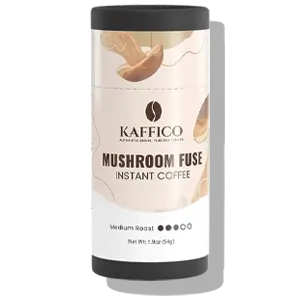
Kaffico Mushroom Fuse Instant Coffee| Best Mushroom Coffee


Support Cellular Protection*

Supports Natural Circulation*

Support Nerve Communication*

Helps Maintain Mental Steadiness*
- Brand: Kaffico
- Form: Instant Coffee (Freeze-Dried)
- Quantity: 1.9 oz (54 g), 27 Servings
- Dosage: Take 1 Teaspoon (2 g), Mix With 8–10 oz Hot Water, 160–175°F; Use 2 Scoops for a Richer Cup
- Roast Level: Medium Roast
- Flavor: Dark Chocolate, Earthy Cocoa, Gentle Toasted Sweetness
- Usage: Focus Support, Steady Energy, Everyday Wellness, Immune Support, Oxidative Stress Support
- Safety: No Added Sugars, No Artificial Flavors, Vegan, Gluten-Free, Non-GMO, Allergen-Free, Halal, Store In A Cool, Dry, Dark Place
- Refund Policy: 30-Days*
- Company Info: 4502 Riverstone Building, Suite 1102 #C, Missouri City, Texas 77459, USA, contact@kaffico.com, +1-(800)-986-9321

So Easy and Surprisingly Rich

“I started keeping Mushroom Fuse at my desk because my mornings were getting hectic. I love how quickly it dissolves, and the chocolate like flavor makes my coffee breaks more enjoyable. I was a little unsure about mushroom coffee at first, but smooth taste genuinely surprised me. It become a favorite.” – Denise S

The formula is 70% roasted Arabica coffee, 15% organic Lion’s Mane and 15% organic Chaga mushroom powder. Lion’s Mane has been studied for its possible effects on memory and mood.
A 2023 pilot study published in Nutrients looked at Lion’s Mane supplementation in healthy young adults and reported mixed results. But it didn’t test Mushroom Fuse; its findings can’t confirm benefits from this coffee. I’d treat the mushrooms as a bonus, not a promise. The freeze-dried format, at least, makes preparation really simple.
Mushroom Fuse comes in a 1.9-ounce package with 27 servings. It’s $33 as a one-time purchase, and subscription discounts are available. Kaffico recommends mixing one teaspoon into 8–10 ounces of hot water. And there’s no added sugar, artificial sweeteners or artificial flavors in it. For anyone who wants medium roast coffee without grinding beans or setting up brewing equipment, the no-fuss setup is what makes it a convenient option for everyday use.

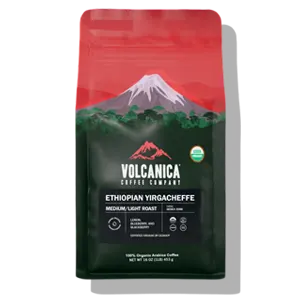
Volcanica Ethiopian Yirgacheffe | Best Ethiopian Yirgacheffe Coffee Beans

- Brand: Volcanica Coffee
- Form: Whole Bean Coffee
- Quantity: 16 oz
- Dosage: Pour-Over Method, Black, 1:16 Ratio, 93°C Water, Medium-Fine Grind
- Roast Level: Medium-Light Roast
- Flavor: Lemon, Blueberry, Blackberry
- Usage: Coffee Brewing, Daily Beverage, Specialty Coffee Enjoyment
- Safety: USDA Organic, Fairtrade Certified, Kosher Certified, Single Origin
- Refund Policy: 30-Days*
- Company Info: Volcanica Coffee Company, 4110 Tench Road, Suite H, Suwanee, GA 30024, USA, sales@volcanicacoffee.com ,+1-877-454-7031
Light but Full of Flavor

“I usually drink darker coffee, so I was not sure what to expect from this one. The first cup surprised me with its light, fruity taste and smooth finish. I especially enjoyed it without milk, which rarely happens for me. It’s a refreshing change when I want something different in the morning. – Randy E.
The beans grow at elevations around 7,500 feet and undergo washed processing. This method removes the fruit before drying and often produces a cleaner-tasting cup.
A 2024 study published in Heliyon compared washed, semi-washed, and dry-processed Ethiopian coffees. Researchers found differences in bean color and odor, but no significant differences in overall cup quality.These findings show why processing deserves attention when comparing Ethiopian washed coffee beans.
Volcanica offers a 16-ounce whole-bean package, with a starting price of $22.99 and different grind options available. The coffee is USDA Organic and Fairtrade Certified, which may appeal to buyers who value these standards. Whole beans allow you to grind fresh for pour-over, French press, or drip preparation. For someone seeking Ethiopian Yirgacheffe coffee whole bean, it offers a flavorful option with noticeable fruit notes.

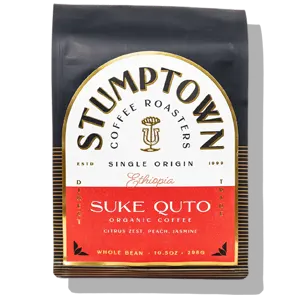
Stumptown Ethiopia Suke Quto| Best Ethiopian Suke Quto Coffee
- Brand: Stumptown Coffee Roasters
- Form: Whole Bean Coffee
- Quantity: 298 g
- Dosage / How to Take: Drip: 28 g coffee/475 ml water; Pour Over: 21 g; Espresso: ~19.5 g
- Roast Level: Light Roast / Light & Bright
- Flavor: Citrus, Peach, Jasmine; Crisp, Sweet, Floral
- Usage: Drip Coffee, Pour Over, Espresso Brewing
- Safety: Coffee Product, Perishable, Returns Not Accepted for Coffee
- Refund Policy: 30-Days*
- Company Info:Stumptown Coffee Corporation Inc., 100 SE Salmon St., Portland, OR 97214, USA, info@stumptowncoffee.com , +1-855-711-3385
Distinct Jasmine Notes
“I was surprised by how clearly I could taste the jasmine in this coffee. The citrus notes made it feel fresh, not sharp, and I really enjoyed it as a pour over. It costs more than my usual beans, but I like saving it for slower mornings. – Reddit
Suke Quto grows in volcanic, loamy soil, and Stumptown highlights its relationship with producer Tesfaye Bekele. Growing conditions help shape the flavor and quality of coffee beans.
A study published in Food Research International examined how altitude, shade, and processing methods affected Ethiopian Arabica coffee. Researchers found that these factors influenced the beans’ chemical composition and quality.These findings help explain why growing conditions matter when comparing Ethiopian Guji coffee.
Suke Quto comes in a 10.5-ounce package, with a listed price of $23 and a larger 5-pound option available. Stumptown provides brewing instructions for drip, pour-over, and espresso preparation. Its floral aroma and fruity notes make it appealing to people who enjoy a lighter cup. For someone exploring Ethiopian single origin coffee, it offers a distinct flavor experience, although seasonal availability may vary.

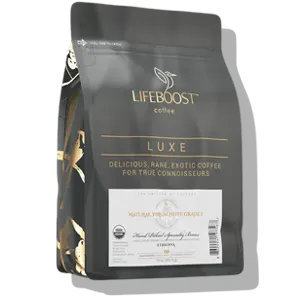
Lifeboost Ethiopian Yirgacheffe| Best Ethiopian Yirgacheffe Whole Bean Coffee
- Brand:Lifeboost Coffee
- Form:Whole Bean Coffee
- Quantity:10 oz
- Dosage:Brew As Coffee, Follow Brewing Instructions
- Roast Level:Medium Roast
- Flavor:Creamy, Nutty, Dried Fruit, Sweet, Viscous
- Usage: Daily Coffee Brewing, Enjoy As A Beverage, Coffee Ritual
- Safety:Single Origin, Low Acid, Non-GMO, Organically Grown, Pesticide Free, Shade Grown, Specialty Beans, Mycotoxin Tested
- Refund Policy: 30-Days*
- Company Info:Lifeboost Group Inc., 11 Municipal Drive, Suite 200 #1087, Fishers, IN 46038, USA, support@lifeboostcoffee.com ,+1-800-479-1596
Smooth and Full of Flavor
“I have tried a few Ethiopian coffees, and this one surprised me with how smooth it tasted. I really enjoyed the nutty flavor and the little hint of fruit at the end. I found myself looking forward to making it before work. I only wish the bag lasted a little longer. – Dave Y
Lifeboost describes its beans as organically grown, shade-grown, and third-party tested for unwanted contaminants. The brand also highlights the coffee’s low acid character.
A study published in the Journal of Agricultural and Food Chemistryhttps://pubmed.ncbi.nlm.nih.gov/19530715/ examined how roasting affects coffee chemistry. Researchers found that chlorogenic Acid levels decreased as roasting became more intense.These findings help explain why roast level matters, although they do not confirm that this coffee will be easier on everyone’s stomach.
Lifeboost Ethiopian Yirgacheffe comes in a 10-ounce package, with whole-bean and other options depending on the selected roast. The brand offers coffee roasted to order, along with subscription purchasing for regular customers. Its different roast choices allow buyers to explore their preferred flavors. For someone seeking fresh roasted Ethiopian coffee beans, it offers an interesting option, although current pricing and availability should be confirmed before ordering.

Onyx Coffee Lab Shakiso Wessi Ethiopia | Best Ethiopian Shakiso Coffee Beans
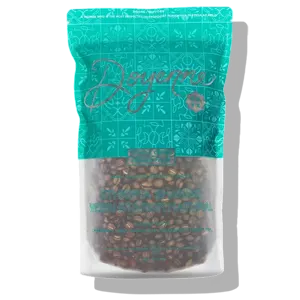
- Brand: Onyx Coffee Lab
- Form: Whole Bean Coffee
- Quantity: 8 oz or 27 oz
- Dosage: Brew According to Preferred Coffee Brewing Method
- Roast Level: Moderate Roast
- Flavor: Cranberry, Smoked Vanilla Bean, Grapefruit, Sweet Tea
- Usage: Coffee Brewing, Daily Beverage, Filter Extraction
- Safety: Specialty Coffee Roaster, Roasted To Order, Ethiopian Single-Origin Coffee, Whole Bean, Specialty Coffee Craftsmanship
- Refund Policy: 7-Days*
- Company Info: 101 E Walnut St., Rogers, AR 72756, USA, info@onyxcoffeelab.com, +1-479-899-6750
A Flavorful Single-Origin Coffee
“I bought this coffee because the cranberry and grapefruit notes sounded different from my usual beans. The first cup surprised me with its sweet, fruity aroma and smooth finish. I especially enjoyed making it as a pour-over on weekends. It’s a little different from what I normally drink, but I really liked that. – Bryce
The beans are Ethiopian landrace varieties, and they’re naturally processed meaning the cherries dry with the fruit still wrapped around the beans. That drying step is what can shape both sweetness and aroma. It’s also why processing matters when you’re comparing natural process Ethiopian coffees.
A 2023 review in Food Research International looked at coffee fermentation methods and how they affect flavor; the researchers explained that different fermentation conditions can change a coffee’s sensory characteristics. Which backs up the point, really.Shakiso Wessi comes in 8-ounce and 27-ounce packages, and the product information describes a moderate roast. Its fruity character is what makes it appealing for pour-over, where a measured recipe can help bring out the citrus and tea like flavors. And you can still adjust the grind size and brewing time to suit your own taste. Try a little finer, or a bit longer, and see what happens. For someone exploring Ethiopian Guji coffee beans, it’s a distinctive option though pricing and availability may change, so check before you buy.
How We Choose the Best Ethiopian Coffee Beans?

Here is what we consider when selecting the best Ethiopian coffee beans for different tastes and brewing preferences.
Bean Quality
We check coffee varieties, growing regions, and available quality information. Clear sourcing details help buyers understand where the beans come from, whether they prefer Ethiopian single origin coffee or want to explore different regional flavors.
Roast Level
We review whether the coffee is light, medium, or dark roasted. The best roast for Ethiopian coffee depends on taste, so we consider both the stated roast and the accompanying flavor description.
Flavor and Aroma
We consider tasting notes, aroma, sweetness, acidity, body, and finish. Ethiopian coffee often has floral, citrus, or berry notes, making the balance between these flavors and the coffee’s texture especially important.
Freshness
We look for roasting information, packaging details, and storage recommendations. A useful bag size should match how often you brew, rather than leaving a large quantity of roasted Ethiopian coffee beans unused for too long.
Brewing Compatibility
We check whole-bean, ground, and instant formats and whether the brand provides clear brewing directions. Each format suits a different routine, so we consider preparation needs rather than treating every coffee as equally convenient.
Origin and Processing Transparency
We review growing regions, producer information, and processing methods where available. These details help explain differences between Ethiopian Yirgacheffe, Guji, Sidamo, and Harrar coffees and distinguish single-origin selections from broader blends.
Price and Value
We compare package weights, displayed prices, subscription options, and grind choices. A larger bag may reduce the cost per ounce, but it offers value only if you enjoy the coffee and use it while fresh.
How Does Ethiopian Coffee Get Its Flavor?
Ethiopian coffee gets its flavor from growing conditions, bean varieties, processing methods, and roasting. The beans develop different aromas and flavors depending on where they grow. The roast level also helps shape the sweetness, acidity, and body of the finished coffee.
Washed processing removes the fruit before drying, often giving Ethiopian coffee a cleaner taste. Natural processing keeps the fruit around the beans during drying, which can bring out more fruity flavors. Grind size, water temperature, coffee quantity, and brewing time also affect how much flavor reaches your cup. Changing these settings can make the same Ethiopian coffee taste different, so a stronger flavor does not automatically mean a better cup.
Potential Benefits of Ethiopian Coffee
Ethiopian coffee offers several appealing qualities for people who enjoy exploring different flavors and preparing coffee at home.
- Distinctive flavors: Ethiopian coffee often has floral, citrus, and berry notes, offering a different taste from many traditional coffee blends.
- Different growing regions: Yirgacheffe, Sidamo, Guji, and Harrar offer different flavor profiles to explore.
- Fresh preparation: Grinding Ethiopian whole bean coffee before brewing lets you prepare only what you need.
- Different roast choices: Light, medium, and dark roasts offer different levels of sweetness, acidity, and body.
- Natural caffeine: Ethiopian Arabica coffee contains caffeine, which can help improve alertness and reduce feelings of tiredness.
- Brewing flexibility: You can prepare Ethiopian coffee using pour-over, French press, drip, or espresso methods.
These advantages mainly relate to flavor, preparation, and convenience. Ethiopian coffee is not automatically healthier or lower in caffeine than other coffees, and your serving size and caffeine tolerance deserve consideration when choosing how much to drink.
Who May Consider Ethiopian Coffee?
Ethiopian coffee may suit people who enjoy bright flavors and want to explore different coffee-growing regions. It can be especially appealing to those who prefer citrus, berry, or floral notes and want to try coffees from Yirgacheffe, Sidamo, Guji, or Harrar. The best Ethiopian coffee beans should match both your preferred roast level and the way you normally brew coffee.
It may be less appealing to people who prefer low-acid coffee, smoky dark roasts, or a heavier body. Beginners can still enjoy Ethiopian coffee, but starting with a medium roast and adjusting their brewing method may help them find flavors they enjoy.
What to Look for in Ethiopian Coffee Beans?
Check growing regions and bean varieties when choosing Ethiopian Yirgacheffe coffee beans or exploring other origins.
Choose light roasts for bright, fruity flavors, or Ethiopian medium roast coffee if you prefer smoother, fuller notes.
Check roasting information, grind beans before brewing, and store them away from air, heat, light, and moisture.
Choose a grind that suits your brewing method. Adjust if the coffee tastes weak, bitter, or overly sharp.
Check washed and natural processing details alongside tasting notes to understand the coffee’s flavor profile.
Choose equipment that suits your brewing method. A grinder, scale, and timer can help make preparation more consistent.
Compare package weight, shipping, grind options, and subscriptions. Try a smaller bag before buying in bulk.
Potential Concerns to Consider
Ethiopian coffee offers plenty of interesting flavors, but a few things are worth keeping in mind before choosing a bag.
- Bright acidity: Some Ethiopian coffees have noticeable citrus or fruit acidity, which may not suit people who prefer milder flavors.
- Flavor preferences: Floral and berry notes can taste unfamiliar to those who usually drink dark-roasted coffee.
- Seasonal availability: Certain single-origin releases may only be available for a limited period.
- Freshness and storage: Roasted coffee can lose aroma when exposed to air, heat, moisture, or light for long periods.
- Equipment needs: Whole-bean coffee requires a grinder, and different brewing methods need different grind sizes.
How to Prepare Ethiopian Coffee?
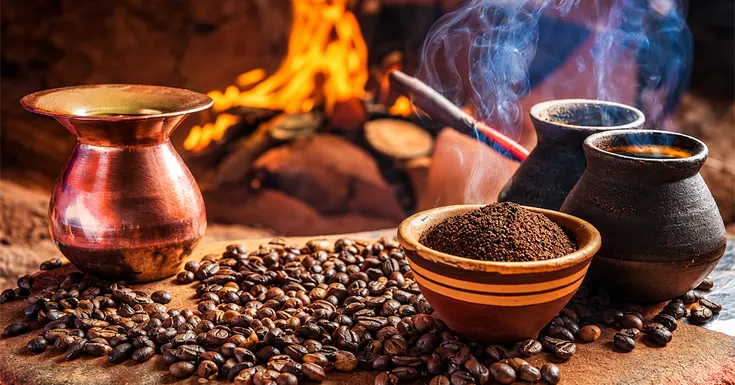
Ethiopian coffee can be prepared using several methods, including pour-over, drip, French press, and espresso. The best approach depends on the roast level, grind size, and flavor profile you want. Lighter Ethiopian coffees often work well with pour-over brewing, which can highlight delicate floral and fruit notes. A French press may produce a fuller texture, while espresso creates a more concentrated drink.
For Kaffico Mushroom Fuse Instant Coffee, preparation is especially simple. Add one teaspoon (2 grams) to a cup, pour in 8–10 ounces of hot water at 160–175°F, and stir until dissolved. The brand also suggests using two scoops for a richer drink or adding milk according to taste. No grinder, filter, or separate brewing equipment is required.
For Ethiopian whole bean coffee, a useful pour-over starting point is 20 grams of freshly ground coffee with 300 grams of water, giving a 1:15 coffee-to-water ratio. Start with water around 200–205°F and adjust the grind and pouring method to suit the beans. Lightly wet the grounds first, allow them to bloom, and continue pouring in stages. Keep your recipe consistent when experimenting so you can tell which changes improve the finished cup.
Is Ethiopian Coffee Safe?
For most adults who tolerate caffeine, Ethiopian coffee can be enjoyed as part of a normal daily routine. Like other caffeinated coffee, it may increase alertness, but drinking too much can lead to unwanted effects. The amount of caffeine in your cup depends on the beans, serving size, brewing method, and amount of coffee used.
The FDA recommends keeping caffeine intake around 400 mg per day for most healthy adults, as this amount is not generally associated with negative effects. Individual sensitivity varies, and excessive caffeine may contribute to sleep problems, anxiety, nausea, or a faster heartbeat. People who are pregnant, breastfeeding, taking medications, or managing medical conditions should discuss caffeine consumption with a healthcare professional.
Brewing method also deserves attention. Unfiltered preparations, such as French press coffee, retain more coffee oils than paper-filtered methods. A review indexed in PubMed explains how certain coffee compounds can influence LDL cholesterol levels. For mushroom coffee blends, buyers should also check the additional ingredients and consider possible interactions or sensitivities before regular use.
Product Comparison
To help you decide, here is a brief comparison of some of the best Ethiopian coffee beans and mushroom coffee options:
 Kaffico Mushroom Fuse Instant Coffee |
Volcanica Ethiopian Yirgacheffe | Stumptown Ethiopia Suke Quto | Lifeboost Ethiopian Yirgacheffe | Onyx Coffee Lab Shakiso Wessi Ethiopia | |
|---|---|---|---|---|---|
| Rating |  |
 |
|
|
|
| Cost | $33.00 | $22.99 | $23.00 | $43.95 | $80.00 |
| Form | Instant Coffee, Freeze-Dried | Whole Bean Coffee | Whole Bean Coffee | Whole Bean Coffee | Whole Bean Coffee |
| Quantity | 1.9 oz (54 g), 27 Servings | 16 oz | 298 g (10.5 oz) | 10 oz | 8 oz or 27 oz |
| Roast Level | Medium Roast | Medium-Light Roast | Light Roast / Light and Bright | Medium Roast | Moderate Roast |
| Dosage | Mix 1 Teaspoon (2 g) with 8–10 oz Hot Water at 160–175°F; Use 2 Scoops for a Richer Cup | Pour-Over Method, Black, 1:16 Ratio, 93°C Water, Medium-Fine Grind | Drip: 28 g Coffee per 475 ml Water; Pour-Over: 21 g; Espresso: Approximately 19.5 g | Brew According to the Preferred Coffee Preparation Method | Brew According to the Preferred Coffee Brewing Method |
| Ingredients | 70% Roasted Arabica Coffee, 15% Organic Lion’s Mane Mushroom Powder, 15% Organic Chaga Mushroom Powder | 100% Ethiopian Single-Origin Arabica Coffee Beans | Ethiopian Single-Origin Coffee Beans from the Guji Zone | Ethiopian Single-Origin Coffee Beans | Ethiopian Landrace Coffee Varieties from the Shakiso Area of the Guji Region |
| Usage | Focus Support, Steady Energy, Everyday Wellness, Immune Support, Oxidative Stress Support, Quick Instant Coffee Preparation | Daily Coffee, Specialty Coffee Brewing, Pour-Over, French Press, Drip Coffee | Drip Coffee, Pour-Over, Espresso Brewing, Daily Coffee, Fruity and Floral Flavor Exploration | Daily Coffee Brewing, Morning Coffee, Smooth Flavor, Nutty Notes, Coffee Ritual | Daily Coffee Brewing, Pour-Over, Filter Coffee, Specialty Coffee Enjoyment, Fruity Flavor Exploration |
| Return Policy | 30-Days* | 30-Days* | 30-Days* | 30-Days* | 7-Days* |
| Pros | Freeze-Dried Instant Coffee, Organic Lion’s Mane and Chaga Mushroom Powders, Medium Roast, 27 Servings, No Added Sugars, No Artificial Flavors, Vegan, Gluten-Free, Non-GMO, Halal | USDA Organic, Fairtrade Certified, Kosher Certified, Single-Origin Ethiopian Coffee, Fruity Flavor Notes, Whole Bean Format | Single-Origin Ethiopian Coffee, Citrus and Peach Flavor Notes, Jasmine Aroma, Suitable for Drip, Pour-Over and Espresso Brewing | Single-Origin Coffee, Low-Acid Positioning, Non-GMO, Organically Grown, Shade-Grown, Mycotoxin Tested, Medium Roast | Ethiopian Single-Origin Coffee, Distinctive Cranberry and Grapefruit Notes, Natural Processing, Roasted-to-Order Positioning, Multiple Package Sizes |
| Review | Best Mushroom Coffee for Focus and Concentration | Best Ethiopian Yirgacheffe Coffee Beans | Best Ethiopian Suke Quto Coffee for Pour-Over | Best Ethiopian Yirgacheffe Whole Bean Coffee | Best Ethiopian Shakiso Coffee Beans |
| Shop Now |
Frequently Asked Questions:
Q. What are the best Ethiopian coffee beans?
A: Volcanica Ethiopian Yirgacheffe, Stumptown Ethiopia Suke Quto, Lifeboost Ethiopian Yirgacheffe, and Onyx Coffee Lab Shakiso Wessi are Ethiopian-origin options with different flavor profiles. Kaffico Mushroom Fuse Instant Coffee is our first pick for people who value quick preparation and a smooth, chocolate-forward coffee experience.
Q. What is special about Ethiopian Yirgacheffe coffee beans?
A: Ethiopian Yirgacheffe coffee beans are known for their floral aromas, citrus flavors, and natural fruit sweetness. Many Yirgacheffe coffees have a bright, clean character, especially when lightly roasted and prepared through pour-over brewing. Their flavor varies according to processing, roast level, and harvest.
Q. Are Ethiopian Sidamo and Guji coffee beans different?
A: Yes. Ethiopian Sidamo coffee beans and Ethiopian Guji coffee beans come from different growing areas, each with its own coffee varieties and processing traditions. Both regions can produce fruity and floral coffees, but individual flavor profiles depend on the specific farm, harvest, and roast.
Q. What roast is best for Ethiopian coffee beans?
A: Light and medium roasts are popular choices for Ethiopian coffee. Light roasts often highlight floral, citrus, and berry notes, while medium roasts can offer additional sweetness and body. The best roast depends on whether you prefer bright, delicate flavors or a more rounded cup.
Q. Can you buy Ethiopian decaf coffee beans?
A: Yes. Ethiopian decaf coffee beans are available from some specialty coffee sellers, although the selection may be smaller than regular caffeinated coffee. Look for clear origin information, the decaffeination method, and freshness details before purchasing. None of the five coffees featured in this guide is presented as decaffeinated
Conclusion
Kaffico Mushroom Fuse Instant Coffee is our first pick for people who want a smooth, medium-roast coffee that takes very little time to prepare. Its chocolate and cocoa flavor notes, instant format, and combination of Arabica coffee with Lion’s Mane and Chaga make it a convenient choice for busy mornings.
The best Ethiopian coffee beans ultimately depend on your preferred taste and brewing routine. Volcanica offers a bright, organic Yirgacheffe, Stumptown highlights citrus and jasmine notes from Guji, and Lifeboost provides a range of roast choices. Onyx brings a fruit-forward, naturally processed option for specialty coffee fans. Paying attention to bean origin, roast level, processing, and freshness can help you find a coffee you’ll enjoy making every day.
Was this article helpful?



5 Sources
We review published medical research in respected scientific journals to arrive at our conclusions about a product or health topic. This ensures the highest standard of scientific accuracy.
[1] The Acute and Chronic Effects of Lion's Mane Mushroom Supplementation on Cognitive Function, Stress and Mood in Young Adults: A Double-Blind, Parallel Groups, Pilot Study —[2] Effect of Processing Methods on Physicochemical and Cup Quality of Coffee at Jimma, Ethiopia — https://pubmed.ncbi.nlm.nih.gov/38737234/
[3] Effect of Altitude on Biochemical Composition and Quality of Green Arabica Coffee Beans Can Be Affected by Shade and Postharvest Processing Method — https://pubmed.ncbi.nlm.nih.gov/29433216/
[4] Role of Roasting Conditions in the Level of Chlorogenic Acid Content in Coffee Beans: Correlation with Coffee Acidity — https://pubmed.ncbi.nlm.nih.gov/19530715/
[5] Coffee Fermentation Process: A Review — https://pubmed.ncbi.nlm.nih.gov/37254380/
**This is a subjective assessment based on the strength of the available informations and our estimation of efficacy.
*Result may vary. If you are pregnant, nursing, have a serious medical condition, or have a history of heart conditions we suggest consulting with a physician before using any supplement. The information contained in this website is provided for general informational purposes only. It is not intended to diagnose, treat, cure, or prevent any disease and should not be relied upon as a medical advice. Always consult your doctor before using any supplements.
Disclosure of Material connection: Some of the links in the post above are "associate sales links." This means if you can click on the link and purchase an item, we will receive a commission. Regardless, we only recommend products or services which we use personally and/or believe will add value to our readers. We are disclosing this in accordance with the Federal Trade Commission's 16 CFR, Part 255: "Guides Concerning the Use of Endorsements and Testimonials."








 This article changed my life!
 This article was informative.
 I have a medical question.

 This article contains incorrect information.
 This article doesn’t have the information I’m looking for.