Medically Cited
Overview
Coffee from Brazil is widely used in everyday blends and specialty roasts, but not every Brazilian coffee tastes or performs the same way. Region, bean variety, processing method, roast level, and whether the coffee is single-origin or blended can all influence the final cup.
Some Brazilian coffees are known for chocolate, caramel, nutty flavors, and a fuller body, while others bring in fruit, floral notes, or brighter acidity. Products can also differ in origin transparency, grind format, roast style, brewing flexibility, and sourcing details.
This guide covers the best Brazilian coffee of 2026, including origin, roast, flavor, processing, preparation, customer feedback, pricing, and overall value. It also explains what to look for before buying and how single-origin Brazilian coffees differ from blends that include Brazilian Arabica.
TL;DR
- Brazilian coffee is often known for chocolate, caramel, nutty notes, and a smooth, full-bodied cup.
- Single-origin options make it easier to trace the coffee back to a specific Brazilian region, farm, or estate.
- Roast level, processing method, bean variety, and growing region can all change the final flavor profile.
- Whole-bean coffees offer more control over grind and freshness, while ground options are usually quicker to prepare.
- Brazilian coffee can fit a range of brewing styles, but buyers should check origin, roast, processing, and sourcing details before choosing a bag.
What Is Brazilian Coffee?
Brazilian coffee refers to coffee grown in Brazil, with many specialty options coming from regions such as Minas Gerais, Espírito Santo, São Paulo, and Bahia. These coffees may be sold as single-origin beans or used as part of blends with coffee from other countries.
The final flavor can vary depending on region, altitude, bean variety, processing method, and roast level. Some Brazilian coffees lean toward chocolate, caramel, and nutty notes, while others can show fruit, floral character, or brighter acidity. Origin details, roast, processing, and preparation method can also affect how the coffee tastes and fits into a daily routine.
Why Trust Consumer Health Digest?
Consumer Health Digest reviews Brazilian coffee by checking official product information, bean origin, roast level, processing method, flavor profile, brewing directions, certifications, pricing, customer feedback, and sourcing details. We also look at whether the brand clearly explains where the coffee comes from rather than relying only on broad origin claims.
We accept no payment for favorable placement, and each product is judged using the same main criteria: origin transparency, coffee quality, roast and flavor, processing, ease of preparation, sourcing information, and overall value.
 According to Consumer Health Digest Research & Analysis, our best overall pick is Kaffico Vitality Mushroom Coffee one of the best brazilian arabica coffee beans that steady energy and mental clarity and overall wellness. For a more affordable pick, Café Orfeu Classic is one of the best brazilian arabica coffees, offering well-balanced acidity that enhances the overall drinking experience.
Our Top Picks
- Kaffico Vitality Mushroom Coffee – Top Brazilian Coffee Brands
- Café Orfeu Classic – Top Brazilian Coffee Beans
- Nossa Familia Teodoro’s Italian Roast – Best Brazilian Whole Bean Coffee
- Volcanica Brazil Peaberry Coffee – Best Rated Brazilian Coffee
- Black Tucano Honey Coffee – Best Tasting Brazilian Coffee
5 Best Brazilian Coffee Beans of 2026
Brazilian coffee beans are popular for their smooth body, balanced flavor, and naturally sweet tasting notes. Depending on the growing region, roast level, and processing method, Brazilian coffee may offer flavors such as chocolate, nuts, caramel, and mild fruit. These beans are commonly used in espresso blends, drip coffee, French press, and other brewing methods.
The best Brazilian coffee beans should match your preferred flavor profile, roast level, and brewing routine. Light roasts may highlight brighter and more delicate notes, while medium and dark roasts often create a fuller cup with deeper chocolatey or nutty flavors. Freshness, bean quality, origin details, grind size, and roast date are also important when comparing options. In this guide, we review the 5 best Brazilian coffee beans based on taste, aroma, roast, freshness, brewing versatility, customer feedback, and overall value.

Kaffico Vitality Mushroom Coffee | Top Brazilian Coffee Brands
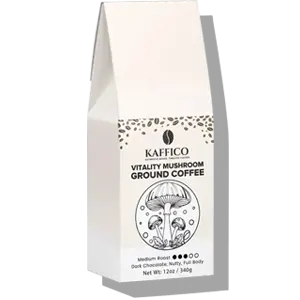


Supports Energy and Focus*

No Artificial Flavors*

Premium Arabica Coffee Beans*

Rich in Aroma & Quality*
- Form: Powder
- Quantity: 340 Grams
- Dosage: Start With Two Level Tablespoons Per Six Ounces of Water and Adjust to Taste
- Ingredients: 90% Roasted Arabica Coffee, 5% Organic Lion’s Mane Powder, 5% Organic Chaga Mushroom Powder
- Usage: Support Steady Energy and Mental Clarity, Support Overall Wellness
- Safety: Allergen Free, Vegan Friendly, Hormone Free, Non GMO
- Return Policy: 30 Days*
- Company Info: 4502 Riverstone Building, Suite 1102 #C, Missouri City, Texas, 77459, USA,contact@kaffico.com, +1-(800)-986-9321

Tastes More Like Coffee Than Mushrooms

“I wanted to try mushroom coffee but was worried that it would taste too earthy. Kaffico Vitality was easy to prepare with my usual coffee setup, and the flavor was much closer to regular coffee than I expected. I noticed smooth chocolate and cocoa notes without a strong mushroom taste. I also liked that it fit easily into my morning routine and felt gentler on my stomach than some coffees I had used before.” – Lucy

The formula contains 90% roasted Arabica coffee, 5% organic Lion’s Mane powder, and 5% organic Chaga mushroom powder. Lion’s Mane has been studied for its possible effects on cognitive function.
A PubMed study reported improvements in some cognitive measures after participants used a specific Lion’s Mane supplement for 12 weeks.However, the study did not test Kaffico Vitality Mushroom Coffee, so it cannot confirm that this coffee will provide the same results. The product is also not a single-origin Brazilian coffee because its Arabica comes from both Brazil and Mexico. Each 12-ounce bag contains 34 listed servings, with a serving size of one tablespoon or 10 grams. The coffee can be prepared using drip, pour-over, French press, AeroPress, espresso, Moka pot, or cold brew methods. Kaffico lists the one-time price at $47, with lower prices available through subscription orders. The official website also lists the blend as vegan, gluten-free, Non-GMO, lactose-free, and Halal certified.

Café Orfeu Classic | Top Brazilian Coffee Beans
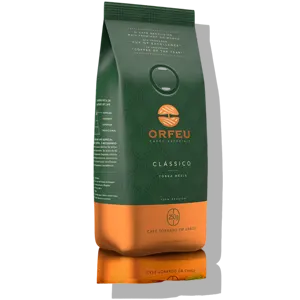

- Form: Whole Beans
- Quantity: 250 Grams
- Dosage: For Drip and French Press Coffee, Add 10-12g of Coffee for Every 100ml of Water. For Espresso, Add 8-10g of Coffee for Every 40ml of Water
- Ingredients: 100% Arabica Coffee
- Flavor: Caramel, Chocolate, Nuts, Brown Sugar and Fruit
- Usage: Offers a Well-balanced Acidity That Enhances the Overall Drinking Experience
- Safety: USDA Certified
- Return Policy: 7 Days*
- Company Info: atendimento@cafeorfeu.com.br ,+1-(11)-5184-3564
Smooth and Balanced for Everyday Coffee

“I really enjoyed how smooth and balanced this coffee tasted. The caramel notes and natural sweetness came through nicely, while the medium roast worked well with my usual pour-over setup. It had a soft, velvety body and a pleasant acidity that kept the cup from feeling too heavy. I also noticed some light fruity notes as it cooled, which made the flavor more interesting and easy to enjoy as part of my morning coffee routine.” – Thom B.
A PubMed study on Brazilian specialty Arabica coffees from Minas Gerais found that geographical origin and post-harvest processing can influence chemical composition and sensory quality.However, the study did not test Café Orfeu Classic itself, so it should be viewed as general research rather than evidence for this finished coffee.
Orfeu also provides preparation guidance for whole beans, recommending grinding just before brewing and using about 7–10 grams of coffee for every 100 ml of filtered or mineral water. For buyers who prefer a simple 100% Brazilian Arabica without added flavors or functional ingredients, Café Orfeu Classic keeps the focus on origin, roast, and everyday brewing.

Nossa Familia Teodoro’s Italian Roast | Best Brazilian Whole Bean Coffee
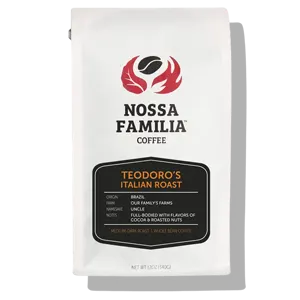
- Form: Whole Beans
- Quantity: 250 Grams
- Dosage: Enjoy a Dark Coffee Beans Whole That’s as Unique as Your Preferences
- Ingredients:Medium Roast Coffee
- Flavor: Cocoa, Roasted Nuts
- Usage: Provide a Consistent, Balanced Taste Experience With Every Brew
- Safety: Soy Free, Biodegradable Bags
- Return Policy: 30 Days*
- Company Info: 3530 NW St Helens Rd, Portland, OR 97210,hello@nossacoffee.com
My Favorite Coffee!
“I make a cup or two of Teodoro’s every morning. It’s my favorite coffee. And now that I have a subscription, I never run out!” – Laurel Swift
The coffee is available as whole bean or ground and is suited to common methods such as drip coffee and press pot. Nossa Familia currently lists the 12-ounce bag at $18.
Post-harvest processing can influence how Arabica coffee develops in the cup.
A PubMed study on Arabica coffee genotypes from Minas Gerais found that processing method influenced sensory characteristics, including sweetness, aroma, flavor, and aftertaste.However, the study did not test Teodoro’s Italian Roast itself, so it should be viewed as general processing research rather than evidence for this finished coffee.
For buyers who prefer a deeper Brazilian roast with cocoa, nutty, and caramel-like notes, Teodoro’s offers a straightforward option with clearly stated regional sourcing and preparation details.

Volcanica Brazil Peaberry Coffee | Best Rated Brazilian Coffee
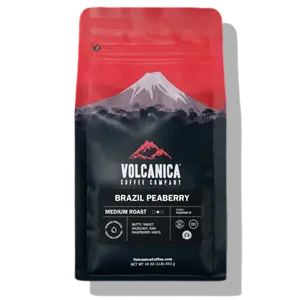
- Form: Whole Beans
- Quantity: 453 Grams
- Dosage: Use 2 Tablespoons Per 6 Oz
- Flavor: Nutty, Sweet Hazelnut With Hints of Raspberry
- Ingredients: 100% Arabica Gourmet Coffee, Whole Bean
- Usage: Lower Acidity
- Safety: Kosher Certified, Gluten Free, Vegan Friendly
- Return Policy: 30 Days*
- Company Info: Volcanica Coffee Company, 4110 Tench Road, Suite H, Suwanee, GA 30024,support@volcanicacoffee.com,+1-877-454-7031
Smooth With a Nutty, Fruity Finish
“I liked how smooth this coffee tasted, with the hazelnut and nutty notes coming through first and a light raspberry touch in the finish. The medium roast felt balanced, and the rich body made it satisfying without tasting too heavy. I also found it easy to brew as part of my usual morning routine.” – Rachel W.
A PubMed study comparing peaberry and regular Arabica coffee beans found differences in their physical characteristics and identified gene-expression patterns associated with peaberry bean development.However, the study did not test Volcanica Brazil Peaberry Coffee or establish that peaberry beans necessarily produce better flavor, so it should be viewed as general research on this bean type rather than evidence for the finished coffee.
Volcanica identifies the product as single-origin and lists it as Rainforest Alliance Certified and Kosher Certified. The official page also gives a pH of 5.2 and describes it as a lower-acid coffee. For buyers who want to explore Brazilian peaberry coffee in a familiar medium-roast format, it offers a clear alternative to standard Brazilian beans.

Black Tucano Honey Coffee | Best Tasting Brazilian Coffee
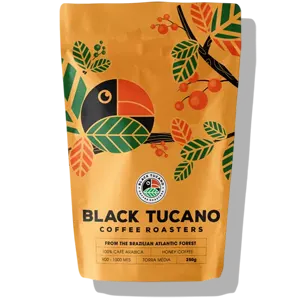
- Form: Whole Beans
- Quantity: 250 Grams
- Dosage: French Press, Paper Filter, V60, or Italian Coffee Maker
- Flavor: Honey, Apricot and Caramel
- Ingredients: Coffee Bean, Honey
- Usage: Ensure Freshness and Intensity
- Safety: Medium Roast, Whole Bean
- Return Policy: 7 Days*
- Company Info: Francisco Stockl Highway, Km 7.5, Warehouse 10,
Marechal Floriano, Espírito Santo, 29259-000 Brazil, contato@blacktucanocoffee.com ,+1-(27)-3288-3290
A Brazilian Favorite
“The remarkable smoothness of this coffee is something to appreciate. If you think a smooth coffee means a lack of flavor, you probably haven’t tried a high-quality coffee yet. It has a subtle bitterness, like a pleasant note that gives it a unique character. Its velvety body also resembles the texture of chocolate.
If you’re looking for an option that may help you rely less on sugar in your coffee, Café Tucano Honey is an excellent choice. It can win over your palate and change the way you enjoy this much-loved drink.” – @gordodocafe
Black Tucano describes the cup as having a velvety body, medium and rounded acidity, and notes of cane molasses, honey, and raspberry. The 250-gram whole-bean bag is currently listed at R$39.90 on the official website.
The honey process is the main feature that sets this coffee apart from the other Brazilian options in the lineup.
A PubMed study published in 2026 found that changes in mucilage retention and fermentation conditions can alter the chemical composition and flavor-related compounds of specialty coffee.However, the study did not test Black Tucano Honey Coffee, so it should be viewed as general processing research rather than evidence for this finished product. Black Tucano recommends grinding the beans just before brewing and lists French press, paper filter, V60, and Moka pot among the suggested preparation methods.
How We Choose the Best Brazilian Coffee
Here is what we consider when selecting the best Brazilian coffee for everyday use.
Origin Transparency
We check whether the brand clearly states the country, region, estate, farm, or producer. More detailed sourcing information receives stronger consideration.
Coffee Quality
We review coffee type, bean variety, origin, roast level, and format. Brands that clearly explain where their coffee comes from and how it is produced receive stronger consideration.
Taste and Aroma
We consider stated flavor profile, aroma, acidity, body, roast, and finish. Clear tasting information helps buyers understand what to expect from each coffee.
Processing Method
We check whether the coffee is washed, natural, honey-processed, or prepared using another method. Processing can influence sweetness, acidity, body, and overall flavor.
Preparation
We check whether the product is whole bean or ground. We also consider brewing flexibility and compatibility with common methods such as drip, pour-over, French press, or espresso.
Sourcing and Certifications
We look for information on farm sourcing, traceability, sustainability programs, and certifications. Clear sourcing details make it easier to understand how the coffee was produced.
Price and Value
We review price, package size, coffee quality, origin transparency, processing, and buying options. We also consider whether the product provides enough information to judge overall value.
How Does Brazilian Coffee Work?
Brazilian coffee works like regular coffee by providing caffeine, which mainly blocks adenosine receptors in the brain and can help support alertness and attention. The amount of caffeine can vary depending on the bean type, roast level, serving size, and brewing method.
The coffee also contains naturally occurring compounds such as chlorogenic acids, while growing region, processing method, and roasting influence the final cup. Natural, washed, and honey processing can affect sweetness, acidity, and body, while roast level can change how chocolate, nutty, caramel, or roasted notes come through. These factors shape the flavor and drinking experience but do not make Brazilian coffee work differently from coffee grown in other regions.
Potential Benefits of Brazilian Coffee
Brazilian coffee may offer several practical advantages depending on the beans, roast, and preparation method.
- Familiar flavor profiles: Many Brazilian coffees are known for chocolate, caramel, nutty, and naturally sweet notes.
- Caffeine for alertness: Regular caffeinated coffee naturally provides caffeine, which can support wakefulness and attention.
- Single-origin choices: Some products can be traced to specific Brazilian regions, farms, or estates.
- Different processing styles: Natural, washed, and honey-processed coffees provide different ways to explore flavor and body.
- Whole-bean options: Many specialty coffees are available as whole beans for people who prefer grinding fresh.
- Flexible preparation: Brazilian coffee can be used with drip, pour-over, French press, espresso, and other common brewing methods.
These advantages relate mainly to coffee quality, preparation, sourcing, and caffeine. They do not mean that Brazilian coffee provides unique health effects simply because it comes from Brazil.
Who May Consider Brazilian Coffee?
Brazilian coffee may suit regular coffee drinkers who enjoy chocolate, caramel, nutty, sweet, or balanced flavor profiles. It may also appeal to people who want to explore single-origin beans, specialty coffee, or coffees with clearly stated farm and regional sourcing.
It may be less suitable for people who avoid caffeine, prefer decaffeinated coffee, or strongly favor very bright and highly acidic flavor profiles. People who closely monitor caffeine intake should also check serving size and preparation method before making it part of their regular routine.
What to Look for in Brazilian Coffee
Clear Brazilian Origin
Check whether the coffee is entirely sourced from Brazil or includes Brazilian beans as part of a multi-country blend. Clear origin information makes products easier to compare.
Region and Farm Details
Look for details such as Minas Gerais, Cerrado, Sul de Minas, Espírito Santo, or a named estate. More specific sourcing information gives better insight into where the coffee comes from.
Bean Format
Choose whole bean or ground coffee based on how you normally prepare it. Whole beans allow more control over grind size, while ground coffee offers greater convenience.
Roast Level
Check whether the coffee is light, medium, or dark roast. Roast level can influence sweetness, acidity, body, and how strongly chocolate, nutty, or roasted notes come through.
Processing Method
Look for washed, natural, honey, or other processing details when available. A study comparing coffee processing methods found differences in chemical and sensory characteristics, but this does not predict the exact taste of every finished coffee.
Flavor Profile
Review the stated tasting notes, aroma, acidity, and body. These details can help you choose a coffee that better matches your usual preferences.
Price and Availability
Compare bag size, price, buying options, and availability. Some Brazilian specialty coffees come in smaller bags, so package size should be considered alongside the listed price.
Potential Concerns to Consider
Brazilian coffee is easy to fit into a regular routine, but there are a few points worth checking before choosing a bag.
- Origin wording: A product containing Brazilian beans is not necessarily a single-origin Brazilian coffee.
- Caffeine: Amounts vary with bean type, serving size, brewing method, and extraction.
- Flavor expectations: Tasting notes such as chocolate, raspberry, or hazelnut do not mean every drinker will notice those flavors equally.
- Freshness: Roast date and storage can make a large difference to aroma and flavor.
- Price: Specialty and traceable coffees often cost more than standard commercial coffee.
How to Prepare Brazilian Coffee
Brazilian coffee should be prepared according to the bean format, roast level, and brewing directions provided by the brand. Whole beans are usually ground shortly before brewing, while pre-ground coffee can be used directly with the recommended brewing method.
For Kaffico Vitality Mushroom Coffee, the listed serving size is 1 tablespoon or 10 grams. Its brewing guide recommends starting with two level tablespoons per six ounces of water and adjusting to taste. The coffee can be prepared using espresso, Moka pot, AeroPress, pour-over, drip, French press, or cold brew methods.
Use fresh, cold water when brewing and store the coffee in a sealed container away from heat, light, and moisture. Grind size and coffee-to-water ratio can be adjusted depending on the brewing method and preferred strength.
Is Brazilian Coffee Safe?
For most healthy adults who already tolerate coffee, Brazilian coffee can fit into a normal diet. Safety mainly depends on caffeine intake, serving size, brewing method, and individual tolerance.
Too much caffeine may cause jitters, sleep problems, increased heart rate, nausea, or digestive discomfort. Caffeine content can also vary between coffees depending on the bean, roast, serving size, and preparation method.
People who are pregnant or breastfeeding, take prescription medications, have certain health conditions, or are sensitive to caffeine should consider their total daily intake and check with a healthcare professional when appropriate.
Product Comparison
To help you decide, here is a brief comparison of our best brazilian specialty coffee:
 Kaffico Vitality Mushroom Coffee |
Café Orfeu Classic | Nossa Familia Teodoro’s Italian Roast | Volcanica Brazil Peaberry Coffee | Black Tucano Honey Coffee | |
|---|---|---|---|---|---|
| Rating |  |
 |
|
 |
|
| Cost | $47.00 | $19.90 | $18.00 | $24.99 | $19.99 |
| Dosage | Start With Two Level Tablespoons Per Six Ounces of Water and Adjust to Taste | For Drip and French Press Coffee, Add 10-12g of Coffee for Every 100ml of Water. For Espresso, Add 8-10g of Coffee for Every 40ml of Water | Enjoy a Dark Coffee Beans Whole That’s as Unique as Your Preferences | Use 2 Tablespoons Per 6 Oz | French Press, Paper Filter, V60, or Italian Coffee Maker |
| Usage | Support Steady Energy and Mental Clarity, Support Overall Wellness | Offers a Well-balanced Acidity That Enhances the Overall Drinking Experience | Provide a Consistent, Balanced Taste Experience With Every Brew | Lower Acidity | Ensure Freshness and Intensity |
| Return Policy | 30-Days* | 7-Days* | 30-Days* | 30-Days* | 7-Days* |
| Pros | Allergen Free, Vegan Friendly, Hormone Free, Non GMO | USDA Certified | Soy Free, Biodegradable Bags | Kosher Certified, Gluten Free, Vegan Friendly | Medium Roast, Whole Bean |
| Review | Best Organic Brazilian Coffee | Highly Recommended | Good Brazilian Coffee Beans | Best Brand of Brazilian Coffee | Best Brazilian Coffee Company |
| Shop Now |
Frequently Asked Questions:
Q. What is the best Brazilian coffee?
Q. Is Kaffico Vitality Mushroom Coffee 100% Brazilian coffee?
Q. What does Brazilian coffee usually taste like?
Q. Is Café Orfeu Classic from Brazil?
Q. Does honey-processed coffee contain honey?
Conclusion
Kaffico Vitality Mushroom Coffee is our current top pick for people who want Brazilian Arabica with Lion’s Mane and Chaga without moving too far from a familiar brewed coffee routine. Its strongest points are the clear 90% Arabica coffee, 5% Lion’s Mane, and 5% Chaga formula, medium-roast profile, flexible brewing format, and detailed origin and flavor information.
The right Brazilian coffee ultimately depends on origin, roast preference, processing method, flavor profile, brewing style, and budget.
It is also worth checking sourcing details and preparation needs before deciding which coffee best fits your daily routine.
Was this article helpful?




5 Sources
We review published medical research in respected scientific journals to arrive at our conclusions about a product or health topic. This ensures the highest standard of scientific accuracy.
[1] Improvement of Cognitive Functions by Oral Intake of Hericium erinaceus — https://pubmed.ncbi.nlm.nih.gov/31413233/[2] Effects of Geographical Origin and Post-Harvesting Processing on the Bioactive Compounds and Sensory Quality of Brazilian Specialty Coffee Beans — https://pubmed.ncbi.nlm.nih.gov/38729720/
[3] Effects of Different Processing Methods on the Sensory Quality of Arabica Coffee Genotypes — https://pubmed.ncbi.nlm.nih.gov/35661162/
[4] Comparative Analysis of Peaberry and Regular Arabica Coffee Beans — https://pubmed.ncbi.nlm.nih.gov/36849914/
[5] Influence of Post-Harvest Treatments on Chemical Composition, Physicochemical, Microstructural, and Thermal Properties of Green Specialty Coffee Beans — https://pubmed.ncbi.nlm.nih.gov/41785744/
**This is a subjective assessment based on the strength of the available informations and our estimation of efficacy.
*Result may vary. If you are pregnant, nursing, have a serious medical condition, or have a history of heart conditions we suggest consulting with a physician before using any supplement. The information contained in this website is provided for general informational purposes only. It is not intended to diagnose, treat, cure, or prevent any disease and should not be relied upon as a medical advice. Always consult your doctor before using any supplements.
Disclosure of Material connection: Some of the links in the post above are "associate sales links." This means if you can click on the link and purchase an item, we will receive a commission. Regardless, we only recommend products or services which we use personally and/or believe will add value to our readers. We are disclosing this in accordance with the Federal Trade Commission's 16 CFR, Part 255: "Guides Concerning the Use of Endorsements and Testimonials."





 This article changed my life!
 This article was informative.
 I have a medical question.
 This article contains incorrect information.
 This article doesn’t have the information I’m looking for.