Medically Cited
Iron deficiency anemia is one of the most common nutritional deficiencies worldwide, affecting people of every age, though certain groups face a higher risk than others.

It develops when the body doesn’t have enough iron to produce healthy hemoglobin, the protein inside red blood cells that carries oxygen to your tissues and organs.
Without enough hemoglobin, red blood cells struggle to function, and your body starts to feel it in ways that are easy to dismiss as ordinary tiredness or stress. Left unaddressed, the condition can progress beyond fatigue, straining the heart and slowing growth in children.
The encouraging part is that, once properly diagnosed, iron deficiency anemia is also one of the easiest blood conditions to treat effectively.
Key Takeaways
- Iron deficiency anemia happens when the body lacks enough iron to make healthy hemoglobin.
- Main causes: blood loss, low dietary iron, poor absorption, and pregnancy.
- Common signs: fatigue, weakness, pale skin, and shortness of breath.
- Diagnosed through blood tests for hemoglobin, ferritin, and iron levels.
- Treated with iron supplements, dietary changes, and fixing the root cause.
- Most cases improve within weeks to months with proper treatment.
What Is Iron Deficiency Anemia?
Iron deficiency anemia is a condition in which the blood does not have enough healthy red blood cells to carry oxygen efficiently through the body.
It develops specifically because the body lacks sufficient iron, the mineral your bone marrow needs to manufacture hemoglobin, the oxygen-binding protein inside every red blood cell.
Without adequate iron, the body cannot produce enough hemoglobin, and the red blood cells it does make often end up smaller and paler than normal, carrying less oxygen with each trip through the bloodstream.
This is why iron deficiency anemia is considered the most common form of anemia worldwide, since iron sits at the center of how your body builds and fuels its oxygen-carrying cells.
What Causes Iron Deficiency Anemia?
There are a number of causes for iron deficiency anemia, many of which may be present simultaneously. The most typical cause of chronic blood loss is heavy menstrual periods or slow blood loss from the inside due to an ulcer, polyp or colorectal cancer. Frequent use of aspirin or NSAIDs can also cause gradual blood loss in the gut.
Low dietary iron intake is another significant source and is particularly important for anyone who does not consume a lot of meat or is vegetarian or vegan without modifying intake.
Some people also have low iron absorption, regardless of their iron intake, which is associated with certain gluten-related diseases, H. pylori infection and gastric bypass surgery, all of which can lead to trouble absorbing iron in the small intestine.
The body has other iron demands that surpass nutrient supply from diet during certain life stages. The most obvious example is pregnancy, when the developing fetus uses a lot of iron from the mother.
This is also problematic for infants and for children as they grow, since they require additional iron for their rapid growth.
Common Symptoms of Iron Deficiency Anemia
Fatigue and weakness are usually the first symptoms people notice, since lower hemoglobin means less oxygen reaching muscles and tissues, leaving the body running on empty even after a full night’s sleep.

Common symptoms of iron deficiency anemia
Many people initially link this to stress or a busy schedule rather than a blood condition.
As the deficiency progresses, more visible signs tend to appear. Skin may look unusually pale, especially around the face, lips, and inner eyelids, since reduced hemoglobin affects the reddish tint blood normally gives the skin.
Dizziness, lightheadedness, and shortness of breath during everyday activities like climbing stairs are also common, as the heart works harder to circulate oxygen-poor blood.
Other signs can include brittle nails, cold hands and feet, and noticeable hair thinning or loss. These symptoms usually build up gradually, so they are easy to overlook until they start interfering with daily life.
How Is Iron Deficiency Anemia Diagnosed?
The first step to diagnosing iron deficiency anemia is to discuss your symptoms, diet, and your menstrual history, along with any prescribed medications you are taking, because these all help your doctor narrow down the causes of iron deficiency anemia.
A physical examination might follow to see if your skin is pale, pulse is fast, or there are other physical indications.
A diagnosis is confirmed by blood tests. Your doctor will usually first conduct a complete blood count (CBC), which will look for the size, color and number of your red blood cells, before relying on a hemoglobin test to see what amount of oxygen-carrying protein is available.
A serum ferritin test will then indicate the level of available iron in your body, and a total iron-binding capacity will tell you the efficiency at which your iron is moved through blood cells.
If your blood test results indicate that there’s been a large amount of blood loss, your doctor might also suggest additional tests, like an endoscopy or colonoscopy, to help find the cause of the loss.
How Is Iron Deficiency Anemia Treated?
Oral iron supplements are the standard first-line treatment, typically taken daily with a bit of vitamin C to improve absorption. The schedule isn’t fixed, though: a large clinical trial comparing daily versus alternate-day dosing in adults found both raised hemoglobin comparably well, giving your doctor room to fit your tolerance and routine. That helps, since iron supplements can cause stomach upset or dark stools.
Follow-up blood tests after a few weeks check whether hemoglobin and ferritin are rising, and supplementation continues for months to rebuild iron stores. When it isn’t tolerated or absorbed well, doctors may step up to IV iron or, rarely, a transfusion.
Treatment doesn’t stop at supplementation, though. Your doctor will also address the underlying cause, whether that means treating heavy periods, managing a GI condition, or adjusting your diet. Skip this step, and the anemia is likely to return.
Best Iron-Rich Foods
Iron comes in two forms, and knowing the difference can help you build a more effective diet. Heme iron, found in red meat, poultry, seafood, and liver, is the form your body absorbs most easily. Non-heme iron comes from plant sources like beans, lentils, spinach, tofu, nuts, and fortified cereals, but it is absorbed less efficiently on its own.
Pairing iron-rich foods with vitamin C, such as citrus fruits, bell peppers, or tomatoes, can meaningfully boost how much non-heme iron your body actually absorbs.
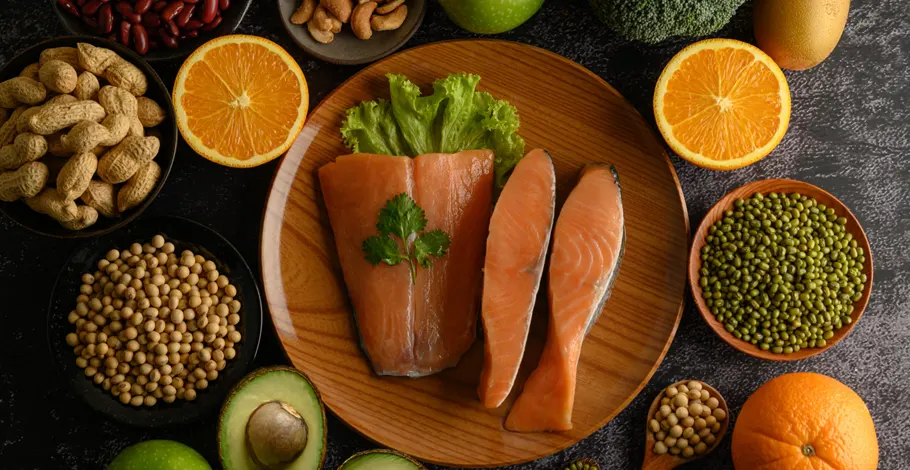
Iron-rich foods
A classic study on dietary iron absorption found that adding vitamin C to a meal significantly increased non-heme iron uptake, with roughly 50 mg of vitamin C per meal producing the optimal effect.
On the flip side, coffee, tea, and calcium-rich foods can interfere with absorption if eaten too close to an iron-rich meal, so it helps to space them out.
How Can You Prevent Iron Deficiency Anemia?
Prevention begins by eating enough iron-rich foods each day, either from meat, fortified grain or with planned complementary foods and vitamin C. This is sufficient in itself to maintain the iron balance of most individuals.
Attention to unusual blood loss also is important. Unusually heavy periods or persistent digestive problems, such as dark stools, should not be ignored as they may represent a cause for chronic blood loss that should be investigated early.
Some individuals can benefit from routine testing even in the absence of symptoms, such as pregnant women, young children, frequent blood donors and individuals with GI conditions that lead to poor absorption.
When low iron levels are detected during a simple blood test prior to the onset of symptoms, treatment is faster and easier.
When Should You See a Doctor?
Mild fatigue can often wait for a routine appointment, but certain symptoms call for prompt medical attention. See your doctor if fatigue and weakness persist despite adequate rest or if you notice ongoing paleness, brittle nails, or unexplained hair loss.
Some signs need urgent evaluation. Chest pain, a rapid or irregular heartbeat, fainting, or severe shortness of breath can point to more advanced anemia straining the heart.
Blood in your stool or vomit, or unusually heavy menstrual bleeding, should also be checked right away, since these can signal significant ongoing blood loss.
Conclusion
Iron deficiency anemia is common but is also one of the most easily managed blood conditions when recognized. Early symptoms such as fatigue, paleness, or shortness of breath and adherence to proper blood work make diagnosis easy.
This is the point where treatment is generally straightforward and easy. Most people recover to normal energy levels and other health benefits within months of a combination of iron supplements, dietary modifications and treatment of the underlying cause, particularly if it is identified early.
Frequently Asked Questions
How long does it take to recover from iron deficiency anemia?
Most people feel better within a few weeks of starting iron supplements, though it usually takes three to six months of consistent treatment to fully rebuild iron stores.
What are the side effects of iron supplements?
Common side effects include constipation, stomach upset, and dark stools. Taking supplements with food, or switching to a different form of iron, often helps.
Can diet alone fix iron deficiency anemia?
Diet changes can help with mild cases, but most people with confirmed anemia need supplements alongside better eating habits to recover in a reasonable timeframe.
Can iron deficiency anemia come back after treatment?
Yes, especially if the underlying cause, like heavy periods or a GI condition, is not addressed. Follow-up blood tests help catch a relapse early.
Was this article helpful?
2 Sources
We review published medical research in respected scientific journals to arrive at our conclusions about a product or health topic. This ensures the highest standard of scientific accuracy.
[2] Alternate Day versus Daily Oral Iron for Treatment of Iron Deficiency Anemia: A Randomized Controlled Trial — Scientific Reports: https://www.nature.com/articles/s41598-023-29034-9











 This article changed my life!
 This article was informative.
 I have a medical question.
 This article contains incorrect information.
 This article doesn’t have the information I’m looking for.