Medically Cited
Introduction
The menstrual cycle is a vital component of women’s health, which is an essential component of general well-being. The reproductive system and general health of a woman are significantly impacted by this natural process. A woman’s body goes through an amazing journey every month called the menstrual cycle, which serves as both a sign of her general health and a preparation for potential conception.
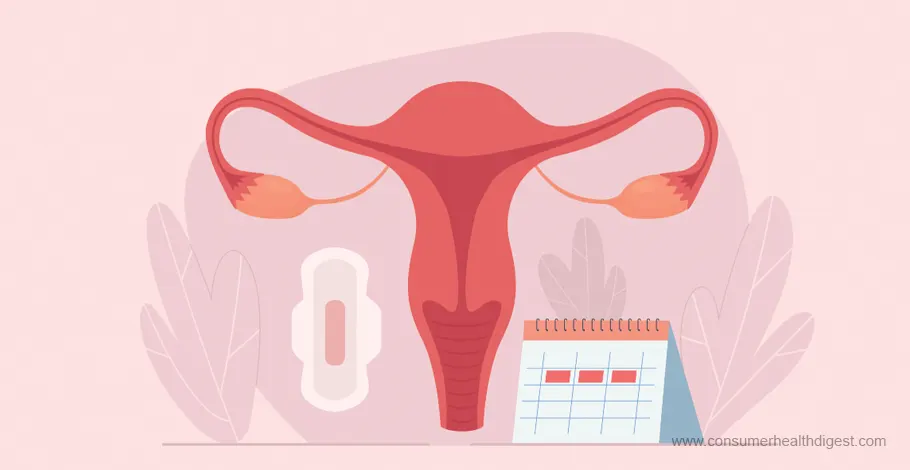
This article will focus on the Menstrual Cycle‘s phases, the hormones that play a role in them, and the cultural and societal views that surround this normal occurrence. It seeks to give readers a thorough awareness of this essential facet of a woman’s life, enabling them to make more informed and inclusive decisions about menstrual health[1].
Menstrual Health
A woman’s body gets ready for a possible pregnancy through the monthly menstrual cycle. Hormonal fluctuations that control the growth and shedding of the uterine lining are involved. The body undergoes several complex changes during this cycle, which are controlled by the careful interaction of hormones.
For women to keep an eye on their reproductive health, spot possible problems, and make educated decisions about their bodies, they must comprehend the menstrual cycle. Women who are aware of the patterns in their cycles can learn a great deal about their general health, fertility, and other underlying issues.
The Phases of the Menstrual Cycle
A. Menstrual Phase
The uterine lining sheds during menstruation, causing bleeding that usually lasts for three to seven days. A fresh menstrual cycle begins at this time. The body lets go of the uterine lining that had grown during the previous cycle in anticipation of a possible pregnancy.
Symptoms including weariness, mood swings, and cramping are typical. Menstruation is associated with many myths, such as the idea that it should be concealed or that women are “impure” during this time. On the other hand, menstruation is a normal and healthy process that ought to be acknowledged rather than demonized[2].
B. Follicular Phase
The follicular phase, which starts after menstruation, is when the ovaries get ready to release an egg. Follicle growth in the ovaries is stimulated by hormones such as follicle-stimulating hormone (FSH) and estrogen. The ovaries start to produce follicles during this period, and the uterine lining gradually thickens in preparation for ovulation.
After this stage, a developed egg that is prepared for possible fertilization is released from the ovary, a process known as ovulation. Because there is a short window of time during which the released egg can be fertilized, this is an important stage in the menstrual cycle[3].
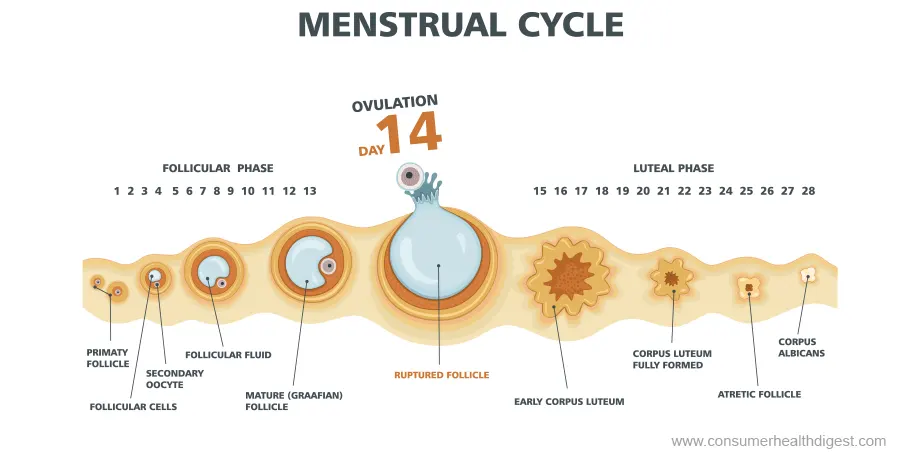
Phases of the Menstrual Cycle
C. Luteal Phase
The luteal phase, which follows ovulation, is when the burst follicle becomes the corpus luteum, a tissue that secretes progesterone. This hormone aids in lining the uterus in preparation for a possible pregnancy. The corpus luteum continues to generate progesterone in the event of fertilization, which aids in the embryo’s implantation and early development[4].
If pregnancy is not achieved, hormone levels fall, causing the uterine lining to shed and a new menstrual cycle to begin. Bloating, mood swings, and breast discomfort are possible symptoms during this stage. Premenstrual syndrome (PMS) is the term used to describe these symptoms, which might differ in intensity from woman to woman.
Hormonal Influences
A complicated interaction between follicle-stimulating hormone (FSH), progesterone, estrogen, and luteinizing hormone (LH) controls the menstrual cycle. These hormones coordinate the different activities that take place during the cycle by acting as chemical messengers.
Estrogen aids in controlling the menstrual cycle and thickening the uterine lining. It also affects bone health and the development of traits associated with secondary sex. Progesterone controls body temperature and thickens the uterine lining, preparing the uterus for a possible pregnancy. The growth of the follicles in the ovaries and ovulation are controlled by FSH and LH.
Hormonal imbalances can lead to irregular or missed periods, heavy or painful periods, and other menstrual cycle-related issues, which may indicate underlying health conditions. Conditions like polycystic ovary syndrome (PCOS), thyroid disorders, and endometriosis can all impact hormonal levels and disrupt the normal menstrual cycle[5].
Managing Menstrual Cycle
Monitoring a woman’s menstrual cycle might reveal important details about her general health and fertility. Women can spot patterns and possible anomalies in their cycles by keeping an eye on the duration, flow, and related symptoms. Unusual bleeding patterns or irregular periods could indicate serious problems that need to be checked by a doctor.
Several diseases can be indicated by irregular menstruation, including endometriosis, polycystic ovarian syndrome (PCOS), and uterine fibroids. It is critical to address any worrying symptoms as these illnesses can have a substantial influence on a woman’s reproductive health and general well-being.
Recurring menstrual cycles and general well-being can be supported by leading a healthy lifestyle that includes frequent exercise, a balanced diet, and stress reduction. Hormonal imbalances and irregular menstruation can be caused by several factors, including inadequate diet, high levels of stress, and sleep deprivation.
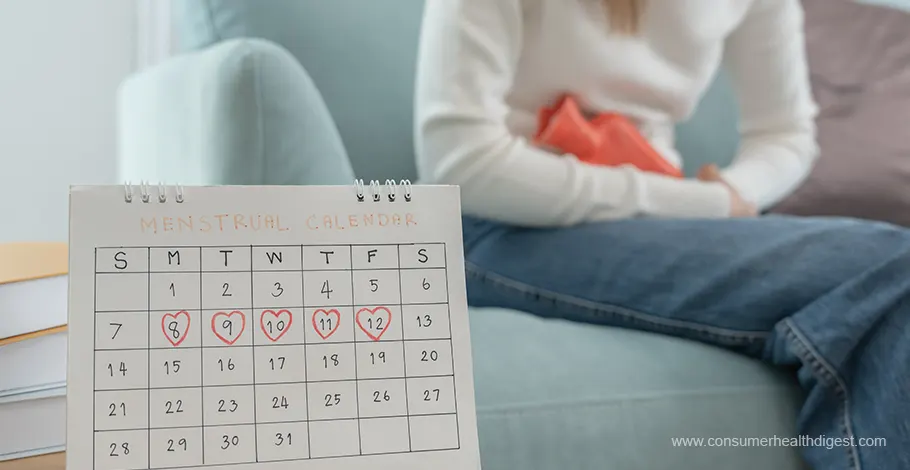
Managing Menstrual Cycle
Cultural and Social Perspectives
- Menstruation has historically been associated with stigma and taboos in many cultures, where it is frequently seen as “unclean” or shameful. These unfavorable views have impeded candid conversations about menstruation health and spread false information.
- Menstruation is becoming less of a taboo topic as attempts to mainstream and de-stigmatize this common occurrence grow. In many areas, stigma and misconceptions about menstruation still exist, which hinders access to healthcare, education, and menstruation supplies.
- To foster greater awareness, dispel stigma, and enable women to take charge of their period health, menstrual cleanliness, and education are essential. Women can be empowered to regulate their cycles with dignity and confidence if they have access to reliable information, reasonably priced menstruation supplies, and encouraging environments.
Conclusion
An intricate and intriguing process, the menstrual cycle is essential to a woman’s reproductive and general health. Through comprehension of the stages, hormonal impacts, and societal viewpoints related to menstruation, women can enhance their body awareness and make knowledgeable choices regarding their health.
To dispel stigmas and advance general wellness, it is important to accept menstrual health as a normal and empowering part of womanhood. Through enhanced education, transparent communication, and encouraging surroundings, women can effectively manage their monthly trips with self-assurance, awareness, and self-nurturing.
In the end, accepting the menstrual cycle’s importance and seeing it as a potent health indicator is a monument to the toughness and tenacity of the female body.
Was this article helpful?
5 Sources
We review published medical research in respected scientific journals to arrive at our conclusions about a product or health topic. This ensures the highest standard of scientific accuracy.
[2] 7 alarming myths about periods we have to end now : https://www.unicef.org/rosa/stories/7-alarming-myths-about-periods-we-have-end-now
[3] Follicular Phase : https://my.clevelandclinic.org/health/body/23953-follicular-phase
[4] The Normal Menstrual Cycle and the Control of Ovulation : https://www.ncbi.nlm.nih.gov/books/NBK279054/
[5] Menstrual Cycle Hormonal Changes and Energy Substrate Metabolism in Exercising Women: A Perspective : https://www.ncbi.nlm.nih.gov/pmc/articles/PMC8508274/




 This article changed my life!
 This article was informative.
 I have a medical question.
 This article contains incorrect information.
 This article doesn’t have the information I’m looking for.