Medically Cited
Hypertension, or high blood pressure, occurs when blood pressure remains elevated over a period of time. It may not show any obvious symptoms, so it is vital to have regular blood pressure checks. These can be due to age, family history, lifestyle factors, other medical conditions, and some medications.
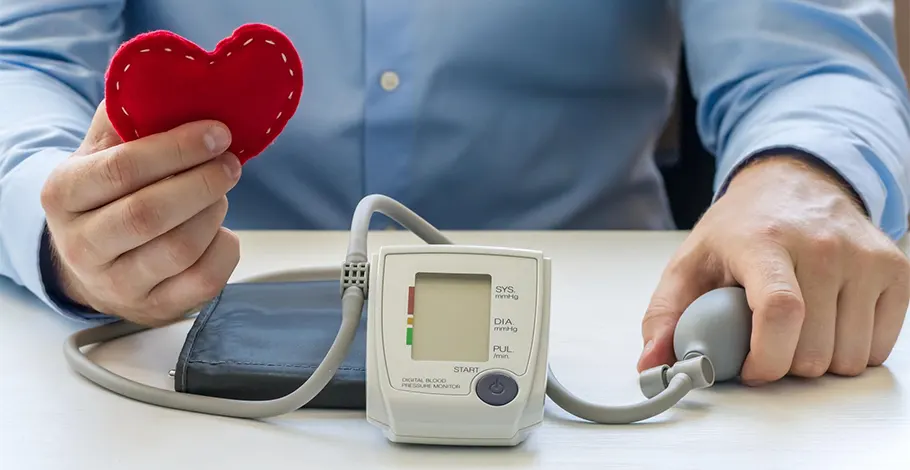
Every time your heart beats, it pushes blood through your arteries, and that creates pressure against the artery walls. When this pressure stays high, the heart and blood vessels may have to work harder than usual.
One high reading doesn’t mean much on its own — pain, caffeine, a stressful morning, even the anxiety of being at a doctor’s office can push the numbers up temporarily.
Over time, unmanaged hypertension may place extra strain on the heart, brain, kidneys, eyes, and blood vessels. This article explains what high blood pressure is, what may cause it, common risk factors, possible warning signs, and when to speak with a healthcare provider.
Key Takeaways
- High blood pressure often has no obvious symptoms.
- If it is consistent, a reading of 130/80 mm Hg or above is considered high.
- Primary hypertension typically develops over time and may not be caused by a single factor.
- Secondary hypertension is associated with another health condition, medication, or underlying condition.
- Blood pressure can be controlled with regular monitoring, healthy lifestyle choices and medical treatment.
What Is High Blood Pressure?
High blood pressure is a chronic condition where pressure inside the arteries remains elevated. Blood pressure is measured with two numbers. The top number, called systolic pressure, measures pressure when the heart beats. The bottom number, called diastolic pressure, measures pressure when the heart rests between beats.
A reading is written as systolic over diastolic, such as 120/80 mm Hg. Because blood pressure changes during the day, one high reading does not always mean you have hypertension. Healthcare providers usually look at repeated readings and your overall health history before making a diagnosis.
What causes it
In most cases there’s no smoking gun. It takes its course slowly, and doctors refer to it as primary (or essential) hypertension, because it is influenced by a mix of factors: age, genetics, diet, weight, stress, and the gradual thickening of blood vessels that occurs as people get older.
But sometimes, there is an obvious reason. Secondary hypertension may be associated with other medical conditions such as kidney disease, thyroid or adrenal problems, sleep apnea, pregnancy-related complications, some medications and excessive alcohol or drug use. Address the cause of the problem, and blood pressure sometimes returns to normal.
Risk Factors for High Blood Pressure
A handful of habits and conditions show up again and again in the research on hypertension risk.
- Smoking: Smoking may temporarily raise blood pressure and can affect blood vessel health over time.
- Being overweight or obese: Extra body weight may increase strain on the heart and is often linked with other health risks.
- Lack of physical activity: A sedentary routine may raise the risk of hypertension. Regular movement, even walking, can support heart health.
- Too much sodium: Many packaged and restaurant foods are high in sodium. For some people, a high-sodium diet may contribute to higher blood pressure.
- Diet high in saturated and trans fats: A heart-supportive diet usually includes more fruits, vegetables, whole grains, beans, nuts, seeds, fish, and unsaturated fats.
- Too much alcohol: Heavy drinking may raise blood pressure. People with hypertension should ask their provider what amount, if any, is safe.
- Age: Blood pressure risk often increases with age as blood vessels become less flexible.
- Family history: Having close relatives with hypertension may increase your risk, but it does not mean high blood pressure is guaranteed.
- Stress: Long-term stress may affect blood pressure and may also lead to habits that make blood pressure harder to manage.
- Medical conditions: Diabetes, kidney disease, thyroid disorders, adrenal problems, and sleep apnea may contribute to hypertension.
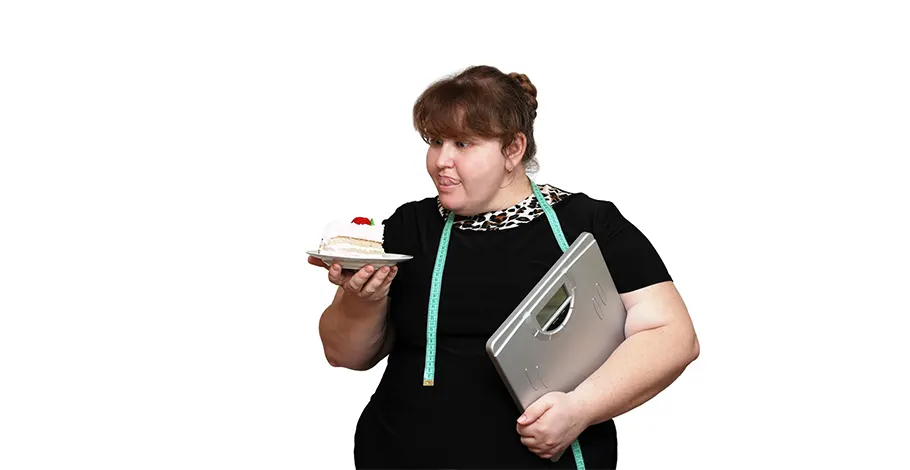
Overweight or obese
Signs and Symptoms of High Blood Pressure
High blood pressure is often called a “silent” condition because most people do not feel symptoms. This is why routine checks are important.
Some symptoms may appear when blood pressure is very high or when complications are developing, but they are not reliable signs of ordinary hypertension. These may include headache, dizziness, blurred vision, nausea, chest pain, shortness of breath, or nosebleeds.
Seek urgent medical care if very high blood pressure comes with chest pain, severe headache, shortness of breath, weakness, confusion, vision changes, difficulty speaking, severe dizziness, or symptoms of stroke.
Why it’s called a “silent” condition
Most individuals who suffer from hypertension feel totally normal. That’s the problem… Sometimes, when blood pressure is extremely high, or when complications begin to occur, people may experience headaches, dizziness, blurring in their vision, nausea, chest pain, shortness of breath or nose bleeding – though these aren’t reliable early warning signs of standard “silent” condition.
Their appearance is delayed and/or infrequent.
A person with high blood pressure who has developed chest pain, a severe headache, difficulty breathing, confusion, trouble speaking or other stroke symptoms is not a “wait and see” case.
How doctors diagnose it
It is measured using a blood pressure monitor, usually a blood pressure cuff in a clinic, pharmacy, or at home with a validated blood pressure cuff. Because so many things can temporarily spike a reading (stress, caffeine, exercise, pain), providers usually want more than one measurement, taken on separate occasions, before making a call.
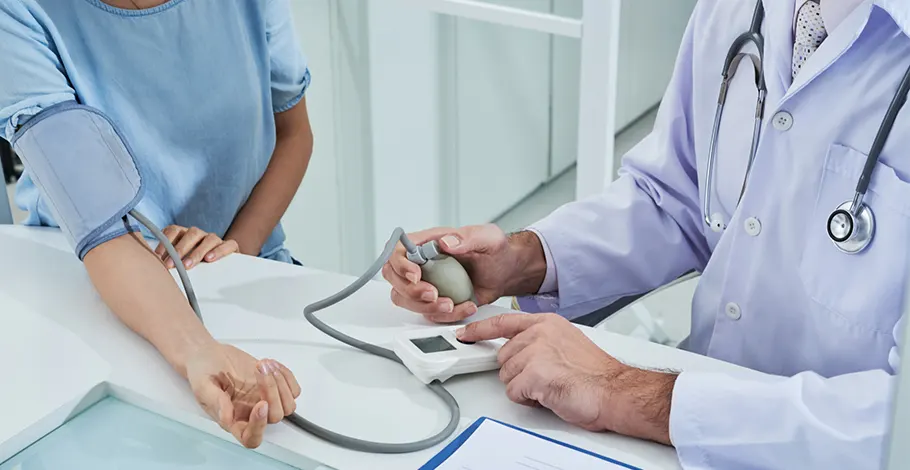
How doctors diagnose it
They will also ask about your family history, medications, sleep, eating habits, alcohol consumption, smoking and activity. If this doesn’t seem to be the case, a blood test, urine test, and/or heart and kidney tests might be performed.
How Can High Blood Pressure Be Managed?
There’s no one-size-fits-all plan — it depends on your numbers, age, health history, and whatever else is going on. For a lot of people, lifestyle changes come first: less sodium, a heart-friendlier diet, more movement, weight management, less alcohol, quitting smoking, better sleep, and finding ways to manage stress that actually work for you. Medication often enters the picture too, and if it’s already part of your routine, don’t stop or adjust it without talking to your provider first.
When Should You See a Doctor?
If you continue to have high readings, have diabetes or kidney disease, or your family history is positive for hypertension, don’t wait for a reason. This is the whole idea of regular checkups, and with all the quietness this condition has, you don’t want to miss something that can be caught early.
If blood pressure reading is over 180/120, sit down, rest for a few minutes and retake reading. If it remains that high, or if you have chest pain, problems breathing, confusion, vision changes, or a severe headache, then it is time for an ER visit, not a “call the doctor Monday” call.
Bottom line
High blood pressure is common, usually quiet, and very manageable once you know your numbers. The only real way to catch it early is to actually check — so if you haven’t had your blood pressure measured in a while, that’s a reasonable place to start. And if your numbers are already high, or you’re not sure what they mean, a conversation with a healthcare provider is the next right step.
Frequently Asked Questions
Can you have high blood pressure without any symptoms?
Yes, and it’s actually the more common experience. Most people with hypertension feel fine. Numbers, not feelings, are what tell the real story.
What’s the main cause?
Usually there isn’t one single cause it’s more often a mix of age, genetics, diet, stress, and how your blood vessels have changed over time.
Do lifestyle changes actually help?
For most people, yes. Less sodium, more movement, less alcohol, no smoking, better stress management these add up, though they work alongside medical guidance rather than replacing it.
Are headaches a warning sign?
Not really, for ordinary hypertension. A severe headache paired with very high readings or other symptoms is different that combination needs urgent attention.
Was this article helpful?
4 Sources
We review published medical research in respected scientific journals to arrive at our conclusions about a product or health topic. This ensures the highest standard of scientific accuracy.
[2] Secondary hypertension - Symptoms & causes - Mayo Clinic: https://www.mayoclinic.org/diseases-conditions/secondary-hypertension/symptoms-causes/syc-20350679
[3]Obesity: The ‘Huge’ Problem in Cardiovascular Diseases - PMC : https://pmc.ncbi.nlm.nih.gov/articles/PMC6179812/
[4]What are the Signs and Symptoms of High Blood Pressure? | American Heart Association : https://www.heart.org/en/health-topics/high-blood-pressure/know-your-risk-factors-for-high-blood-pressure/what-are-the-symptoms-of-high-blood-pressure




 This article changed my life!
 This article was informative.
 I have a medical question.
 This article contains incorrect information.
 This article doesn’t have the information I’m looking for.