Medically Cited
Introduction
Stress has become an inevitable part of our daily lives in the fast-paced world of today. It may originate from several things, including relationships, the workplace, or private matters. Excessive stress can be harmful to our physical and mental health, even while some tension is normal and even inspiring. [1]
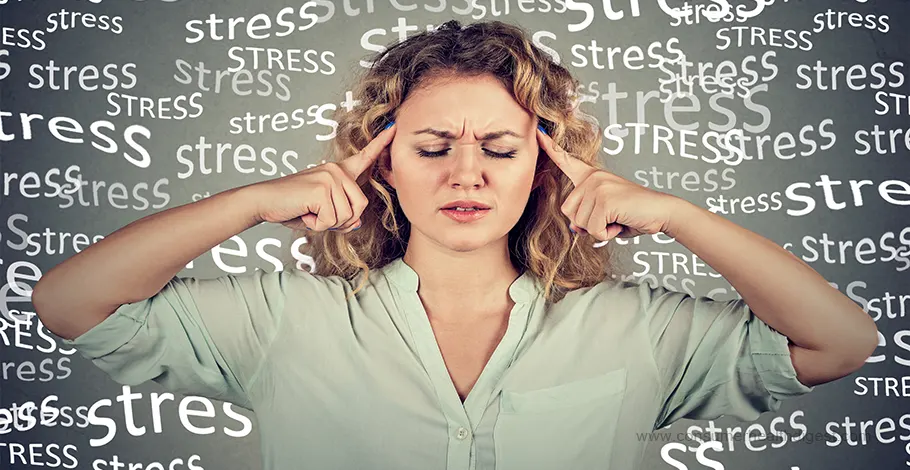
We are aware that stress management can be quite difficult in the fast-paced world of today. It’s simple to feel overwhelmed and confused about where to begin with the abundance of information available. Here Consumer Health Digest’s experts can help. We’re here to cut through the clutter and provide you with the truth about how to prioritize your well-being and effectively reduce stress. [2]
Our best experts have put up their most important stress-reduction techniques and strategies to help you on your path to a more balanced life. These aren’t simply suggestions; they’re time-tested, expert-backed methods to assist you in regaining control and maintaining your physical and emotional well-being.
Tips for Managing Stress In Your Everyday Life
We will cover everything from time management techniques and the value of social support to mindfulness exercises and fitness regimens. We’ll explore the research underlying each strategy and offer doable, realistic actions you may take daily.
Tip 1: Mindfulness and Meditation
Two effective strategies for lowering stress and enhancing general well-being are mindfulness and meditation. Through engaging in mindfulness practices, you can develop a non-judgmental awareness of your thoughts and feelings as well as learn to be present in the moment. Conversely, meditation facilitates mental calmness and relaxation. Experts advise dedicating a short period each day to mindfulness activities, guided meditations, or deep breathing exercises. Even in difficult circumstances, you can acquire clarity and control with the use of these techniques. [3]
Tip 2: Exercise and Physical Activity

Exercise and Physical Activity. Shutterstock Image
Frequent exercise is an effective way to reduce stress and is essential to leading a healthy lifestyle. Exercise improves your emotional and physical wellness in addition to your physical health. Experts recommend doing something you enjoy, including attending a yoga class, going for a quick stroll, or visiting the gym. Exercise helps you better handle stress because it releases endorphins, which are naturally occurring mood enhancers. Exercise can also raise energy levels, improve the quality of sleep, and increase productivity all around. [4]
Tip 3: Healthy Eating Habits

Healthy Eating Habits. Shutterstock Image
The foods you eat have a big impact on your general health and stress levels. A healthy, well-balanced diet high in whole foods—such as fruits, vegetables, lean proteins, and whole grains—is advised by experts. These meals give you vital nutrients that help your body handle stress better. Drinking lots of water to stay hydrated might also help you manage your energy and mood. Limit your consumption of alcohol, caffeine, and processed and sugary meals, as these can aggravate stress and lead to additional health problems. [5]
Tip 4: Time Management and Prioritization
Setting priorities and managing your time well is essential for lowering stress and gaining control over your life. Experts advise making a calendar and establishing reasonable objectives for oneself. Arrange your workload according to priority and urgency, and practice saying “no” to obligations that could become too much for you to handle. To further aid in maintaining organization and focus, think about applying techniques like the “Pomodoro Technique” or making use of productivity applications. Effective time management will reduce your sense of overwhelm and free up time for self-care pursuits. [6]
Tip 5: Social Support and Connection
Having a supportive network and strong social ties can make a big difference in how well you manage stress. When feeling overwhelmed, experts suggest contacting friends, family, or support organizations. You can feel more validated and part of a community when you talk to others about your worries and experiences. Furthermore, taking part in socially interactive activities, like volunteering or joining a club, can support you in developing deep relationships and discovering a purpose that extends beyond your everyday stresses. [7]
Conclusion
Although stress is an inevitable part of life, you don’t have to let it rule you. You may prioritize your general well-being and take charge of your stress levels by putting this professional advice into practice. Recall that stress management is a continuous process, so it’s critical to identify the techniques that are most effective for you. Adopt a comprehensive strategy that includes time management, social support, physical activity, mindfulness, and a healthy diet. Even in the face of everyday obstacles, you may build a more balanced and satisfying life by prioritizing your health.
Disclaimer: The information provided in this article is for general educational purposes only and should not be construed as professional medical advice. Always consult with a qualified healthcare provider regarding any specific health concerns or before making significant changes to your diet, exercise routine, or lifestyle.
Was this article helpful?
7 Sources
We review published medical research in respected scientific journals to arrive at our conclusions about a product or health topic. This ensures the highest standard of scientific accuracy.
[1] Schneiderman N, Ironson G, Siegel SD. Stress and health: psychological, behavioral, and biological determinants. Annu Rev Clin Psychol. 2005;1:607-28. doi: 10.1146/annurev.clinpsy.1.102803.144141. PMID: 17716101; PMCID: PMC2568977.[2] Worthen, Mary and Elizabeth Cash. "StatPearls [Internet]." Stress Management. StatPearls Publishing, 14 Aug. 2023, www.ncbi.nlm.nih.gov/books/NBK513300.
[3] "Mindfulness meditation: A research-proven way to reduce stress." Https://www.apa, 30 Oct. 2019, www.apa.org/topics/mindfulness/meditation.
[4] "Real-Life Benefits of Exercise and Physical Activity." National Institute on Aging, 18 Apr. 2024, www.nia.nih.gov/health/exercise-and-physical-activity/real-life-benefits-exercise-and-physical-activity#:~:text=falls%20prevention.-,Emotional%20benefits%20of%20exercise,-Read%20and%20share.
[5] "Stress and Health." Nutrition Source, 2 Feb. 2023, www.hsph.harvard.edu/nutritionsource/stress-and-health/#:~:text=Healthy%20diet.,prevent%20weight%20gain.
[6] "Stress and Time Management | Sutter Health." 18 Apr. 2024, www.sutterhealth.org/health/young-adults/emotions-mental-health/stress-time-management.
[7] Ozbay F, Johnson DC, Dimoulas E, Morgan CA, Charney D, Southwick S. Social support and resilience to stress: from neurobiology to clinical practice. Psychiatry (Edgmont). 2007 May;4(5):35-40. PMID: 20806028; PMCID: PMC2921311.







 This article changed my life!
 This article was informative.
 I have a medical question.
 This article contains incorrect information.
 This article doesn’t have the information I’m looking for.