Medically Cited
High blood pressure, or hypertension, is a very common health problem in adults. It occurs when the pressure of the blood against the artery walls is too high over time. Although for some people medication may be required, healthy lifestyle habits, particularly eating habits, can have a significant impact on blood pressure.
A healthy diet may be a good way to ensure the body receives more nutrients—including potassium, magnesium, calcium, fibre, and good protein—and fewer sodium, added sugars and unhealthy fats. The aim is not to follow an overly restrictive or complicated diet, but to create a realistic meal plan that promotes heart and general well-being.
In this guide you will learn what high blood pressure is, what foods you should eat, what foods to avoid, and some simple lifestyle tips to help maintain healthy blood pressure levels over time.
What Is High Blood Pressure?
High blood pressure, or hypertension, is when the pressure of blood flowing in your arteries is always high. Your heart circulates blood around your body, and your arteries transport the blood to other organs and tissues. This chronic elevation of blood pressure can add stress to the blood vessels and heart.
One of the difficult aspects of high blood pressure is the fact that it frequently doesn’t possess any obvious symptoms. Some people may not even realize they have it until they get a routine checkup. This is why sometimes called a “silent” condition.
If left untreated, high blood pressure can lead to other health complications in the future such as heart disease, stroke, kidney problems and vision issues. These risks are important to monitor and to make healthy choices on a daily basis.
Luckily, both diet and lifestyle choices can have a real impact. Food, activity, sleep patterns, stress and other activities during the day can all be factors that affect blood pressure.
Track What You Eat
Often people are unaware of the daily eating habits on how many calories or fats, the size of the portions they consume. It is important to write down the daily food intake in order to reduce calories as well as to manage high blood pressure. Tracking of what you eat will not only help control blood pressure but also directing towards a healthy lifestyle.
Best Foods to Eat for High Blood Pressure
Other than keeping track of what you eat, it is also vital to know what to eat by understanding and choosing the correct diet. Mostly fruits and vegetables are high in fibre, potassium, magnesium and lower in salt.
A blood pressure-friendly diet prioritizes whole foods rich in nutrients that promote heart health. Diets high in potassium, magnesium, calcium, fiber and antioxidants can promote healthy blood flow and cardiovascular health. Here are some of the finest foods to add on a regular basis.
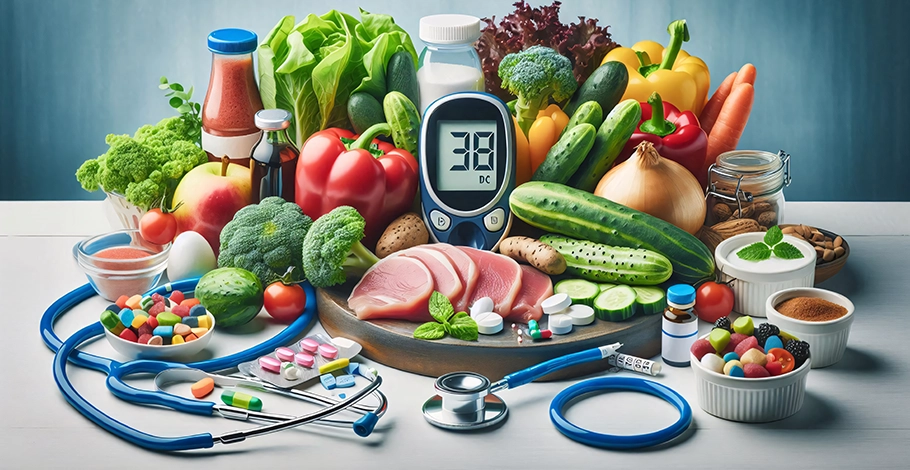
Best Foods to Eat for High Blood Pressure
1. Leafy Green Vegetables
Potassium, magnesium and fibre are abundant in spinach, kale, Swiss chard, collard greens and lettuce. Potassium may help counteract the sodium’s effect in the body and promote better blood pressure. Leafy greens are also low in calories and easy to add to salads, smoothies, soups, and cooked meals. Research published in PMC supports this connection — a review in Metabolites noted that vegetables such as leafy greens are rich in potassium, which may help explain why plant-forward diets are associated with meaningful reductions in blood pressure compared to those higher in animal foods.
2. Berries
Flavonoids are antioxidants found in blueberries, strawberries, raspberries and blackberries that help promote the health of the blood vessels and the cardiovascular system. They also contain fiber and are sweet without the added sugar that is often added to desserts. Add them to oatmeal, yogurt, smoothies, or enjoy them as a snack. A 2024 review in Nutrients found that regular consumption of cherries and berries may help reduce inflammation and oxidative stress, contributing to lower blood pressure and improved endothelial function.
3. Oats
Oats are a heart-healthy whole grain that’s loaded with soluble fiber. This kind of fiber has been found to aid healthy cholesterol, digestion and constant energy. If you are looking for a simple addition to your breakfast, plain oatmeal is an easy choice to add to your meal for a more well-rounded breakfast.
4. Bananas
Known for its potassium content, bananas are a great food for those looking to maintain healthy blood pressure levels. They are easy to have as a part of your breakfast, snacks, inexpensive and convenient. When paired with nuts or yoghurt, a banana is more satisfying and well-balanced.
5. Beans and Lentils
Plant-based protein, fiber, potassium and magnesium are found in beans, lentils, chickpeas and peas. These nutrients promote cardiovascular health and can help keep you feeling satisfied and full. They’re also a great addition to soups, salads, bowls, tacos and stews as a substitute for processed meats.
6. Fatty Fish
Omega-3 fatty acids help keep the heart and blood vessels healthy and are found in salmon, sardines, trout and mackerel. They also contain good quality proteins and essential nutrients such as Vitamin D. For a balanced plate, pair fish with vegetables, whole grains, or a fresh salad instead of salty sauces or fried sides.
A 2022 review noted that omega-3 fatty acids from fish may reduce systolic blood pressure by approximately 3–5 mmHg and diastolic blood pressure by approximately 2–3 mmHg, particularly in older or hypertensive individuals.
7. Low-Fat or Fat-Free Dairy
Low-fat milk, yogurt and kefir are rich in calcium, protein and other heart-healthy nutrients. When possible, opt for unflavoured varieties to steer clear of added sugars. Low-fat milk smoothies or Greek yogurt with berries can make a simple snack that’s good for blood pressure.
8. Nuts and Seeds
Almonds, walnuts, chia, flax and pumpkin seeds are rich in magnesium, fibre, healthy fats and plant protein. These nutrients help support cardiovascular wellness and fullness between meals. Opt for “unsalted” varieties as well to reduce the sodium content, and try eating small portions since nuts and seeds are calorie-dense.
9. Beets
Beets are rich in natural nitrates that the body can transform into nitric oxide, a compound that plays a role in the healthy functioning of the blood vessels. They are also a source of antioxidants, folate, and fiber. Beets can be part of a healthy diet in the form of roasted beets, beet salad or a small glass of beet juice.
A systematic review and meta-analysis published in Advances in Nutrition — covering 22 randomized clinical trials — found that beetroot juice supplementation was associated with significantly lower systolic and diastolic blood pressure, with larger effects seen at higher doses and longer durations.
10. Whole Grains
Brown rice, quinoa, barley, whole wheat bread and whole grain pasta are rich in fiber, minerals and steady energy. Eating whole grains rather than refined grains may promote heart health and make meals more satisfying. Look for “100% whole grain” on labels when buying bread or packaged grain products.
Foods to Avoid with High Blood Pressure
You do not have to avoid every favorite food completely, but limiting certain foods can make blood pressure management easier. The main concerns are excess sodium, added sugar, saturated fat, and highly processed ingredients.
Processed Foods
Packaged meals, canned soups, frozen dinners, instant noodles, and boxed side dishes can be very high in sodium. Too much sodium can cause the body to hold extra fluid, which may increase pressure on blood vessels. Choose low-sodium versions when available and compare nutrition labels before buying.
Fast Foods
Burgers, fries, fried chicken, pizza, and other fast foods often contain high amounts of sodium, saturated fat, and calories. Eating them frequently may make it harder to maintain healthy blood pressure and a healthy weight. If you eat out, choose grilled options, smaller portions, salads, or meals with less sauce.
Processed Meats
Bacon, sausage, hot dogs, ham, deli meats, and cured meats are often high in sodium and saturated fat. These foods can add up quickly, especially when eaten in sandwiches, breakfast plates, or ready-made meals. Lean poultry, fish, beans, lentils, or fresh-cooked meats are better everyday choices.
Sugary Drinks
Soda, sweet tea, energy drinks, flavored coffee drinks, and some bottled juices can contain a lot of added sugar. Regular intake may contribute to excess calorie intake and weight gain, which can affect blood pressure. Water, unsweetened tea, infused water, or sparkling water without added sugar are better options.
High-Sodium Snacks
Chips, salted crackers, pretzels, salted nuts, and packaged snack mixes can be easy to overeat. These snacks may look small, but the sodium content can be high. Choose unsalted nuts, fresh fruit, yogurt, cut vegetables, air-popped popcorn, or low-sodium snack options instead.
Cut Back Your Caffeine
Caffeinated products are also one of the causes to raise high blood pressure for a short period of time. It is essential to limit the caffeine intake at a minimum to two times per day.
Limit Your Alcohol
Too much alcohol will cause a series of complicated health problems. At the same time, a few amount of alcohol can reduce high blood pressure. Track the drinking pattern to limit the alcohol consumption, tapering off if you are a heavy drinker are some of the factors to reduce blood pressure.
Diet Tips For High Blood Pressure
Healthy eating for blood pressure does not have to feel overwhelming. Small, consistent changes often work better than strict rules. The following tips can help you build a more balanced routine.

Tips For High Blood Pressure
Avoiding Salt
Cutting back on sodium is one of the most important diet steps for supporting healthy blood pressure. Start by reading nutrition labels, choosing low-sodium products, and limiting packaged, canned, and restaurant foods. Instead of adding salt at the table, season meals with herbs, spices, lemon juice, vinegar, garlic, or onion.
Utilize Herbs or Spices
Herbs and spices can make food flavorful without relying on salt. Try basil, oregano, rosemary, thyme, cumin, turmeric, paprika, black pepper, cinnamon, ginger, or chili flakes. Garlic, lemon, lime, and vinegar can also brighten meals. Over time, your taste buds can adjust to less salty foods.
Fruits and Vegetables
Fruits and vegetables provide potassium, magnesium, fiber, antioxidants, and water. These nutrients support heart health and overall wellness. Aim to fill half your plate with colorful produce when possible. Fresh, frozen, and low-sodium canned options can all work. Choose whole fruit more often than fruit juice.
Exercise Regularly
Regular physical activity helps support heart strength, circulation, weight management, and stress control. Walking, cycling, swimming, light jogging, dancing, and strength training can all be helpful. If you already have hypertension or other health conditions, ask your healthcare provider what type and level of activity is safe for you.
Reduce Your Stress
Stress may contribute to unhealthy habits such as overeating, poor sleep, smoking, or drinking too much alcohol. It can also temporarily raise blood pressure. Deep breathing, meditation, prayer, journaling, stretching, yoga, time outdoors, or counseling may help you manage stress in a healthier way.
Stop Smoking
Smoking damages blood vessels and increases strain on the heart. Quitting smoking is one of the most important steps for protecting cardiovascular health. If quitting feels difficult, ask a healthcare provider about support options such as counseling, nicotine replacement therapy, or quit-smoking programs.
Get Quality Sleep
Poor sleep can affect hormones, appetite, stress levels, and heart health. Aim for a consistent sleep schedule and a relaxing bedtime routine. Limit screens, heavy meals, caffeine, and alcohol close to bedtime. If you snore loudly or feel tired even after sleeping, ask your healthcare provider about sleep apnea screening.
DASH Diet
A high blood pressure diet that lower the saturated fat, eliminate excess sugar, sweet drinks and other junk food. Also known as Dietary Approaches to Stop Hypertension include whole grains and nuts, fresh fruits and vegetables as well as lean meat, chicken and fish.
HEART Healthy Diet
Similar to DASH Diet, HEART healthy diet require to eat foods that are naturally low in fat. Avoid hydrogenated ingredients and pay attention to the way foods are prepared are basic factors to reduce blood pressure.
Monitor Your Blood Pressure
It is important to monitor your high blood pressure. Have a primary care doctor to give you regular medical check-up.
A combination of reducing high blood pressure and diet can lead a healthy life style. Diets can be different and may not fit in with everyone. However, there are several diet methods that can be used to balance it and to lower blood pressure.
Remember to follow healthy diet guideline, avoid from consuming salt and limit alcohol intake and most importantly develop your exercise program.
Conclusion
Managing high blood pressure starts with simple, consistent choices. Eating more fruits, vegetables, whole grains, beans, low-fat dairy, fish, nuts, and seeds can help support heart health, while limiting sodium, processed foods, sugary drinks, alcohol, and unhealthy fats may make blood pressure easier to manage.
Lifestyle habits matter, too. Regular movement, quality sleep, stress management, not smoking, and routine blood pressure checks all work together to support long-term wellness.
Everyone’s health needs are different, so it is important to speak with a healthcare provider or registered dietitian for personalized advice, especially if you take medication or have other medical conditions. With steady steps and the right support, a heart-healthy routine can become part of everyday life.
Was this article helpful?
5 Sources
We review published medical research in respected scientific journals to arrive at our conclusions about a product or health topic. This ensures the highest standard of scientific accuracy.
[2] Phenolic Compounds from Cherries and Berries for Chronic Disease Management and Cardiovascular Risk Reduction : https://pmc.ncbi.nlm.nih.gov/articles/PMC11174419/
[3] Omega?3 Polyunsaturated Fatty Acids Intake and Blood Pressure: A Dose?Response Meta?Analysis of Randomized Controlled Trials : https://pmc.ncbi.nlm.nih.gov/articles/PMC9238708/
[4] The Nitrate-Independent Blood Pressure–Lowering Effect of Beetroot Juice: A Systematic Review and Meta-Analysis : https://advances.nutrition.org/article/S2161-8313(22)00816-X/fulltext
[5] DASH Eating Plan : https://www.nhlbi.nih.gov/health/dash-eating-plan







 This article changed my life!
 This article was informative.
 I have a medical question.
 This article contains incorrect information.
 This article doesn’t have the information I’m looking for.