Medically Cited
Fitness modeling might look like it is all about hitting the gym and staying in shape, but there is a lot more going on behind those polished photos.
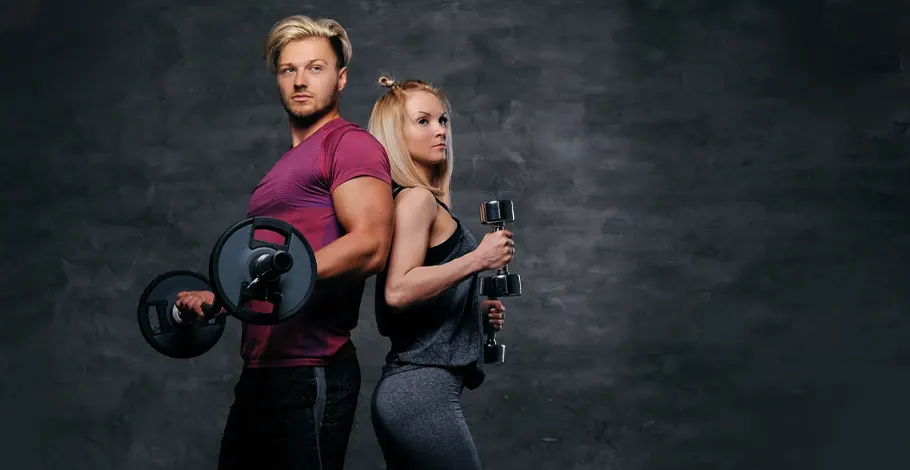
It is a genuinely competitive space, with countless fit, disciplined people chasing the same brand deals, magazine features, and campaign spots.
Being in great shape helps you get started, but it rarely gets you the career. Building a name in fitness modeling takes a professional portfolio, a recognizable personal brand, real industry connections, and the patience to stick with it through slow periods and rejection.
This guide breaks down what it actually takes to turn fitness into a paying career, step by step.
Key Takeaways
- Physique alone is not enough. Consistency, nutrition, and recovery matter just as much.
- A strong portfolio, personal brand, and industry relationships drive real opportunities.
- Networking and referrals beat cold applications almost every time.
- Expect real costs, like photography, training, and travel, plus inconsistent income early on.
- Progress is slow, and rejection is common. Patience and professionalism win out.
Build a Strong Fitness Foundation
Before anything else, your training has to be consistent, not something thrown together the week before a shoot.
That kind of consistency, built up over months and years, is what shapes a physique that photographs well and holds up under scrutiny.
Nutrition plays just as big a role as time in the gym, and recovery tends to matter more than most people expect.
Skip enough rest, and overtraining catches up eventually. A 2022 systematic review of nearly 700 athletes found that high training volumes without adequate recovery consistently increased fatigue, mood disturbances, and injury risk, exactly the kind of burnout that shows up as tired-looking skin and flat energy on camera.
It is also not about chasing someone else’s physique, either. Aim for a physique that is realistic and sustainable for your own genetics and lifestyle, built through steady effort rather than shortcuts or constant comparison.
Set Your Fitness Modeling Goals
Fitness modeling is not one single path. Before setting goals, it helps to figure out which direction actually fits you.
- Bodybuilding and physique competitions
- Athletic wear and activewear campaigns
- Bikini and wellness modeling
- Print and commercial fitness work
- Social media and influencer-style content
With that direction in mind, the next step is setting goals you can actually measure. In the short term, that could look like booking your first professional shoot, putting together a decent portfolio, or growing your social following to a specific number within six months.
Longer-term goals take more time to reach, whether that is signing with an agency, landing a brand ambassador deal, or placing at a competition.
Give yourself a realistic timeline for these instead of an arbitrary one, since this kind of progress rarely happens on a fixed schedule.
Learn About the Fitness Modeling Industry
Research goes a long way before you ever book a shoot. Look into the competitions relevant to your niche, whether that is NPC bikini divisions or physique shows, and get a sense of how they are actually judged.
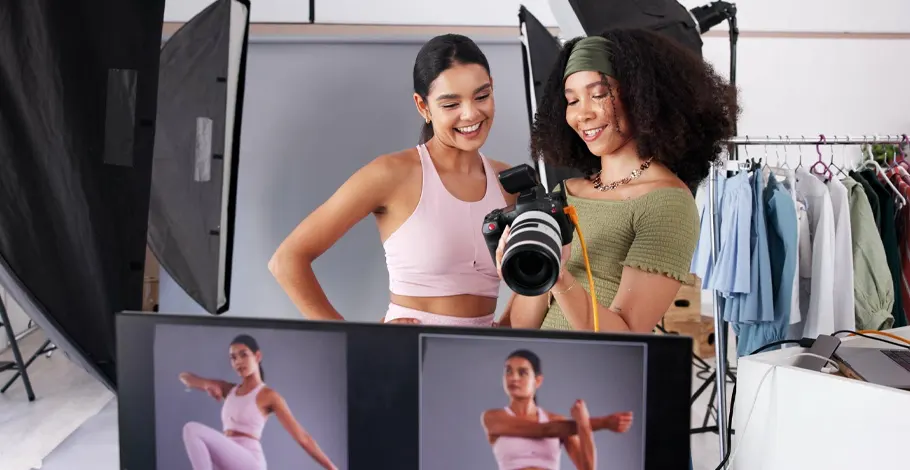
Learn About the Fitness Modeling Industry
Brands matter too. Activewear companies and supplement brands are often the most accessible starting point for newer models.
Photographers who specialize in fitness work are worth seeking out specifically, since their experience shows in how the final photos turn out and how seriously brands take them.
Following established models, coaches, and agents in your niche rounds this out, giving you a realistic sense of timelines, current trends, and what actually separates a strong portfolio from an average one.
Create a Professional Portfolio
A strong portfolio is often the first thing brands and photographers actually judge you on, so it is worth getting right from the start.
- Action shots showing strength, movement, or your training style
- Posed shots highlighting physique and muscle definition
- Lifestyle or candid-style shots for a more relatable feel
- Different outfits and looks across shoots, not just one style
None of this comes naturally on the first try. Camera comfort is a skill built through repetition, and even experienced models spend time working with photographers before poses start to feel natural rather than forced.
Network With Industry Professionals
As far as fitness models are concerned, connections can be just as important as looks and fitness. If you have a good connection with someone, whether it be a photographer, coach or brand, you’re getting more opportunities than cold applications do.
Photographers are a great place to begin, as once you have established trust with a few shoots, you will likely get repeat business and recommendations from other members of your network.
Coaches and other models also play a role – they provide direction and a sense of community that can be very difficult to find on your own as you’re just beginning.
It’s also the case with brands and agencies. Real opportunities come mostly from relationships and referrals, and showing up regularly and following through on commitments is a better way to grow a career than any single portfolio ever will.
Manage Your Time and Expenses
In most cases, people begin to model fitness with the intent of doing it on an occasional basis, which is perfectly fine. Having something else to do at the same time, such as a job, school or home responsibilities, requires honesty: if something is going to be rushed or missed out due to your job or school schedule, it is best to know that up front.
Your costs will grow just as quickly as your timeline and it is important to plan for them now.
- Professional photos and portfolio sessions
- Membership to gyms, coaching or special training
- Involvement in travel for shoots, competitions or brand events.
- Equipment, uniform and hair styling for shoots
Think of these as real expenses, not second thoughts and plan for them just as you would for any other investment. Going in, you will not get consistent income in this line of work, and having some sort of financial buffer is imperative for most people.
Stay Consistent and Handle Setbacks
Rejection is going to happen, and it is rarely about you personally. There are many reasons why brands and agencies pass on people, none of which are skill, effort or a reflection on their abilities, such as budget limitations or a need to hire someone with a similar aesthetic.
Progress in this field tends to be slow, often measured in years rather than months.
What actually separates people who make it from those who do not usually comes down to professionalism: responding well to feedback, meeting deadlines, and staying easy to work with even after a bad shoot or a rejection. That reputation follows you, often more than any single photo does.
What to Expect From a Fitness Modeling Career
A fitness modeling career path will vary from person to person and is seldom linear.
There are opportunities to do everything from being a part of brand partnerships and sponsorships to getting featured in magazines, winning competitions, and working with social media.
It’s a gradual process and as your portfolio, your reputation, and your followers increase over time, so do your growth.
It’s not just a matter of competition either, as there are also a lot of people who are equally committed and are pursuing the same opportunities.
The pay is quite a bit different and is not necessarily rapid. Many models make it into a fun side-hustle to other work, and some go so far as to make it their full-time job.
FAQs
Q: Do I need professional experience to start fitness modeling?
A: No. Most models start by building a small portfolio through local photographers or their own social media content, then grow from there as opportunities come in.
Q: What body type do I need to be a fitness model?
A: There is no single required look. Different niches, from bodybuilding to activewear to wellness modeling, favor different physiques, so it is more about finding where you genuinely fit.
Q: Do I need to sign with an agency to get work?
A: Not necessarily. Many fitness models build careers through direct brand relationships and social media before ever signing with an agency, though agencies can open additional doors later.
Q: How much can fitness models actually earn?
A: Income varies significantly and depends on niche, following, and experience. Some earn a steady side income, while a smaller number build this into a full-time career.
Q: How long does it typically take to get noticed in this industry?
A: There is no fixed timeline. Building a recognizable portfolio and following usually takes months to years of consistent effort rather than a single lucky break.
Conclusion
Becoming a successful fitness model takes more than a good physique. It takes realistic goals, a professional portfolio, genuine industry relationships, and the patience to keep going through slow periods and rejection.
None of this happens overnight, and that is fine. Approach it like any other career: prepare seriously, stay consistent, and give yourself a realistic timeline. The people who actually build something in this space are usually the ones who stuck with it longest, not the ones who started fastest.
Was this article helpful?
1 Sources
We review published medical research in respected scientific journals to arrive at our conclusions about a product or health topic. This ensures the highest standard of scientific accuracy.




 This article changed my life!
 This article was informative.
 I have a medical question.
 This article contains incorrect information.
 This article doesn’t have the information I’m looking for.