Medically Cited
Introduction
In today’s rapidly evolving world, where technology drives progress and innovation knows no bounds, a new domain comes to the forefront: the realm of male fertility enhancement.
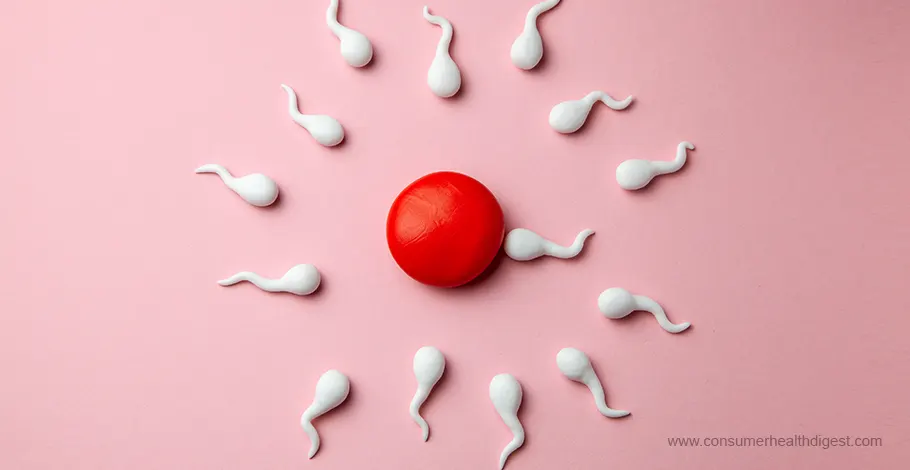
Male fertility plays a pivotal role in the process of reproduction and the creation of life. Beyond its significance in conception, male fertility is also closely linked to overall health and well-being. [1]
In recent years, there has been a surge in interest surrounding male fertility boosters—products and treatments designed to enhance male reproductive health and increase fertility potential. This growing interest underscores the importance placed on addressing male fertility issues and exploring avenues for improvement.
Understanding Male Fertility
Male reproductive anatomy and the process of sperm production.
The complex mechanisms of the male reproductive system are the first step toward male fertility. This system consists of structures like the prostate gland and seminal vesicles, which generate seminal fluid to nurture and transport sperm, as well as the testes, which produce sperm. Within the seminiferous tubules of the testes, a complicated sequence of activities known as spermatogenesis culminates in mature sperm that are prepared for fertilization. [2]
Factors influencing male fertility
Male fertility can be influenced by a wide range of factors, including genetic predispositions, lifestyle decisions, and environmental exposures. Lifestyle choices like nutrition, physical activity, and drug usage can affect the number and quality of sperm. Environmental elements can also have an impact on male reproductive health, such as exposure to poisons and pollution. Fertility issues can also be influenced by hereditary causes; specific genetic disorders may affect sperm function or production. [3]
Common causes of male infertility and their prevalence.
Numerous underlying factors, such as hormone imbalances, anatomical anomalies, and illnesses including infections or chronic illnesses, might result in male infertility. Men’s fertility problems can also be caused by external factors such as age and stress. Worldwide, a large percentage of couples struggle with infertility; around 40% of these cases are caused by male factors, underscoring the frequency and significance of treating male fertility issues.
The Need for Fertility Boosters
Increasing rates of male infertility worldwide.
There has been a discernible increase in male infertility rates worldwide, which is indicative of the growing need to treat men’s reproductive health issues. This pattern is a result of several factors, including evolving lifestyles, environmental pressures, and aging. These factors emphasize how urgent it is to find ways to boost male fertility. [4]
Challenges and stigma associated with male infertility.
Even while male infertility affects many people, those who struggle with it frequently face obstacles and social disapproval. False beliefs and social expectations can intensify emotions of guilt or inadequacy, making it more difficult for men who are experiencing male infertility to talk openly and have access to resources. [5]
Fertility boosters as a potential solution.
Fertility boosters have come to light as a potential remedy for male fertility issues in response to the growing need for male fertility support. These “boosters” include a variety of goods, pills, and therapies designed to improve the quality of sperm, strengthen the reproductive system, and raise the chance of pregnancy. Fertility boosters hold the potential to enable people to adopt proactive measures to optimize their reproductive health as knowledge and studies in this area increase. [6]
Science Behind Male Fertility Boosters
Overview of Male Fertility Boosters
Male fertility boosters are a broad category of methods intended to improve fertility and reproductive health. These include vitamin, mineral, and antioxidant-rich dietary supplements; lifestyle adjustments like exercise and diet; and medical treatments like hormone therapy or assisted reproductive technologies.
Boosters improve sperm quality, count, and motility.
Various techniques are employed by male fertility boosters to improve the motility, count, and quality of sperm. Antioxidant-rich supplements, like coenzyme Q10, vitamin C, and vitamin E, assist lessen oxidative stress and save sperm from harm. [7]
Furthermore, specific minerals such as zinc and selenium are essential for the development and functioning of sperm. A balanced diet and regular exercise are two lifestyle modifications that improve overall health and maximize reproductive function. Infertility-affecting anatomical defects or underlying hormone imbalances may be treated medically.
Studies and evidence supporting the efficacy of certain fertility boosters.
The effectiveness of male fertility boosters has been the subject of numerous scientific research, with encouraging results. Studies have indicated that antioxidant supplements have positive impacts on sperm parameters, such as increased motility, morphology, and sperm count. [8]
Furthermore, lifestyle treatments including exercise and nutrition changes have been linked to improved male reproductive outcomes. The information that is currently available points to the potential benefits of several fertility boosters for male reproductive health, even though further research is required to completely understand their efficacy.
Lifestyle Changes for Improved Fertility

When suggesting about the lifestyle changes for improved fertility, certified sexologist, Suzannah Weiss says that taking care of general health is a good way to improve fertility. This includes regular exercise, a balanced diet with limited sugar and processed foods, at least seven hours of sleep a night, enough downtime, minimal stress, and avoiding smoking and alcohol.
Dietary recommendations for boosting male fertility
Male fertility is greatly influenced by diet, as some nutrients are known to promote reproductive health. Antioxidant-rich meals including fruits, vegetables, nuts, and seeds can help lower oxidative stress and shield sperm from harm. For the development and operation of sperm, essential vitamins and minerals like zinc, selenium, vitamin C, and vitamin E are very crucial. Consuming a wide range of foods high in nutrients can supply the foundation required for the best possible reproductive health.
Importance of regular exercise and maintaining a healthy weight.
Frequent exercise affects male fertility in addition to being good for general health. Moderate-intensity exercise promotes healthy sperm production, enhances blood supply to the reproductive organs, and helps control hormone levels. Furthermore, obesity has been connected to lower sperm quality and reproductive potential, which emphasizes the importance of maintaining a healthy weight for conception. Better reproductive outcomes can be attained by using a balanced diet and regular physical activity.
Strategies for reducing exposure to environmental toxins and minimizing stress.
Stress and environmental pollutants can have a detrimental effect on male fertility, thus it’s critical to control stress and limit exposure. Limiting alcohol intake, avoiding tobacco smoke, and using chemical-free personal care products are some strategies to lessen exposure to pollutants. The detrimental effects of stress on reproductive health can be lessened by putting stress-reduction strategies including mindfulness, meditation, and relaxation exercises into practice. Enhancing the atmosphere to be helpful and encourage general well-being can help improve the results of conception.
Conclusion
Male fertility has significant effects on people and families and is essential to the reproduction process. It is crucial to address male reproductive health issues since problems like infertility can have significant emotional, psychological, and social effects.
Male fertility boosters provide a ray of hope for those looking to maximize their reproductive health despite the complexity of male infertility. These methods, which range from dietary supplements to lifestyle changes and medical procedures, show promise in raising the quality, quantity, and motility of sperm and, consequently, the potential for increased fertility.
Even though there have been great advancements in the knowledge and treatment of male reproductive problems, more study, education, and assistance are still required. Through the advancement of scientific knowledge, the promotion of candid communication, and the provision of resources and support services, we may enable men who are infertile to face parenting with courage and fortitude.
Was this article helpful?
8 sources
We review published medical research in respected scientific journals to arrive at our conclusions about a product or health topic. This ensures the highest standard of scientific accuracy.
[1] Leslie, Stephen W., et al. "StatPearls [Internet]." Male Infertility. StatPearls Publishing, 3 Mar. 2023, www.ncbi.nlm.nih.gov/books/NBK562258.[2] O'Donnell, Liza, et al. "Endotext [Internet]." Endocrinology of the Male Reproductive System and Spermatogenesis. MDText.com, 11 Jan. 2017, www.ncbi.nlm.nih.gov/books/NBK279031.
[3] Durairajanayagam D. Lifestyle causes of male infertility. Arab J Urol. 2018 Feb 13;16(1):10-20. doi: 10.1016/j.aju.2017.12.004. PMID: 29713532; PMCID: PMC5922227.
[4] Who, World Health Organization:. "1 in 6 people globally affected by infertility: WHO." World Health Organization: WHO, 4 Apr. 2023, www.who.int/news/item/04-04-2023-1-in-6-people-globally-affected-by-infertility.
[5] Fisher JR, Hammarberg K. Psychological and social aspects of infertility in men: an overview of the evidence and implications for psychologically informed clinical care and future research. Asian J Androl. 2012 Jan;14(1):121-9. doi: 10.1038/aja.2011.72. Epub 2011 Dec 19. PMID: 22179515; PMCID: PMC3735147.
[6] Garolla A, Petre GC, Francini-Pesenti F, De Toni L, Vitagliano A, Di Nisio A, Foresta C. Dietary Supplements for Male Infertility: A Critical Evaluation of Their Composition. Nutrients. 2020 May 19;12(5):1472. doi: 10.3390/nu12051472. PMID: 32438678; PMCID: PMC7284793.
[7] Ahmadi S, Bashiri R, Ghadiri-Anari A, Nadjarzadeh A. Antioxidant supplements and semen parameters: An evidence based review. Int J Reprod Biomed. 2016 Dec;14(12):729-736. PMID: 28066832; PMCID: PMC5203687.
[8] Kuchakulla M, Soni Y, Patel P, Parekh N, Ramasamy R. A Systematic Review and Evidence-based Analysis of Ingredients in Popular Male Fertility Supplements. Urology. 2020 Feb;136:133-141. doi: 10.1016/j.urology.2019.11.007. Epub 2019 Nov 17. PMID: 31747549.







 This article changed my life!
 This article was informative.
 I have a medical question.
 This article contains incorrect information.
 This article doesn’t have the information I’m looking for.