Prebiotic Supplements: Nourishing Your Gut for Long-Term Balance
Explore the best prebiotic supplements for gut health. Learn about key fiber types, benefits, and how to choose the right formula to support digestion and microbiome balance.
The gut health trip of your does not start and end with probiotics. Although the good bacteria generally steal the show, they depend for their survival on another very important element, prebiotics.
If probiotic supplements are considered a gas that keeps your gut flora running in top condition, then prebiotics are the key tool in keeping the whole digestive system in a healthy balance, in supporting the immune system, and in enhancing your overall health.
As there is more and more talk about gut health, it seems that the prebiotic supplements are the new thing among those who wish to make their inner environment a safe and healthier one from the very beginning.
On this page, you will see a handpicked list of prebiotic supplements and some very important facts which will be helpful to you in choosing the right prebiotic supplement.
Highly Recommended

Best Prebiotic Supplements
Having trouble with digestion? GoDaily Prebiotic helps ease bloating and supports regular bowel movements. Read our review to discover its benefits.
You can BUY it directly from the Official Website
Prebiotic Supplements Review
Why Are Prebiotics Important?
Well-functioning gut means more than simply harboring good bacteria; it also requires adequately nourishing them. Beneficial microbes that lack essential nutrients will find it difficult to live and reproduce.
In fact, when your gut bacteria are supplied with the right nutrients, they support digestion, even out energy levels, and help maintain a stable system internally. Consuming unhealthy foods, getting stressed, and taking some medications can lead to lower consumption of prebiotic foods.
Therefore, for a lot of people, taking prebiotic supplements is a convenient and effective way to increase their levels.
What Are Prebiotic Supplements?
Prebiotics are non-digestible fibers that move through the upper gut and reach the colon. There, they feed helpful bacteria. Probably not everyone reacts the same way. Some people notice improved digestion within weeks.
Prebiotic Supplements come in powders, capsules, or drinks. These forms offer high doses of fiber. Many blend them with probiotics. The combo might support gut balance more effectively than either alone.
How Prebiotic Supplements Work
Upon its consumption, prebiotics pass through the small intestine undigested and then reach the large intestine where gut bacteria munch on them. They churn out short-chain fatty acids, which strengthen the intestinal wall and boost digestion.
The good microbes thrive because the bad ones struggle to survive. A steady supply builds a healthier balance in the gut ecosystem. – This is not magic; it’s biology working naturally.
Different Types of Prebiotic Supplements
People choose magnesium powders for a variety of wellness and lifestyle reasons. While individual experiences may vary, some of the most common uses include:
Inulin – A widely used prebiotic fiber derived from plants like chicory root. Inulin supports the growth of beneficial bacteria and is often included in digestive health formulas.
Fructooligosaccharides (FOS) – Short-chain fibers are easily fermented in the gut. They help stimulate beneficial bacterial activity and are commonly used in powder-based supplements.
Galactooligosaccharides (GOS) – Known for supporting both digestive and immune health, GOS is often included in formulas aimed at improving gut balance.
Resistant Starch – A type of starch that resists digestion and reaches the colon intact. It supports microbial diversity and contributes to overall gut stability.
Acacia Fiber – A gentle, plant-based fiber that is well-tolerated and suitable for individuals with sensitive digestion.
What to Look for in Prebiotic Supplements
Fiber Type and Source
Different fibers serve different functions. Look for clearly labeled ingredients such as inulin, FOS, or GOS to match your digestive needs.
Purity and Additives
Choose supplements with minimal fillers, artificial sweeteners, or unnecessary additives.
Solubility and Taste
If opting for powders, consider how easily the supplement mixes with liquids and whether it has a neutral taste.
Digestive Tolerance
Some prebiotics ferment quickly and may cause temporary discomfort. Selecting a gentle fiber type can help ease the transition.
Benefits of Prebiotic Supplements
Most of the prebiotic supplements offers the following benefits:
Supports Digestive Regularity
Encourages the growth of beneficial bacteria, which contribute to smoother bowel movements and overall digestive balance.
Enhances Gut Microbiome Diversity
Helps create a more varied and resilient microbial environment.
Improves Nutrient Utilization
Supports the body’s ability to derive nutrients more efficiently from food.
Promotes Gut Lining Health
The fermentation process produces compounds that help maintain the integrity of the intestinal barrier.
Complements Probiotic Use
Prebiotics work synergistically with probiotics, enhancing their effectiveness and longevity in the gut.
Safety and Dosage Considerations
Prebiotic supplements, for the most part, are very safe and people tolerate them pretty well. Usually, you will be advised to start at a low dose – especially if you are not used to fiber supplements.
Side effects like gas and bloating are quite common and a result of your gut getting used to it, but those symptoms should be mild and may not last longer. Step-by-step increasing your prebiotic consumption and drinking enough water all the time will help you to reduce any issues with your digestive system to a minimum.
Nevertheless, if you have pre-existing issues with your digestion or if you are sensitive, it would be a wise idea to talk to your doctor before beginning a prebiotic supplement.
Conclusion
Supporting your gut goes beyond adding beneficial bacteria it involves creating an environment where they can thrive. Prebiotic supplements offer a practical way to nourish your microbiome and maintain long-term digestive balance.
By choosing high-quality ingredients, understanding different fiber types, and maintaining consistency, prebiotics can become a valuable addition to your daily wellness routine.
On this page, you’ll find detailed comparisons and insights into prebiotic supplements, helping you evaluate their composition, effectiveness, and overall value so you can make an informed choice aligned with your health goals.

 Medically Cited


 Benefiber Daily Prebiotic
 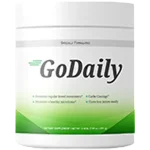 Godaily