Medically Cited
Semen volume gets a lot more attention than it probably deserves. A “normal” ejaculation can range anywhere from about a teaspoon to well over a tablespoon, and that range shifts from one ejaculation to the next depending on hydration, how long it’s been since the last one, stress, even the time of day. None of that variation is a red flag on its own.

And here’s the part that trips a lot of guys up: more semen doesn’t mean more fertile. Volume is just the fluid, mostly water, along with secretions from the prostate and seminal vesicles. Sperm themselves make up less than 5% of it. A man can ejaculate a generous amount with a low sperm count, or a smaller amount that’s packed with healthy, motile sperm. Volume alone tells you almost nothing about fertility.
Key Takeaways
- Semen volume naturally varies by ejaculation; there’s no single “correct” amount.
- The World Health Organization sets the lower reference limit at 1.5 mL, roughly a third of a teaspoon.
- Hydration, diet, sleep, exercise, and time between ejaculations all have a real, if modest, effect on volume.
- A bigger load doesn’t equal better fertility; sperm count, motility, and morphology matter more.
- Persistent low volume, pain, or sudden changes are worth mentioning to a doctor.
What Is Normal Semen Volume?
According to WHO reference data drawn from a large, multi-country study of fertile men, the lower reference limit for semen volume is 1.5 mL, call it a third of a teaspoon. Most healthy men land somewhere between 1.5 and 5 mL per ejaculation, though even that’s a loose guide rather than a hard rule.
What matters more than the number on its own is what’s in that fluid. Semen volume and sperm health are two different measurements. A lab-grade semen analysis looks at concentration, motility, and morphology separately from volume, because a guy can have a totally average-looking ejaculation with sperm quality that’s either excellent or poor. If fertility is the actual concern, volume is just one line on a much longer report.
What Affects Semen Volume?
A handful of factors push semen volume up or down, and most of them are unglamorous:
- Ejaculation frequency: The more recently you’ve ejaculated, the less fluid your body has had time to produce. Give it a day or two and volume climbs back up.
- Hydration: Semen is mostly water. Chronic dehydration is one of the fastest ways to shrink your output.
- Age: Testosterone production and gland function both taper off gradually with age, and semen volume tends to follow.
- Lifestyle habits: Smoking, heavy drinking, poor sleep, and a sedentary routine are all linked to lower semen quality and volume in research on male reproductive health.
- Underlying health conditions: Hormonal imbalances, infections, and certain medications (especially blood pressure drugs and some antidepressants) can all reduce volume.
None of these act in isolation; it’s usually a mix that decides where you land.
How to Increase Semen Volume Naturally
There’s no supplement or trick that outperforms basic physiology here. The things that actually move the needle are the same things your doctor already nags you about:
- Stay genuinely hydrated: Since semen is mostly water, running a fluid deficit is one of the quickest ways to see a smaller load. Pale-yellow urine is a decent gauge; no need to obsess over glasses counted.
- Eat as your reproductive system matters: Zinc (oysters, pumpkin seeds, beef), folate (leafy greens, lentils), and antioxidant-rich foods (berries, citrus) support the glands that produce seminal fluid, and a whole-food diet generally supports hormone balance too.
- Move your body regularly: Moderate exercise supports testosterone and circulation, both tied to semen production, though overtraining can backfire and suppress hormones instead.
- Get to and maintain a healthy weight: Excess body fat is linked to lower testosterone and disrupted hormone signaling, which can drag volume down with it.
- Prioritize sleep: Most testosterone production happens during sleep, particularly REM cycles, so skimping on rest for weeks at a stretch shows up in more places than just your mood.
- Cut back on smoking and heavy drinking: Both are consistently linked to reduced semen volume and lower sperm quality in the research, one of the more evidence-backed items on this list, not just conventional wisdom.

How to Increase Semen Volume Naturally
None of these changes work overnight. Sperm and seminal fluid production is a weeks-long cycle, so give any of this a solid two to three months before judging whether it’s doing anything.
Does Abstinence Increase Semen Volume?
Somewhat, yes, and this one’s genuinely well documented. Research on ejaculatory abstinence has found that semen volume, sperm concentration, and total sperm count all increase significantly as the abstinence period lengthens, comparing samples taken after 1, 2, 5, 7, 9, and 11 days without ejaculating. So spacing things out for a few days will typically mean a bigger load next time.
But it’s a trade-off, not a free win. That same body of research also shows sperm motility and DNA quality can decline the longer you wait; the shortest abstinence windows were associated with the least sperm DNA fragmentation. WHO’s own guidance leans toward 2–7 days of abstinence as the sweet spot for semen analysis, which is a decent real-world target if volume is what you’re after without overdoing it.
Does More Semen Mean Better Fertility?
Not really, and this is worth repeating because the assumption runs deep. Fertility hinges on sperm concentration, motility, and shape, not on how much fluid those sperm are swimming in. A man producing a smaller-than-average volume of high-quality, motile sperm can conceive without much trouble. Meanwhile, a large-volume ejaculate with a low sperm count or poor motility can still make conception difficult.
If you or a partner are actually trying to conceive and timing has been off for a while, a semen analysis, the real lab kind, tells you far more than counting milliliters ever will.
Can Supplements Increase Semen Volume?
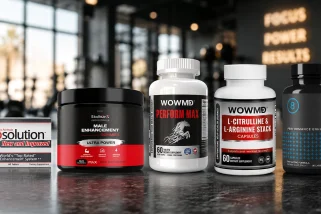
Maybe, a little, but tread carefully here. Some ingredients marketed in “volume” supplements, like zinc, L-arginine, and folic acid, do play a documented role in reproductive health, and correcting an actual deficiency in one of them can help. That’s different from claiming a pill will meaningfully boost your load, though.
Can Supplements Increase Semen Volume?
Most “semen enhancer” products lean on thin or nonexistent clinical evidence, and the supplement industry isn’t tightly regulated for these specific claims. If you’re considering one, talk to a medical professional first, especially if you’re on any medication; several common drug interactions aren’t worth the risk for an unproven benefit.
What Causes Low Semen Volume?
Occasional low volume usually isn’t a big deal. Persistent low volume is a different story, and the causes span a wide range:
- Frequent ejaculation with little recovery time
- Dehydration
- Retrograde ejaculation (semen entering the bladder instead of exiting)
- Hormonal imbalances, including low testosterone
- Certain medications, blood pressure drugs, some antidepressants, and BPH treatments
- Infections or blockages in the reproductive tract
- Prior surgery, including procedures for prostate conditions
When Should You See a Doctor?
A single lighter-than-usual ejaculation isn’t worth losing sleep over. See a doctor if you notice:
- Consistently low semen volume over several weeks or more
- A sudden, unexplained drop from your usual amount
- Pain or discomfort during ejaculation
- Blood in your semen
- Ongoing difficulty conceiving with a partner
Any of these could point to something that’s genuinely worth checking, and most are straightforward to diagnose with a basic exam or semen analysis.
FAQs
Does masturbating less increase semen volume?
Yes, to a modest degree. Spacing ejaculations out by a couple of days generally allows more fluid to accumulate.
What foods increase semen volume the fastest?
Nothing works “fast,” but zinc-rich foods (oysters, pumpkin seeds), leafy greens, and staying well hydrated support volume over time.
Can dehydration really lower semen volume that much?
Yes, since semen is largely water, even mild dehydration can noticeably reduce how much fluid you produce.
Is low semen volume a sign of infertility?
Not by itself. Fertility depends more on sperm count, motility, and shape than on total fluid volume.
Do Kegel exercises help increase semen volume?
They may improve the force and control of ejaculation by strengthening pelvic floor muscles, though evidence for a direct volume increase is limited.
How long does it take to notice a difference from lifestyle changes?
Give it at least one full sperm production cycle, roughly 64–72 days, before expecting a noticeable change.
Conclusion
Semen volume responds, in small ways, to the basics: water, sleep, a decent diet, moderate exercise, and giving your body a day or two between ejaculations. What it doesn’t respond to is magic supplements or comparing yourself to unrealistic standards.
And if fertility is the real goal, volume is the least important number in the equation; sperm quality is what actually counts. When something changes suddenly or doesn’t add up, that’s the moment to loop in a healthcare provider rather than a search engine.
Was this article helpful?
3 Sources
We review published medical research in respected scientific journals to arrive at our conclusions about a product or health topic. This ensures the highest standard of scientific accuracy.
[2]Abstinence Time and Its Impact on Basic and Advanced Semen Parameters - PubMed: https://pubmed.ncbi.nlm.nih.gov/27196032/
[3]One day is better than four days of ejaculatory abstinence for sperm function - PMC: https://pmc.ncbi.nlm.nih.gov/articles/PMC8812405





 This article changed my life!
 This article was informative.
 I have a medical question.
 This article contains incorrect information.
 This article doesn’t have the information I’m looking for.