Medically Cited
Like almost everything else in life, therapy has significantly evolved over the decades. Its origins can be traced back to ancient Greeks and Egyptians who incorporated healing practices in rituals and storytelling.

However, modern “psychotherapy” didn’t emerge until the 1800s. Before that, ideas surrounding mental health issues were quite antiquated and misinformed. Women with mental health symptoms were often called “witches” and treated with extreme disdain and even violence.
Fortunately, society at large no longer views people with mental health disorders as pariahs or dangerous supernatural beings. With few exceptions, mental health conditions are no longer treated as “hysteria,” possessions, or curses. Additionally, “therapy” is becoming a household term that’s no longer talked about in hushed, conspiratorial tones.
More people are turning to therapy to help them deal with everything from major mental health disorders to the everyday challenges of life. Here are four ways modern therapy continues to change for the better.
What Is Therapy?
Psychotherapy, often referred to as simply “therapy” or “talk therapy,” is the practice of treating psychological, emotional, and behavioral issues through conversation.
It may also involve specialized techniques such as interpersonal therapy (IPT) and cognitive behavioral therapy (CBT). In some cases, therapists may recommend pharmaceutical interventions to improve emotional and cognitive function.
Therapy can be given on an individual basis, with multiple family members, or in group settings with individuals who share similar mental health concerns.
It can offer greater insight into behavioral patterns, coping mechanisms, and relationship problems. It’s a valuable tool for anyone desiring to improve their emotional well-being and mental health.
4 Ways Therapy Is Changing for the Better
Modern-day therapy looks much different than its earliest predecessors. It’s no longer reserved only for those with the most debilitating mental health disorders.
Instead, it’s also offered to everyday people trying to learn how to navigate their lives and manage stress in healthier ways. From more affordable therapy to holistic medicine integration, here are four ways therapy is changing for the better.
1. It’s Becoming More Accessible
Psychotherapy is becoming more accessible for the average person in a few crucial ways. Since it’s now readily available online, it’s easier for people with busy schedules to access therapy from their own homes.
Online therapy platforms also tend to be more affordable because online therapists have fewer overhead costs and can thus offer their services for a lower price.

Access therapy online anytime
Finally, online therapy improves access to top therapists who might otherwise be too far from many patients. As long as an online therapist is licensed in your state and has availability, you can meet with them without driving a single mile. Increasing accessibility is one of the top ways therapy is improving and becoming easier for the average person to obtain.
2. It’s Losing Its Stigma
It used to be incredibly embarrassing to admit you were seeing a therapist. In the past, such an admission could negatively impact your ability to find and keep a job or maintain interpersonal relationships.
There was an undesirable stigma surrounding mental health issues that caused many people to suffer in silence without daring to get the help they needed.
Today, therapy is viewed in a much more favorable light. It’s losing its stigma and is being viewed more as a helpful tool to improve mental health and function.
Currently, over 26% of U.S. adults aged 18 to 44 report receiving some sort of mental health treatment. More people are learning that mental health issues are no more unusual than physical health issues.
3. It’s Becoming More Culturally Aware
The world is full of people who come from different backgrounds and cultures. A person’s culture can affect how they maintain relationships, solve problems, and view the world around them. Therefore, it’s ineffective to use a generic therapy approach with all people.
Many therapists are adopting practices that are more culturally sensitive. Culturally sensitive therapy emphasizes the client’s ethnicity, race, religion, gender, and any other relevant cultural factors. This type of therapy aims to provide more accessible mental health treatment to all. It also seeks to reduce mental health disparities.
4. It’s Aligning With Holistic Medicine
Holistic medicine is a growing movement within the wellness industry. It’s a form of treatment that focuses on improving health across a person’s entire being.
Holistic medicine considers the spirit, body, emotions, and mind as individual components of one unit. It often integrates alternative treatments with more traditional methods to address physical and mental health issues at once.
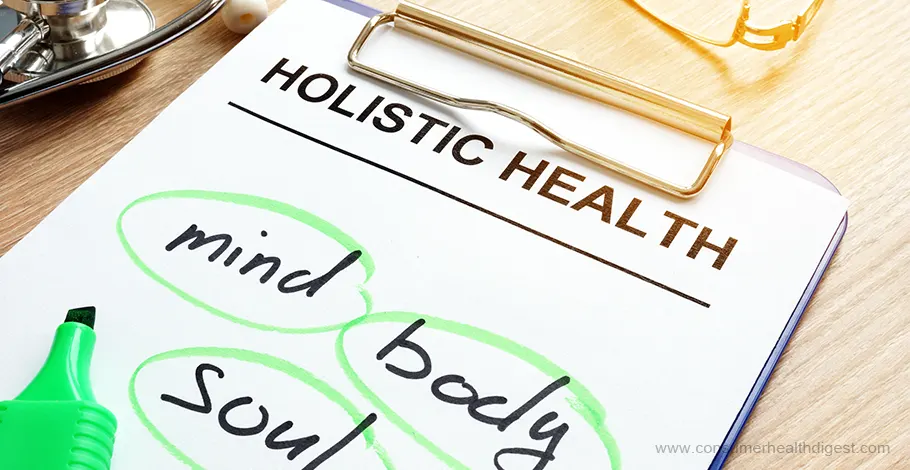
Therapy with principles of holistic wellness
Modern psychotherapy is being included more frequently in holistic treatment pathways. A comprehensive, integrated approach to healthcare should always include emotional, physical, and mental health treatment.
More therapists are open to recommending alternative methods like herbal medicine and meditation in combination with traditional psychotherapy methods like CBT.
Conclusion
Your mental health can have a critical impact on your professional trajectory and the quality of your relationships. A good therapist can help you become a more capable, motivated, and well-rounded individual.
They’ll give you techniques to overcome self-doubt and manage stressors in your life. Therapy continues to change for the better, and there’s never been a better time to discover how it can improve your mental health and your life.
Was this article helpful?
2 Sources
We review published medical research in respected scientific journals to arrive at our conclusions about a product or health topic. This ensures the highest standard of scientific accuracy.
[2] Culturally Sensitive Therapy : https://www.psychologytoday.com/us/therapy-types/culturally-sensitive-therapy










 This article changed my life!
 This article was informative.
 I have a medical question.
 This article contains incorrect information.
 This article doesn’t have the information I’m looking for.