Medically Cited
You’ve probably done this. Stood in front of the mirror first thing in the morning, looked at your own reflection, and wondered what on earth happened overnight. The rest of your face looks fine but under your eyes, the skin sits puffy and heavy, like something inflated it while you were asleep.

And honestly, puffy eyes are so common they’re basically a rite of passage. Most of the time they’re harmless. Most of the time they fade on their own within an hour or two. But that doesn’t make it any less confusing when you’re standing there wondering why your own face decided to do this.
So let’s actually get into it what causes puffiness under the eyes, which symptoms are worth watching for, and what genuinely helps.
What are Puffy Eyes?
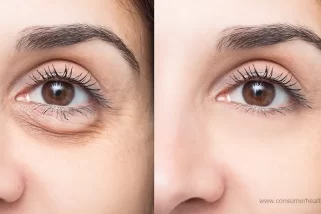
Doctors call it periorbital edema, which is really just a fancy way of saying the soft tissue around your eye socket is swollen. Fluid builds up in that thin, delicate skin and the result is the bloated, heavy look most of us have caught in the mirror more than once.
It’s worth knowing there’s a real difference between temporary puffiness and permanent under-eye bags, though. Temporary swelling comes and goes, usually clearing within a few hours. Permanent bags are a different animal, a structural issue where the fat pads under your lower eyelids shift forward as you age and just stay put. No cold compress on earth is undoing that one.
Here’s why this area swells so fast in the first place. The skin around your eyes is only about 0.5mm thick, compared to roughly 2mm everywhere else on your face, and there’s barely any structural support holding it up underneath. That’s genuinely what makes it swell so quickly and so visibly. Iinflammation in this area causes fluid to pool in the surrounding tissue and that pooling is exactly what produces the puffy look.
What Causes Puffiness Under the Eyes?
Under-eye puffiness rarely comes from just one thing. It’s usually a pile-up of small factors, working against you all at once. Here are the ten most common ones.
1. Aging
After 30, collagen production drops by around 1% every year not dramatic on its own, but it adds up fast. The thin membrane holding your fat pads in place behind the lower eyelid, called the orbital septum, gradually weakens with time. And once it weakens enough, those fat pads shift forward for good, which is what creates the kind of puffiness that sticks around instead of fading.
Research on periorbital aging backs this up, pointing to declining skin elasticity and orbital fat herniation as the main structural drivers behind age-related eye bags.
2. Lack of Sleep
Sleep deprivation is what makes your body hang onto more fluid than it should, and that extra fluid loves to settle right around the eyes. At the same time, the blood vessels under your thin eyelid skin dilate and become way more visible when you’re running on too little sleep.
Which is exactly what gives the whole area that darker, heavier look. It’s one of the fastest causes to show up. Luckily, it’s also one of the fastest to undo with a decent night’s rest.
3. Allergies
When your immune system reacts to something- pollen, pet dander, even a fragrance hiding in your skincare, it releases histamine. Histamine is what widens your blood vessels and makes them more permeable, letting fluid seep into the tissue around them. What you end up with is sudden swelling that usually hits both eyes at once, often tagging along with itching and watery eyes.
4. Fluid Retention
Too much sodium is genuinely one of the most underrated causes of eye puffiness out there. Eat something salty and your body holds onto water to keep things balanced, and the delicate skin under your eyes is almost always first to show it.
Alcohol and dehydration trigger that exact same response, by the way. It is said that diet-related fluid retention among the top reversible causes of eye swelling in otherwise healthy adults.
5. Sinus Congestion or Infection
Your sinuses actually share a wall with your eye sockets which most people never think about until it becomes a problem. So when they’re congested or infected, that pressure builds and radiates straight out toward your eyes.
And that’s really why sinus infections and ordinary seasonal colds so often drag visible swelling along with them, even when there’s nothing actually wrong with the eyes themselves.
6. Eye Infections
Conjunctivitis (pink eye), styes, and blepharitis inflammation along the eyelid edges can all cause noticeable swelling, usually in just one eye. Unlike the everyday, lifestyle-related kind of puffiness, infection-related swelling tends to come with redness, warmth, and tenderness. Cleveland Clinic points to these signs as the giveaway that separates an infection from the more ordinary, benign causes.
7. Genetics
Some people are just built this way. If under-eye bags run in your family, there’s a decent chance you’ll deal with them too, no matter how well you sleep or eat. Genetics shape the structure of your orbital fat pads, how thick your eyelid skin is, and how naturally prone your body is to holding fluid in that area.
8. Hormonal Changes
Hormones are a real cause of eye puffiness, and one that’s easy to overlook. Plenty of women notice swelling before or during their period, during pregnancy, and around menopause. Shifts in estrogen and progesterone directly change how the body holds onto water. Thyroid problems, hypothyroidism especially can also cause persistent puffiness that just won’t budge no matter what home remedy you try.
9. Lifestyle Factors
A high-salt diet, alcohol, smoking, crying, too much screen time all of these feed into periorbital swelling in their own way. Alcohol dehydrates you, and dehydration makes your body hold onto fluid. Smoking messes with circulation and hormone balance. And crying activates the tear glands around your eyes, so the backup of tears can temporarily pool in the tissue nearby. None of this is dangerous on its own, but stack it all together and it adds up fast.
10. Medical Conditions
When puffiness sticks around and doesn’t budge with lifestyle changes, it’s worth looking into a medical cause. Kidney disease, lupus, mononucleosis, and cardiovascular conditions have all been linked to periorbital swelling.
Johns Hopkins Medicine notes that thyroid problems are frequently missed as a source of chronic eye bags. And if the swelling keeps coming back alongside fatigue, weight changes, or changes in urination that’s genuinely worth getting checked out properly.
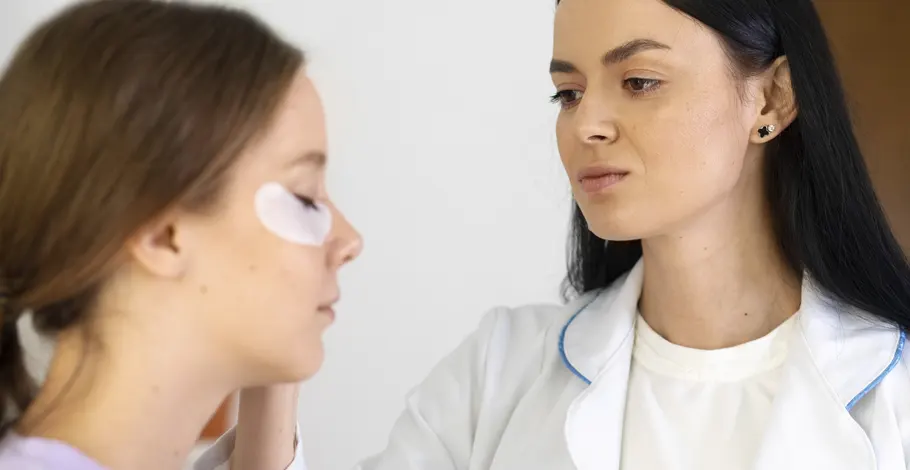
Finding the reason behind puffy eyes
Symptoms of Puffy Eyes
Puffy eyes don’t always look or feel the same, since it really depends on what’s causing them. The most common signs include swelling under or around the eyes, mild redness, watery or itchy eyes, dark circles, a heavy feeling around the eyelids, and tenderness if there’s an infection involved.
The pattern matters here. Swelling that hits both eyes evenly and builds up gradually usually points to lifestyle or allergy causes. But sudden swelling in just one eye especially if it’s warm or painful is something you’ll want checked sooner rather than later.
How Are Puffy Eyes Diagnosed?
Most cases of eye puffiness don’t need any kind of formal diagnosis. You spot the trigger, change the habit, and the swelling clears up. But when it keeps coming back, a doctor will usually dig for an underlying cause.
The process typically starts with your medical history when the swelling began, whether it’s in one eye or both, your diet, sleep, medications, and any allergies you know about.
A physical exam usually follows. For cases that are persistent or unexplained, blood work checking kidney function or thyroid hormone levels might be ordered, and allergy testing can help pin down environmental or food triggers. Once the root cause gets treated, the swelling usually clears up on its own.
How to Reduce Puffy Eyes
The fastest fix for under-eye puffiness is still a cold compress. A chilled cloth, a cold spoon, or even a bag of frozen peas held over your eyes for 10 to 15 minutes constricts the blood vessels and cuts down fluid buildup pretty quickly.
Chilled tea bags work on a similar principle. Caffeine in black or green tea acts as a vasoconstrictor, narrowing the blood vessels, while the tannins tighten the skin a little. Steep them, chill them, and rest them over closed eyes for about 10 minutes.
For anything longer-term, better sleep is probably the single biggest change you can make. Cutting back on sodium and alcohol, drinking more water, and managing allergies with antihistamines all deal with the root cause instead of just masking the symptom.
Topical eye creams with caffeine, retinol, or peptides can gradually firm up the skin and reduce the look of periorbital puffiness with regular use. For structural eye bags that don’t respond to any home care, options like dermal fillers, laser resurfacing, or blepharoplasty, a surgical procedure that repositions orbital fat are worth discussing with a specialist.
If your eye swelling is persistent, painful, or shows up alongside other symptoms, see a doctor before trying anything new.

Easy ways to reduce puffy eyes naturally
Frequently Asked Questions (FAQs)
Why are my eyes puffy in the morning?
A: When you’re lying flat, gravity isn’t pulling fluid away from your face anymore, so it settles around your eyes overnight. A salty dinner, alcohol the night before, or a bad night’s sleep all make it worse. It usually clears within an hour or two once you’re upright and moving around.
Can dehydration cause puffy eyes?
A: Yes, actually. A dehydrated body holds onto whatever fluid it has as a kind of protective response, and the under-eye area tends to show it first. Staying hydrated day to day helps your body regulate fluid balance more efficiently, which cuts down on this kind of swelling over time.
Are puffy eyes permanent?
A: Temporary swelling from sleep, diet, or allergies isn’t permanent, it usually clears within hours. Age-related under-eye bags, caused by fat herniation and weakened skin elasticity, are a different story though. Those tend to stick around and usually need medical or cosmetic treatment to actually address.
Does lack of sleep cause puffy eyes?
A: Sleep deprivation increases fluid retention, dilates blood vessels, and slows circulation in that delicate under-eye area. All three combine to create that swollen, heavy look a lot of people notice after a rough night.
What is the fastest way to reduce puffy eyes?
A: A cold compress held for 10 to 15 minutes is genuinely your best bet. Chilled tea bags or cucumber slices work too. For allergy-related swelling, pairing a cold compress with an over-the-counter antihistamine speeds things up noticeably.
Conclusion
Puffy eyes are almost always tied to something manageable — sleep, diet, allergies, or just the slow effects of aging. Once you figure out which one applies to you, the solution usually becomes pretty clear.
Simple home strategies handle most cases just fine. But when they don’t, or when swelling keeps coming back without any obvious reason, that’s genuinely worth a conversation with your doctor. Some causes of periorbital edema are simple to treat once identified, they just need a proper diagnosis first. Pay attention to what your eyes are telling you.
Was this article helpful?
3 Sources
We review published medical research in respected scientific journals to arrive at our conclusions about a product or health topic. This ensures the highest standard of scientific accuracy.
[2] Dark Circles or Bags Under Your Eyes? How To Get Rid of Them : https://health.clevelandclinic.org/how-to-get-rid-of-eye-bags
[3] How to Get Rid of Bags Under Your Eyes : https://www.hopkinsmedicine.org/health/expert-qa/how-to-get-rid-of-bags-under-your-eyes




 This article changed my life!
 This article was informative.
 I have a medical question.
 This article contains incorrect information.
 This article doesn’t have the information I’m looking for.