Medically Cited
Overview
Pour-over coffee looks simple enough. You grind some beans, heat the water, and slowly pour it over a filter. But anyone who has tried making the same coffee twice knows that small changes can make a surprising difference. One cup might taste bright and sweet, while the next feels flat or overly bitter.
The beans themselves play an important role. Some coffees offer lively citrus and floral notes, while others bring chocolate, caramel, or deeper fruit flavors. Origin, roast level, freshness, and processing methods all influence what you taste. And with pour-over brewing, you have greater control over how those flavors develop.
This guide covers the best coffee beans for pour over in 2026, including light-roast blends, balanced medium roasts, experimental coffees, and seasonal single-origin options. We’ll compare coffee quality, flavor profiles, brewing compatibility, freshness, customer feedback, and value. You’ll also learn what makes certain beans better suited to a V60, Chemex, or Kalita Wave.
TL;DR
- Pour-over brewing gives you greater control over grind size, water temperature, pouring technique, and extraction.
- Light-roast coffee beans often highlight fruity, floral, and citrus notes, while medium roasts can provide more chocolate sweetness and body.
- Whole bean coffee allows you to grind fresh before brewing, helping preserve its aroma.
- Single-origin coffees offer a way to explore distinct growing regions, while blends can provide a balanced flavor profile.
- The best coffee for pour over depends on your preferred taste, equipment, bean freshness, and willingness to adjust your brewing technique.
What Are Pour-Over Coffee Beans?
Pour-over coffee beans are regular roasted coffee beans selected for manual filter brewing. The method involves placing ground coffee inside a paper or reusable filter and gradually pouring hot water over it. The brewed coffee then flows into a cup or carafe.
Pour-over works with many types of coffee, but specialty Arabica beans are especially popular because they can offer distinctive flavors and aromas. Light and medium roasts are common choices, although darker beans can also produce enjoyable results.
The process gives you control over several brewing factors, including grind size, water temperature, coffee-to-water ratio, and pouring speed. These variables affect how soluble compounds move from the grounds into the finished drink, changing its strength, body, and flavor.
Why Trust Consumer Health Digest?
Consumer Health Digest evaluates coffee beans for pour over by reviewing official product information, coffee origins, bean varieties, processing methods, roast levels, tasting notes, brewing recommendations, package sizes, freshness information, customer feedback, and pricing. We also consider whether brands clearly explain what makes their coffee suitable for filter brewing.
We accept no payment for favorable placement. Each product is considered using the same main criteria: bean quality, origin transparency, flavor clarity, roast suitability, freshness, brewing flexibility, and overall value. Scientific research is used to explain coffee processing and extraction, not to claim that individual products have been clinically tested.
 According to Consumer Health Digest Research, our Best pick is Kaffico Fruity Bloom Coffee, the best fruity light roast coffee beans for pour over, appreciated for their bright fruity notes, delicate flavor, and smooth, refreshing coffee experience. For another pick, consider Onyx Coffee Lab Southern Weather, a great option for those seeking balanced coffee beans for pour over with a smooth, well-rounded flavor profile. Counter Culture Hologram is another option for coffee enthusiasts looking for specialty coffee beans for pour over with a distinctive flavor profile and a vibrant, flavorful cup. Explore these top picks to find coffee beans that suit your brewing preferences and enjoy a satisfying pour-over coffee experience.
Our Top Picks
- Kaffico Fruity Bloom Coffee – Best Fruity Light Roast Coffee Beans For Pour Over
- Onyx Coffee Lab Southern Weather – Best Balanced Coffee Beans For Pour Over
- Counter Culture Hologram – Best Specialty Coffee Beans For Pour Over
- Black & White Coffee Roasters Gummy Sharks – Best Fruity Specialty Coffee For Pour Over
- SEY Coffee Chorso Bule – Highest Elevation Project – Best Freshly Roasted Specialty Coffee Beans For Pour Over
5 Best Coffee Beans For Pour Over 2026
Finding the best coffee beans for pour over can make a noticeable difference in flavor, aroma, and overall brewing quality. The right pour over coffee beans should offer a balanced flavor profile, fresh roast, and grind compatibility that allows the brewing method to highlight the coffee’s natural characteristics.
In this guide, we review some of the 5 best coffee beans for pour over 2026 from notable coffee brands, including options for different roast preferences and flavor profiles.
Whether you prefer light roast coffee beans for pour over, medium roast coffee, fruity and floral notes, or a smooth and balanced cup, these selections can help you find a suitable option.
We also consider factors such as origin, roast level, tasting notes, bean quality, and brewing suitability. Explore our list of the best pour over coffee beans to discover flavorful options for making a smooth, aromatic, and satisfying pour over coffee at home.

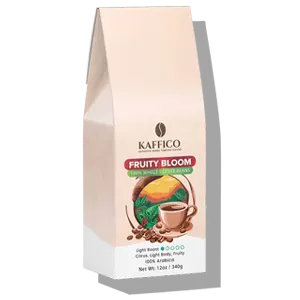
Kaffico Fruity Bloom Coffee | Best Fruity Light Roast Coffee Beans For Pour Over


Helps Provide Natural Energy*

Naturally Low-acidity Profile*

Fruit-forward Flavor*

Packed With Antioxidants*
- Brand: Kaffico
- Form: Whole Beans
- Quantity: 12 oz (340 g)
- Roast Level: Light Roast
- Dosage: 2 Level Tablespoons Per 6 oz Water
- Ingredients: 100% Arabica Coffee Beans
- Usage: Clean Energy, Alertness, Focus, Antioxidants, Fruit-Forward Flavor, Mental Clarity
- Safety: 100% Arabica Beans, Ethiopia-Mexico-Brazil Origins, Light Roast, Citrus-Dried Fruit-Floral Notes, Mild Smooth Acidity, Light Body, Clean Finish, Packed In USA
- Return Policy: 30-Days*
- Company Info: 4502 Riverstone Building, Suite 1102 #C, Missouri City, Texas 77459, USA , contact@kaffico.com, +1-(800)-986-9321

A Bright Change From Traditional Coffee

“I liked this coffee’s bright and fresh coffee notes, and citrus and fruity notes were prominent, but not overpowering or synthetic. I like the way the coffee notes taste together, it’s a nice change from the usual coffee flavors, and I really liked every drop of it.” – Noah W., Verified Reviewer

The mix includes Ethiopian heirloom varietals, Mexican Bourbon and Brazilian Arabica varietals such as Catuaí. The Ethiopian beans add– much of the fruit forward flavor, and the others add sweetness and balance. Research also shows why brewing methods matter when preparing specialty coffee.
A study published in Foods compared different extraction methods, including V60, AeroPress, and French press, using specialty Arabica coffee from Kenya. Researchers identified differences in aroma compounds and sensory characteristics between the brewing methods. 
Although the study did not test Kaffico Fruity Bloom, it supports the importance of extraction technique in shaping a coffee’s final flavor.
Kaffico Fruity Bloom comes in a 12-ounce package, primarily as whole beans. The brand recommends a medium-fine grind for pour-over preparation, including V60 and Chemex brewing. Its light roast, mild acidity, and natural fruit notes make it particularly suitable for people who enjoy a clean, flavorful cup without added flavoring. The official website lists a one-time purchase price of $29, with subscription discounts available.

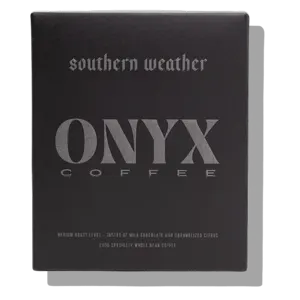
Onyx Coffee Lab Southern Weather | Best Balanced Coffee Beans For Pour Over

- Brand: Onyx Coffee Lab
- Form: Whole Bean Coffee
- Quantity: 12 oz (340 g)
- Roast Level: Moderate, Agtron #123
- Dosage: Brew As Filter Coffee or Pour-Over
- Ingredients: Coffee Beans
- Usage : Filter Brewing, Drip Coffee, Pour-Over, Black Coffee, Milk-Based Coffee
- Safety : Foundational Coffee Blend, House Filter Coffee, Specialty Coffee, Colombia-Ethiopia-Honduras Origins, Washed Process, Raised-Bed Dried, Evergreen Blend
- Refund Policy: 7-Days*
- Company Address: 101 E Walnut St., Rogers, AR 72756, USA, info@onyxcoffeelab.com, +1-479-899-6750
Truly Phenomenal Beans

“I just needed to drop a note to commend you guys and gals on sourcing and roasting these beans. Truly phenomenal stuff. You always do a great job, but these were truly special. I still have enough for one last pour over, but I’ve been splitting them between espresso and pour over and they’re fantastic both ways. Your flavor notes were spot on too.” – Ben T., Onyx Customer
Southern Weather is a rotating blend of washed coffees– from Honduras, Colombia, and Ethiopia. Onyx uses a moderate roast level and describes the coffee as full-bodied, with enough brightness to keep the cup interesting.
One of the studies published in Food Science & Nutrition focused on the changes that occurred to the sensory characteristics of roasted coffee during storage. Freshness was also emphasized because the desirable aroma and flavor properties were found to decrease with extended storage. The study did not compare specific blends of coffee, including Southern Weather, so the results cannot be considered as a direct assessment of this blend.
Onyx recommends filter brewing for Southern Weather and uses it as a house-filter option in its own cafes. Its detailed product page provides information about processing, roast development, origins, and caffeine. The brand lists approximately 244 mg of caffeine per 12-ounce brewed serving, although the prepared amount can vary.

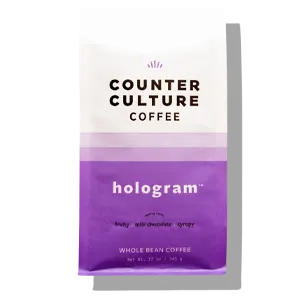
Counter Culture Hologram | Best Specialty Coffee Beans For Pour Over
- Brand: Counter Culture Coffee
- Form: Whole Bean Coffee
- Quantity: 12 oz
- Roast Level: Medium Roast
- Dosage: Brew As Pour-Over, Chemex, or Flash Brew
- Ingredients: Coffee Beans
- Usage: Rich Chocolate Flavor, Fruity Flavor, Full Body, Complex Coffee Experience
- Safety: Year-Round Blend, Medium Roast, Fruity and Milk Chocolate Notes, Natural-Sundried and Washed Coffees, Sustainably Sourced, Quality-Focused, B Corp Certified, Transparently Traded, Kosher Certified
- Refund Policy: NA
- Company Address: 812 Mallard Ave, Durham, NC 27701, USA, retail@counterculturecoffee.com, +1-816-516-3275
Tasty is as tasty does.
“A friend gave me a free sample of some Hologram beans and my Daughter as well as myself enjoyed the complexity of the after taste. I bought a 24 oz bag and still love it, gave her some beans tonight so want to order some more. Still interested in something similar, maybe a darker chocolate taste as well on the test I took that said Dark Chocolate and walnut taste. Not sure about the walnut taste, as I generally like a fruity taste as well with chocolate. I am learning to use an AeroPress setup to make my coffee, as it really makes smooth as well as great tasting coffe, that I call “Caffiena Royale. I am 83 and corny “old school”. – Bob Robert
Hologram combines natural-sundried and washed coffees sourced through Counter Culture’s producer relationships in Africa and Latin America. Naturally processed beans contribute the fruit-forward character and fuller body, while washed coffees add chocolate and pastry-like notes. Research has examined how brewing techniques affect coffee composition.
A study published in Food Research International compared eight coffee extraction methods, including V60, AeroPress, French press, and cold brew. The researchers found differences in chemical and physical characteristics among the prepared beverages.These findings help explain why the same coffee may produce different results across brewing methods, although Hologram itself was not tested.
Counter Culture offers Hologram in 12-ounce, 24-ounce, and 5-pound sizes. The brand recommends grinding whole beans immediately before brewing and suggests starting with approximately one gram of coffee for every 17 grams of water. Its medium roast, year-round availability, and mixed processing styles make it a useful choice for people who want fruit notes alongside familiar chocolate sweetness. The official website lists the 12-ounce bag at $20, with subscription savings available.

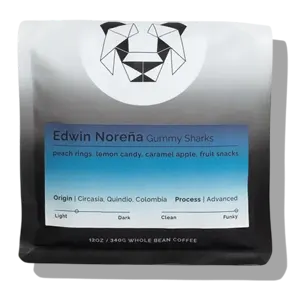
Black & White Coffee Roasters Gummy Sharks | Best Fruity Specialty Coffee For Pour Over
- Brand: Black & White Coffee Roasters
- Form: Instant Coffee
- Quantity: Not specified on the accessible official product page
- Roast Level: Lighter Roast
- Dosage: Brew As Pour-Over, Drip, French Press, or Espresso
- Ingredients: 100% Arabica Coffee Beans
- Usage: Instant Preparation, Convenient Brewing, Specialty Coffee Experience
- Safety: Raleigh-Roasted Specialty Coffee, Colombian Coffee, Edwin Noreña, Advanced Co-Fermentation, Instant Coffee, Peach Rings, Lemon Candy, Fruit Snacks, Caramel Apple Notes
- Refund Policy: 14-Days*
- Company Address: Black & White Coffee Roasters, c/o RETURNS, 6551 Meridien Drive, Suite 113, Raleigh, NC 27616, United States, orders@blackwhiteroasters.com
A Fun and Fruity Coffee Experience
“I was not expecting coffee to remind me of candy crunch taste, but this one really surprised me. The fruity sweetness stood out right away, with a playful, tangy finish that made each sip interesting. I enjoyed experimenting with it as a pour-over, especially when I wanted something different.” – Jordan Miller
The blend combines two advanced fruit co-fermented coffees from Noreña’s Camp Hermosa farm in Quindío, Colombia. Approximately 60% comes from a green-apple co-fermented lot, while the remaining 40% comes from the Candy Crush lot, which uses berries and dehydrated red fruits during processing.
A review published in Food Chemistry examined how postharvest processing affects coffee aroma formation. The authors explained that compounds produced through microbial activity during processing can contribute to the final coffee’s aroma. This research provides context for fermentation-related flavor development but does not directly test Gummy Sharks or establish the effects of its particular co-fermentation method.Black & White identifies Gummy Sharks as a lighter-roasted, fruit-focused coffee produced from mixed coffee varieties grown at approximately 1,750 meters above sea level. Its strong flavor profile may appeal to experienced pour-over drinkers who enjoy experimenting with grind size and extraction. Because fruits are deliberately introduced during processing, it should not be confused with an ordinary unflavored coffee that naturally has fruit-like tasting notes. Availability and pricing may vary for this specialty release, so buyers should check the official listing before ordering.

SEY Coffee Chorso Bule | Best Freshly Roasted Specialty Coffee Beans For Pour Over
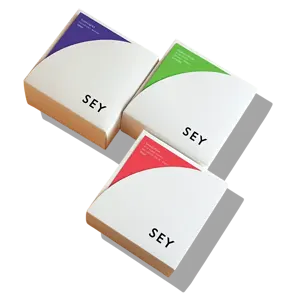
- Brand: SEY Coffee
- Form: Whole Coffee Beans
- Quantity: 250 g (8.8 oz)
- Roast Level: Delicately Roasted, Light Roast Style
- Dosage: Brew As Pour-Over Coffee
- Ingredients: 100% Coffee Beans
- Usage: Brew Coffee, Enjoy Specialty Coffee, Explore Origin Flavors, Explore Seasonal Coffees
- Safety: Seasonally Sourced Coffee, Delicately Roasted, Producer Partnerships, Specialty Coffee, Origin Diversity
- Refund Policy: NA
- Company Address: 18 Grattan St, Brooklyn, NY 11206, USA, hello@sey.coffee
An Exceptional First Cup
“I tried the Chorso Bule this evening. Made a small 10g serving and it was exquisite. That 5/27 roast date is already hot to trot.” – u/Sugarberg, r/pourover Community Reviewer
The coffee comes from a special sourcing project developed with SNAP, focusing on cherries grown at exceptionally high elevations. The cherries are hand-picked, sorted, fermented in stages, and dried on raised beds for 10–14 days. Roasting also plays an important role in the finished flavor.
According to a study published in the Journal of Agricultural and Food Chemistry, researchers examined how different roasting conditions affect volatile aroma compounds in coffee beans. They found that roasting intensity changed the amounts and types of certain flavor-related compounds. However, the study did not evaluate SEY Chorso Bule specifically. SEY roasts its coffee in Brooklyn, with orders roasted on Tuesdays and shipped on Wednesdays. The brand provides information about origin, varieties, harvest, processing, and sourcing costs, making it easier to understand the coffee’s background. Its delicate roasting approach and washed processing make Chorso Bule an interesting option for V60, Chemex, and other pour-over brewing methods. For those exploring the best Ethiopian coffee beans for pour over, its peach-like sweetness, floral aroma, and detailed sourcing information make it worth considering.
How We Choose the Best Coffee Beans for Pour Over?
Here is what we consider when selecting the best coffee beans for pour-over brewing at home.
Bean Quality
We check coffee species, bean varieties, origins, and available quality information. Coffees with clear sourcing details receive stronger consideration because these details help buyers understand what they are purchasing.
Roast Level
We review whether the coffee is light, medium, or dark roasted. Light roasts often highlight origin-driven acidity and floral notes, while medium roasts can offer more chocolate sweetness and body.
Flavor and Aroma
We consider tasting notes, aroma, acidity, sweetness, body, and finish. Pour-over brewing can reveal subtle flavors, so clear sensory descriptions help buyers choose a coffee that matches their preferences.
Freshness
We look at roast-date information, roasting schedules, packaging, and storage recommendations. Freshness matters because coffee gradually loses aromatic compounds after roasting and opening.
Brewing Compatibility
We review whether the coffee is available as whole beans or grounds and whether the brand recommends filter brewing. Compatibility with V60, Chemex, and Kalita Wave is especially relevant.
Origin and Processing Transparency
We check whether the brand identifies growing regions, producer information, and processing methods. Washed, natural, and co-fermented coffees can offer different flavor characteristics.
Price and Value
We consider package sizes, pricing, freshness information, subscription options, and the complexity of the coffee. A higher price may reflect sourcing or processing costs, but it does not guarantee that every buyer will prefer the taste.
How Does Pour-Over Coffee Work?
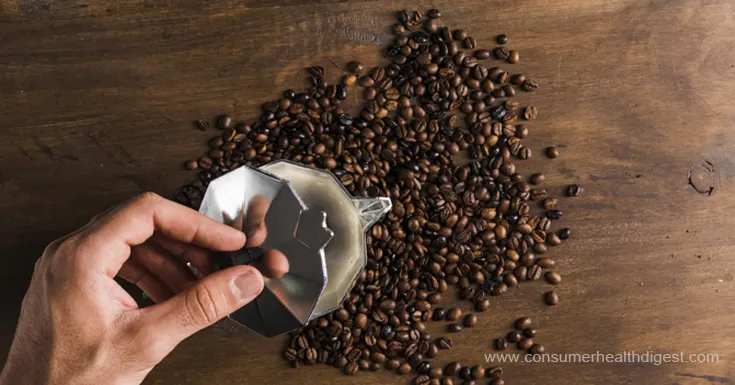
Pour-over coffee uses gravity to move hot water through ground coffee held in a filter. As water passes through the grounds, it extracts soluble compounds, including acids, sugars and their breakdown products, caffeine, and flavor-related substances. The filter separates most coffee particles from the finished drink, helping produce a relatively clean cup.
Grind size, water temperature, coffee quantity, and pouring technique affect extraction. Finer grounds increase the exposed surface area and may slow water flow, while coarser grounds can allow water to pass through more quickly. The right balance depends on the beans, roast level, and equipment, so pour-over brewing often involves making small adjustments until the flavor suits your taste.
Potential Benefits of Pour-Over Coffee
Pour-over coffee offers several practical advantages for people who enjoy preparing coffee at home.
- Flavor clarity: Paper-filter brewing can produce a clean cup that makes individual tasting notes easier to notice.
- Brewing control: You can adjust grind size, water temperature, pouring speed, and coffee-to-water ratio.
- Fresh preparation: Grinding whole beans before brewing helps preserve the coffee’s aroma and character.
- Different roast choices: Light, medium, and dark roasts allow you to explore different flavor profiles.
- Simple ingredients: Traditional pour-over coffee requires only coffee beans and water, without added flavorings or sweeteners.
- Specialty coffee exploration: The method works well with single-origin beans, seasonal releases, and distinctive coffee blends.
These advantages mainly relate to flavor, preparation, and brewing flexibility. Pour-over coffee is not automatically healthier or lower in caffeine than other brewing methods. Caffeine content and beverage composition depend on the beans, serving size, and extraction conditions.
Who May Consider Pour-Over Coffee?
Pour-over coffee may suit people who enjoy preparing fresh coffee and want greater control over their cup. It can be especially appealing to those who prefer fruity, floral, citrus, or chocolate tasting notes and want to explore differences between origins and roast levels.
It may be less convenient for people who prefer instant coffee, need a fast single-button brewing method, or do not want to use a grinder, scale, or kettle. Beginners can still enjoy pour-over, but it may take a little practice to find the grind size and brewing ratio that work best with their equipment.
What to Look for in Coffee Beans for Pour Over
Coffee Origin and Variety
Choose beans with clearly stated growing regions and varieties when possible. Ethiopian coffees are often associated with floral and fruit-forward flavors, while coffees from Colombia and Central America can offer a wide range of sweetness, acidity, and body.
Roast Level
Light and medium roasts are popular for pour-over because they can preserve or balance distinctive flavor characteristics. However, the best roast depends on personal preference. A darker roast can also work well when brewed carefully.
Whole Bean Freshness
Look for roasting information and consider purchasing whole beans that you can grind before brewing. Proper storage also helps protect flavor after opening.
Grind Size
A medium-fine grind is a useful starting point for many pour-over brewers. The best grind for pour-over coffee beans depends on the dripper, filter, roast, and desired flow rate. Adjust gradually based on taste and brewing time.
Processing Method
Check whether the coffee is washed, naturally processed, honey processed, or co-fermented. Processing can influence sweetness, acidity, aroma, and the intensity of fruit notes.
Brewing Equipment
Consider whether you use a V60, Chemex, or Kalita Wave. Different dripper shapes and filters affect water flow and extraction, so one coffee may taste different across these methods.
Price and Availability
Compare package weight, roasting schedules, shipping charges, and subscription options. Seasonal coffees may be available for limited periods, while year-round blends can be easier to purchase consistently.
Potential Concerns to Consider
Pour-over coffee offers plenty of flexibility, but a few things are worth keeping in mind before buying beans.
- Brewing consistency: Small changes in grind size, pouring technique, and water temperature can noticeably affect the taste.
- Equipment requirements: A suitable dripper, filters, kettle, grinder, and scale can make preparation easier, but they add to the initial cost.
- Acidity preferences: Bright, fruity coffees may taste too acidic for people who prefer darker, chocolate-forward roasts.
- Freshness and storage: Coffee can gradually lose its aroma after roasting, particularly when exposed to air, moisture, heat, and light.
- Limited availability: Seasonal single-origin and experimental coffees may sell out or change between purchases.
How to Prepare Pour-Over Coffee?
Pour-over coffee is prepared by placing freshly ground beans into a filter, adding hot water, and allowing the brewed coffee to drain into a cup or carafe. A medium-fine grind and consistent coffee-to-water ratio are useful starting points, although the ideal settings vary with the brewer and beans.
For Kaffico Fruity Bloom Coffee, the brand recommends using cold, filtered water for brewing, grinding beans immediately before preparation, and selecting a medium-fine grind for V60 or Chemex. Its general brewing guidance suggests starting with two level tablespoons of coffee per six ounces of water and adjusting to taste.
For a more measured approach, try 20 grams of coffee with 320 grams of water, giving a 1:16 ratio. Use water around 195–205°F, wet the grounds with a small initial pour, and allow them to bloom for approximately 30–45 seconds. Continue pouring slowly and evenly until you reach the desired water quantity. Adjust grind size and brewing time based on whether the coffee tastes too sour, bitter, weak, or strong.
Is Pour-Over Coffee Safe?
For most healthy adults who tolerate caffeine, pour-over coffee can fit into a normal daily routine. Coffee naturally contains compounds such as chlorogenic acid, which is discussed in our guide to coffee beans. The brewing method itself does not introduce unusual ingredients, although safety still depends on caffeine intake, serving size, water temperature, and individual tolerance.
Caffeine may cause restlessness, sleep problems, nausea, or a faster heartbeat in sensitive individuals. The FDA cites approximately 400 mg of caffeine per day as an amount not generally associated with negative effects for most healthy adults, although responses vary. The caffeine content of pour-over coffee depends on the beans, coffee-to-water ratio, and brewing conditions.
People who are pregnant or breastfeeding, take medications, have certain medical conditions, or are sensitive to caffeine should discuss appropriate intake with a healthcare professional. Hot water and freshly brewed coffee can also cause burns, so handle kettles, drippers, and serving vessels carefully.
Product Comparison
To help you decide, here is a brief comparison of our best coffee beans for pour-over:
 Kaffico Fruity Bloom Coffee |
Onyx Coffee Lab Southern Weather | Counter Culture Hologram | Black & White Coffee Roasters Gummy Sharks | SEY Coffee Chorso Bule | |
|---|---|---|---|---|---|
| Rating |  |
 |
|
|
|
| Cost | $45.00 | $21.50 | $20.00 | $18.50 | $26.50 |
| Dosage | 2 Level Tablespoons Per 6 Oz Water | Brew As Filter Coffee Or Pour-Over | Brew As Pour-Over, Chemex, Or Flash Brew | Brew Using A Preferred Coffee Preparation Method; Verify Product Form Before Brewing | Brew As Pour-Over Coffee |
| Roast Level | Light Roast | Moderate Roast, Agtron #123 | Medium Roast | Lighter Roast | Delicately Roasted, Light Roast Style |
| Flavor | Citrus, Dried Fruit, Floral Notes | Milk Chocolate, Plum, Candied Walnuts | Fruity Notes, Milk Chocolate, Pastry-Like Sweetness | Peach Rings, Lemon Candy, Fruit Snacks, Caramel Apple | Ripe Peach, Melon, Honeysuckle |
| Ingredients | 100% Arabica Coffee Beans | Coffee Beans | Coffee Beans | 100% Arabica Coffee Beans | 100% Coffee Beans |
| Usage | Pour-Over Brewing, Natural Caffeine Energy, Alertness, Focus, Fruit-Forward Flavor | Filter Brewing, Drip Coffee, Pour-Over, Black Coffee, Milk-Based Coffee | Pour-Over, Chemex, Flash Brew, Fruity Flavor, Chocolate Notes | Specialty Coffee Experience, Experimental Fruit-Forward Flavor Profile | Pour-Over Brewing, Specialty Coffee, Exploring Origin Flavors |
| Return Policy | 30-Days* | 7-Days* | NA | 14-Days* | NA |
| Pros | 100% Arabica Beans, Ethiopia-Mexico-Brazil Origins, Light Roast, Fruit-Forward Flavor, Mild Acidity, Clean Finish | Specialty Coffee Blend, Colombia-Ethiopia-Honduras Origins, Washed Processing, Raised-Bed Drying | Year-Round Blend, Fruity And Milk Chocolate Notes, Natural And Washed Processing, Sustainably Sourced, B Corp Certified, Kosher Certified | Colombian Coffee, Specialty Processing, Fruit-Forward Flavor Notes, Experimental Co-Fermentation | Seasonally Sourced Coffee, Delicate Roast, Producer Partnerships, Specialty Coffee, Origin Diversity |
| Review | Best Fruity Light Roast Coffee Beans For Pour-Over | Best Balanced Coffee Beans For Pour-Over | Best Specialty Coffee Beans For Pour-Over | Best Fruity Specialty Coffee For Pour-Over | Best Ethiopian Specialty Coffee Beans For Pour-Over |
| Shop Now |
Frequently Asked Questions:
Q: What are the best coffee beans for pour over?
A: Kaffico Fruity Bloom Coffee is our top pick for people who enjoy a light roast with citrus, dried fruit, and floral notes. Onyx Southern Weather and Counter Culture Hologram offer more balanced chocolate-forward options, while Black & White Gummy Sharks and SEY appeal to those interested in distinctive specialty coffees.
Q: What roast is best for pour-over coffee?
A: Light and medium roasts are popular choices because they can highlight fruit, floral, chocolate, and origin-specific flavors. Darker roasts can also work well, depending on the taste and body you prefer.
Q: Are single-origin coffee beans good for pour over?
A: Yes. Single-origin beans can be especially interesting for pour-over because the brewing method may help reveal distinct flavor characteristics associated with the coffee’s growing region, variety, and processing method.
Q: What is the best grind for pour-over coffee beans?
A: Medium-fine is a useful starting point for many V60 and Chemex brews. The ideal grind depends on the dripper, filter, roast level, and brewing time. Make small adjustments based on how the finished coffee tastes.
Q: Which coffee beans are best for beginners using pour over?
A: Beginners may prefer balanced coffees with approachable tasting notes. Kaffico Fruity Bloom offers a light, fruity profile, while Onyx Southern Weather and Counter Culture Hologram provide more familiar chocolate sweetness. Starting with a consistent recipe can make the learning process easier.
Conclusion
Kaffico Fruity Bloom Coffee is our current top pick for people who want bright, fruit-forward flavors in a traditional pour-over format. Its 100% Arabica blend from Ethiopia, Mexico, and Brazil, light roast, citrus and floral tasting notes, and clear brewing recommendations make it an appealing choice for people who enjoy clean, refreshing coffee.
The best coffee ultimately depends on the flavors you prefer and the brewing equipment you use. Onyx Southern Weather and Counter Culture Hologram offer more balanced, chocolate-forward experiences, while Black & White Gummy Sharks and SEY provide opportunities to explore more unusual or seasonal flavor profiles. Paying attention to bean quality, freshness, grind size, and preparation can help you get more enjoyment from every cup.
Was this article helpful?



5 Sources
We review published medical research in respected scientific journals to arrive at our conclusions about a product or health topic. This ensures the highest standard of scientific accuracy.
[1] Discrimination of Filter Coffee Extraction Methods of a Medium Roasted Specialty Coffee Based on Volatile Profiles and Sensorial Traits — https://pubmed.ncbi.nlm.nih.gov/37685132/[2] Changes in Sensory Quality Characteristics of Coffee During Storage — https://pubmed.ncbi.nlm.nih.gov/24804030/
[3] What Kind of Coffee Do You Drink? An Investigation on Effects of Eight Different Extraction Methods — https://pubmed.ncbi.nlm.nih.gov/30716922/
[4] Exploring the Impacts of Postharvest Processing on the Aroma Formation of Coffee Beans: A Review —https://pubmed.ncbi.nlm.nih.gov/30309567/
[5] Role of Roasting Conditions in the Profile of Volatile Flavor Chemicals Formed From Coffee Beans — https://pubmed.ncbi.nlm.nih.gov/19579294/
**This is a subjective assessment based on the strength of the available informations and our estimation of efficacy.
*Result may vary. If you are pregnant, nursing, have a serious medical condition, or have a history of heart conditions we suggest consulting with a physician before using any supplement. The information contained in this website is provided for general informational purposes only. It is not intended to diagnose, treat, cure, or prevent any disease and should not be relied upon as a medical advice. Always consult your doctor before using any supplements.
Disclosure of Material connection: Some of the links in the post above are "associate sales links." This means if you can click on the link and purchase an item, we will receive a commission. Regardless, we only recommend products or services which we use personally and/or believe will add value to our readers. We are disclosing this in accordance with the Federal Trade Commission's 16 CFR, Part 255: "Guides Concerning the Use of Endorsements and Testimonials."






 This article changed my life!
 This article was informative.
 I have a medical question.

 This article contains incorrect information.
 This article doesn’t have the information I’m looking for.