Medically Cited
Overview
Are you sick of looking at yourself in the mirror and seeing wrinkles and fine lines? You are not alone, so please don’t worry. Our skin gradually loses its elasticity as we age, making the indications of aging more noticeable. But here’s a catch, chemical peels are a remedy that might make you seem younger again. As a reliable method of reducing the look of wrinkles, age spots, and other skin defects, these cosmetic procedures have been around for decades.
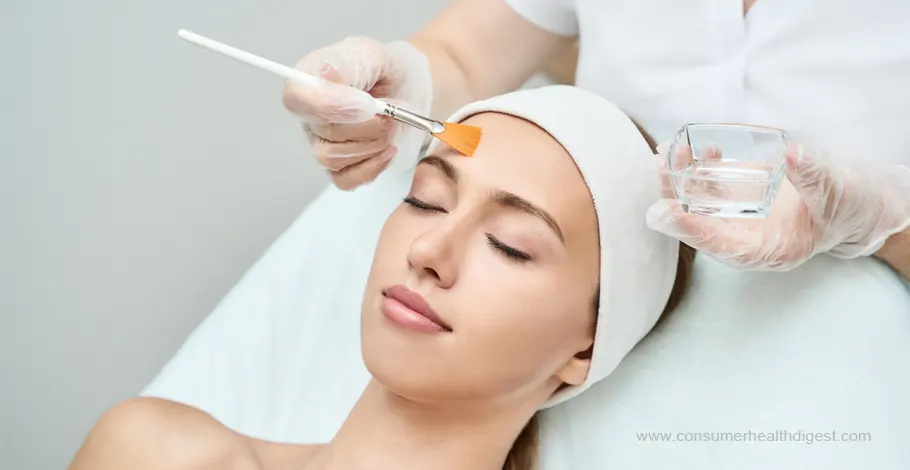
What is a Chemical Peel?
A chemical solution is applied to the skin during a chemical peel, a form of skin rejuvenation therapy, causing the skin to exfoliate and peel off. The goal is to stimulate the formation of new, smoother, younger-looking skin by carefully removing the outer layers of the skin. Chemical peels can range from moderate to deep, based on the specific problems you wish to solve and the results you seek. [1]
Wrinkles and Chemical Peels
One of the main reasons people seek out chemical peels is the look of wrinkles. As we age, our skin produces less collagen and elastin, two proteins that keep our skin tight and smooth. This loss of suppleness causes wrinkles to form, particularly around the mouth, forehead, and eyes. Chemical peels can help minimize these wrinkles by removing the outer layer of dead skin cells and promoting the production of new collagen and elastin.
Types of Chemical Peels
There are several types of chemical peels, each designed to address specific skin concerns and penetrate different depths of the skin. Here are some of the most common types:
- 1. Glycolic Acid Peels: These peels are formulated with glycolic acid, an alpha-hydroxy acid (AHA) derived from sugarcane. They are considered light to medium-strength peels and are effective in treating fine lines, uneven skin tone, and dullness. [2]
- 2. Lactic Acid Peels: Similar to glycolic acid peels, lactic acid peels are also AHA-based and are generally gentler on the skin. They are ideal for those with sensitive skin or those looking for a more gradual improvement in their skin’s appearance.
- 3. Trichloroacetic Acid (TCA) Peels: TCA peels are medium-strength peels that can penetrate deeper into the skin than AHA peels. They are effective in treating moderate to severe wrinkles, age spots, and pigmentation issues. [3]
- 4. Phenol Peels: Phenol peels are considered deep peels and are the strongest type of chemical peel available. They are typically used to treat severe wrinkles, precancerous growths, and skin discoloration. Due to their strength, phenol peels require more downtime and careful supervision by a qualified dermatologist or plastic surgeon.
How is it Performed?
The process of getting a chemical peel typically involves the following steps:
- 1. Consultation: Your dermatologist or aesthetician will evaluate your skin and discuss your concerns and desired outcomes. They will also go over any potential risks and side effects.
- 2. Preparation: Before the peel, your skin will be thoroughly cleansed, and you may be asked to stop using certain skincare products or medications.
- 3. Application: The chemical solution will be applied to your skin using a brush, cotton pad, or other applicator. You may experience a mild stinging or burning sensation during this process.
- 4. Neutralization: Depending on the type of peel, a neutralizing solution may be applied to stop the chemical reaction.
- 5. Post-Treatment Care: Your dermatologist will provide you with specific instructions for caring for your skin during the peeling and healing process.
How is it Beneficial for Your Skin?
Telling about benefits of chemical peels on skin, Zev Shulhof, Maxillofacial Surgeon says that chemical peels can be helpful in reducing wrinkles, though they mostly address them topically. They can help with removing the damaged outer layers of the skin so that healthier, newer skin comes to the surface, which can have a positive visual difference.
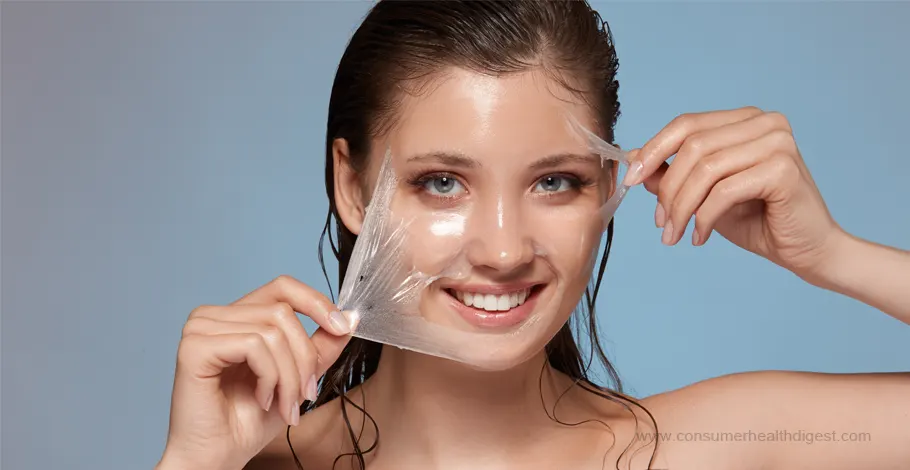
Chemical Peel Benefits for Your Skin. Shutterstock Image
Chemical peels offer a range of benefits for your skin, beyond just reducing the appearance of wrinkles. These benefits include:
- 1. Improved Skin Texture: Chemical peels can help smooth out rough or uneven skin texture, leaving your skin feeling softer and smoother.
- 2. Reduced Hyperpigmentation: Chemical peels can help fade age spots, sun damage, and other forms of hyperpigmentation, resulting in a more even skin tone.
- 3. Reduced Acne and Acne Scars: Certain chemical peels, such as salicylic acid peels, can help unclog pores and reduce the appearance of acne and acne scars.
- 4. Brighten Complexion: By removing the outer layers of dull, dead skin cells, chemical peels can reveal a brighter, more radiant complexion.
Is There Any Risk Attached to It?
Like any cosmetic procedure, chemical peels do carry some risks and potential side effects. [4] These may include:
- 1. Skin Irritation: Redness, swelling, and temporary discomfort are common side effects of chemical peels, especially with deeper peels.
- 2. Scarring: In rare cases, chemical peels can cause scarring, especially if the peel is not performed correctly or if you have a tendency to develop keloid scars.
- 3. Hyperpigmentation: Individuals with darker skin tones may be at a higher risk of developing hyperpigmentation or irregular skin coloring after a chemical peel.
- 4. Infection: If the treated area is not properly cared for during the healing process, there is a risk of developing an infection.
To minimize these risks, it is essential to choose a qualified and experienced dermatologist or aesthetician and follow all pre- and post-treatment instructions carefully.
Conclusion
Chemical peels safely and successfully address many concerns, including texture, uneven skin tone, and wrinkles. Chemical peels remove the outer layers of damaged skin and promote the growth of new, healthy skin cells, giving you a smoother, more youthful complexion.
However, it’s imperative to understand the many types of chemical peels, the risks involved, and the need to receive treatment from a qualified professional. With the appropriate technique and aftercare, a chemical peel can be a helpful tool in your anti-aging skincare routine, allowing you to embrace your inherent beauty and regain your confidence.
Was this article helpful?
4 Sources
We review published medical research in respected scientific journals to arrive at our conclusions about a product or health topic. This ensures the highest standard of scientific accuracy.
[1] Samargandy, Shireen and Blake S. Raggio. "StatPearls [Internet]." Chemical Peels for Skin Resurfacing. StatPearls Publishing, 29 Oct. 2023, www.ncbi.nlm.nih.gov/books/NBK547752.[2] Sharad J. Glycolic acid peel therapy - a current review. Clin Cosmet Investig Dermatol. 2013 Nov 11;6:281-8. doi: 10.2147/CCID.S34029. PMID: 24399880; PMCID: PMC3875240.
[3] S Sitohang IB, Legiawati L, Suseno LS, Safira FD. Trichloroacetic Acid Peeling for Treating Photoaging: A Systematic Review. Dermatol Res Pract. 2021 Aug 30;2021:3085670. doi: 10.1155/2021/3085670. PMID: 34504524; PMCID: PMC8423570.
[4] Rendon MI, Berson DS, Cohen JL, Roberts WE, Starker I, Wang B. Evidence and considerations in the application of chemical peels in skin disorders and aesthetic resurfacing. J Clin Aesthet Dermatol. 2010 Jul;3(7):32-43. PMID: 20725555; PMCID: PMC2921757.






 This article changed my life!
 This article was informative.
 I have a medical question.
 This article contains incorrect information.
 This article doesn’t have the information I’m looking for.