Medically Cited
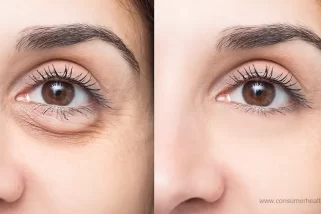
Eye cream is designed to moisturize and care for the delicate skin around the eyes. It can be used to combat dryness, fine lines, puffiness, dark circles and general skin texture depending on ingredients.

Not all eye creams are alike, though. Results will vary based on formula, consistency and the goal you are attempting to solve.
Introduction
The skin around your eyes may appear drier, more lined, puffy, and paler than other areas of your face. It is also an area that is highly active all day, with blinking, smiling, squinting, applying cosmetics and removing them.
That’s why some people opt to pay the area a bit more attention. Eye creams are moisturizers that are formulated specifically for use around your eyes, and may contain ingredients to target specific issues like dryness, wrinkles, puffiness, or even skin that appears uneven.
If your facial moisturizing cream is good for your eyes, you don’t necessarily need an eye cream. But for more specific care, you should use a suitable eye product.
Key Takeaways
- Eye cream softens and hydrates the thin skin around your eyes.
- Ingredients such as retinol may help improve the appearance of fine lines, while caffeine is commonly used in products aimed at puffiness.
- Vitamin C may help improve uneven-looking pigmentation, while ceramides support the skin’s natural moisture barrier.
- Apply eye cream gently with light tapping rather than rubbing or pulling the skin.
- Results vary, and an eye cream cannot permanently remove deep wrinkles, severe bags, or every type of dark circle.
What Is Eye Cream and Why Is It Used?
Eye cream is an eye moisturizer or treatment specifically formulated for the eye area. Some formulas are just about hydration, while others include ingredients that are designed to combat signs of skin ageing, swelling or discoloration.
The surrounding skin around the eyes needs to be treated gently as its appearance can be altered with rubbing, dryness, sun damage and normal ageing.
Now for the honest part: you don’t have to use one. If something that you normally use feels good and does not irritate the eyes, you may not need to use anything else. However, if you experience dry patches frequently, fine lines or puffy mornings, an eye cream can be a beneficial addition.
What Are the Benefits of Eye Cream?
Hydrates Dry Skin
One of the simplest benefits of eye cream is moisture. Dry under-eye skin may feel tight and can make fine lines look more noticeable.
Ingredients such as hyaluronic acid and glycerin attract and hold water at the skin’s surface. A moisturizing formula may therefore help the eye area look smoother and feel more comfortable.
May Improve Fine Lines
Fine lines are a normal part of aging, but certain eye cream ingredients may make them less noticeable.

May Improve Fine Lines
Retinol is one of the better-researched cosmetic ingredients for signs of skin aging. In a clinical study involving a retinoid eye cream, researchers reported improvements in the appearance of lines, texture, dryness, puffiness, and under-eye darkness after regular use.
Retinoids can also irritate sensitive skin, so it is usually better to introduce them gradually and follow the product directions.
May Help With Puffiness
Under-eye puffiness can have many causes, including fluid buildup, tiredness, allergies, genetics, and normal changes that happen with age.
Some eye creams contain caffeine and other ingredients intended to temporarily improve the appearance of puffiness. Research on multi-ingredient eye creams containing caffeine has shown improvements in under-eye puffiness, although these findings do not mean caffeine alone will work equally well in every formula.
May Improve Dark Circles
Dark circles are complicated because they can be related to pigmentation, visible blood vessels, shadows, genetics, or changes in the structure of the area.
Ingredients aimed at uneven pigmentation may help in some cases. Vitamin C, for example, is commonly included in brightening skin care. A systematic review found that topical vitamin C showed potential for improving pigmentation and signs of photoaging, although the researchers noted that more high-quality studies are still needed.
No eye cream, however, can completely correct every cause of dark circles.
Supports the Skin Barrier
A healthy skin barrier helps reduce moisture loss and protects the skin from outside irritants.
Ceramides are natural fats found in the skin and play an important role in this barrier. Research suggests that properly formulated ceramide products can support moisture retention and barrier function.
For people with dry or easily irritated under-eye skin, a simple ceramide-based eye cream may therefore be worth considering.
Which Ingredients Should You Look For?
Choosing an eye cream becomes easier when you match the ingredients to the concern you actually have.
| Concern | Ingredients to Look For | What They May Do |
|---|---|---|
| Dryness | Hyaluronic acid | Helps attract and retain moisture |
| Fine lines | Retinol | May improve the look of fine lines and skin texture |
| Puffiness | Caffeine | May temporarily improve the appearance of puffiness |
| Dark circles | Vitamin C | May help with uneven-looking pigmentation |
| Dry or sensitive skin | Ceramides | Help support the skin’s moisture barrier |
Hyaluronic-acid-containing creams have also been studied for their effects on wrinkles and skin firmness, although results depend heavily on the finished formula.
How to Apply Eye Cream
You do not need much product around the eyes. Using too much can simply leave the area feeling heavy.
- Cleanse your face and gently pat the skin dry.
- Place a small amount of eye cream on your fingertip.
- Dot it around the under-eye and outer eye area.
- Gently tap the product into the skin using your fingertip.
- Avoid pulling, tugging, or rubbing the skin.
- Keep the product out of your eyes unless its directions specifically state otherwise.
- Let the product absorb before applying makeup or other skin care over the area.
When Should You Apply Eye Cream?
Most people use it at night, since that’s when skin does its repair work, and plenty of people add it in the morning too. Morning creams are usually lighter and sit well under sunscreen. Night creams tend to be richer.
Keep retinol for the evening, because it can make skin more sensitive to the sun. And whatever you use, follow the directions on the label. More products won’t give faster results. It’ll probably just irritate your skin
How to Choose the Right Eye Cream
Start with the main issue you want to address rather than choosing a product simply because it promises several benefits.

How to Choose the Right Eye Cream
For dry skin, look for moisturizing ingredients such as hyaluronic acid, glycerin, or ceramides. If fine lines are your main concern, a carefully formulated retinol product may be more appropriate.
For puffiness, you may prefer a lightweight formula containing caffeine. Vitamin C or other brightening ingredients may be worth considering when uneven pigmentation is contributing to dark circles.
People with sensitive skin should generally look for simple formulas and introduce active ingredients slowly. If a product causes persistent burning, swelling, redness, or irritation, stop using it.
Does Eye Cream Really Work?
Yes, but with limits. Eye creams are excellent for hydrating skin and that can make a real difference in how it looks, feels and feels smoother. A few ingredients are backed by research; over time, you can expect to see drier skin and some reduction of fine lines.
Eye cream cannot alter your genes, remove deep wrinkles or correct eye bags resulting from the facial shape. Some people consider professional treatments for those. Also, it is more effective when used in conjunction with healthy lifestyles, such as sunscreen, sleep and water consumption. Allow four to eight weeks to determine whether or not the new product is appropriate for your situation.
Conclusion
Eye cream can be a useful addition to your routine when you have a specific concern around the eyes. At its simplest, it provides moisture that can keep dry skin feeling softer and looking smoother. More targeted formulas may also help improve the appearance of fine lines, puffiness, dark circles, or a weakened skin barrier.
The most important part is choosing ingredients that match your needs rather than expecting one product to solve every concern. Apply it gently, follow the product directions, and keep your expectations realistic. With the right formula and regular use, eye cream can provide practical support for the delicate skin around your eyes.
Was this article helpful?
2 Sources
We review published medical research in respected scientific journals to arrive at our conclusions about a product or health topic. This ensures the highest standard of scientific accuracy.
[2]Retinoids in the treatment of skin aging: an overview of clinical efficacy and safety - PMC: https://pmc.ncbi.nlm.nih.gov/articles/PMC2699641/




 This article changed my life!
 This article was informative.
 I have a medical question.

 This article contains incorrect information.
 This article doesn’t have the information I’m looking for.