Medically Cited
You can enjoy every holiday meal without overdoing it by eating a light meal before you arrive, filling your plate with vegetables and lean proteins first, using a smaller plate to manage portions, sipping water between bites, and making deliberate choices about which treats are actually worth it. The goal is to enjoy freely, not restrict obsessively.
Key Takeaways
- Eat a light meal or snack before arriving at a holiday gathering to prevent hunger-driven overeating
- Fill your plate with vegetables, fruits, and lean proteins before moving to richer dishes
- Use a smaller plate and take one serving at a time, pausing before going back
- Eat slowly, chew thoroughly, and pause between bites to let fullness signals register
- Drink water consistently before and during meals to reduce unnecessary snacking
- Choose your favorite holiday treats deliberately rather than sampling everything available
- Limit alcohol and sugary drinks, both increase calorie intake and lower self-control around food
- Stay engaged in conversations and activities away from the buffet table
- Stop eating when you feel comfortably satisfied, not when your plate is empty
- Treat holiday indulgence as a conscious choice, not a reason for guilt
Introduction
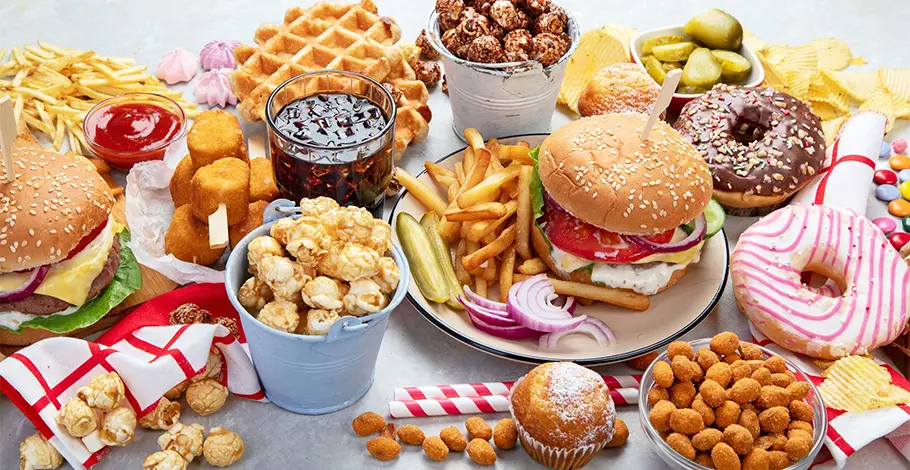
Food is always the star of the show at any holiday occasion. Add family emotions, year-end stress, and the festive atmosphere, and eating can easily shift from an act of nourishment to something that feels almost compulsive. What you end up with is that familiar “after party” feeling, when you’ve overindulged.
Fortunately, eating during the holidays doesn’t have to be accompanied by post-dinner guilt or remorse. Some simple routines, if implemented flexibly, can help you remain mindful, nourish yourself and feel great the next morning. Here’s what actually works.
Don’t Skip Meals Before a Holiday Gathering
Skipping lunch to “save space” for the dinner party sounds logical, but it almost always backfires. Arriving at a celebration ravenous means your willpower is already compromised before you’ve touched the first dish.
Eating a well-balanced snack or small meal before, containing protein and/or healthy fats or fibre, helps to curb appetite without making you feel too full. A light soup, a handful of nuts, some fruit or a small salad will do the trick. When you show up at the event, you are not feeling hungry and desperate for anything but you are feeling in control.
Start With Healthier Foods
This one is easy and powerful! Instead of going for the heavier food, fill half of your plate with vegetables or salads, lean proteins, or fruit first. They occupy space in your stomach and start to let you know that you’re full before you get to the more filling options.
If you’re the host, offering a new food such as a gourmet salad, veggie skewers, hummus, or fruit skewer party benefits your guests as well. Some would prefer to eat lighter options, but simply have to have them there..
Watch Your Portion Sizes
It doesn’t have to be a punishment to do with portion control during the holidays. Tiny reasonings and minor actions have more impact than hard rules.
- Use a smaller plate. Research consistently shows that plate size influences how much people serve themselves, and therefore how much they eat.
- Take one serving first, then pause. Give your body 10 to 15 minutes before going back for seconds. True hunger and habit hunger feel very different after a short break.
- Don’t pile the plate. Be intentional. Choose the dishes you actually want, not everything available just because it’s there.
- Sit while you eat. Eating standing near the buffet table leads to mindless grazing that adds up fast.
Eat Slowly and Mindfully
It takes about 20 minutes for your stomach to tell your brain that it’s full. It is always too late when eaten rapidly, the signal is almost invariably the one that you have already passed.
Practicing simple mindful eating techniques helped prevent weight gain during the holiday season, even without dieting. Slowing down, chewing thoroughly, and pausing between bites are not dramatic interventions, but they engage your body’s natural feedback system.
Put your fork down when not eating. Talk to the person next to you. Take a breath. You are not here to compete with anyone else, you are in a celebration. These little breaks will make the meal more enjoyable and allow your body to catch up.
Stay Hydrated Throughout the Celebration
Thirst is often confused with hunger, and particularly during social interactions and when distracted. Consistent use of drinking water before and during the meal helps to minimize the risk for food intake due to thirst that has been misinterpreted as hunger.
Researchers in a clinical study published in PubMed identified that participants who drank 500ml of water before every main meal experienced a significantly greater weight loss than those who followed dieting alone – partly due to the fact that they ate less during each meal. Having a glass of water in hand at a holiday get together provides something to drink between moments of conversation, stifles unnecessary snacking and dilutes the hunger signals.
Be Selective With Holiday Treats
The dessert table doesn’t have to be a problem if you approach it with a clear head. The issue is rarely one piece of pie. The problem with that is, there’s twelve different things and they’re all there and it looks like I’m being wasteful if I don’t sample all of them.
Pick the goodies that make you happy, that you think of this time of year, and avoid the party food that’s just packaged as a holiday treat. One dessert you really like is better than five desserts that you’re indifferent and neutral about. Intentionally indulgent is a different thing from overindulgent..
Limit Alcohol and Sugary Drinks
This one matters more than most people realize. A systematic review published in the British Journal of Nutrition found that alcohol consumption significantly increased food intake at the same meal, partly because alcohol loosens dietary restraint and stimulates appetite. Sugary drinks do the same by delivering calories that don’t register as food in the body’s fullness system.
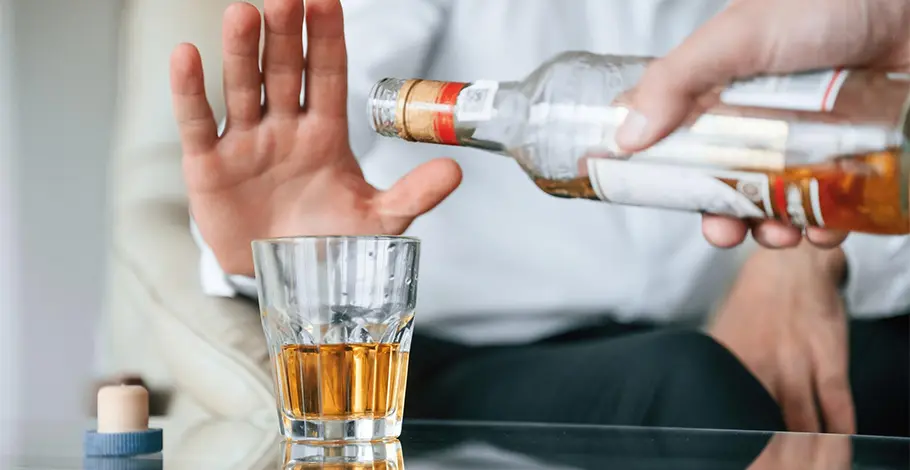
Limit alcohol and sugary drinks
Both of them are not to be avoided completely. Distributing alcoholic drinks over time, mixing with water and drinking unsweetened beverages throughout the day maintain the whole picture without feeling deprived.
Focus on the Celebration, Not Just the Food
One of the elements that makes holidays fun is the food. It’s not the whole thing.
The best time of the year after the celebration is not when you are eating. These are the ones that are connecting words, funny jokes, a tradition, and people you don’t see enough. But when you’re at the buffet and you’re not sure what else to do, you tend to eat out of habit, not hunger.
When eating, move away from the food after a meal. Engage with the room. Join in games, assist in dishes and take part in activities undertaken by the group. Decide to attend to it all, not just the moments focused around the next plate..
Listen to Your Body
There’s a simple rule that cuts through all the complexity: stop eating when you’re comfortably full, not when the food runs out.
This sounds obvious, but at social gatherings it gets complicated. People eat because others are eating, because it’s polite, or simply out of habit. Your body knows when it’s had enough. The signal is subtle, a quiet shift from hunger to satisfaction, but it’s there if you’re paying attention. Eat slowly and check in with yourself regularly throughout the meal.
Don’t Feel Guilty About Enjoying a Treat
Eating a holiday dessert you love is not a failure. It is a completely normal part of a balanced life.
The problem with guilt around food is that it tends to create more of the behavior it’s punishing. All-or-nothing thinking, the feeling that one slice of pie has ruined everything, often leads to eating more, not less. Enjoying a treat consciously and without guilt is actually the more controlled response.
Moderation is not deprivation. The goal is to enjoy the holidays fully, which means neither white-knuckling through every meal nor completely abandoning awareness. One decision at a time, made with intention, adds up to a holiday season you can feel good about.
Conclusion
The holidays are meant to be enjoyed. The tables, the food, the abundance, all of it is part of what makes this time of year feel special. The goal isn’t to sit at the celebration calculating every bite. The goal is to be present enough to make real choices rather than impulse-driven ones.
Small habits, eating something beforehand, starting with vegetables, drinking water, slowing down, stepping away from the table, stack up quietly over the course of a season. None of them asks you to sacrifice enjoyment. Together, they let you leave every gathering feeling good about both the celebration and how you showed up for it.
Was this article helpful?
2 Sources
We review published medical research in respected scientific journals to arrive at our conclusions about a product or health topic. This ensures the highest standard of scientific accuracy.
[2] Effect of alcohol consumption on food energy intake: a systematic review and meta-analysis | British Journal of Nutrition: https://www.cambridge.org/core/journals/british-journal-of-nutrition/article/effect-of-alcohol-consumption-on-food-energy-intake-a-systematic-review-and-metaanalysis/2F9AB5C64A86329EB9E817ADAEC3D88C






 This article changed my life!
 This article was informative.
 I have a medical question.
 This article contains incorrect information.
 This article doesn’t have the information I’m looking for.