Medically Cited
Beef provides high-quality protein, heme iron, zinc, and vitamin B12. However, regularly eating large amounts, especially fatty cuts and processed beef, may increase saturated fat and sodium intake and has been associated with cardiovascular disease, type 2 diabetes, and colorectal cancer. Most people do not need to avoid beef completely. Moderation, lean cuts, sensible portions, and fewer processed products are recommended.
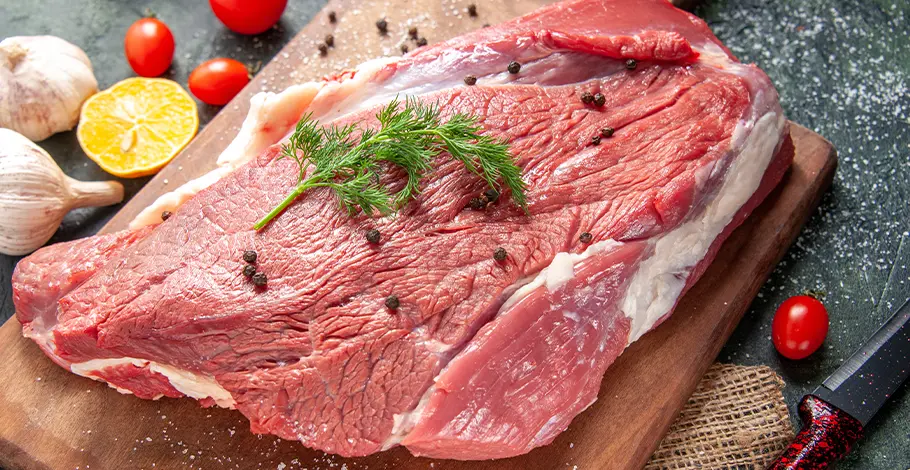
Beef appears in stews, burgers, steaks, sausages, and deli products. Its health effects remain debated because it offers useful nutrients but varies greatly in fat content, processing, portion size, and preparation.
A small serving of lean beef is nutritionally different from a large ribeye or processed hot dog. Research generally finds stronger concerns with processed meat, while risks linked to fresh red meat are often smaller and influenced by quantity and the wider diet. Here are seven evidence-based reasons to limit beef.
1. Beef Can Be High in Saturated Fat
Fat content is different in various cuts of beef. Ground beef is leaner than ribeye, short rib, brisket, round eye and leaner than sirloin tip and extra-lean ground beef. Marbling and fat that is attached to meat can significantly add to the amount of saturated fat in a meal.
The importance of saturated fat is that some of it can be replaced with unsaturated fat, and it helps to maintain a healthy heart. In a large Cochrane review of long-term trials that reduced saturated fat, cardiovascular events were reduced, especially when it was replaced with polyunsaturated fat.
The worry is the overall eating pattern, when fatty beef is given on a regular basis, along with other saturated fat foods. Lean cuts, trimmed fat, drained ground beef, and moderate portions can reduce intake.
2. Beef May Raise Cholesterol Levels
Many people will have elevated levels of LDL or “bad” cholesterol when their diet is high in saturated fats. LDL is also referred to as “bad” cholesterol because its elevated level is a factor in artery plaque formation and an increased risk for coronary heart disease.
Fatty beef has more saturated fat than lean beef, and processed beef can be higher in fat and sodium. A small portion of lean beef along with vegetables, beans or whole grains is easier to incorporate into a heart-healthy eating plan.
Replacement matters too. Opt for fish, lentils, tofu, and nuts for a better alternative to refined foods or heavily processed options. The cut, portion, and frequency should be monitored by individuals with high LDL.
3. Regular Red Meat Intake May Increase the Risk of Chronic Diseases
There are several chronic health problems linked to eating red and processed meat often. The consumption of processed and unprocessed red meat was linked to increased risks of cardiovascular disease and diabetes, but the association was more robust in some populations.
A 2024 study published in PMC using data from several countries correlated processed meat and unprocessed red meat with an increased risk of type 2 diabetes.
There is also a link between higher consumption of red and processed meats and an increased risk of colorectal, colon, and rectal cancer.
The findings do not support that beef is a disease-causing product. Many of the results are observed, and other behavioral factors can have an impact. Nevertheless, the general trend is to balance, particularly with the consumption of red and processed meat most days.
4. Processed Beef May Pose Greater Health Risks
Processed beef is cured, smoked, salted, fermented, or contains preservatives. These include beef bacon, beef sausages, hot dogs, corned beef, and some deli meats.

Processed beef
These products tend to be higher in sodium content than fresh beef and may contain nitrites or nitrates. The sodium content can increase blood pressure in individuals who are “salt sensitive”, and processing and high-temperature cooking can create compounds that have been studied with respect to cancer risk. The exact effects on long-term risk from such factors as salt, nitrites, nitrates, smoke, and high-temperature cooking are still being investigated.
Processed meat is more strongly associated with chronic disease than fresh red meat. An occasional hot dog won’t make or break someone’s health, but it is always advisable to stay away from processed beef. Compare the sodium, saturated fat, serving size, and ingredients found on product labels.
5. Improper Handling and Cooking of Beef Can Increase Food Safety Risks
Raw beef may be contaminated with harmful bacteria such as some types of E. coli and Salmonella. Grinding ground beef requires special attention because it could spread bacteria into the meat instead of keeping it on the surface.
Separate raw beef from ready-to-eat foods, store beef quickly in the refrigerator, wash hands after handling beef, and wash utensils and cutting boards, if possible. Avoid cross-contamination of raw meat and its juices with foods that won’t be cooked.
Don’t guess the temperature of the food by looking at its color. According to the USDA, whole beef steaks, chops, and roasts should be cooked to an internal temperature of 145°F (or 63°C) with a three-minute rest. Ground beef should be cooked to an internal temperature of 160°F (71°C).
6. Hormones and Antibiotics in Beef: What You Should Know
There is a great deal of talk about hormones and antibiotics being fed to cattle, but the question is: what is the context of this topic? Regulations vary from country to country. In the U.S., some hormone implants are approved for specific classes of beef cattle and are judged for safety when used as specified.
Bacterial disease in cattle can be treated and controlled by using antibiotics. When necessary, approved drugs have withdrawal periods that allow residue levels to drop to acceptable levels before the animal is placed in the food chain. In the U.S., it is illegal to slaughter an animal before the mandatory withdrawal time.
It is about responsible antibiotic use and antimicrobial resistance and not a justification to believe that conventional beef is unsafe. Consumers who prefer foods that are produced in a different way will find a credible “raised without antibiotics” sign, “organic” or “verified grass-fed” labels, which do not necessarily signify superior nutritional value.
7. Excess Heme Iron May Not Be Ideal for Everyone
Beef is a good source of heme iron, which is more readily absorbed than nonheme iron, which is found in plants. This can assist individuals in obtaining iron and avoiding deficiency.
But it is not always helpful to have more iron. Hereditary hemochromatosis is when iron is absorbed and stored in excessive amounts, contributing to damage to organs over time. Individuals with the condition should receive medical advice on iron consumption.
Occasional beef consumption is not a cause for concern for most healthy adults. Individuals who have iron overload, high ferritin, liver disease, or a family history of hemochromatosis should consult a healthcare professional about their consumption of red meat.
Tips for Eating Beef More Healthfully
Choose lean or extra-lean cuts such as eye of round, top round, sirloin tip, tenderloin, or lean ground beef. Trim visible fat and keep portions closer to 3 to 4 ounces cooked instead of letting beef fill most of the plate.
Limit processed beef and rotate protein sources throughout the week. Fish, poultry, eggs, beans, lentils, tofu, and nuts add variety and reduce reliance on red meat.
Bake, roast, stew, or grill at moderate temperatures instead of regularly charring or deep-frying beef. Pair it with vegetables, beans, and whole grains for more fiber and balance.
Conclusion
Beef is not inherently unhealthy. It provides protein, iron, zinc, vitamin B12, and other nutrients that can support a balanced diet. The main concern is the frequent intake of large portions, fatty cuts, and processed beef products.
A practical approach is to eat beef less often, select lean and unprocessed cuts, cook it safely, and vary protein sources.
Limiting processed beef, watching portions, and filling more of the plate with vegetables, legumes, and whole grains can lower potential risks while still allowing beef to remain part of an enjoyable eating pattern.
FAQs
Is Eating Beef Every Day Unhealthy?
Eating beef daily may make it easier to consume too much saturated fat or processed meat, depending on the cut and portion. Rotating beef with fish, poultry, beans, lentils, eggs, and other proteins creates a more varied diet.
Is Processed Beef Worse Than Fresh Beef?
Generally, yes. Processed beef often contains more sodium, preservatives, and added fat, and research tends to show stronger health-risk associations for processed meat than for fresh, unprocessed beef.
Which Beef Cuts Are the Healthiest?
Lean choices include eye of round, top round, sirloin tip, tenderloin, and extra-lean ground beef. Look for less marbling, trim visible fat, and compare nutrition labels when available.
Can People With High Cholesterol Eat Beef?
Many can, but lean cuts, smaller portions, and less frequent intake are usually more suitable. A healthcare professional or dietitian can provide advice based on LDL levels, medications, and the overall diet.
Should I Stop Eating Beef Completely?
Not necessarily. Unless a healthcare professional recommends avoidance, moderate amounts of lean, unprocessed beef can fit into a varied diet. The strongest case for limitation applies to processed beef and frequent large portions.
Was this article helpful?
3 Sources
We review published medical research in respected scientific journals to arrive at our conclusions about a product or health topic. This ensures the highest standard of scientific accuracy.
[2] Meat consumption and incident type 2 diabetes: an individual-participant federated meta-analysis of 1·97 million adults with 100 000 incident cases from 31 cohorts in 20 countries : https://pubmed.ncbi.nlm.nih.gov/39174161/
[3]Safe Minimum Internal Temperature Chart : https://www.fsis.usda.gov/food-safety/safe-food-handling-and-preparation/food-safety-basics/safe-temperature-chart








 This article changed my life!
 This article was informative.
 I have a medical question.
 This article contains incorrect information.
 This article doesn’t have the information I’m looking for.