Medically Cited
During perimenopause and menopause, your heart can suddenly feel like it’s doing its own thing—fluttering, racing, pounding, or even seeming to skip a beat. It may happen while you’re sitting still, trying to sleep, or even in the middle of an ordinary day. It can be unsettling, especially if you’ve never experienced it before.

These sensations are known as heart palpitations, while an abnormal heart rhythm is called an arrhythmia. Palpitations are a fairly common part of the menopausal transition, but that doesn’t make them any less alarming when they happen unexpectedly.
The good news is that these palpitations often aren’t linked to a serious heart condition. Still, they can feel unsettling. This guide explains why they happen during menopause, what they feel like, common triggers, and when it’s worth getting checked by a doctor.
Key Takeaways
- Hormonal changes are usually behind these palpitations, especially during perimenopause and menopause specifically
- Changing estrogen levels can affect the body’s heart-rate regulation and contribute to these sensations
- Healthy habits like regular exercise, balanced meals, good sleep, hydration, and stress management may help reduce symptoms
- Certain everyday factors can make menopausal palpitations more noticeable or frequent
- If palpitations persist or worsen, talk with a doctor to make sure there isn’t another cause
What Causes Irregular Heartbeat During Menopause?
Palpitations during menopause can happen for several reasons, and hormonal changes are only part of the picture. Here are some of the most common causes to keep in mind.
Hormonal Changes
During menopause, fluctuating and reduced levels of estrogen are among the main reasons why palpitations occur. Estrogen impacts the autonomic nervous system, which is in charge of regulating the heart rate and the rhythm of the heart. Around the time when hormonal concentrations vary, your heartbeat might feel swifter, more pronounced, or less steady than in the past.
Hot Flashes, Night Sweats, and Stress Palpitations
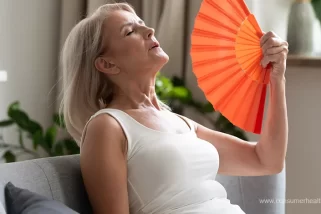
Palpitations can be felt more easily when you are experiencing hot flashes, night sweats, or during stressful situations. These changes might raise your heart rate momentarily and heighten consciousness of your own heartbeat.
Caffeine, Alcohol, and Nicotine
Commonly known stimulants are caffeine, alcohol, and Nicotine; they all can affect heart rate. Women may develop palpitations or notice them getting worse because of one or more of these factors.

Causes of Irregular Heartbeat
Medications And Other Health Conditions
Some cough and cold medications can alter heart rate. A malfunctioning thyroid would give rise to other symptoms that are quite similar to the palpitations that come as part of menopause, so one needs to check what is really causing the problem.
Dehydration, Low Blood Sugar, and Overexertion
Skipping meals, going for very long durations without eating, and exercising excessively hard can trigger the sensation of a racing or fluttering heart. Dehydration is often temporary in nature but can mean a heightened awareness of heartbeat for a short period of time.
When to Get it Checked
If palpitations arise only rarely, it’s less likely to be serious. But if these episodes happen frequently, last for a long time, or get worse, it is not safe to take it as the consequence of menopause.
Contact your doctor if chest pain, shortness of breath, or dizziness accompany palpitations, as these are among the symptoms whose timely assessment is a necessity.
How to Reduce Irregular Heartbeat During Menopause
The good news is that a few simple changes may help make menopausal palpitations less frequent or noticeable. Here are some practical ways to help manage an irregular or racing heartbeat during menopause.
1. Cut Back on Caffeine and Alcohol
Coffee, energy drinks, tea, etc, may be worth cutting back, along with alcohol, particularly if you notice more irregular heartbeats after drinking. If you notice a clear pattern, reducing or avoiding the trigger may help.
2. Manage Stress and Anxiety
Stress tends to make palpitations feel stronger and more frequent, so finding a few simple ways to calm the nervous system down genuinely helps. Deep breathing, a short walk, meditation, even just a few quiet minutes carved out of a stressful day can make a real difference.
3. Prevent Blood Sugar Dips
Go too long without eating, and it’s easy to end up feeling shaky, weak, or suddenly aware of your own heartbeat in an unsettling way. Regular, balanced meals can help here: protein, fiber, healthy fats; this combination tends to keep energy and blood sugar a lot more stable throughout the day.
4. Prioritize Sleep
Poor sleep can make palpitations a lot easier to notice than they’d otherwise be. According to a study in Climacteric, sleep disruptions and night sweats significantly increase the frequency of menopausal heart palpitations. A regular sleep schedule and calming bedtime routine may help, especially if hot flashes or night sweats disrupt your sleep.
5. Stay Hydrated
Not drinking enough fluids can sometimes contribute to that racing or fluttering feeling in the heart. It’s worth keeping water nearby through the day and drinking regularly, especially during hot weather, after exercise, or whenever you’re sweating more than usual.
6. Eat a Heart-Healthy Diet
Try to build your meals around nutrient-rich foods, including vegetables, fruits, whole grains, lean proteins, nuts, and seeds. Cutting back on highly processed foods and excess sodium helps too; both play a role in supporting overall cardiovascular health.
7. Get Regular, Moderate Exercise
Regular movement supports heart health and can genuinely help with stress, sleep, and menopause symptoms more broadly. A study featured in Aging and Disease highlighted that consistent physical activity helps restore autonomic cardiovascular control during postmenopause.
So, start with manageable activities like walking, cycling, swimming, or light strength training, then gradually increase the intensity.
8. Ask About HRT
If palpitations occur with other menopause symptoms, talk to a healthcare professional about whether HRT may be appropriate. A systematic review by Sheng et al. found that hormone therapy may help improve autonomic function and reduce palpitation severity.
But HRT isn’t right for everyone, so medical history, symptoms, and potential risks all need to be weighed before actually starting it.

Know When to Get Checked
When to See a Doctor
Occasional palpitations during menopause may not be a cause for concern, but frequent or unusual changes in your heartbeat are worth discussing with a healthcare professional.
Make a routine appointment if palpitations are persistent, happen often, last more than a few minutes, or are triggered by exercise. It’s also a good idea to check in if they don’t improve after about three months of new symptoms or treatment.
Seek urgent or emergency care if palpitations show up alongside any of the following:
- Chest pain or tightness
- Fainting or severe dizziness
- Sudden weakness on one side of the body or slurred speech
- Severe shortness of breath
These symptoms can sometimes be signs of a serious heart or circulation problem, so they shouldn’t always be blamed on menopause. If severe symptoms start suddenly, seek emergency care instead of waiting for a regular appointment.
Bottom Line
Symptoms like palpitations during menopause are quite common. Typically, they may go away without any intervention. Limiting caffeine and alcohol may prove beneficial. A healthy and well-balanced diet is important, as well as staying hydrated, getting enough sleep, and reducing stress.
It also helps to be aware of when the palpitations happen, their duration, and what you were doing right before the onset, as it can reveal what may be triggering the palpitations. If palpitations persist or worsen, don’t assume they’ll go away on their own. If they become severe or occur with chest pain, fainting, or difficulty breathing, seek emergency care immediately.
Was this article helpful?
3 Sources
We review published medical research in respected scientific journals to arrive at our conclusions about a product or health topic. This ensures the highest standard of scientific accuracy.
[2] Autonomic Cardiovascular Damage during Post-menopause: the Role of Physical Training : https://pmc.ncbi.nlm.nih.gov/articles/PMC3843649/
[3] Effect of Menopausal Symptom Treatment Options on Palpitations: A Systematic Review : https://pmc.ncbi.nlm.nih.gov/articles/PMC9710005/






 This article changed my life!
 This article was informative.
 I have a medical question.
 This article contains incorrect information.
 This article doesn’t have the information I’m looking for.