Medically Cited
If you notice an excess of hair in your brush or on your pillow, or in your shower drain, it can be disturbing. Some shedding is a natural part of the hair growth cycle, however. People typically worry when they see more hair falling out, the scalp shows through, or the hairline begins to recede.
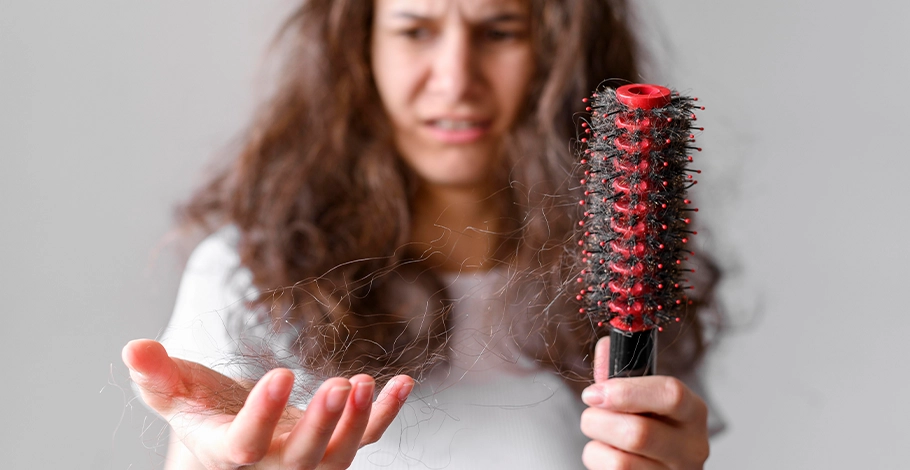
There is not just one single reason for hair loss. Hair follicles can become smaller over time, hormonal fluctuations can stall growth and significant stress can accelerate more hairs into the shedding cycle. Other factors include diet, illness, medication, styling and scalp conditions.
Since there are a number of variables that can happen simultaneously, it’s sometimes essential to understand the pattern and timeframe of hair loss before you can determine what is causing the hair loss.
How Much Hair Loss Is Normal?
The scalp doesn’t grow every hair strand at the same rate and time. Each follicle experiences an active growth phase, a brief transition phase, a resting phase, and will fall out. Of all the hairs on the scalp at any moment in time, a larger proportion are growing, and a lesser proportion are resting and shedding.
The American Academy of Dermatology says it is normal to lose about 50 to 100 hairs a day. The exact number can be difficult to judge because long strands appear more noticeable, and wash-day shedding may include hairs that loosened over several days.
If hair is falling out dramatically, through a prolonged period of time, in defined patches or visibly thinning, it’s time to consider treatment. A widening part, receding hairline, smaller ponytail, or unusual amount of hair on clothing may be more useful clues than trying to count individual strands.
Common Causes of Hair Loss
The hair cycle may sometimes be disturbed, causing hair to fall out, or the hair follicles may become damaged, or the hair may weaken and break. The following are some of the most common causes.
Genetic Hair Loss
The most prevalent inherited type is androgenetic alopecia or male- or female-pattern baldness. It is caused by genetic sensitivity of the follicles and excessive reaction to androgen hormones. With time, the follicles narrow and shorten and produce finer hair.
One area men typically find themselves with receding hair is at the temples or thinning at the crown. Women are more likely to have patches of balding on top of the scalp or a hair part that’s going wider, leaving the forehead line mostly intact.
Hair loss that’s caused by genetics typically occurs over a period of time. It does not usually clear up on its own but diagnosing it early can help manage hair loss and help to better respond to treatment.
Hormonal Changes
Hormones play a key role in the regulation of the hair cycle, and significant hormonal changes may result in visible hair loss or thinning. Hair may appear thicker while pregnant, and then shed more after the delivery, when estrogen levels drop. This postpartum shedding is generally a temporary form of telogen effluvium.
Menopause can also play a role in thinning, especially in those who are at a genetic risk for pattern balding.
Alternatively, some thyroid issues can lead to hair thinning all over your body, and an increased androgen problem, like PCOS, can lead to scalp hair loss in addition to irregular periods or an excess of facial hair. Thinning, dry hair is also a known sign of hypothyroidism.
There is some benefit in treating the underlying hormonal problem, but the cause has to be correctly assessed and not assumed.
Stress and Physical Changes

Stress Can Trigger Temporary Hair Shedding
Telogen effluvium can be caused by emotional stress, high fever, illness, surgery, and sudden weight loss, severe illness, or childbirth. With this condition, more follicles will enter the resting phase than normal leading to diffuse shedding, sometimes weeks or months after the triggering event.
This delay can make the connection easy to miss. It’s possible for a person to feel physically better before you notice that their hair is just starting to fall out. A published review of telogen effluvium confirms that emotional stress, physical trauma, illness and some medication can interfere with the normal hair cycle.
In most cases, the condition of Telogen effluvium will improve after the trigger. It will take several months, though, to make hair regain its previous density, as new hair grows slowly.
Nutritional Deficiencies
Hair follicles are highly active structures that need sufficient amounts of energy and protein, vitamins and minerals. Avoiding certain foods or having eating disorders, malabsorption, heavy periods or fast weight loss programs can put a person at risk of developing nutritional deficiencies that would hinder the growth of hair.
Diffuse shedding is often evaluated in cases of low iron stores, especially when combined with other symptoms of iron-deficiency such as fatigue or weakness, pale skin, shortness of breath, or heavy periods. Low iron isn’t the cause of all cases of hair loss, but it is associated with iron-deficiency anemia.
In some, Vitamin D deficiency, zinc deficiency, protein deficiency or other deficiencies may play a role as well. A study on the vitamins and minerals associated with hair loss investigated the potential function of iron, vitamin D, zinc, selenium, and more in nonscarring hair loss.
But high doses of supplements taken without testing are not necessarily beneficial. Too much of some nutrients can also lead to hair loss, according to research. Biotin supplements, for example, have limited evidence for improving hair growth in people who do not have a genuine deficiency.
Medical Conditions and Autoimmune Disorders
In alopecia areata, the immune system attacks the hair follicles, which results in smooth, round patches of baldness on the scalp, beard, eyebrows and/or other parts of the body. It can either come on suddenly and involve only a limited extent of the body or in rare cases, the whole body.
Certain autoimmune disorders like lupus can also cause hair loss, either due to inflammation or scarring. Scarring types of alopecia need timely medical care as continual inflammation can have permanent effects on the follicles.
Scalp infections including fungal infections like tinea capitis can lead to patchy hair loss, scaling, itching, tenderness or broken hairs. Other causes include anemia, thyroid problems, chronic inflammatory conditions and some systemic diseases.
Several different types of hair loss can appear similar in the beginning, which is where a dermatologist can come in handy to help provide diagnosis.
Medications and Treatments
Certain drugs have the effect of putting follicles into a resting state and increasing shedding. Others disrupt the living cells and can contribute to quicker hair loss.
While cancer chemotherapy drugs are well known triggers, other medicines can affect the appearance of the hair too, such as blood pressure, blood-thinning, mood, hormonal, acne or immune system disorders. Sometimes, radiation therapy can result in hair loss in the area that is being treated.
Reaction will vary depending on the medication, dosage and individual sensitivity. The shedding can start immediately after the treatment or several months later.
Never discontinue a prescription drug just because of hair loss. A health care professional can check the timing, see if there are other causes and let you know if another treatment is needed.
Hair Care Practices and Lifestyle Factors
Not all strands are lost from the root. Frequent bleaching and chemical relaxing, brushing too coarsely and towel drying too aggressively can make the hair shaft weaker and cause breakage.
Repeated pulling of the ponytails, braids, extensions, cornrows or buns over the same area can create traction alopecia, particularly around the hairline and temple area. Early hair loss due to traction can get better if the tension is stopped. If pulled on, however, it can cause damage to follicles and cause permanent loss.
The American Academy of Dermatology advises gentle brushing and avoiding the practice of repeatedly tugging or pulling on vulnerable hairs. It also recommends getting a dermatological diagnosis if they are experiencing hair thinning, as this could be caused by other factors besides hair care.
Bad sleeping habits, smoking, crash diets, and poorly managed stress can also impact hair and scalp. These factors frequently interact with genetics, nutritional problems, or medical conditions rather than acting as the only cause.
Temporary vs Permanent Hair Loss: What’s the Difference?
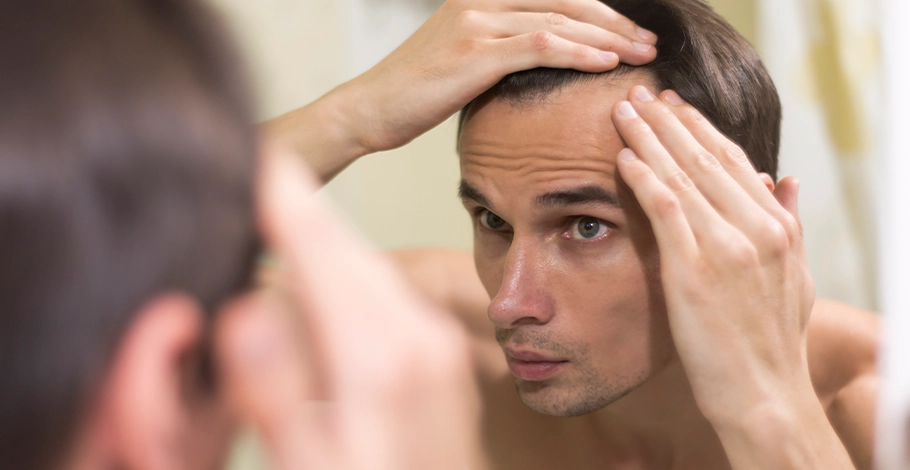
Temporary shedding vs lasting hair loss
Temporary hair loss usually occurs when the follicles remain alive but the normal growth cycle has been interrupted. Telogen effluvium following illness, childbirth, severe stress, rapid weight loss, or nutritional deficiency may improve after the trigger is identified and corrected.
New growth takes time. In many cases, reduced shedding is noticed before the hair begins to feel fuller. For example, temporary shedding following an illness may begin improving within several months, although complete recovery varies from person to person.
Permanent or progressive hair loss involves ongoing follicle miniaturization or destruction. Genetic pattern hair loss generally requires long-term management, while scarring alopecia can permanently destroy follicles.
Traction alopecia may be reversible when addressed early but can become permanent after prolonged tension. The difference is not always obvious from appearance alone, which is why an accurate diagnosis matters.
When Should You See a Doctor for Hair Loss?
Arrange a medical or dermatological evaluation when hair loss is sudden, rapidly worsening, or continuing without an obvious explanation. Smooth bald patches, scalp pain, burning, redness, scaling, sores, pus, or significant itching also deserve attention.
You should also seek professional advice when hair loss is accompanied by symptoms such as:
- Persistent fatigue or weakness
- Unexplained weight gain or weight loss
- Menstrual changes
- Joint pain or fever
- Increased facial hair or severe acne
- Changes in the eyebrows or eyelashes
- Signs of anemia or thyroid dysfunction
A healthcare professional may examine the scalp, review medications and recent health events, and order blood tests when iron deficiency, thyroid disease, hormonal imbalance, or another medical condition is suspected.
Early assessment is particularly important when scarring or inflammatory hair loss is possible. In many cases, the sooner the underlying problem is identified, the better the chance of protecting the remaining follicles.
How to Support Healthy Hair Growth
Start with the basics rather than chasing a single miracle ingredient. Eat enough protein and include a varied range of vegetables, fruits, whole grains, legumes, healthy fats, and iron-rich foods.
People following restrictive diets or experiencing heavy periods, digestive problems, or rapid weight loss may benefit from discussing nutritional testing with a healthcare professional. Supplements are most useful when they address an identified deficiency rather than being taken randomly.

Support Healthy Hair Growth
Treat the hair gently. Limit unnecessary bleaching and extreme heat, use a wide-tooth comb on fragile strands, and loosen hairstyles that create pulling or scalp discomfort. Choosing milder products and allowing hair to air-dry occasionally may also reduce breakage.
Managing stress, maintaining consistent sleep, and treating dandruff or scalp inflammation may support a healthier environment for growth. However, these habits cannot replace treatment for an autoimmune condition, genetic hair loss, or an untreated thyroid disorder.
Most importantly, address the cause. Hair growth products and supplements are unlikely to provide meaningful results when the underlying trigger remains untreated.
Final Words
Hair loss can develop for many reasons, and the visible pattern tells only part of the story. Genetics, hormones, stress, nutrition, illness, medication, and daily styling habits may each affect the follicle or hair shaft. In some people, more than one cause is present.
Temporary shedding often improves after the trigger is identified and corrected, while genetic or scarring forms may require earlier and longer-term care. Persistent, unexplained, patchy, or symptomatic hair loss should not be ignored.
A healthcare professional or dermatologist can help identify the root cause and recommend an approach suited to the specific type of hair loss. Understanding why the hair is falling is far more useful than trying treatments at random.
Was this article helpful?
3 Sources
We review published medical research in respected scientific journals to arrive at our conclusions about a product or health topic. This ensures the highest standard of scientific accuracy.
[2] Telogen Effluvium: A Review of the Literature : https://pmc.ncbi.nlm.nih.gov/articles/PMC7320655/
[3] The Role of Vitamins and Minerals in Hair Loss: A Review : https://pubmed.ncbi.nlm.nih.gov/30547302/







 This article changed my life!
 This article was informative.
 I have a medical question.
 This article contains incorrect information.
 This article doesn’t have the information I’m looking for.