

 Medically Cited
 0 Reviews
  Specs
Specs Ask a Question
 Write a Review
In This Review
Overview
La Roche Posay Eye is part of the dermatologist-trusted La Roche-Posay brand, known for creating skincare products tailored to sensitive skin. The primary reason people choose this eye cream is that it claims to address common concerns, including puffiness, dark circles, fine lines, and dryness.
The product is gaining attention among individuals seeking a reliable, dermatologist-tested option to enhance the appearance of their under-eye area. With ingredients such as niacinamide for discoloration, glycerin for hydration, and phe-resorcinol for brightness, it promises to deliver visible improvements in skin tone and texture.
La Roche Posay Eye claims to hydrate, smooth fine lines, and reduce visible pigmentation, while remaining gentle enough for those with sensitive or allergy-prone skin. However, its higher price compared to drugstore alternatives and mixed customer experiences may lead some users to question its value.
So, how well does La Roche Posay Eye really work, and is it worth the investment for those dealing with stubborn dark circles and under-eye puffiness? This review provides a closer examination of its claims, benefits, and drawbacks.
What Is La Roche Posay Eye?
La Roche-Posay Eye Cream is a cream designed for the delicate skin around the eyes. It aims to reduce puffiness, lighten dark circles, smooth fine lines, and restore hydration. The formula includes ingredients such as glycerin for moisture, niacinamide to improve tone, and pheresinol to target discoloration.
Some people like it because it is dermatologist-tested and formulated for sensitive skin, while others wonder if the improvements are noticeable enough to address issues like deeper wrinkles or persistent dark circles. Many also appreciate that it feels lightweight and layers well under makeup.
But can one cream really help with puffiness, dark circles, and fine lines simultaneously? And how does La Roche Posay Eye compare with other eye creams in its price range?
This review provides a closer examination of its claims to determine where La Roche Posay Eye works best and where it may fall short of expectations.
How Does La Roche Posay Eye Rate According To Our Experts?
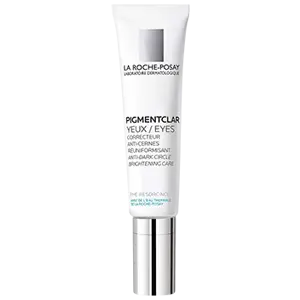 La Roche Posay Eye


Brand Highlights
- La Roche-Posay is a French skincare brand backed by dermatological research.
- A leader in dermatologist-recommended skincare solutions.
- Trusted by over 90,000 dermatologists worldwide.
- Part of the L’Oréal Group, providing global recognition and quality.
- Offers solutions for aging, hydration, and pigmentation.
- Commitment to safety, tolerance, and proven efficacy.

Key Ingredients
- Glycerin
- Dimethicone
- Niacinamide
- Silica
- Iron Oxides
- Phe-Resorcinol (Phenylethyl Resorcinol)
- Titanium Dioxide
Pros
- Effective for hydration and reducing dryness around the eyes.
- Dermatologist-tested and suitable for many with sensitive skin.
- Lightweight texture that works well under makeup.
Cons
- Higher price compared to similar eye creams in the U.S. market.
- Some users report little to no improvement in dark circles.
- May irritate individuals with highly sensitive skin.
- Results can take weeks or months to appear.
- Limited visible results for severe puffiness or deeper wrinkles.
- Return policy varies by retailer and may not always be flexible.
About The Brand/Manufacturer
La Roche-Posay is a French skincare company renowned for developing dermatologist-tested products specifically designed for sensitive skin. It is part of the L’Oréal Group, one of the most prominent names in the global beauty industry. The brand focuses on science-backed solutions and has built its reputation on safety, tolerance, and clinically tested results.
The company is based in France, where its products are developed under strict dermatological standards. Many of its formulas feature La Roche-Posay Thermal Spring Water, valued for its soothing and antioxidant properties.
La Roche-Posay is trusted by over 90,000 dermatologists worldwide and is widely available in pharmacies and skincare outlets. Popular in both Europe and the United States, it has become a leading choice for individuals seeking effective treatments for issues such as dark circles, fine lines, and puffiness around the eyes.
How Does La Roche Posay Eye Work?
La Roche Posay Eye works by targeting common under-eye concerns with a combination of hydrating, brightening, and soothing ingredients. Glycerin helps the skin retain moisture, keeping the delicate eye area plump and less prone to fine lines. Niacinamide helps maintain an even tone by reducing discoloration and strengthening the skin’s barrier. Phe resorcinol is included for its ability to reduce visible pigmentation, which can make dark circles appear less noticeable.
The product also utilizes lightweight silicones, such as dimethicone, to create a smooth surface, which helps soften the appearance of fine lines. Mineral pigments, including iron oxides and titanium dioxide, add a subtle tint that can brighten tired eyes.
A study in Dermatology Research and Practice compared niacinamide cream with hydroquinone for the treatment of melasma. Both reduced pigmentation, but niacinamide also improved skin inflammation and sun-related damage. While hydroquinone showed slightly higher results, niacinamide had fewer side effects, making it a safer and more effective option for managing melasma and improving overall skin appearance in patients (1).
La Roche Posay Eye Ingredients – Are They Safe & Effective?
La Roche Posay Eye features a blend of dermatologically tested ingredients designed to hydrate, smooth, and brighten the under-eye area. Below is a closer look at its seven main ingredients and their benefits:
Glycerin
Glycerin is a plant-derived humectant that pulls water into the outer layer of the skin. In La Roche Posay Eye, it helps the under-eye area stay hydrated, plump, and less prone to fine lines. As documented in our Vital Promise Anti-Wrinkle Cream Review (another supplement containing this ingredient) it keeps the skin hydrated, soft, and smooth. It also helps improve skin barrier function, which can protect against dryness and environmental damage.
A review published in the British Journal of Dermatology explains that glycerol supports skin hydration, strengthens the barrier, and improves elasticity. It helps protect against irritation, aids wound healing, and may even provide antimicrobial effects. Glycerol is particularly beneficial in conditions such as atopic dermatitis and dry skin, enhancing comfort in cold or dry environments (2).
Dimethicone
Dimethicone is a silicone-based emollient that forms a protective layer over the skin, helping reduce water loss. In La Roche Posay Eye, it leaves the under-eye skin soft, smooth, and prepped for makeup application. Its non-comedogenic quality makes it safe for sensitive skin.
A study published in Veterinary Medicine International tested a 2% dimethicone skin protectant on dogs with atopic dermatitis. After four weeks, the treatment showed no significant improvement in symptoms or skin barrier compared to the control. While dimethicone is often used in skincare, this pilot study suggests limited effectiveness in managing canine atopic dermatitis (3).
Niacinamide
Niacinamide, a stable form of vitamin B3, offers multiple benefits. Our Article on 19 Best Niacinamide Serums for Brighter, Smoother, and Bouncier Skin shows that it helps brighten dark circles, calm irritation, and strengthen the skin’s barrier. It also improves elasticity and reduces pigmentation over time.
A study in the British Journal of Dermatology found that niacinamide can reduce skin pigmentation. It works by blocking melanosome transfer, a process that contributes to the formation of dark spots. In clinical trials with Japanese women, creams containing niacinamide significantly reduced hyperpigmentation and made the skin appear lighter within four weeks, demonstrating its potential as an effective skin-brightening ingredient (4).
Silica
Silica is a fine, lightweight mineral powder that provides a soft-focus effect, giving skin a smoother look. In La Roche Posay Eye, it blurs the appearance of fine lines and absorbs excess oil around the eyes, helping the skin look refreshed.
A study in the International Journal of Molecular Sciences reported that encapsulating retinol in silica microparticles improves its stability, safety, and effectiveness. The process protects retinol from oxidation, allows for controlled release, and reduces the risk of irritation. These findings suggest that silica-encapsulated retinol is a safe and effective option for cosmetic and dermatological use (5).
Iron Oxides
Iron oxides are mineral pigments that add natural tint and coverage. In La Roche Posay Eye, they help reduce the visibility of dark circles while also offering subtle protection against visible light, including blue light from screens. This dual action makes the under-eye area appear brighter and more shielded.
A study published in the Journal of Drugs in Dermatology showed that iron oxide-containing formulas can protect skin from visible light, which standard sunscreens do not block. These formulations reduced pigmentation in individuals with darker skin tones and also provided cosmetic coverage. This highlights their dual benefit of preventing new pigmentation while masking existing discoloration (6).
Phe-Resorcinol (Phenylethyl Resorcinol)
Phe-Resorcinol is a synthetic brightening agent designed to reduce hyperpigmentation. In La Roche Posay Eye, it works to lighten dark circles and promote a more even skin tone. Its effectiveness lies in limiting melanin production, the leading cause of discoloration.
A study published in the European Journal of Pharmaceutical Sciences examined methods to stabilize phenylethyl resorcinol, a potent skin-lightening agent. Researchers found that using smartLipids technology with UV blockers, such as Tinosorb S, prevented discoloration and improved stability. This approach enables the creation of effective and market-ready formulations of phenylethyl resorcinol, eliminating the reddish discoloration observed in earlier versions (7).
Titanium Dioxide
Titanium dioxide is a mineral-based physical sunscreen filter that reflects harmful UVA and UVB rays. In La Roche Posay Eye, it protects delicate under-eye skin while adding gentle pigmentation to brighten the area. Its non-irritating nature makes it suitable for sensitive skin.
A review in Nanotechnology Science and Application confirmed titanium dioxide’s role as a safe and effective broad-spectrum sunscreen, supporting its use in products designed for sensitive skin zones, such as around the eyes (8).
How To Use La Roche Posay Eye?
Using La Roche-Posay Eye Cream correctly can help maximize its benefits for hydration, brightness, and a smoother-looking skin. The application is straightforward and should be incorporated into your daily skincare routine.
Steps to Apply:
- Gently cleanse your face and pat the skin dry.
- Take a pea-sized amount of the cream.
- Apply small dots under the eyes and on the crow’s feet.
- Use your ring finger to gently tap until the product is fully absorbed.
- Apply morning and evening for best results.
Benefits of La Roche Posay Eye
La Roche-Posay Eye is designed to improve the appearance of the delicate under-eye area. The brand suggests several potential benefits:
- Hydrates delicate skin
Glycerin draws water into the outer layer of skin and locks it in. This helps the under-eye area stay plump, soft, and less prone to dryness or fine lines. - Reduces the look of dark circles
Niacinamide and Phe-Resorcinol work together to reduce discoloration and visible pigmentation. With consistent use, the under-eye area may appear brighter and more evenly toned. - Smooths fine lines
Dimethicone forms a protective layer on the skin, locking in moisture and providing a smoother texture. This reduces the appearance of crow’s feet and small wrinkles around the eyes. - Brightens tired eyes
Iron oxides and titanium dioxide act as light-reflecting pigments. They give the under-eye skin a subtle tint, helping tired eyes look more refreshed and awake during daily wear. - Gentle on sensitive skin
The formula avoids harsh irritants and fragrances, making it safe for many with sensitive or allergy-prone skin. It is dermatologist-tested for safety and tolerance on delicate skin.
La Roche Posay Eye Side Effects
Does La Roche Posay Eye have side effects? Yes, some users may experience mild irritation, redness, or stinging around the eyes. This is more common among individuals with very sensitive skin or allergies to specific ingredients.
That said, what are the most common side effects? The most reported issues include slight dryness, itching, or temporary discomfort after application. In rare cases, mineral pigments may cause sensitivity in individuals prone to skin reactions.
How can side effects be managed? Perform a patch test before first use and apply only a pea-sized amount. If irritation persists or worsens, discontinue use and consult a dermatologist for guidance.
Safety Of La Roche Posay Eye
Is La Roche Posay Eye safe to use? Yes, La Roche Posay Eye is dermatologist-tested and formulated to be gentle on the skin. The brand is well-known for clinically testing its products for safety and tolerance.
Is it safe for sensitive skin? The formula is free from harsh irritants and fragrances, making it suitable for individuals with sensitive or allergy-prone skin. However, patch testing is recommended before full use.
While generally safe, it has not been specifically tested for use in children under 12. Pregnant or breastfeeding women should consult a healthcare provider before adding it to their routine.
La Roche Posay Eye Pricing And Availability
The cost of La Roche-Posay Eye products can vary depending on the retailer, geographic location, and any ongoing promotions or discounts. It is generally priced within the mid-to-high tier range of skincare products.
Consumers are advised to check the official La Roche-Posay website or authorized retailers to confirm the latest pricing. The brand’s website often provides comprehensive product descriptions, customer reviews, and exclusive offers.
La Roche Posay Eye is available through multiple channels, including online platforms, skincare outlets, dermatologists’ offices, and pharmacies. Availability may differ by region, so it is best to verify with local retailers. Online shopping is also an option, giving buyers access to promotions, price comparisons, and shipping to various locations.
La Roche Posay Eye Customer Reviews
La Roche Posay Eye has received mixed feedback from users, with ratings ranging from 1 to 3 out of 5. Here are some genuine customer insights:
The first reviewer mentioned that La Roche Posay Eye did not meet their expectations for anti-aging benefits. They rated it a 2 out of 5, stating that while the texture was pleasant, they did not see noticeable changes in their fine lines.
Another user: Gave the product a 1 out of 5. They found the scent to be off-putting and experienced mild irritation around the eye area, leading them to discontinue usage after a few tries.
A third customer: Rated it a 2.5 out of 5. They acknowledged that the cream provided some hydration but felt it fell short in addressing their dark circles and puffiness effectively.
The penultimate review: Is from an individual who rated the product a 3 out of 5. They appreciated the lightweight feel but noted that the results were not as pronounced as they had hoped, especially for the price point.
Lastly, a user: Awarded it a 1.5 out of 5, expressing disappointment with the product’s packaging, which they found defective. They also mentioned minimal improvement in skin texture after several weeks of use.
FAQs About La Roche Posay Eye
Q: Does La Roche Posay Eye help reduce dark circles?
A: Yes, La Roche-Posay Eye is formulated with ingredients like niacinamide and phenoxyresorcinol that help improve pigmentation. With consistent use, it may help lighten dark circles; however, results often depend on the individual’s skin type and the severity of discoloration.
Q: Can La Roche Posay Eye be used on sensitive skin?
A: The product is designed with sensitive skin in mind and is dermatologist-tested for safety. Many users with delicate skin tolerate it well, but patch testing is always recommended to reduce the risk of irritation or redness.
Q: How often should La Roche Posay Eye be applied?
A: Most users apply La Roche-Posay Eye cream twice daily, in the morning and evening, for optimal results. A small pea-sized amount is sufficient; gently tap it into the skin under the eyes until fully absorbed.
Q: Is La Roche Posay Eye suitable for contact lens wearers?
A: Yes, the formula is developed to be gentle around the eyes and is often suitable for contact lens wearers. However, care should be taken to avoid direct contact with the eyes during application.
Q: Where can I buy La Roche Posay Eye?
A:You can grab La Roche Posay Eye from Amazon or Walmart! It’s super convenient, and you might even snag a great deal, so be sure to check both sites.
Q: Where can La Roche Posay Eye be purchased?
A: It can be purchased from the official La Roche-Posay website, as well as from online retailers, skincare stores, dermatologists’ offices, and pharmacies. Availability may vary by region, so checking local retailers or ordering online is recommended for convenience.
La Roche Posay Eye Review – Final Verdict
La Roche-Posay Eye provides a lightweight formula with hydrating and brightening ingredients, including niacinamide and pheresinol. It may help improve skin texture, provide subtle coverage, and deliver hydration for individuals with mild under-eye concerns. The fragrance-free, dermatologist-tested formulation also makes it an option for those with sensitive skin.
However, many reviews highlight limitations. Several users report minimal improvement in fine lines, dark circles, and puffiness, even after consistent use. Others note irritation, off-putting scent, or packaging flaws that affected their experience. Considering the mid-to-high price range, the value for money may not meet expectations for those seeking more visible or advanced anti-aging results. The lack of a clear money-back guarantee also reduces its appeal.
Overall, La Roche-Posay Eye may be suitable for users seeking a gentle, hydrating under-eye product with clean ingredients. Those who expect significant wrinkle reduction or rapid results may want to explore more effective alternatives.
The most common eye area issues are puffiness, dark circles, wrinkles and crow's feet, and loss of hydration. There are countless eye gel-creams available on the market today, making it seem nearly impossible to find the “right one” that meets our specific under eye needs. It is imperative to find a product that has been formulated to address a variety of complex eye area problems.
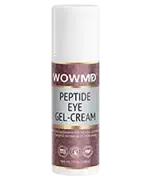
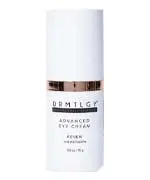
Below you'll find some of the most effective eye gel-cream formulations on the market today, in our opinion.

Verdict on Claimed Benefits: Below is our summary of the available evidence for the claimed benefits of below mentioned anti-aging eye gel-creams and eye serums based on the available research:

Product reviews are provided for informational purposes only and reflect solely the views and opinions expressed by the contributors and not those of Consumer Health Digest. We do not verify or endorse any claims made in these reviews. Please read the full product reviews disclaimer. *All individuals are unique. Your results can and will vary.
 Ask a Question
Have a Question? Please Tell Us What We Are Missing Here!
Upload Your Video Review
How to record video?
- Prepare your device, ensuring it's charged and has enough storage.
- Find a quiet, well-lit space with natural or good indoor lighting.
- Position your device and frame yourself in the center with head and shoulders visible.
- Introduce yourself, the product, and why you chose it.
- Share your experience, including positives, negatives, and recommendations.
- Test audio and video to ensure they're working properly.
- Keep the video concise, aiming for 1-3 minutes.
- Review your recording for quality and clarity.
- Upload your video.
Video recording details:
- Video duration: 1 - 3 minutes
- Video Quality: Full HD (1080p and above)
- Video format: MP4
- Audio Quality: Clear without background noise
8 Sources
We review published medical research in respected scientific journals to arrive at our conclusions about a product or health topic. This ensures the highest standard of scientific accuracy.
[1] A Double-Blind, Randomized Clinical Trial of Niacinamide 4% versus Hydroquinone 4% in the Treatment of Melasma: https://pmc.ncbi.nlm.nih.gov/articles/PMC3142702/
[2] Glycerol and the skin: holistic approach to its origin and functions: https://pubmed.ncbi.nlm.nih.gov/18510666/
[3] Pilot Study to Evaluate the Effect of Topical Dimethicone on Clinical Signs and Skin Barrier Function in Dogs with Naturally Occurring Atopic Dermatitis: https://pmc.ncbi.nlm.nih.gov/articles/PMC3654275/
[4] The effect of niacinamide on reducing cutaneous pigmentation and suppression of melanosome transfer: https://pubmed.ncbi.nlm.nih.gov/12100180/
[5] Silica Microparticles from Sugarcane By-Products as an Encapsulation System for Retinoids Aimed at Topical Sustained Release: https://pmc.ncbi.nlm.nih.gov/articles/PMC10970169/
[6] Impact of Iron-Oxide Containing Formulations Against Visible Light-Induced Skin Pigmentation in Skin of Color Individuals: https://pubmed.ncbi.nlm.nih.gov/32726103/
[7] Phenylethyl resorcinol smartLipids for skin brightening - Increased loading & chemical stability: https://pubmed.ncbi.nlm.nih.gov/31302211/
[8] Titanium dioxide and zinc oxide nanoparticles in sunscreens: focus on their safety and effectiveness: https://pmc.ncbi.nlm.nih.gov/articles/PMC3781714/
**This is a subjective assessment based on the strength of the available informations and our estimation of efficacy.
*Result may vary. The information contained in this website is provided for general informational purpose. No medical claims are implied in this content, and the information herein is not intended to be used for self diagnosis or self treatment of any condition.
*Disclosure of Material connection: Some of the links in the post above are "associate sales links." This means if you can click on the link and purchase an item, we will receive a commission. Regardless, we only recommend products or services which we use personally and/or believe will add value to our readers. We are disclosing this in accordance with the Federal Trade Commission's 16 CFR, Part 255: "Guides Concerning the Use of Endorsements and Testimonials."












Customer Reviews & Ratings
1 out of 5Review this Product
Leave a review and share your experience with others.
Write a Review
How to Upload your Proof of Purchase:
Please follow the instructions listed below to upload your electronic proof of purchase.
If you are still not able to upload your proof of purchase, please contact us for further assistance (take a moment to look over the sample bill below).