


 Medically Cited
 2 Reviews
 Specs
 Ask a Question
 Write a Review
Overview
Bloated after dinner more often than you’d like to admit? Noticed your energy dipping by mid-afternoon and wondered if your liver has anything to do with it? You’re not the only one asking.
Liver-focused supplements have exploded in popularity, and Nutreance’s Hepagard is riding that wave with a bold pitch: five natural ingredients, one in-house study, and a promise to ease bloating, heartburn, and fatigue within a month.
At under $40 a bottle, it’s not the priciest option out there, but a low price tag doesn’t automatically mean it’s the right one. Let’s dig into what’s actually backing these claims.
Quick Verdict
Hepagard pairs long-studied liver herbs with NAC, a compound with real clinical history, though mostly in hospital settings rather than everyday wellness use. The 30-day study behind its marketing claims was run in-house and hasn’t been published anywhere outside the company. Reasonable to try for mild digestive discomfort; not a stand-in for medical treatment if you have diagnosed liver disease.
What Is Nutreance Hepagard?
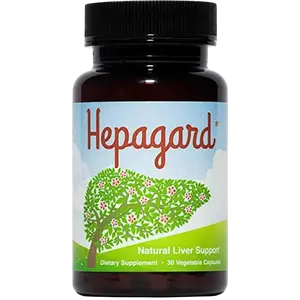
HEPAGARD is a 30-day capsule formulation of five ingredients: N-Acetyl Cysteine, milk thistle, dandelion root, artichoke leaf, and choline bitartrate. These are not “magic” ingredients; they are common in a large number of liver-supportive formulas that are widely used in the industry.
Nutreance frames the product as one that prevents early stages of fatty liver and remedies typical digestive issues such as bloating and heartburn. It’s produced in a New York facility the company describes as GMP-certified and FDA-inspected, and the capsules are labeled vegan, gluten-free, and non-GMO.
How Does Hepagard Rate?


Brand Highlights
- Also makes Hepaclear, a NAC-free alternative for the same purpose.
- Manufacturing takes place in a facility the brand calls GMP-certified.
- Subscription orders can be paused or stopped at any point.
- Every purchase includes a 30-day refund window.

Key Ingredients
- N-Acetyl Cysteine
- Milk Thistle
- Dandelion Root
- Artichoke Leaf Extract
- Choline Bitartrate
Pros
- Combines five ingredients that each have some independent research behind them.
- Capsules are vegan, gluten-free, and non-GMO.
- Refunds are honored even after finishing the bottle.
Cons
- Marketing claims rest on one small, unpublished company study.
- Only 50 people took part in that trial.
- Dandelion root’s liver benefits are mostly shown in animals, not humans.
- Calling it “clinically proven” oversells what a single small trial supports.
- Customer reviews only appear on the company’s own website.
- No public lab reports back up the purity claims.
About the Manufacturer
The company also makes another formula, called Hepaclear, which it markets as more of a citrus-based formula that achieves the same effect as NAC. Sales are made almost entirely from the company’s own website, with a recurring order option called Auto-Delivery also available.
As with most direct-to-consumer supplement companies, Nutreance is the source of its own safety and manufacturing claims, and there’s no easy way for outside reviewers to verify those details without seeing the internal paperwork firsthand.
How Does it Work?
The reasoning behind Hepagard is based on glutathione, a natural anti-oxidant that is crucial for the liver to neutralize toxic substances and maintain the balance of inflammation.
The principle behind Nutreance is that the more fat accumulates in the liver, the less glutathione the liver can produce, so the formula aims to give glutathione a boost from a few angles: NAC, which contains an amino acid that provides the raw materials for the liver to produce
glutathione; milk thistle and artichoke leaf, to help the liver manage fat and provide anti-oxidants; dandelion root, a mild diuretic which helps the liver to get rid of fat; and choline, to help the liver move fat out efficiently.
In theory it sounds like a good idea, but piling on multiple ingredients studied singly doesn’t equal a large-scale, concerted study.
Product Specifications
| Specification | Detail |
|---|---|
| Product Type | Capsule supplement, liver support formula |
| Supply Duration | 30 days |
| Daily Serving | 1–2 capsules (up to 4 for advanced use, max 6/day) |
| Key Actives | N-Acetyl Cysteine, Milk Thistle, Dandelion Root, Artichoke Leaf, Choline Bitartrate |
| Certifications | GMP-certified, FDA-inspected facility (brand-reported) |
| Return Policy | 30-day money-back guarantee |
| Price | $39.95 one-time, discounts on multi-bottle orders |
| Availability | Nutreance official website |
Ingredients
Here’s a rundown of what’s actually in the capsule, and how solid the evidence is behind each one.
N-Acetyl Cysteine (NAC)
is the ingredient doing most of the heavy lifting in the marketing. Its strongest clinical track record comes from hospitals treating acute liver failure, not from healthy people using it as a daily wellness supplement, so its everyday liver-support benefit is less settled than the product implies.
Milk Thistle
is probably the most recognizable liver herb around, and it’s been studied for decades because of that reputation. Still, a Cochrane review looking at alcoholic and viral liver disease found no clear benefit from milk thistle, even though smaller trials focused on fatty liver have shown more encouraging results.
Dandelion Root
has a long folk-medicine history as a digestive bitter and mild diuretic. Animal research suggests it may protect liver cells from oxidative damage, but as of now, there’s no published human trial confirming that same effect, which is a gap worth knowing before you count on it.
Artichoke Leaf Extract
has the most convincing human data of the five. In a randomized trial involving people with fatty liver disease, artichoke extract improved liver enzyme readings and lowered cholesterol compared with a placebo group, making it arguably the strongest ingredient in this formula.
Choline Bitartrate
supports the liver’s ability to move fat out efficiently, and a true choline deficiency is tied to fatty liver in humans. That said, most of the supporting research involves people with diagnosed deficiencies or on IV nutrition, not healthy adults taking a standard capsule dose.
How to Use
Nutreance suggests taking Hepagard first thing in the morning, when the brand says absorption tends to be most effective, though it can be taken with or without food. The standard dose is one to two capsules a day, with two to four recommended for more advanced situations, and a firm ceiling at six capsules daily.
Taking it too close to a meal may just slow down how quickly it kicks in. Talk to your doctor first if you’re managing an existing liver condition or taking other medications.
Potential Benefits
None of this is guaranteed. What follows leans on the company’s internal study or general ingredient research rather than large, independent trials.
- Digestive Comfort
May help to alleviate bloating and heartburn within a few weeks, primarily according to results of the Nutreance’s own 30-day study group. - Liver Enzyme Support
Could help maintain normal liver enzyme levels, drawing on human trial data specific to artichoke leaf and milk thistle. - Energy Levels
May ease feelings of fatigue for some users, according to self-reported results from participants in the company’s trial. - Antioxidant Support
Could help support glutathione production and general antioxidant defense through NAC, based on broader research rather than this exact blend.
Safety and Side Effects
At typical doses, Hepagard’s ingredients are considered generally safe, and Nutreance reports zero adverse effects among participants in its clinical study. That’s reassuring, though a one-month trial with just 50 people isn’t large enough to catch rarer or slower-developing issues.
NAC, milk thistle, and dandelion root have each been linked to occasional mild stomach discomfort, and dandelion specifically isn’t recommended for anyone with gallbladder issues. If you’re pregnant, nursing, managing diagnosed liver disease, or taking prescription medication, check with your doctor before starting, since none of these claims have gone through FDA evaluation.
How Much Does Hepagard Cost?
A single 30-day bottle costs $39.95. Add a second bottle and shipping becomes free; order three and you save an extra $10.
Nutreance also runs an optional Auto-Delivery subscription that can be paused, changed, or canceled whenever you want, and it comes with the same 30-day money-back guarantee as a one-time purchase.
What Customers Are Saying
Ratings on the brand’s site run high overall, averaging 4.6 out of 5 stars, but not every review is glowing, and it’s worth reading a mix before deciding for yourself.
I’d only had my bottle a few days when I noticed the sharp pain under my right ribs finally easing up. It’s been a genuine relief, Amanda wrote.
Another customer, Greg, took a more measured tone:
I wasn’t expecting a miracle from one bottle, especially at this price point. It has helped my dry, itchy skin, but I had to stick with it a while before noticing anything.
A third reviewer, Rachel, summed up a common thread among the more critical feedback:
I felt a little better after a few weeks, but I couldn’t tell how much of that was the supplement versus just eating cleaner that month.
Is Nutreance Hepagard a Scam?
No, it’s a legitimate product from a real, operating company, not a scheme built to vanish with your money. But legitimate isn’t the same as proven. The 30-day study behind Hepagard’s headline numbers involved just 50 participants, was designed and funded by Nutreance itself, and hasn’t turned up in any independent, peer-reviewed source we could locate.
The individual ingredients carry real research, some ingredients more than others, but the specific figures around bloating relief and reduced heartburn come from the company’s own data set, not outside confirmation. Worth keeping in mind before treating this as medically settled.
FAQs
Q: How reliable is Hepagard’s clinical study?
A: It was a genuine placebo-controlled trial, but a small one, just 50 participants, and it was run and funded internally, so it hasn’t gone through independent peer review.
Q: Are there side effects to watch for?
A: The company reports none from its own study, though NAC and dandelion root can occasionally trigger mild stomach discomfort in some people.
Q: What separates Hepagard from Hepaclear?
A: Hepaclear replaces NAC with hesperidin, a citrus bioflavonoid the brand says provides similar support, aimed at customers who’d rather avoid NAC.
Q: Is it safe to take alongside other medications?
A: Nutreance states it’s generally compatible with most prescriptions and over-the-counter drugs, but it’s still worth a quick check with your doctor first.
Q: Does the formula meet dietary restrictions like vegan or gluten-free?
A: Yes, per the label, it’s vegan, gluten-free, and non-GMO.
Q:What happens if it doesn’t work for me?
A: You’re covered by a 30-day money-back guarantee, and Nutreance says that applies even if the bottle is empty.
Conclusion
Hepagard brings together five ingredients that each carry some genuine research behind them, and Nutreance is upfront about where the product is made and how it’s tested. Where the pitch runs ahead of the evidence is independent proof, the headline numbers come from one small, company-run trial rather than outside validation, and a couple of ingredients, dandelion root especially, lean more on animal data than human trials.
It isn’t a scam and it’s unlikely to harm most healthy adults, but it’s also not the easy cures for health that the marketing promises. If digestion is a concern and overall liver health is a priority, it’s a good choice—be sure to tone down the expectations, however, and consult a physician if you have a diagnosed liver issue.
Below you'll find some of the most effective Liver Supplements on the market today, in our opinion.

Verdict on Claimed Benefits: Below is our summary of the available evidence for the claimed benefits of below mentioned Liver Supplements products based on the available research:



Product reviews are provided for informational purposes only and reflect solely the views and opinions expressed by the contributors and not those of Consumer Health Digest. We do not verify or endorse any claims made in these reviews. Please read the full product reviews disclaimer. *All individuals are unique. Your results can and will vary.
2 Customer Reviews for
Customer Reviews & Ratings
2.5 out of 5Review this Product
Leave a review and share your experience with others.
Write a Review
 Ask a Question
Have a Question? Please Tell Us What We Are Missing Here!

Upload Your Video Review
How to record video?
- Prepare your device, ensuring it's charged and has enough storage.
- Find a quiet, well-lit space with natural or good indoor lighting.
- Position your device and frame yourself in the center with head and shoulders visible.
- Introduce yourself, the product, and why you chose it.
- Share your experience, including positives, negatives, and recommendations.
- Test audio and video to ensure they're working properly.
- Keep the video concise, aiming for 1-3 minutes.
- Review your recording for quality and clarity.
- Upload your video.
Video recording details:
- Video duration: 1 - 3 minutes
- Video Quality: Full HD (1080p and above)
- Video format: MP4
- Audio Quality: Clear without background noise

 This article changed my life!
 This article was informative.
 I have a medical question.

 This article contains incorrect information.
 This article doesn’t have the information I’m looking for.







Brandon Kessler
Garrett Hollingsworth