


 Medically Cited
 5 Reviews
  Specs
Specs Ask a Question
 Write a Review
In This Review
Overview
Do you find it hard to talk to people who speak different languages during holidays? Are you looking for easy means to save memories of your trip? It’s important to know that you are not alone because many Americans find it hard to have the best experiences during fun trips.
This is why many people now talk about using specialised tech gadgets to help with these things. However, most of the ones in the market are just empty talk with no real results to show that they actually work.
So what about NeuroView Smart Glasses?
NeuroView Smart Glasses are easy-to-wear AI devices made with components that support real-time translation, calls, video making, and instant help without a phone. It is made to help users communicate better and save memories as they experience them whenever they go to new places.
But what exactly are NeuroView Smart Glasses? Do they really help with communication barriers, calls, voice control, and saving memories? Are there any limitations to note?
This NeuroView Smart Glasses review takes a close look at these AI-powered devices. We will break down how it works, its features, and what users have said about it. This will help you decide whether it fits your needs.
What Are NeuroView Smart Glasses?
NeuroView Smart Glasses are wearable AI-powered glasses made to help with communication, translation, visual recognition, and access to digital help without needing to hold your phone. With over 130+ languages, the glasses are built to support translation anywhere in the world.
The main goal behind the making of NeuroView Smart Glasses is to help users understand and communicate in different languages, while also capturing moments. The device also enables users to receive calls and enjoy open-ear audio for their favorite music.
One key feature of NeuroView Smart Glasses that sets them apart from many others is how the near-ear audio works to help with real-time translation. There is also a built-in AI assistance that helps with calls, reminders, and other functions.
We see from the product details that NeuroView Smart Glasses are made with durable and waterproof materials to prevent rust or damage. It is also rechargeable and designed for easy use, which makes it a good option for those who need long-lasting audio or visual support.
NeuroView Smart Glasses are advertised as smart gadgets designed to help users enjoy their tours or interaction with new environments. They are made for adults, travelers, professionals, remote workers, drivers, and students.
How Does It Rate
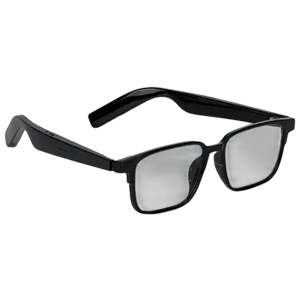 NeuroView Smart Glasses


Brand Highlights
- Fast shipping on its orders.
- Uses quality and durable materials to make its products.
- Known for high safety standards and quality manufacturing practices.
- Offers a 100% money-back guarantee on all its products.
Pros
- Translate and learn over 130+ languages.
- Sleek, comfortable, and easy to use.
- 30-day money-back guarantee.
- Durable material with a long-lasting battery.
- Lightweight and waterproof design.
Cons
- Limited availability due to high demand.
- Limited access, as it is mainly sold on the brand’s official website.
About the Manufacturer
Sapience Group LLC is the brand that makes NeuroView Smart Glasses. The company has its headquarters in the United States and is a consumer technology company that focuses on giving consumers AI-driven wearable devices.
Based on the details we saw on the office website, the company positions itself as a maker of practical, innovative products designed for everyday use. While the company does not provide public details about its manufacturing partners or facilities, it makes NeuroView Smart Glasses using premium and waterproof materials.
Sapience Group LLC does not list specific third-party certifications like GMP or FDA registration, yet the information on its website shows that it follows high safety standards and quality manufacturing practices.
Sapience Group LLC sells most of its products, like NeuroView Smart Glasses, on its official website. The company offers fast shipping anywhere in the world, and all its products are backed by a 100% money-back guarantee within 30 days of purchasing its products.
How Do NeuroView Smart Glasses Work?
NeuroView Smart Glasses are designed to function as a wearable AI system that listens, processes, and responds through voice and visual input.
According to brand information we saw, the built-in microphones pick up spoken language, convert it into digital data, and pass it through an AI language system connected through a paired smartphone. The translated response then plays through open-ear audio speakers, so users hear the results.
The approach for text translation is similar, with only slight differences. A small camera in the frame captures visible words from menus, signs, or documents, and a character recognition software turns that text into readable data, followed by instant translation.
A study we looked at showed that systems like these help more people communicate easily, even if they speak different languages. Using voice recognition and translation together makes it easy to listen. o spoken words and change them into other languages instantly [1].
In addition to this, NeuroView Smart Glasses uses a built-in AI voice assistant that makes it easy for users to give instructions and get responses at the same time. It also uses a blue light filtering lens to protect the eyes from harm that may result from screen exposure.
NeuroView Smart Glasses Components – Are They Safe And Effective?
NeuroView Smart Glasses rely on built-in components designed to support translation, communication, and easy control. Below are the key components of NeuroView Smart Glasses and why each one matters.
Real-Time Voice Translation System
NeuroView Smart Glasses have a real-time voice translation system that allows users to hear spoken language converted into their preferred language almost immediately. Multi-directional microphones capture speech and send it through an AI-based language model. The translated audio then plays through open-ear speakers.
We looked at a review that has considered how modern speech recognition and translation models handle fast language. The review shows that speech and language technology has become very important for travelers, students, airlines, among others [2].
Visual Text Recognition Camera
NeuroView has a discreet camera that reads printed text from menus, signs, books, and documents. The device uses optical character recognition(OCR) to convert visual text into digital form, then translates it into audio or readable output.
OCR systems like this are widely studied. Research published in the International Journal of Applied Mathematics, Electronics and Computers explains how camera-based text recognition improves real-world reading accuracy in digital and mobile devices [3].
Open-Ear Audio Output
We really love this feature in NeuroView Smart Glasses. The open-ear audio system delivers sound near the ear without blocking outside noise. This allows users to hear translations, calls, or music and still be aware of what’s happening around them.
Studies from the Proceedings of the Human Factors and Ergonomics Society Annual Meeting show that open-ear and bone-conduction style audio supports comfort and awareness during extended wear. This makes the glasses great for walking, commuting, and social interaction without isolating the user [4].
Built-In AI Voice Assistant
NeuroView features a built-in AI voice assistant that responds to spoken commands. Users can ask questions, start translations, control calls, or trigger the camera using voice input alone.
Voice-based assistants rely on natural language processing systems like the ones that we saw being discussed in the ACM Digital Library. The study outlines how voice commands reduce manual input and improve task speed in wearable devices [5].
Bluetooth Connectivity System
Bluetooth acts as the link between the glasses and the companion smartphone app. The glasses handle sound capture, playback, and visual input, while other advanced functions are done in the connected device.
Research in the Indonesian Journal of Electrical Engineering and Computer Science explains how Bluetooth Low Energy supports stable data transfer with low power use. This setup keeps the glasses lightweight while maintaining fast response times [6].
Blue Light Filtering Lenses
We loved the fact that NeuroView Smart Glasses have blue light filtering lenses. These lenses are designed to reduce exposure from digital screens.
To know the benefits of blue light filtering, we examined a study in the Cochrane Database of Systematic Reviews. The study notes that blue light filtering may support reduced eye strain during prolonged screen use. Although the others say that more research is needed to fully support the claims [7].
How to Use NeuroView Smart Glasses?
NeuroView Smart Glasses are easy to set up and use each day. Here are the steps to follow to use NeuroView Smart Glasses the right way:
- Pair the glasses with the NeuroView Smart Glasses app on your phone.
- Put on the glasses and adjust them for comfort.
- Use voice control to start features.
- Recharge the glasses after use to maintain the 8-hour battery.
When using the device, avoid exposing it to direct impact, extreme heat, or too much moisture. Charge the device often to keep the battery life healthy.
Benefits of NeuroView Smart Glasses
NeuroView Smart Glasses are made to support clear communication, easy use, and everyday connection. Here are some of the key NeuroView Smart Glasses benefits users may notice:
- Supports real-time language understanding
NeuroView Smart Glasses are made to allow users to hear and understand over 130 languages using live voice translation. This is helpful during travel, meetings, or daily interactions. - Combines calls and audio in one device
NeuroView Smart Glasses allow users to enjoy music and make calls using Bluetooth calling and open-ear audio support, without the need for earbuds. - Captures moments using voice control
NeuroView Smart Glasses come with a built-in camera that responds to voice commands, which makes it easy to take photos without reaching for a phone. - Supports comfort during long wear
With a lightweight design, blue light filtering lenses, and an open-ear sound system, NeuroView Smart Glasses support all-day use with reduced stress and pressure.
Safety of NeuroView Smart Glasses
NeuroView Smart Glasses are made to be wearable for everyday use to support communication and connectivity without stress. But are NeuroView Smart Glasses safe for use? Here is what we found.
NeuroView Smart Glasses does not claim to be a medical device or treatment. While the brand does not list third-party certifications, information we found on the brand’s sites shows that NeuroView follows quality manufacturing practices and high safety standards.
NeuroView Smart Glasses use open-ear audio, so ears remain clear and aware of surroundings, which reduces the risk of accidents. NeuroView Smart Glasses also uses a blue light filtering lens to protect the eyes from harm that may result from screen exposure.
Those with visual conditions or those using hearing aids should consult a healthcare expert before using the product. We recommend that no one use this product in unsafe environments that require full attention.
How Effective Are NeuroView Smart Glasses?
NeuroView Smart Glasses are made to support real-time communication, translation, and access to digital tools. The features used in the device are commonly found in many existing voice recognition, translation, and open-ear audio systems that people rely on when using phones or earbuds.
What distinguishes NeuroView Smart Glasses from these other devices is that it delivers the same benefits using a single wearable device. But do NeuroView Smart Glasses really work?
In the earlier sections we looked at, we discussed and highlighted research showing the use of optical character recognition(OCR) to convert visual text into digital form and how the result is returned using open-ear audio output.
These mechanisms explain why some users report fast translation features that help them feel comfortable even in cities with different languages from their own.
So what is our verdict on NeuroView Smart Glasses?
We believe that NeuroView Smart Glasses work as a wearable smart device that supports communication, translation, and easy use based on customer reviews. That being said, results may still vary depending on internet connection, language clarity, and proper setup.
NeuroView Smart Glasses Price
NeuroView Smart Glasses are available for sale on the brand’s official website. Here’s how much NeuroView costs on the current checkout page:
- 1x NeuroView Smart Glasses cost $99.99
- 2x NeuroView Smart Glasses cost $189.99
- 3x NeuroView Smart Glasses cost $239.99
- 4x NeuroView Smart Glasses cost $279.99
The single purchase option is great, but the bundle deals are even better, giving users premium value at a discounted price. The product is only sold on the official website, so do not purchase through any other stores to ensure you get the authentic device. Every order is backed by a 30-day money-back guarantee, which allows users try the product without fear of loss.
NeuroView Smart Glasses Customer Reviews
Many people who use NeuroView Smart Glasses report mostly positive experiences. Most users speak about how easy it is to use, how it offers real convenience, and how it has helped them with translating languages.
Marcus T., a verified purchaser, left a 5-star review and expressed his excitement:
I ordered ramen, found my Airbnb, and made friends… all in Japanese.
Hannah P., another verified purchaser who gave it a 5-star rating on Jan 13, 2026, shared:
These glasses replaced my apps and earbuds. They just work.
Chris P., a verified purchaser who scored the glasses 5-star shared on Jan 23, 2026:
I make calls, listen to music, and use translation — all with these glasses. I didn’t think I’d wear them every day, but I do.
Taken together, we believe these reviews suggest many users were satisfied with the results it delivers, especially for travel and everyday communication.
NeuroView Smart Glasses Review – FAQs
Q: What are NeuroView Smart Glasses used for?
A: NeuroView Smart Glasses are made to support real-time voice translation, easy calls, music playback, photo capture, and AI voice assistance in one wearable device.
Q: How fast does NeuroView Smart Glasses translate languages?
A: NeuroView Smart Glasses translation happens almost instantly once speech or text is detected. The only requirement is that the glasses remain connected to a paired smartphone.
Q: Can NeuroView Smart Glasses read signs and menus?
A: Yes. NeuroView Smart Glasses have a built-in camera that recognizes printed text like menus, signs, and documents, then delivers translated output through audio.
Q: Do NeuroView Smart Glasses work without a phone?
A: No. NeuroView Smart Glasses require a Bluetooth connection to a smartphone for translation, AI processing, and app features.
Q: Where can I buy NeuroView Smart Glasses?
A: NeuroView Smart Glasses are sold only through the official website. Avoid buying from unverified retail stores.
Q: Are NeuroView Smart Glasses suitable for travel?
A: Yes. Many people who use NeuroView Smart Glasses rely on them for travel due to language support, open-ear audio, and without the need to use their hands.
NeuroView Smart Glasses Review – Conclusion
So, where does this NeuroView Smart Glasses review leave us?
Based on everything we looked at, NeuroView Smart Glasses are Smart devices that support
real-time communication, language understanding, and easy connection in a single wearable device. Its features, like live voice translation, open-ear audio, voice control, and built-in AI assistance, work together to reduce phone dependence and make everyday tasks simple to do.
We love how easy it is to use in just 3 simple steps. Many users shared its smooth translation, clear audio, and the ease of handling calls, music, and photos without switching devices as a major standout. This product is made to be used for travel, work, and everyday interaction.
Two other things that stood out to us are the pocket-friendly bundle deals and the 30-day money-back guarantee on each product. This guarantee allows intending users to try the product at low risk.
With its simple setup, practical features, and a flexible design, NeuroView Smart Glasses is a solid option for people who want help with communication and language support in one device.
Product reviews are provided for informational purposes only and reflect solely the views and opinions expressed by the contributors and not those of Consumer Health Digest. We do not verify or endorse any claims made in these reviews. Please read the full product reviews disclaimer. *All individuals are unique. Your results can and will vary.
5 Customer Reviews for NeuroView Smart Glasses
Customer Reviews & Ratings
4.1 out of 5Review this Product
Leave a review and share your experience with others.
Write a Review
 Ask a Question
Have a Question? Please Tell Us What We Are Missing Here!
Upload Your Video Review
How to record video?
- Prepare your device, ensuring it's charged and has enough storage.
- Find a quiet, well-lit space with natural or good indoor lighting.
- Position your device and frame yourself in the center with head and shoulders visible.
- Introduce yourself, the product, and why you chose it.
- Share your experience, including positives, negatives, and recommendations.
- Test audio and video to ensure they're working properly.
- Keep the video concise, aiming for 1-3 minutes.
- Review your recording for quality and clarity.
- Upload your video.
Video recording details:
- Video duration: 1 - 3 minutes
- Video Quality: Full HD (1080p and above)
- Video format: MP4
- Audio Quality: Clear without background noise
7 Sources
We review published medical research in respected scientific journals to arrive at our conclusions about a product or health topic. This ensures the highest standard of scientific accuracy.
[1] Implementing a Speech Recognition System for Real- Time Language Translation: https://www.researchgate.net/publication/391806831[2] Speech and Language Processing: An Introduction to Natural Language Processing, Computational Linguistics, and Speech Recognition: https://www.researchgate.net/publication/200111340
[3] A Detailed Analysis of Optical Character Recognition Technology: https://www.researchgate.net/publication/311851325
[4] A Usability and Safety Study of Bone-Conduction Headphones During Driving while Listening to Audiobooks: https://www.researchgate.net/publication/327937866
[5] Chatbots and Virtual Assistant on Web Institution: https://dl.acm.org/doi/10.1145/3745812.3745894
[6] Bluetooth low energy for internet of things: review, challenges, and open issues: https://www.researchgate.net/publication/371671805
[7] Blue-light filtering spectacle lenses for visual performance, sleep, and macular health in adults: https://pubmed.ncbi.nlm.nih.gov/37593770/












Finnian Bellamy
Elowen Mercer
Brantley Huxford
Elowen Hart
Paul Higgins