Medically Cited
While a tan may appear to be a “healthy glow”, it’s actually an indicator of skin cells being attacked. When you tan, whether in the sun or in a tanning bed, your skin is sensitive to the UV radiation, and that damage is the culprit of all those fine lines, wrinkles, and saggy skin you see over time.
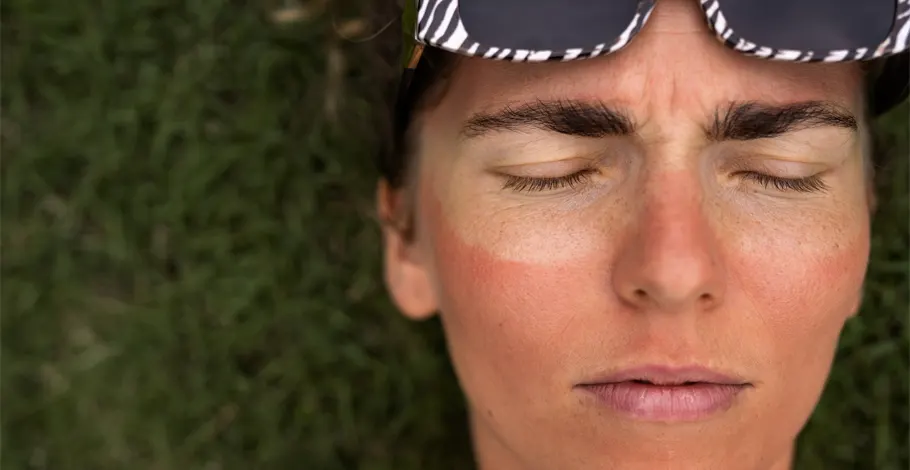
If you’re wondering whether tanning can contribute to visible signs of aging, the effects may be more significant than they seem. Here’s exactly how it happens, and what you can do about it.
Key Takeaways
- UVA rays are a major cause of wrinkles because they penetrate deep into the skin and gradually damage collagen and elastin.
- Short or occasional sun exposure can add to cumulative skin damage and contribute to premature aging over time.
- Tanning wrinkles can be prevented and improved. SPF and decent skincare can slow down further damage.
What Happens to Your Skin When It Tans
Skin is stimulated to make more melanin, the pigment that gives skin its color, when exposed to ultraviolet (UV) radiation. Melanocytes are specialized skin cells that make melanin and pass it to neighboring skin cells. This is the reason why the skin gets tanner when exposed to the sun.
Tanning is, in fact, a defense reaction. Melanin absorbs some of the UV radiation and helps to dampen the amount of UV radiation that can reach and damage the DNA in skin cells. But a tan does not mean that your skin is protected from the effects of UV damage. It’s a positive sign that it’s already reacted to the UV exposure in your skin.
There are three types of UV radiation: UVA, UVB, and UVC. UVA rays have a deeper penetration into the skin and are strongly associated with premature aging of the skin. Excessive exposure to UVA can cause skin to break down collagen, leading to wrinkles, fine lines, and reduced elasticity in the skin.
The effect of UVB rays is primarily on the outer layers of the skin and primarily causes sunburn. They may also cause direct damage to the DNA and may be an important factor in increasing the risk of skin cancer.
UVC is the most harmful type, but It’s generally not present in the atmosphere.

Tanning Causes Wrinkles
How Tanning Causes Wrinkles
The skin begins to lose collagen and elastin, proteins that make it firm, smooth, and flexible; this is when wrinkles begin to form. This occurs as we get older, but UV exposure can accelerate this process considerably.
This ageing of the skin caused by UV is called ‘photoaging’. The causes of photoaging differ from normal aging and are primarily due to repeated sun exposure, which may result in the skin appearing older than it is. Common signs include:
- Fine lines and wrinkles appearing sooner than expected
- Rough, leathery skin
- A lack of the body’s structure and strength
- Mixed skin tone with dark spots and pigmentation
- Skin healing and renewal are slower
According to research published on PubMed in 2009, UV radiation activates enzymes that can break down collagen in the skin, making it more difficult for the skin to keep up with the loss.
Research published in ‘Photochemistry and Photobiology’ reports that the UV-damaged cells can transmit signals to the surrounding cells that cause additional collagen degradation. Research paper published in PubMed on UV-induced collagen degradation.
A tan may look healthy, but it actually reflects UV exposure. Over time, repeated UV exposure adds to cumulative skin damage.
What About Self-Tanners and Tanning Pills?
Not every tan-producing product is the same as every other.
The main ingredient in tanning pills and lotions is dihydroxyacetone (DHA), the only FDA-approved color additive that can be used for that purpose. DHA, when it comes in contact with dead cells on the skin surface, darkens the skin without the need for UV protection, which means that it does not contribute to photoaging or increase the risk of skin cancers.
Self-tanners are generally considered low risk; although occasional allergic reactions can occur. However, they do not protect the skin from UV radiation, so sunscreen should still be applied when spending time outdoors.
Tanning pills, however, are not FDA-approved and are practically nonexistent in the United States for legal sale. Usually make use of the pigment canthaxanthin and are linked with issues of the eyes and kidneys in some individuals. These are the ones you definitely don’t want in your diet.
Can You Reverse Wrinkles Caused by Tanning?
If you’ve already wrinkled your skin from tanning, no skin treatment is available to remove wrinkles or restore your skin to its original state. However, wrinkles can be made more attractive and further damage can be avoided. This will depend on your skin’s reaction to treatment and the extent of photoaging.
At-Home Options
- Broad-spectrum SPF: Use a broad-spectrum SPF daily, especially outdoors, to protect against both UVA and UVB rays and help reduce additional UV damage.
- Retinoid-based creams: Retinoids (such as retinol and prescription-strength options) can promote the turnover of skin cells and the production of collagen. They can be helpful to diminish fine lines and improve skin texture with repeated application.
- Vitamin C: Vitamin C is an antioxidant that may help prevent damage to the skin caused by the environment. Can also help stimulate collagen production and diminish sun tans of the skin.
- Vitamin B3 (Niacinamide): This form of Vitamin B3 can aid the skin barrier and might help to reduce uneven skin tone and lines. Generally, it is not irritating to most skin types.
Professional Treatments
If photoaging is more apparent, dermatologists may suggest treatments like microneedling, which uses small needles to activate the skin’s natural repair process.
Chemical peels remove the outer damaged layers of skin and may help to enhance pigmentation and skin texture. The laser resurfacing procedure involves the use of controlled energy to penetrate damaged skin and trigger the production of collagen.
These treatments can help to enhance the look of sun-damaged skin, although they don’t always work. It’s best to choose these with guidance from an experienced dermatologist, particularly if you have sensitive skin or more pronounced wrinkles.

Protect Your Skin
How to Protect Your Skin Without Giving Up Sun Time
- Broad-spectrum sun protection: Sunscreen should be applied prior to outdoor activities for protection against UVA and UVB rays.
- Reapply when outside: Reapply often, particularly after swimming, sweating, or drying off with a towel.
- Cover up: Wear light protective clothing, a wide-brimmed hat, and sunglasses if possible.
- Avoid unnecessary unprotected sun exposure: Seek shade when the sun is at its peak, and stay in the shade whenever possible.
The Bottom Line
While tanning might make your skin look darker, excessive sun exposure can actually accelerate the degradation of collagen and elastin, leading to premature wrinkles, lines, and sagging skin.
Fortunately, there are some basic steps you can take to minimize additional damage from the sun, such as applying broad-spectrum UV sun protection and covering up skin. If you want a tan without exposing your skin to harmful UV rays, DHA-based self-tanners can provide a temporary tan without UV exposure.
Was this article helpful?
2 Sources
We review published medical research in respected scientific journals to arrive at our conclusions about a product or health topic. This ensures the highest standard of scientific accuracy.
[2] UV-induced degradation of collagen I is mediated by soluble factors released from keratinocytes : https://pubmed.ncbi.nlm.nih.gov/18173703/



 This article changed my life!
 This article was informative.
 I have a medical question.
 This article contains incorrect information.
 This article doesn’t have the information I’m looking for.