Medically Cited
Walk down any skincare aisle or scroll through a beauty brand’s website and you’ll notice something. More and more products are wearing the “paraben-free” badge front and center. But what actually are parabens, why have they been in our skincare for decades, and is switching away from them genuinely worth it?
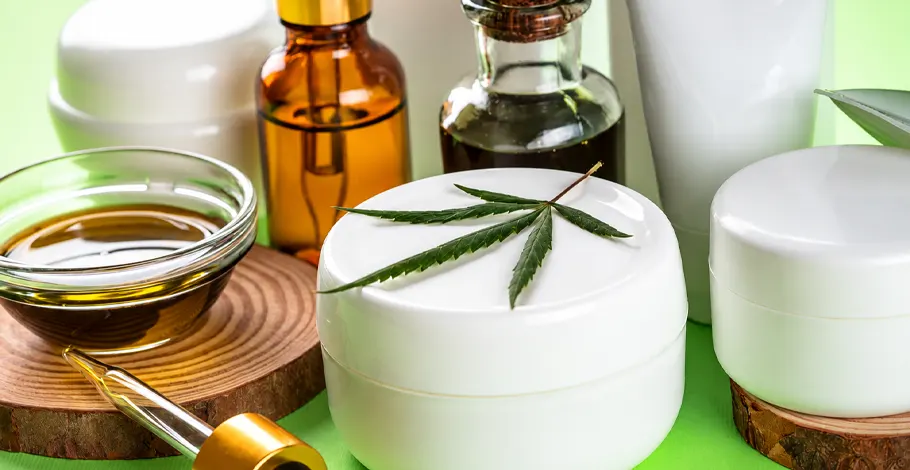
Parabens are synthetic preservatives that have been a staple in cosmetic formulations since the 1950s. They stop mold from growing in your moisturizer. They extend shelf life. They’re cheap and stable across a wide range of formulas. And yet a growing number of consumers, and the brands that serve them, are walking away from them.
This article breaks down what parabens are, what the science actually says about their risks, and the practical benefits of going paraben-free so you can make that call for yourself, based on evidence rather than label copy.
Key Takeaways
- Parabens are synthetic preservatives found in the vast majority of cosmetic products; they prevent bacterial and fungal contamination and extend shelf life.
- Current regulatory bodies consider parabens safe at approved cosmetic concentrations, but research on long-term and cumulative exposure is still ongoing and not fully resolved.
- Paraben-free products are worth considering for people with sensitive skin, eczema, rosacea, or those with high daily product usage and are a reasonable precautionary choice for pregnant women and parents of young children.
- “Paraben-free” is not the same as “preservative-free”; always check the full ingredient list and evaluate what’s been used as the alternative.
- Paraben-free products often have shorter shelf lives; store them correctly and pay attention to the PAO symbol.
- Switching doesn’t need to happen all at once. Prioritizing leave-on products is a practical, low-disruption starting point.
What Are Parabens?
Parabens are esters of para-hydroxybenzoic acid, a family of closely related chemical compounds used as antimicrobial preservatives in cosmetics, pharmaceuticals, and food products. What makes them so widely used is their broad-spectrum effectiveness: a single paraben or paraben blend can protect against bacteria, yeast, and mold in one go.
The most common types found on ingredient labels are:
- Methylparaben (MP) — primarily antifungal; the most widely detected paraben in human tissue samples
- Ethylparaben (EP) — a general antimicrobial used across rinse-off and leave-on formulations
- Propylparaben (PP) — antimicrobial with mild anti-aging properties; one of the more scrutinized forms
- Butylparaben (BP) — the longest chain in common use, and the one most associated with stronger estrogenic activity in research
Estimates suggest close to 90% of cosmetic products on grocery store shelves contain at least trace amounts of one or more parabens. And that’s not a small thing, because each product alone might be within approved limits, but the cumulative daily load across shampoo, conditioner, moisturizer, sunscreen, and lip balm is what researchers are increasingly asking questions about.
Why Are Parabens Used in Skincare Products?
Parabens earn their place in formulations for a few very practical reasons and it’s worth understanding those before deciding whether you want to move away from them.
First, they’re genuinely effective. Broad-spectrum antimicrobial coverage is what makes a single paraben blend capable of handling multiple contamination threats at once. That’s harder to match with many natural alternatives, which often work against specific organisms but not others.
Second, stability. Parabens hold up across a wide pH range and stay active over time. For a moisturizer that gets opened and closed every day, sits in a warm bathroom, and needs to last 18 months without becoming a petri dish, parabens are what keep that product safe from first use to last.
Third, cost. Natural preservative systems can be significantly more expensive, may require higher concentrations to achieve the same effect, and sometimes interact unpredictably with other actives in the formula. For brands producing at scale, parabens are the path of least resistance and to be fair, that’s not entirely cynical. Contaminated cosmetics cause real harm.
Are Parabens Harmful? What Current Research Says
This is where it gets genuinely complicated and where being honest about what the research does and doesn’t show really matters.
The concern: estrogenic activity
Parabens are classified as endocrine-disrupting chemicals (EDCs) because they can mimic estrogen by binding to estrogen receptors. A 2025 study published in Discover Oncology found that parabens may target estrogen receptors ESR1 and ESR2, disrupting hormonal signaling pathways associated with breast carcinogenesis.
The animal and cell data
A 2023 animal study published in Endocrinology found that mice exposed to methylparaben and propylparaben at levels within the FDA’s acceptable daily intake had increased mammary tumor volume and a 28–91% increase in pulmonary metastases per week compared to controls.
The regulatory view
The FDA, the European Scientific Committee on Consumer Safety (SCCS), and the EU have each reviewed the available evidence. Their position is that methylparaben and ethylparaben remain safe at approved concentrations in cosmetics. The EU went further and banned five long-chain parabens and placed restrictions on propylparaben and butylparaben concentrations particularly in products for children under three.
The honest answer
Current science doesn’t cleanly condemn parabens, but it also doesn’t resolve the debate. The uncertainty is real, and the cumulative exposure question what happens when you use eight paraben-containing products every single day for decades hasn’t been fully answered. Consumers who choose to avoid them have a legitimate basis for doing so.
Benefits of Choosing Paraben-Free Skincare
Choosing paraben-free products can offer real, practical advantages. And it’s not just about what you’re avoiding; it’s also about what paraben-free formulations tend to replace parabens with.
Reduced risk of skin irritation
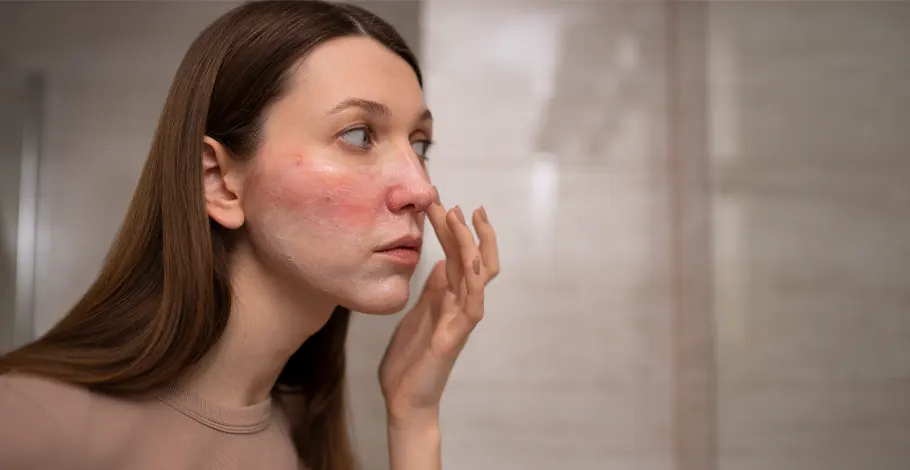
Parabens are a documented cause of allergic contact dermatitis in some individuals. A 2021 PMC review analyzing data from the North American Contact Dermatitis Group (NACDG) and the Mayo Clinic over a combined 24-year period found patch-test positivity rates for paraben-mix allergy ranging from 0.6% to 2.3% which sounds low, but across the population of people regularly using cosmetic products, that represents millions of individuals. For anyone with reactive skin, cutting out paraben-containing products can help rule out preservative sensitivity as a trigger.
Reduced risk of skin irritation
Better fit for eczema and atopic skin
A 2021 PMC study found that higher urinary propyl-paraben levels were associated with aeroallergen sensitization in children suggesting paraben exposure could be an aggravating factor for those already prone to immune reactivity. Paraben-free formulations particularly those using calmer preservative systems tend to be genuinely better tolerated by skin that’s already dealing with barrier dysfunction.
Lower endocrine exposure
For people who want to reduce their contact with any ingredient that binds to estrogen receptors, especially during pregnancy, breastfeeding, or for young children, paraben-free products offer a straightforward way to do that. Given that a 2010 reproductive toxicology review raised concerns that the cumulative estrogenic burden from parabens and their metabolites could potentially exceed endogenous estradiol activity in children, the caution for pediatric use in particular seems reasonable.
Male reproductive health
For men who are actively trying to conceive, the research is worth being aware of. A 2023 study published in Environmental Research (PMID: 37688867) found that exposure to a paraben mixture was significantly associated with declining sperm concentration, total sperm count, and progressive motility with butylparaben identified as the main contributor to reduced count, and methylparaben associated with lower motility. These are associations from human data, not animal models, and they hold up after adjusting for confounders.
Ingredient transparency and cleaner formulas
Paraben-free products tend to come from brands with a broader commitment to clean-label formulation and that usually means clearer ingredient disclosure across the board. For consumers who want to know what they’re putting on their skin, that matters.
Hair health
Some regular shampoo users find that paraben-containing formulas leave their hair dry, brittle, or prone to frizz over time. Paraben-free shampoos and conditioners which often rely on plant oils and botanical actives, can be a gentler choice for color-treated, chemically processed, or naturally porous hair.
Who Should Consider Paraben-Free Skincare?
Paraben-free products are a particularly good fit for certain people, though anyone can choose them simply on principle.
People with sensitive or reactive skin are the clearest candidates. If your skin tends to respond poorly to new products, removing potential irritants from your routine, including certain preservatives, is a smart first step. Patch testing still matters, but starting with a simpler formulation helps isolate the cause when something doesn’t work.
Those managing eczema, contact dermatitis, or rosacea often do better with simplified, fragrance-free, and preservative-minimized routines. When a flare occurs, having fewer variables to eliminate makes tracking triggers much more manageable.
Pregnant women and parents of young children may reasonably want to reduce contact with any ingredient with documented hormonal activity, even weak hormonal activity particularly given the ongoing research into early-life exposure and long-term hormonal development.
People with high daily product usage. If you’re using shampoo, conditioner, body wash, moisturizer, sunscreen, and a serum every day all of which might contain parabens, your cumulative daily exposure is genuinely higher than someone who uses one or two products. The concern isn’t any single product; it’s what happens across the full stack.
Clean beauty advocates who prefer plant-derived or minimally processed ingredients will naturally find paraben-free formulations a better match for their approach to skincare in general.
How to Choose a Good Paraben-Free Skincare Product
“Paraben-free” on the front of the pack is a starting point, not the finish line. Here’s what to actually look for once you’ve cleared that first check.
Read the full INCI ingredient list
Some products swap parabens for alternatives that carry their own sensitivities. Phenoxyethanol, for example, is a very common paraben replacement but it’s also associated with skin reactions in some individuals. Knowing what’s been used instead is just as useful as knowing what’s been left out.
Know what you’re replacing them with
The most common paraben-free alternatives include:
- Sodium benzoate — naturally found in fruits and roots; considered a low-risk alternative that’s well-studied
- Grapefruit seed extract — plant-derived, with antimicrobial properties similar to synthetic preservatives
- Prickly pear seed oil — newer in formulations; high in vitamin E and used in cleaner-label products
- Natural oils, vitamins, and herbs — effective to varying degrees, but often with shorter shelf lives than synthetic systems
Patch test before committing
Apply a small amount to the inside of your wrist or behind your ear. Wait 24–48 hours before using it all over. It’s a small step that can save a lot of wasted product and skin distress down the line.
Match the formula to your actual skin type
Paraben-free doesn’t automatically mean right for you. Check the full ingredient list for actives suited to your skin, whether that’s oily, dry, combination, sensitive, or acne-prone.
Be realistic about shelf life
Paraben-free products, especially those relying on natural preservatives, can expire faster. Check the period-after-opening (PAO) symbol on the packaging and store products as directed. Using a spatula instead of fingers can help extend the life of jar-format products.
Paraben vs. Paraben-Free Skincare
| Feature | Paraben-Based | Paraben-Free |
|---|---|---|
| Preservatives Used | Synthetic parabens (MP, EP, PP, BP) | Natural or synthetic alternatives: sodium benzoate, phenoxyethanol, plant oils |
| Shelf Life | Typically longer (18–36 months) | Often shorter; requires proper storage |
| Suitability for Sensitive Skin | May cause irritation in some individuals | Generally better tolerated |
| Hormonal Concerns | Weak estrogenic activity; binds estrogen receptors | No xenoestrogenic preservatives |
| Cost | Often lower parabens are inexpensive to produce | Can be higher due to alternative preservative systems |
| Formulation Stability | High stable across wide pH ranges | Variable; depends on the alternative preservative used |
| Regulatory Status | Approved at specified limits by FDA, EU SCCS; some forms restricted in EU | Varies by alternative preservative system |
| Best For | General use; less reactive skin types | Sensitive skin, eczema, rosacea, people with high daily product usage, clean beauty routines |
Frequently Asked Questions (FAQs)
Are paraben-free products completely safe?
Not automatically “paraben-free” doesn’t mean “preservative-free” or “irritant-free.” Any product can cause a reaction depending on your skin type and sensitivities. What it does mean is that one specific class of preservatives isn’t present. The replacement system still needs to be evaluated on its own terms.
How do I know if a product contains parabens?
Look for ingredients ending in “-paraben” anywhere on the INCI list. The four to watch for are methylparaben, ethylparaben, propylparaben, and butylparaben. If any of those appear, the product contains parabens regardless of what the front of the pack says.
Do paraben-free products work as well?
Yes, when formulated properly. Paraben-free products can be every bit as effective as conventional ones. The key is whether the alternative preservative system keeps the product stable and uncontaminated throughout its intended shelf life. A well-formulated paraben-free product is just as safe and effective as its conventional counterpart.
Is it necessary to switch all my products at once?
No. If your skin is tolerating your current routine well, there’s no urgency. A lot of people start with leave-on products: moisturizers, serums, eye creams, since those have longer contact time with skin than rinse-off products. That’s a sensible starting point.
Are parabens banned anywhere?
Yes. The EU has banned five long-chain parabens and restricts the concentration of propylparaben and butylparaben in cosmetics, with specific limits for products used on children under three. The FDA currently permits parabens at approved concentrations but continues to monitor new research. South Korea has also restricted methylparaben and propylparaben in toothpaste.
Conclusion
The paraben conversation isn’t a simple “safe vs. harmful” split and it’s worth holding onto that complexity rather than letting marketing language flatten it.
What the research shows is that parabens have weak estrogenic activity, can be absorbed dermally and detected in body tissues, and may at higher concentrations or in combination with other biological factors have effects on breast cell behavior and male reproductive markers. What it also shows is that regulatory bodies have reviewed that same evidence and concluded the risk at typical cosmetic exposure levels is low. Both of those things can be true at the same time.
Choosing paraben-free skincare is a reasonable, evidence-informed decision, particularly for sensitive skin, high-usage routines, or people in vulnerable biological stages. But it’s also a personal call. The most important thing is reading the label, understanding what’s actually in your products, and making that choice based on your own skin’s needs and your own comfort with the existing research, not because a badge on the front of the bottle told you to.

 This article changed my life!
 This article was informative.
 I have a medical question.

 This article contains incorrect information.
 This article doesn’t have the information I’m looking for.