Medically Cited
In recent years, social media has become an inseparable part of our daily lives, drawing immense attention from both academics and the public due to its potential impact on mental health. The concern mainly revolves around its link to depression, which has been steadily increasing, especially among young people. This raises crucial questions about how scrolling through feeds and liking posts might be affecting our emotional well-being.
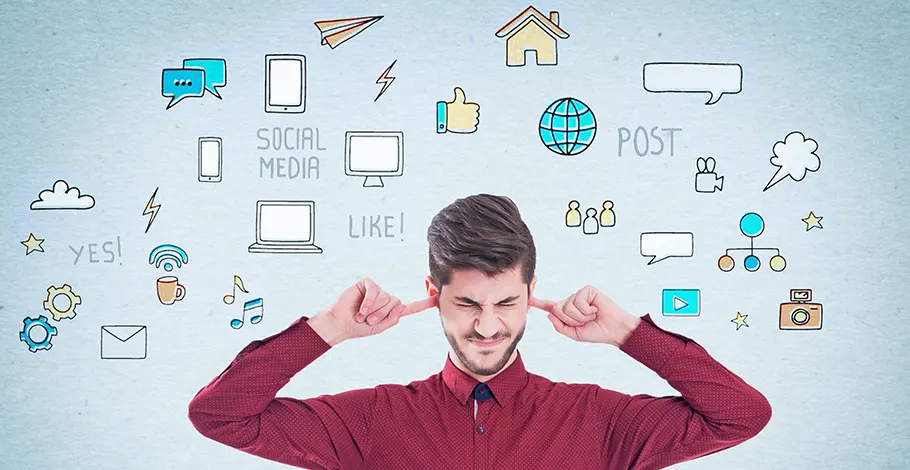
Understanding this impact goes beyond just clocking screen time; it’s about grasping how our online experiences shape how we see ourselves and our happiness levels. This article delves into the complex relationship between social media use and depression, drawing on various studies and research findings. By gaining insights into these dynamics, we can begin to foster a healthier online environment, one that prioritizes mindfulness and mental well-being amidst the digital noise.
Theoretical Framework
The relationship between social media and mental health can be theoretically understood through several lenses:
Social Comparison Theory and its Relevance to Social Media
Social comparison theory posits that individuals determine their own social and personal worth based on how they stack up against others. In the context of social media, this often translates into an incessant appraisal and comparison against the meticulously curated lives of others, potentially sowing seeds of inadequacy, jealousy, and anxiety.
Fear of Missing Out (FOMO) and its Connection to Depression
FOMO is a pervasive apprehension that others might be having rewarding experiences from which one is absent. Social media amplifies this fear, presenting a constant stream of such experiences enjoyed by others, which may exacerbate feelings of loneliness and depression among vulnerable populations.
Self-esteem and Validation Seeking Behavior on Social Media
Social media platforms have transformed into arenas of incessant validation seeking through likes, comments, and shares. This dependence on external validation can significantly impact one’s self-esteem and potentially lead to depressive symptoms when the expected validation is not met.
Literature Review
Studies Demonstrating Correlation Between Social Media Usage and Depression
- 1. Research Findings on Frequency and Duration of Social Media Use
A study [1] found a significant correlation between the time spent on social media and increased levels of depression, especially among adolescents and young adults. This study underscores the direct relationship between the quantity of social media interaction and the severity of depressive symptoms. - 2. Impact of Different Social Media Platforms on Mental Health
The impact of social media on mental health may vary by platform. Platforms that emphasize image sharing and superficial interactions, such as Instagram, were linked to higher rates of anxiety and depression [2], revealing the role that content nature plays in psychological well-being.
-
1. Cyberbullying and Negative Online Interactions
A comprehensive report in Adolescent Health, Medicine and Therapeutics [3] highlighted how victims of cyberbullying are at a significantly higher risk of depression. The anonymity of the internet can often shield aggressive behavior, exacerbating the emotional distress of the targeted individuals.
-
2. Idealized Representations and Unrealistic Standards on Social Media
Exposure to idealized body images on social media significantly impacts body image dissatisfaction among teens, linking to depressive symptoms due to unrealistic comparisons and standards.
Factors Contributing to Increased Risk of Depression
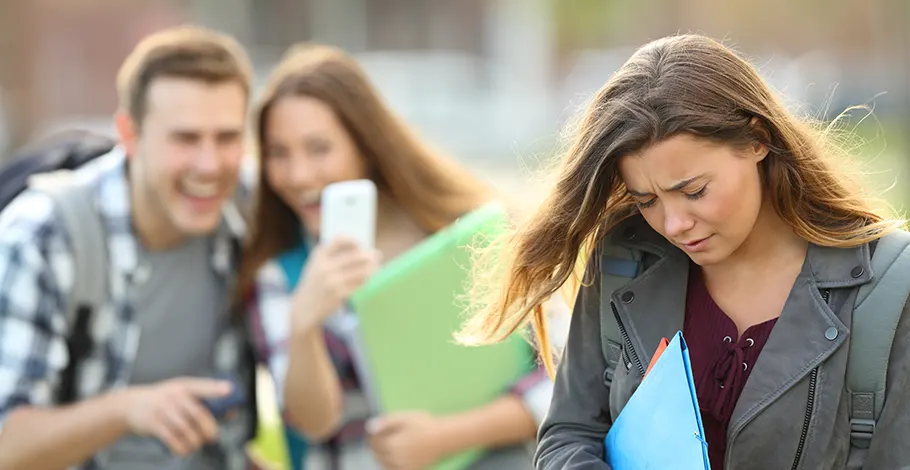
Risk Factors for Depression. Shutterstock Image
Studies Highlighting Potential Protective Factors
-
1. Positive Online Interactions and Social Support
A positive engagement and strong social support networks on digital platforms can mitigate the risk of depression, emphasizing the importance of quality interactions over quantity.
-
2. Mindful Social Media Use and Mental Health Awareness Campaigns
Findings from the frontiers in Psychology [4] showcase how mindfulness strategies regarding social media use, alongside participation in online mental health awareness campaigns, can foster a healthier relationship with digital platforms, indicating potential routes to mitigate adverse mental health outcomes.
Methodologies Employed in Studying Social Media and Depression
Survey-Based Studies
Survey-based studies have been pivotal in collecting subjective data from participants regarding their social media usage patterns and correlating these patterns with self-reported measures of depression and mental well-being.
Experimental Studies Manipulating Social Media Exposure
Experimental methodologies involve altering social media usage and observing consequent changes in mental health. Participants who reduced their social media use showed a decrease in loneliness and depression indicators, underscoring the causal relationship between social media habits and mental health effects.
Case Studies and Real-life Examples
A. High-profile Cases of Social Media-induced Depression
High-profile cases, such as celebrities speaking out about their battles with social media-induced depression, further validate the deep-seated issues within digital social interactions. Selena Gomez, an American singer, shared her experiences with depression exacerbated by social media, leading her to take significant breaks from online platforms. [5]
B. Personal Stories Illustrating the Impact of Social Media on Mental Health
Personal anecdotes, like those shared on platforms like Medium and personal blogs, present real-life ramifications of social media on mental health. These stories often reveal how constant comparison, cyberbullying, and the pressure to maintain a certain online image can lead to anxiety and depression.
Critique and Controversies
Conflicting Findings in Research
While many studies point to a direct correlation between social media usage and increased depression rates, other research findings suggest no significant relationship or even potential benefits of social media in fostering connections and support networks. Such discrepancies underline the complexity of social media’s impact on mental health and the need for nuanced understanding.
Ethical Concerns Surrounding Research Methodologies
Some experts raise concerns about the ethics of certain research methodologies, especially those involving manipulation of social media exposure without adequately considering potential harm to participants’ mental well-being.
Criticism of Overgeneralization and Causation Fallacies
Critics also point out the danger of overgeneralizing study findings to apply to all social media users and caution against causation fallacies, emphasizing that correlation does not imply causation. They advocate for a more discerning interpretation of data and recognition of individual differences in social media interaction and mental health outcomes.
Practical Implications and Recommendations

Is Social Media Affecting Your Mental Health?. Shutterstock Image
Mental Health Awareness and Education Initiatives
To mitigate the negative effects of social media on mental health, there is a pressing need for comprehensive mental health awareness and education campaigns. These initiatives should include information on recognizing early signs of depression and anxiety resulting from social media use, and equip individuals with strategies to use these platforms in a healthy manner.
Development of Social Media Use Guidelines and Policies
Social media platforms and policymakers are called upon to collaborate in developing clear guidelines and policies that promote responsible social media use. These guidelines should aim to reduce exposure to harmful content and encourage a positive, supportive online environment.
Interventions for Individuals at Risk
Implementing targeted interventions for those most vulnerable to the negative impacts of social media is crucial. Counseling services, digital literacy programs, and resources that teach coping strategies can play a pivotal role in supporting individuals facing mental health challenges.
Future Directions for Research
Emerging Trends in Social Media and Mental Health Research
The landscape of social media is continually evolving, necessitating ongoing research into its effects on mental health. Studies focusing on the impact of emerging platforms and digital trends will provide valuable insights into new challenges and opportunities for mental well-being.
Areas Needing Further Investigation and Exploration
Further research is needed to understand the nuanced relationship between specific types of social media use and mental health, including the role of online communities, the impact of content type, and the effect of screen time duration.
Integration of Technological Solutions for Mental Health Support
Exploring the integration of technological solutions, such as AI-driven mental health apps and supportive online networks, offers promising avenues for providing accessible and immediate support to those affected by social media-related mental health issues.
Conclusion
Recapitulation of Key Findings
The complex relationship between social media usage and mental health highlights the need for a balanced approach, recognizing both the potential risks and benefits.
Implications for Individuals, Society, and Policy
The findings discussed have profound implications, not only for individuals but also for society at large and policymakers. Addressing these issues requires a collaborative effort to foster a safe and supportive online environment.
Call to Action for Balanced and Mindful Social Media Usage
In light of the evidence presented, it becomes imperative to advocate for a more mindful and balanced approach to social media usage. Individuals are encouraged to engage in regular digital detoxes, seek meaningful connections, and remain critical of the online content they consume. Society must prioritize mental health in the digital age, ensuring that the benefits of social media are harnessed while minimizing its potential harms.
Was this article helpful?
5 Sources
We review published medical research in respected scientific journals to arrive at our conclusions about a product or health topic. This ensures the highest standard of scientific accuracy.
[2] Does Social Media Use Cause Depression? - Child Mind Institute. (2023, October 30). Retrieved from https://childmind.org/article/is-social-media-use-causing-depression/#social-media-and-self-esteem
[3] Nixon CL. Current perspectives: the impact of cyberbullying on adolescent health. Adolesc Health Med Ther. 2014 Aug 1;5:143-58. doi: 10.2147/AHMT.S36456. PMID: 25177157; PMCID: PMC4126576.
[4] You C, Liu Y. The effect of mindfulness on online self-presentation, pressure, and addiction on social media. Front Psychol. 2022 Dec 5;13:1034495. doi: 10.3389/fpsyg.2022.1034495. PMID: 36544442; PMCID: PMC9760919.
[5] Yasharoff, H., & Moniuszko, S. M. (2023). Billie Eilish, Selena Gomez and what we can learn from celebrities stepping back from social media. USA TODAY. Retrieved from https://www.usatoday.com/story/life/health-wellness/2023/03/03/selena-gomez-billie-eilish-celebrities-taking-social-media-breaks/11389639002







 This article changed my life!
 This article was informative.
 I have a medical question.
 This article contains incorrect information.
 This article doesn’t have the information I’m looking for.