Medically Cited
Irritable, crying, worrying or temperamental; mood swings in menopause are times during menopause when a woman becomes irritable, crying, worried or upset more than normal. This could be due to hormonal shifts, changes in sleep patterns, and stress. Treatment of your symptoms, emotional support, regular sleep and exercise can help. Seek medical advice if symptoms persist or are disruptive or if lasting longer.

Introduction
It is possible to experience mood swings in the lead up to menopause, as well as during menopause. You might not be as patient or feel that it is more challenging to deal with familiar pressures. These experiences are different; some experiences change at times, others require greater support.
Key Takeaways
- Various hormonal shifts, lack of sleep and stress may have an impact on mood.
- Symptoms can range from irritability/anxiety, tearfulness, anger or lack of motivation.
- Not a fixed time, symptoms of the mood may go up and down during transition menopause.
- This can be done with simple lifestyle changes, therapy, and the right treatment.
- Seek assistance when symptoms occur often, last longer or interfere with daily life more.
What Are Mood Swings During Menopause?
Mood swings are sudden emotional changes or shifts in mood. Sometimes you feel settled and later on, unusually frustrated or tearful – perhaps for no apparent reason.
These may be similar to premenstrual periods, but with perimenopause, they might happen at random times. A diagnosis of depression or an anxiety disorder cannot be made on the basis of mood swings. ACOG can offer explanations for these emotional fluctuations.
What Causes Mood Swings During Menopause?
Hormonal Changes
As women go through the process of perimenopause, the hormone shifts that happen may impact emotional health as well as periods. The sensitivity to these changes varies, which is why some individuals are more aware of the changes in mood.
Sleep Problems and Stress
Frequent sleep disturbances or insomnia may make you more short-tempered and less tolerable to stress. The stress of work, caring responsibilities, and relationship issues can contribute to the stress.
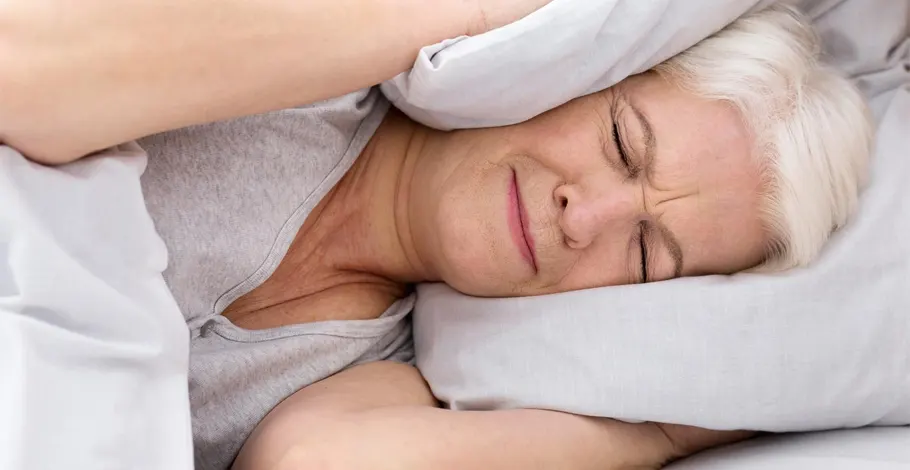
Sleep Problems and Stress
Other Menopause Symptoms
The night sweats, hot flashes, discomfort and inability to concentrate can make an already tough day even tougher. These symptoms can have a negative impact on mood through interfering with sleep and activities. NHS explains about the overlap of menopause symptoms.
What Do Menopause Mood Swings Feel Like?
The examples below describe possible experiences, rather than a checklist for diagnosis.
| Feeling | How it may show up |
|---|---|
| Irritability | Everyday interruptions feel harder to tolerate. |
| Anxiety | You feel tense, unsettled, or more worried than usual. |
| Sadness | You feel low or become tearful more easily. |
| Anger | Frustration builds quickly or reactions feel unusually strong. |
| Emotional sensitivity | Criticism or small disappointments feel more upsetting. |
| Low motivation | Starting ordinary tasks takes more effort. |
How Long Do Menopause Mood Swings Last?
No one can tell you when a person will have a mood swing. These can happen before and after the last menstrual period or during the transition of perimenopause. Menopause is defined as the absence of periods for at least 12 months, if there is no other explanation.
For some, symptoms resolve over time, while for others, treatment may be required for persistent sleep and/or mental-health challenges. The total length of time that menopause symptoms will persist does not indicate how long mood swings will last. Support is not only available after the transition, but you can start seeking support at any point during the transition.
How Can You Manage Menopause Mood Swings?
The NHS recommends rest, exercise, and relaxing activities to help with mood changes.
- Sleep: Go to bed and get up at the same time each day. If night sweats are a problem, a cool bedroom can help! Talk to a clinician about chronic sleep problems.
- Regular exercise: Find an activity that you can do regularly, for example walking, swimming, or dancing. If you’re fatigued, begin with small steps.
- Stress management: Include a calming activity, such as breathing techniques, yoga, music or taking a quiet break.
- Identifying triggers: Make a note of your mood while you are sleeping, if there is a stressful event, and other symptoms. Look for patterns in the record and discuss your experience with appointments.
- Social and mental-health support: Share with someone you know what has changed. It’s important to have a place to talk about the hard emotions and possible strategies for coping with them, and a support group or therapist can offer that.
These steps can support wellbeing, but significant symptoms may require additional treatment.
Treatments for Menopause Mood Swings
Therapy
Low mood, anxiety and sleep difficulties can be a benefit from cognitive behavioural therapy (CBT). CBT specific to menopause can also assist with the effects of some of these symptoms. Can be used in addition to other treatments.
Menopausal Hormone Therapy
When depressive symptoms start to occur at the same time as other menopause symptoms, but are not severe enough to warrant a clinical diagnosis of depression, menopausal hormone therapy (HRT) might be considered. Not a replacement for appropriate treatment of depression.
Menopausal Hormone Therapy
Your symptoms, medical history and personal advantages and disadvantages ought to be discussed with a clinician before you are prescribed. The majority of people with a uterus must also take a progestogen with systemic oestrogen to prevent changes to the uterine lining. Look at NICE’s treatment guidelines, and the NHS guide to treatment.
Prescription Medicines
Depending on assessment and personal preference, antidepressants may be appropriate if depression and/or an anxiety disorder is present. Others are even said to be able to assist you with hot flashes. The decision should be based on your symptoms, any possible side effects, and the other medications you are taking.
Vitamin E and ginseng should not be used as a substitute for an assessment or a treatment that has been determined. Talk to a clinician or pharmacist about supplements; they may interact with medications and are not necessarily safe.
When Should You See a Doctor?
Make an appointment if mood symptoms are severe, persistent, increasing, or interfering with school, home, or relationships, or sleep or daily functioning.
Mood swings fluctuate. Depression may include a persistent feeling of sadness or a diminished interest in activities, sometimes accompanied by a loss of energy, sleeping problems, loss of appetite, diminished concentration. Symptoms that occur for the majority of the day, almost every day, for a minimum of two weeks should be evaluated. Do not overlook persistent, uncontrollable worry or panic, either; it may not be menopause.
Other causes, such as a thyroid condition or side effects from medications, should be considered. If you are thinking about suicide or self harm, get urgent help, if you are not safe, dial the emergency services or go to the nearest emergency department.
NIMH provides further guidance on recognising depression.
FAQs
Does a change of mood start before the end of periods?
Yes. Mood changes frequently begin during perimenopause, when you’re still having periods.
Are all women having menopause swings?
No. The symptoms have a variable nature in terms of its type, frequency and effects.
Are there mood symptoms after menopause?
Yes. They can also persist after this, but if there are any symptoms that persist or develop, then these should be evaluated, not be assumed to be due to hormonal changes.
Is depression the type of condition that can be cured with hormone therapy?
HRT might be beneficial for some menopausal mood symptoms. Depression needs to be treated on a case by case basis and may be treated with antidepressant medications, psychotherapy or both.
Conclusion
Fluctuating moods during menopause can be disturbing, particularly in relationships. Routines and proper treatment may help. If the symptoms are becoming more troublesome, it’s best to talk with a health care practitioner.
Was this article helpful?
2 Sources
We review published medical research in respected scientific journals to arrive at our conclusions about a product or health topic. This ensures the highest standard of scientific accuracy.
[2]Depression: https://www.nimh.nih.gov/health/publications/depression




 This article changed my life!
 This article was informative.
 I have a medical question.

 This article contains incorrect information.
 This article doesn’t have the information I’m looking for.