
If you’re looking for a career change you might want to think about joining the healthcare sector. It is currently facing shortages when it comes to physicians and many other roles, due in large part to an aging and growing population, changes to legislation, expanding healthcare coverage, and an increase in chronic conditions such as Type 2 diabetes and heart disease.
In fact, according to a 2016 jobs report, the U.S. economy has experienced a large increase in the number of added healthcare roles (38,000). These are typically all positions which tend to pay more highly than many other service-related jobs. Furthermore, the Bureau of Labor Statistics projected (in their 2014 to 2024 forecast) that the healthcare and social assistance sector will actually create a third of all the net new jobs over the decade.
Do some research and you’ll soon see that there are many roles you might like to complete further healthcare studies in, from leading management jobs to those as hands-on caretakers and more. Read on for the lowdown on a selection of the top jobs you should consider training for today.
Crisis Counselors
If you have been thinking of working in the area of mental health, you might like to take a look at crisis counseling roles. These types of counselors work in a specific area of mental health that assists people who have been through a traumatic, intense, or emotionally exhausting experience. For example, such workers might help victims of rape, kidnapping, terror attacks, or horrific accidents.
Crisis counselors provide emotional support to their patients, usually on a short-term basis like one to three months. These healthcare workers also:
- Conduct patient assessments
- Administer treatment
- Provide patients with information and activities to help their recovery
- Assist patients to restore a sense of control
- Help patients become aware of their feelings or beliefs
- Work with patients to create new lifestyle structures after experiencing a negative event
Healthcare Managers
If you’re interested in getting into a leadership role and helping to improve the quality of healthcare in your country or the local area, consider studying to become a healthcare manager. Workers in this type of role have to combine management skills with, typically, proactive hands-on work as well. They generally are based in facilities such as nursing homes, health centers, hospitals, or rehabilitation centers, as well as government organizations.
If you become a healthcare manager you will likely work closely with a variety of people, including medical personnel and suppliers, custodial staff, government liaisons, and the like. You could work as the leader for a specific department, or oversee an entire venue. In these types of roles, you will tend to look after things such as:
- The management of staff and budgets
- Strategic planning
- Running the operations of a center
- Responding to media requests and acting as a spokesperson
Physician Assistants
As the demand for doctors and specialists continues to grow due to the aging population, increase in chronic diseases, and other factors, there continues to be an increasing need for suitably qualified physician assistants to help them.
Physician assistants, also known simply as “Pas,” are supervised by medical practitioners in clinics, hospitals and the like. They perform a variety of simpler medical-related tasks in order to free up time for doctors, such as speaking with patients, running tests, taking records, and prescribing medications. Their jobs can include both clinical diagnostic work and preventative healthcare services.
PAs have to be very adept at working within teams, because they not only work closely with the practitioner supervising them but also often interact with other medical personnel such as nurses, occupational therapists, counselors and so on.
Phlebotomists
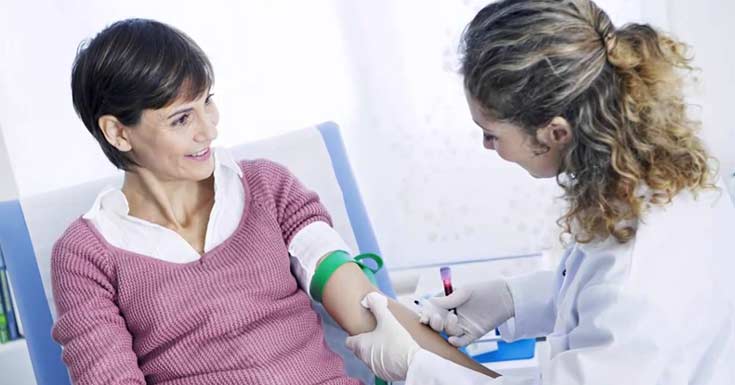
If you don’t have an issue with seeing blood or using needles, you might want to consider a career as a phlebotomist. In high demand these days, phlebotomists work with blood day in and day out and are in charge of venipuncture – that is, the practice of carefully extracting blood from patients with a sterilized needle.
These medical technicians take blood samples which are then used to conduct tests to determine the better health of the patient, or which are kept on hand by organizations for blood transfusions when needed. In addition, phlebotomists can also take samples of urine and other bodily fluids as required. They must always ensure that tests are carefully and accurately conducted and that all samples are labeled concisely.
Phlebotomists can be found working for many different organizations. For example, they can assist nurses and doctors in hospitals and medical centers, or work in laboratories, clinics, and specialized blood-collection venues.