Medically Cited
Crow’s feet are those fine little lines that show up at the outer corners of your eyes, especially when you smile, squint, or laugh. Most people start to see them as “expression lines” in their late 20s or 30s, and they get more obvious as the years go by. You can’t stop aging altogether, but sun protection, healthy habits, and regular skincare really do slow things down. And if you want to smooth them out, treatments like retinoids, Botox, lasers, microneedling, and fillers can help.
Key Points
- Crow’s feet happen because the skin around your eyes is thin and always moving.
- Factors like sun exposure, smoking, dehydration, genetics, and not sleeping enough can make them show up earlier.
- Putting on sunscreen every day is one of the best ways to keep eye wrinkles from coming early.
- Dermatologist treatments can soften crow’s feet, but each one has its risks and benefits.
Introduction
Usually, you spot them first in pictures: a small crease in the corner of your eye when you smile, maybe another one when you laugh. At the start, these lines vanish once your face relaxes. Later, they stick around a bit longer, until you start to see them in the mirror even when you’re not making any faces.
These are crow’s feet. They appear at the outer corners of your eyes, a spot where the skin is super thin and moves a lot. Every time you blink, grin, or squint, that small patch of skin creases again and again.
But it’s not just age to blame. Sun damage, loss of collagen, dehydration, smoking, your genes, and even the way you care for your skin- any of these could make those wrinkles show up earlier or make them stand out more.
The good news? You aren’t helpless. You probably won’t stop every wrinkle, but you can slow things down, make the lines less noticeable, and protect the skin around your eyes.
In this article, we tell you what you need to know about what causes crow’s feet, when they tend to start, how to prevent them naturally, which skincare ingredients matter, and what to try if you want stronger results.
What Exactly Are Crow’s Feet?
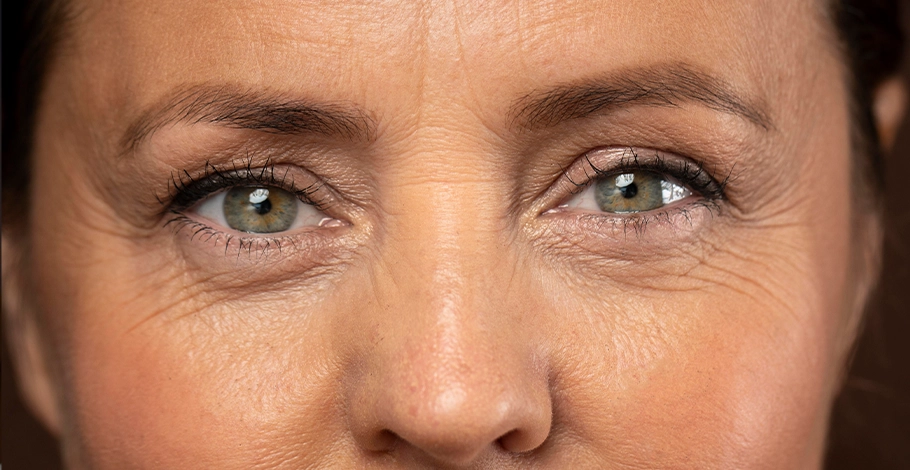
Crow’s feet are those fine lines that spread out from the outer corners of your eyes and angle out toward your temples. They sort of branch off like a bird’s foot, hence the name. Experts call them lateral canthal lines.
In the beginning, you’ll only see them when you grin, laugh, or squint. These are “dynamic wrinkles,” since they show up with movement. Later, they stick around even when your face is at rest.
Crow’s feet are different from under-eye wrinkles, which show up right below your lower eyelid. These start off by the outer eye corners.
Why Does the Skin Around the Eyes Wrinkle First?
The skin around your eyes is thinner and more delicate than in most other places on your face, plus it’s always in motion whether you’re blinking, smiling, or squinting.
One study even found the eyelid area has some of the thinnest skin on the face, so it gets less structural support and any drop in collagen or elasticity stands out even more.
There aren’t as many oil glands under your eyes, too, which means dryness sets in easily. Over time, as your body makes less collagen and your skin loses moisture and resilience, those tiny creases become lasting wrinkles.
Why Do Crow’s Feet Develop?
Crow’s feet are usually the result of a few things at once: aging, lots of facial movement, time spent in the sun, and certain lifestyle choices.
Aging
Collagen and elastin are proteins that keep your skin plump and flexible. As you get older, your body makes less of them. Skin gets thinner and can’t bounce back as easily after you smile or squint.
Sun Exposure
Too much ultraviolet light damages collagen and speeds up wrinkling. Studies have found that sun exposure is one of the main reasons people get wrinkles and uneven skin texture.

Sun exposure
Facial Expressions
You shouldn’t try to smile less. But all that movement around your eyes- smiling, laughing, squinting-folds up your skin in the same spot over and over. After years of this, those folds get set in.
Smoking
Smoking raises stress on your skin and harms collagen and elastin. Research on identical twins even showed that smokers had more dramatic facial aging.
Genetics
The way your skin ages depends a lot on your genes, thickness, pigment, how much collagen you make, even when wrinkles appear. Some people get crow’s feet early, no matter how careful they are.
Dry Skin and Lifestyle Habits
When your skin is dry, fine lines look deeper, though dryness alone doesn’t cause wrinkles that stick around. Not sleeping enough, poor diet, high stress, or skipping skincare routines can all leave your skin looking tired and older.
When Do Crow’s Feet Usually Show Up?
For some people, crow’s feet pop up in their late 20s or early 30s. Others won’t see any lines until their 40s. At first, you only spot them when you use your eyes a lot. As you lose more collagen and get more sun, the lines show up even when you’re not making any expressions.
Men and women show these lines at different rates, but it really depends on skin thickness, hormones, sun habits, genetics, and how you care for your skin. Men usually have thicker skin. Women sometimes notice more changes in collagen and moisture after menopause.
Habits That Bring On Crow’s Feet Faster
Crow’s feet are just part of getting older, but certain habits make them appear sooner or look more obvious.
Big risk factors:
- Spending lots of time in the sun without sunscreen
- Smoking, or breathing in others’ smoke often
- Squinting a lot (bright light or vision problems)
- Dry, unmoisturized skin
- Skipping on skincare
- Chronic stress or not getting enough rest
- Major weight changes
- Family history of early wrinkles
These things won’t guarantee early wrinkles, but they bump up your chances.
How to Keep Crow’s Feet Away Naturally
You can’t stop crow’s feet entirely, but your daily habits can slow them down.
Wear Sunscreen Every Day
Put a broad-spectrum sunscreen with SPF 30 or higher on your face every morning. Don’t skip the area around your eyes, but keep it out of your lash line if it’s irritating. UV rays get through clouds and windows, so it’s not just for sunny days.
Put on Sunglasses
Sunglasses with UV protection keep the sun off your eyes and also help stop squinting. A wide-brimmed hat is smart for extra coverage if you’re outside for a while.
Moisturize Around Your Eyes
A gentle, fragrance-free moisturizer helps skin hold on to water and softens fine lines. Especially important if your skin is sensitive.
Don’t Smoke
Quitting smoking helps your whole body, and it also protects skin from chemicals that age it early.
Feed Your Skin from the Inside
Eat a balanced diet, plenty of fruits, vegetables, protein, good fats, and whole grains. Stay hydrated to keep your skin from looking extra dry.
Be Gentle with the Area
Don’t rub your eyes or tug at the skin when you take off makeup. Too much irritation can dry out and bother the delicate skin here.
Skincare Ingredients That Really Work for Crow’s Feet
Certain ingredients may improve hydration, texture, and the appearance of fine lines when used consistently.
Retinol
Retinol helps your skin renew itself and encourages collagen production. Research says it can make a difference in skin structure. Start with a lower strength, a few nights a week, since it can be drying. Don’t use retinoids if you’re pregnant unless your doctor says so.
Vitamin C
Vitamin C is an antioxidant and supports healthy collagen. Regular use has been shown to visibly improve wrinkles according to clinical studies.
Peptides
These are short chains of amino acids you’ll find in a lot of “anti-aging” creams. Some peptides help firm up skin and make fine lines less obvious,results definitely depend on which type and how much is used.
Hyaluronic Acid
This ingredient pulls water into your skin and creates a temporary plump look. It won’t erase deep lines but helps dry fine lines look smoother.
Niacinamide
Niacinamide helps strengthen the skin barrier, improve dryness, even out tone, and smooth out fine lines with continued use.
Ceramides
Ceramides boost the skin barrier and help keep moisture in. These are great if your eye area feels dry or irritated.
Crow’s Feet Treatment Options
The best approach depends on whether your crow’s feet only show up when you smile or are hanging around all the time.
Topical Products
Retinoids, antioxidants, peptides, and moisturizers can gradually soften mild lines, but deep wrinkles will need more than creams.
Botox
Tiny Botox injections relax the muscles that cause crow’s feet. It smooths out the area, especially when you smile or squint. Usually lasts a few months.
Dermal Fillers
Fillers add volume under the skin. They’re used mostly for static lines or spots where you’ve lost fullness. They don’t stop muscle movement, and they’re not for every case of crow’s feet.
Laser Treatments
Lasers resurface skin and jumpstart collagen growth by creating controlled heat or tiny injuries. They smooth wrinkles and improve skin texture, though recovery time varies.
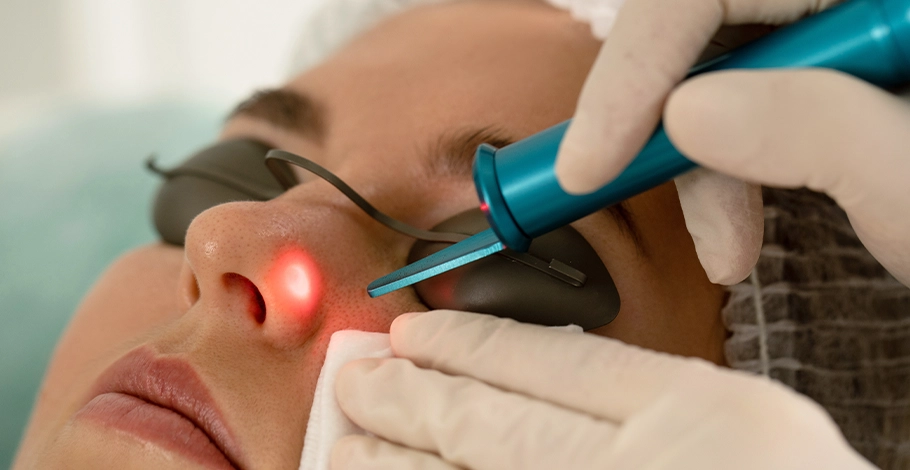
Laser treatments
Microneedling
Microneedling stimulates skin repair and collagen with very fine needles. Because the eye area is delicate, it’s safest to have this done by a professional.
Chemical Peels
Peels remove damaged outer skin layers. They can improve mild wrinkles and roughness, but deeper peels should only be done by a qualified professional.
Safety of Botox and Fillers
Botox and fillers are generally safe if you go to a licensed, experienced professional. Both have some side effects though.
Botox for crow’s feet is FDA-approved, but you might get a little bruising, swelling, headache, droopy eyelid, or muscle weakness around the eyes.
Fillers can sometimes cause redness, swelling, soreness, or bruising. In rare cases, filler gets into a blood vessel and can cause tissue damage or vision problems.
Going to a board-certified dermatologist or plastic surgeon is vital. Never try home injections, needle-free devices, or unlicensed practitioners.
What Does the Research Say?
We know crow’s feet are caused by loss of collagen, repeated facial movements, UV damage, smoking, and other environmental stress. Daily sunscreen use is the easiest and most reliable way to fight off early wrinkles. Retinoids have the best evidence for topical ingredients (with vitamin C and niacinamide close behind).
Botox works really well for crow’s feet that show up with movement. Lasers, microneedling, and chemical peels all help with lines that are there even when your face is relaxed, since they boost collagen and skin renewal.
Of course, no treatment stops aging outright. The smart approach combines sun protection, the right skincare, and professional help when you want it.
When Should You See a Dermatologist?
Crow’s feet don’t hurt you and usually don’t need medical treatment. But if you’re bothered by them or over-the-counter products aren’t helping, talk to a dermatologist.
Professional advice is especially helpful if you’ve got sensitive skin, eczema, ongoing irritation, or questions about using retinoids near your eyes.
If you have swelling, pain, severe redness, weak lids, or vision changes—see a doctor. Those aren’t typical for crow’s feet.
Bottom Line
Crow’s feet show up because of lots of smiling, collagen loss, and time in the sun. They start as expression lines and then stick around once skin loses its bounce.
You can slow them down with sunscreen, sunglasses, moisturizer, gentle routines, and staying away from cigarettes. Retinol, vitamin C, niacinamide, peptides, and hyaluronic acid all help smooth fine lines. For deeper wrinkles, you’ll want to look at professional treatments like Botox, lasers, microneedling, or peels.
FAQs
What Are Crow’s Feet?
Crow’s feet are the little lines that spread from the corners of your eyes. They appear with expressions and can become permanent as you age.
How Do You Get Rid of Crow’s Feet?
You might not erase them entirely, but retinoids, moisturizers, Botox, lasers, microneedling, and peels all reduce their look.
What Causes Crow’s Feet?
They mostly come from aging, less collagen, sun exposure, lots of facial movement, smoking, genetics, and dryness.
At What Age Do Crow’s Feet Show Up?
You might see them in your late 20s or 30s, but it depends on your genes and habits.
Can Retinol Help?
Retinol boosts collagen and makes fine lines softer with time, but it won’t erase deep wrinkles completely.
Can Crow’s Feet Be Prevented?
Not entirely. But sunscreen, sunglasses, moisturizer, quitting smoking, and consistent skincare all slow them down.
How Long Does Botox Last for Crow’s Feet?
Botox usually lasts a few months. As it wears off, muscle movement and lines gradually return.
Was this article helpful?
7 Sources
We review published medical research in respected scientific journals to arrive at our conclusions about a product or health topic. This ensures the highest standard of scientific accuracy.
[2] Effect of the Sun on Visible Clinical Signs of Aging in Caucasian Skin: https://pubmed.ncbi.nlm.nih.gov/24101874/
[3]Facial Changes Caused by Smoking: A Comparison Between Smoking and Nonsmoking Identical Twins: : https://pubmed.ncbi.nlm.nih.gov/23924651/
[4]Quantification of Age-Related Facial Wrinkles in Men and Women Using a Three-Dimensional Fringe Projection Method and Validated Assessment Scales: https://pubmed.ncbi.nlm.nih.gov/24267416/
[5] A Comparative Study of the Effects of Retinol and Retinoic Acid on Histological, Molecular, and Clinical Properties of Human Skin: https://pubmed.ncbi.nlm.nih.gov/26578346/
[6]Double-Blind, Half-Face Study Comparing Topical Vitamin C and Vehicle for Rejuvenation of Photodamage: : https://pubmed.ncbi.nlm.nih.gov/11896774/
[7]Efficacy and Safety of Botulinum Toxin Type A in the Treatment of Lateral Crow’s Feet: Double-Blind, Placebo-Controlled, Dose-Ranging Study: https://pubmed.ncbi.nlm.nih.gov/19686365/




 This article changed my life!
 This article was informative.
 I have a medical question.
 This article contains incorrect information.
 This article doesn’t have the information I’m looking for.