Medically Cited
Drinking too much water does not usually cause water retention (edema) in healthy individuals. Water retention happens when the body holds onto extra fluid in the tissues, often due to factors such as high sodium intake, dehydration, hormonal changes, or certain medical conditions. Drinking an extremely large amount of water can be harmful, but that condition is called overhydration or hyponatremia, which is different from water retention.

Many people notice swelling, bloating, or sudden weight changes and wonder whether drinking too much water is the cause. The answer is usually more complicated than simply “too much water.” In fact, mild dehydration and high sodium intake are often more common contributors to temporary water retention than drinking extra water.
In this article, we’ll explain the difference between water retention (edema) and overhydration (hyponatremia), look at the most common causes of swelling, review the signs to watch for, and share practical ways to support healthy fluid balance.
Key Takeaways
The most important things to know
- Drinking too much water does not usually cause water retention in healthy people.
- Water retention (edema) is different from overhydration (hyponatremia).
- Common causes of water retention include high sodium intake, dehydration, hormonal changes, pregnancy, prolonged sitting or standing, certain medications, and medical conditions affecting the kidneys, heart, or liver.
- Signs of water retention include swelling in the feet, ankles, hands, or face, tight rings or clothing, sudden weight gain, and pitting edema.
- Persistent or severe swelling should be evaluated by a healthcare professional, especially if it occurs with shortness of breath, chest pain, or rapid weight gain.
Does Drinking Too Much Water Cause Water Retention? (Myth vs. Fact)
For most healthy people, this is mostly a myth. Drinking extra water does not usually make the body hold onto more fluid. Healthy kidneys continuously filter the blood and remove excess water through urine to help maintain a stable fluid balance.
Water retention, also called edema, happens when fluid collects in the body’s tissues. This is more commonly linked to factors such as high sodium intake, dehydration, hormonal changes, certain medications, or underlying health conditions rather than simply drinking more water.
However, extreme overhydration can be harmful. Drinking very large amounts of water in a short time may dilute sodium levels in the blood and lead to Hyponatremia, a condition that is different from edema and requires medical attention.
What Is Water Retention?
Water retention, or edema, occurs when excess fluid builds up in the body’s tissues. This can happen in the feet, ankles, legs, hands, face, or abdomen, causing noticeable swelling and a feeling of puffiness.
Normally, the body carefully regulates fluid levels through the kidneys, blood vessels, hormones, and lymphatic system. When this balance is disrupted, fluid may leak into surrounding tissues and become temporarily trapped there.
Common Causes of Water Retention
Water retention can occur for many reasons, including:
- High sodium intake: Eating very salty foods can cause the body to hold onto more water.
- Dehydration: When fluid intake is too low, the body may conserve water.
- Hormonal changes: Menstrual cycles, pregnancy, and menopause can affect fluid balance.
- Pregnancy: Increased blood volume and hormonal changes often cause temporary swelling.
- Prolonged sitting or standing: Fluid may collect in the legs and feet.
- Certain medications: Some blood pressure medicines, steroids, and anti-inflammatory drugs can contribute to swelling.
- Underlying medical conditions: Kidney disease, heart disease, liver disease, and problems with the lymphatic system can lead to more significant fluid retention.
Signs & Symptoms of Water Retention
Common signs include:
- Swelling in the feet, ankles, legs, hands, or face.
- Sudden or unexplained weight gain.
- Tight shoes, rings, or clothing.
- A feeling of puffiness or bloating.
- Skin that looks stretched or shiny.
- Pitting edema: when a finger pressed into swollen skin leaves a temporary indentation.
Can Drinking Too Much Water Be Harmful?
Yes, but this is usually due to overhydration (hyponatremia), not water retention.
Hyponatremia occurs when a person drinks so much water that sodium levels in the blood become dangerously diluted. This is more likely to occur in endurance athletes, people with certain medical conditions, or anyone consuming extremely large amounts of water in a short period.
Symptoms may include:
- Nausea
- Headache
- Confusion
- Muscle cramps
- Fatigue
- In severe cases, seizures or loss of consciousness
How Much Water Should You Drink?
There is no single “8 glasses a day” rule that works for everyone. Water needs vary based on age, body size, activity level, climate, diet, and overall health.
A practical approach is to drink when you’re thirsty and increase intake during hot weather, exercise, or illness. Most healthy adults can maintain good hydration by paying attention to thirst and urine color, which should generally be pale yellow.
How to Reduce Water Retention Naturally
Helpful strategies include:
- Stay adequately hydrated.
- Reduce excess sodium intake.
- Eat potassium-rich foods such as bananas, potatoes, beans, and leafy greens.
- Exercise regularly.
- Avoid sitting or standing in one position for long periods.
- Elevate the legs when swelling occurs.
- Maintain a healthy weight and balanced diet.
When to See a Doctor
Seek medical advice if swelling:
- Persists for several days.
- Becomes severe or painful.
- Occurs in only one leg.
- Is accompanied by shortness of breath, chest pain, dizziness, or rapid weight gain.
- Occurs in people with known heart, kidney, or liver disease.
Many people wonder if drinking too much water can cause fluid retention. Although it seems counterintuitive, water retention is often caused by drinking too little water. When the body feels dehydrated, it starts to conserve fluid. This leads to water retention. Until more water is consumed, fluid retention problems will continue. Before new fluid is absorbed, the old fluid has to be eliminated. When someone is dehydrated, this process cannot occur.
Water retention occurs among people with various medical conditions. In the normal human body, water and nutrients are transported to the tissue through veins. In individuals with varicose veins, the cardiovascular system stops working correctly and this does not occur. Individuals with issues in their lymphatic system often have the same problem.
The lymphatic system removes toxins and waste and deposits it in the capillaries. Once this occurs, the waste is transported to the kidneys where it is removed and sent out of the body. If the kidneys, heart or cardiovascular system are not working correctly, water retention will occur.
Individuals who do not suffer from any medical conditions may still develop water retention. In most cases, this is linked to consuming too little water or the menstrual cycle. If someone has suffered from water retention frequently over the past few months, they should always talk to their doctor to figure out the issue.
How Can Someone Find Out If They Are Retaining Excess Water?
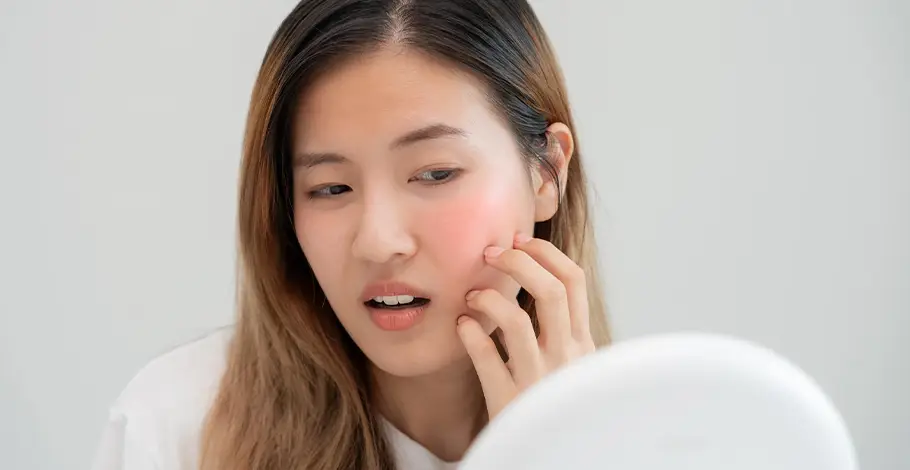
The easiest way to find out if someone is retaining excess water is to test the skin. Look for any swollen parts of the skin. At this spot, press a finger down for fifteen seconds and remove it. If a fingerprint remains, it is a sign of water retention.
Signs of water retention
There are also other symptoms of water retention. The affected tissue may feel painful. In addition, the extra stress on the joints may cause joint pain. Some individuals may notice increased swelling or inflammation. For patients with ongoing water retention, the body weight will change drastically. As the water retention becomes worse, the extra water will cause a rise in body weight.
Once the added water leaves the body, the weight will drop. Anyone who experiences these symptoms can seek help from their doctor for the best ways to reduce water retention. In minor cases, drinking more water, diuretics or exercise may be advised. Changing diets can also help remove the symptoms of water retention.
How Many Glasses A Day Should Someone Drink?
A long time ago, doctors said that people should try to consume eight glasses of water a day. For the average person, this may actually be too much. The foods people eat often contain significant amounts of water. Vegetables and fruit have high percentages of water. Since the diet naturally contains additional water, it is not always necessary to drink a full eight glasses of water every day. The amount of water necessary varies from person to person.
In some cases, even more water should be consumed on a daily basis. Recently, the Institute of Medicine set the adequate intake levels for individuals in a temperate climate. According to this estimate, women should consume nine cups of beverages and men should consume 13 cups. This figure includes all of the beverages, foods and soups eaten in a day.
Someone who is suffering from water retention should increase their daily consumption of water. Although water needs vary according to climate, gender, health and activity level, individuals with water retention must have more water if they want to release excess fluids. Until more water is absorbed, the excess fluid will be retained by the body.
Conclusion
For most healthy people, drinking too much water does not cause water retention. Water retention is usually related to factors such as high sodium intake, dehydration, hormonal changes, prolonged inactivity, certain medications, or underlying medical conditions. Excessive water intake can still be harmful, but it typically causes hyponatremia, which is different from edema.
If you experience persistent swelling, sudden weight gain, or other concerning symptoms, it’s best to speak with a healthcare professional to determine the underlying cause and the most appropriate treatment.
FAQs
Can dehydration cause water retention?
Yes. Mild dehydration may trigger the body to conserve fluid, which can contribute to temporary water retention in some people.
Does drinking more water help reduce bloating?
For some people, staying adequately hydrated may help support normal fluid balance and reduce temporary bloating related to dehydration or high sodium intake.
What is pitting edema?
Pitting edema is a type of swelling where pressing a finger into the skin leaves a temporary indentation.
Can eating too much salt cause water retention?
Yes. High sodium intake is one of the most common causes of temporary water retention.
Is water retention the same as weight gain?
No. Water retention causes temporary fluid-related weight changes, while body fat gain develops over time from excess calorie intake.
When should I worry about swelling?
Seek medical attention if swelling is severe, painful, sudden, affects one leg, or occurs with shortness of breath or chest pain.
Was this article helpful?
2 Sources
We review published medical research in respected scientific journals to arrive at our conclusions about a product or health topic. This ensures the highest standard of scientific accuracy.
[2] Hyponatremia - StatPearls - NCBI Bookshelf: https://www.ncbi.nlm.nih.gov/books/NBK470386/




 This article changed my life!
 This article was informative.
 I have a medical question.
 This article contains incorrect information.
 This article doesn’t have the information I’m looking for.