


 Medically Cited
 43 Reviews
  Specs
Specs Ask a Question
 Write a Review
In This Review
Overview
Benign Prostatic Hyperplasia (BPH) is a problem experienced by many men, causing frequent need to urinate, uncomfortable urinary flow, and weakened urine flow. Although many treatment alternatives exist, including medications, invasive surgeries, most men are seeking a non-invasive solution with a shorter recovery period.
This is where the UroLift System comes in. UroLift System is a minimally invasive treatment, which relieves the symptoms of the BPH without cutting, removing or destroying prostate tissue.
TL;DR
- Benign Prostatic Hyperplasia (BPH) affects nearly 50% of men over 40, often causing urinary urgency and weak flow.
- While the UroLift System claims to improve urine flow without cutting or removing tissue, not all patients report consistent symptom relief.
- Although it offers faster recovery than surgery, long-term effectiveness and side effect risks remain under debate.
In the following article, we will examine the working process of the UroLift System in more detail, its possible value to the user, the procedure, and the safety attributes. We will also discuss the possible side effects and help you understand whether this treatment could suit you or not.
What Is UroLift?
UroLift is the minimally invasive treatment of Benign Prostatic Hyperplasia (BPH) wherein the prostate enlarges and gives rise to urinary issues. UroLift does not cut, burn, or remove the tissue; instead, it lifts the enlarged prostate tissue so that the urethra can be cleared, leading to better flow of urine.
It is generally carried out as an outpatient procedure, with patients returning home frequently the same day, not requiring a catheter. A large number of the patients claim a rapid alleviation of the symptoms and a relatively short course of recovery.
Compared to traditional treatments, this treatment is less invasive, with little downtime involved and a much lower risk of complications, which makes it an option in some cases among men experiencing BPH.
How Does UroLift Rate According To Our Experts?
 Urolift BPH


Brand Highlights
- The UroLift System is manufactured by Teleflex.
- It is located in Pleasanton, California.
- They were founded in 2004.
Pros
- It doesn’t involve taking any medication, pills, supplements, etc.
- The procedure is minimally invasive.
- The main device doesn’t remain inside the patient.
- The recovery is rapid, and the results are supposed to be significant.
Cons
- It does involve a surgical procedure, although small.
- There are some possible side effects, including pain or burning with urination, blood in the urine, pelvic pain, urgent need to urinate, and/or the inability to control the urge.
- It takes more time and effort than just taking a pill.
- Potential for re-treatment if symptoms return.
- Doesn’t reduce prostate size, only relieves symptoms.
How Does UroLift work?
The UroLift System is a minimally invasive procedure to treat Benign Prostatic Hyperplasia (BPH), an enlarged prostate that encompasses symptoms like urinary urgency and frequency. Through the procedure, a small device is introduced through the urethra and mini-implants are set in order to push and hold the prostate tissue out of the way and thereby allowing one to urinate easily.
It is typically done as an outpatient procedure on the same day with local anesthetic thus it does not require an overnight stay or a catheter following the procedure. Although recovery rates are comparatively faster than those of conventional surgeries, patients are likely to experience temporary side effects, such as pain, urgency, or presence of blood in the urine.
It is not clear that UroLift is suitable for larger prostates or severe cases, and some people may still require subsequent treatment.
A study that reviewed the MAUDE database between 2016 and 2023 also reported complications associated with the UroLift System, such as device breakage (56% of complications), Urosepsis, postoperative hematuria, and severe complications, such as strokes.
Albeit UroLift is not as invasive as procedures such as TURP, the study emphasizes the need to pay attention to major adverse events to organize adequate counseling of the patient and future treatment planning.
UroLift Ingredients – Are They Safe And Effective?
There are no ingredients. The only element involved in this process is a small device that a urologist will insert into the urethra to try to unblock the prostate.
UroLift Alternatives
| Products | Cost Range | Key Ingredients |
| Ezee Flow Tea | $22.95 | Stinging Nettle, Saw Palmetto, Chamomile, Cassia Bark, Cranberry Fruit |
| Prostavar Ultra | $49.95 | Vitamin D3, Zinc, Saw Palmetto, Pumpkin Seed Powder, Vitamin E |
| VitalFlow | $69.00 | Vitamin E, Vitamin B6, Copper, Red Raspberry, Reishi, Shiitake Mushroom, Graviola |
| ProstaPlex | $69.00 | Lycopene, Beta Sitosterol, Zinc Oxide, Pumpkin Seed |
How To Use UroLift?
Here’s an overview of how the procedure works:
- Consult Your Doctor: First, you’ll meet with a urologist to see if UroLift is right for you. They’ll go over your symptoms and medical history.
- The Procedure: On the day of the procedure, you’ll receive local anesthesia. The UroLift device is inserted through the urethra, and small implants are placed to lift the prostate and relieve pressure on the urethra.
- Recovery: The procedure is quick, and most people don’t need a catheter. You can typically go home the same day, with minimal discomfort.
- Follow-Up: Afterward, you’ll have a few follow-up appointments to make sure everything’s going smoothly and that the treatment is working for you.
Always consult your urologist for advice tailored to your condition.
Benefits Of UroLift
- Minimally Invasive Procedure: UroLift is designed as a minimally invasive treatment for BPH that avoids cutting, heating, or removing prostate tissue.
- Outpatient Procedure: The procedure is often performed as a same-day outpatient treatment, allowing patients to return home without the need for an overnight stay.
- No Catheter Required: UroLift typically does not require the use of a catheter after the procedure.
- Symptom Relief: The treatment aims to improve urinary flow and reduce symptoms of BPH, such as frequent nighttime urination and urgency.
- Alternative to Medication: UroLift may serve as an option for patients who find medications less effective or experience unwanted side effects.
Side Effects Of UroLift
UroLift System claims to be mostly safe, and the majority of people do not have lasting side effects. Mild pain or burning as you urinate, blood in the urine, discomfort in the pelvis, or need to urinate frequently are among some common temporary side effects.
These tend to disappear in a period of a few days or weeks. On rare occasions, it may result in bleeding, infection, or some complications that may require additional care. Like any other process, there can never be guaranteed results, and so you should also discuss with your physician any concerns you have before proceeding with the medical procedure.
Safety Of UroLift
The UroLift system is a safe option, as it is non-invasive and only requires a local anesthetic, limiting unpleasant side effects and the period of recovery. It does not require incisions or catheter insertion and reduces the chances of infections. Although the majority of side effects are temporary, such possible effects as mild pain, bleeding, or the need to urinate urgently can appear.
Its risk profile is favorable in comparison with more invasive treatment procedures such as TURP. But, minor complications such as infection or excessive bleeding may occur, and the user should discuss them with their healthcare provider to clarify whether the person is suitable to have a procedure performed.
UroLift Price
UroLift pricing can vary depending on factors such as location, physician fees, and insurance coverage. Many insurance plans, including Medicare, cover UroLift when medical criteria are met. For accurate pricing, consult with a UroLift-trained physician and your insurance provider.
UroLift Review – FAQs
Q: How should you take UroLift?
A: UroLift isn’t a supplement or product that you take, it’s a small surgical procedure designed to give men who are having prostate problems some relief. It’s s small device that is inserted into the enlarged urethra to get to the prostate. It’s supposed to push the prostate out of the way and enlarge the opening. Then the device is removed, and the opening should stay wider.
Q: How much does UroLift cost?
A: There’s no price listed for UroLift. As the company writes, they are committed to helping patients and healthcare professionals navigate the insurance process. Basically, they do everything possible to get insurance to cover this procedure.
Q: Where is this product available for purchase?
A: You can buy it from Amazon or Walmart. Keep in mind that prices may be different on each site.
Q: Does UroLift offer a free trial?
A: No, there’s no free trial possible for this Urolift implant. It’s a small surgical procedure done by a physician, so you have to make the decision to do it yourself and pay for it through insurance.
Q: Is UroLift Procedure Covered by Medicare (Humana)?
A: Yes! The UroLift System treatment is covered by Medicare and many private insurers. Contact your insurance provider for your specific coverage information.
Q: Does BCBS cover the UroLift procedure?
A: Yes, with the announcement of this new coverage, all independent licensees of the Blue Cross Blue Shield Association (BCBS) now allow members access to the UroLift System treatment for an enlarged prostate when plan-specific medical necessity criteria are met.
SEE ALSO – Prostate MD Reviews.
UroLift Customer Reviews
“I couldn’t be happier with my results. The UroLift™ System procedure helped reduce the number of pit stops I had to make during my drives. I sleep much better and go to the bathroom less often at night.” — Chris T.
It’s worth noting that the absence of any critical reviews on the official site raises questions, as no product or treatment is without its drawbacks. This raises questions about the consistency of the results, which may not be as reliable as the website claims.
UroLift Review – Conclusion
The UroLift System is a unique approach to the treatment of prostate enlargement. Rather than simply another pill or supplement, this is a small device that is actually inserted into the prostate by a surgeon to widen the opening.
UroLift System may appear to be a good choice in the treatment of BPH as it is minimally invasive and does not require a long recovery. Nonetheless, there are some negative factors to it. Others may suffer temporary side effects such as pain, burning, or bleeding in the urine. And although it is not as invasive as other types of surgery, other issues such as the breakage of the devices or the development of infections can also occur.
Also, UroLift does not decrease the size of the prostate; it merely alleviates symptoms, meaning that one might need it to be re-treated in the future. It is better to consider other prostate supplements.
Although, this can be done at different prices and though insurance can cover this, not all people may be able to have it covered under insurance. It is worth considering other prostate supplements whether it is the right fit for you.
Prostate health is of great concern for men today. Preventative measures may reduce the risk of developing prostate cancer and improve overall prostate health and function. A quality, premium prostate supplement may shrink the prostate, minimize frequent urination, promote sexual function and contain quality ingredients.
Below you’ll find some of the most effective prostate supplements on the market today, in our opinion.

Verdict on Claimed Benefits: Below is our summary of the available evidence for the claimed benefits of below mentioned prostate health supplements based on the available research:

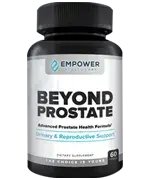
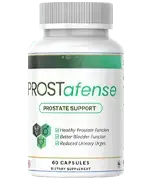
Product reviews are provided for informational purposes only and reflect solely the views and opinions expressed by the contributors and not those of Consumer Health Digest. We do not verify or endorse any claims made in these reviews. Please read the full product reviews disclaimer. *All individuals are unique. Your results can and will vary.
43 Customer Reviews for UroLift
Customer Reviews & Ratings
2.1 out of 5Review this Product
Leave a review and share your experience with others.
Write a Review
 Ask a Question
UroLift Ques and Ans
-
Q: Is It Safe to Have MRI Scans When a UroLift Is Fitted?
A: It is strongly recommended to consult your MRI expert first. Before going for any such scan with UroLift.
-
Q: Does UroLift help with incontinence?
A: UroLift is a product that can help with incontinence. An enlarged prostate causes urination issues because it restricts the urethra. Because BPH causes urinary incontinence by obstructing the urethra with enlarged prostate tissue, UroLift addresses the problem by restoring urine flow. It aids in the creation of a urine route and should be used to treat urinary incontinence.
-
Q: What does DRE mean?
A: (DRE) Digital rectal examination is another name for it. Enlarge. To check for anything abnormal, the doctor inserts a gloved, lubricated finger into the rectum and feels the rectum, anus, and prostate (in men).
-
Q: How and when is the 'device' removed? Does that procedure require sedation as well? A friend was told that the device is similar to a cardiac arterial stent. Please explain in more detail about that part. Why does it have to be removed if it is so effective, to begin with? Thank you.
A: If necessary, your doctor can easily remove the implant. A normal grasper can be used to cut the suture and recover the urethral endpiece. Yes. Under local anesthetic and sedation, the Urolift system is a well-tolerated, safe, and effective treatment for lower urinary tract problems caused by benign prostatic hyperplasia. A nitinol capsular tab, a stainless steel urethral tab, and a polyester suture that connects the two tabs make up the implant. The capsular tab will stay in place outside of the prostate capsule.
-
Q: I had seeds implanted (116) 20 years ago for prostate cancer. Can I have a Urolift device implanted?
A: Urolift procedure does not treat prostate cancer, it can help with symptoms of urinary tract obstruction caused by prostate cancer. We advise you to please consult your physician to determine which treatment is right for you.
-
Q: I had prostate cancer 3 years ago, the prostate was removed. I have difficulty controlling my urine flow. Will Urolift treat this?
A: The UroLift system is a non-invasive way of addressing BPH. It helps reduce the prostate swelling that inhibits the flow of urine from the urethra. During the procedure, which takes less than an hour, the patient is given mild sedation.
-
Q: What effect does Urolift have on erections and ejaculation?
A: Urolift procedure accomplishes similar results to the traditional surgical treatment for enlarged prostate, which uses an electronic knife to resection the prostate. There is no effect on erections and ejaculation and patients can resume their normal activity quickly.
-
Q: How long do the Urolift side effects last, if you experience them? Do they just clear up, eventually?
A: Most common side effects are mild to moderate and include pain or burning with urination, blood in the urine, pelvic pain, urgent need to urinate, and/or the inability to control the urge. Most symptoms resolve within two to four weeks after the procedure.
-
Q: When do I go back on blood thinners after the Urolift procedure?
A: If you are on a blood thinner such as Xarelto (Rivaroxaban), Equis (Apixaban), Aspirin or Baby Aspirin, Coumadin, Plavix (Clopidrogel), Pradaxa (Dabigatran), Meloxicam, Effient (Prasugel), Brillinta (Ticagrelor), Fish Oil or any other blood thinner, please ask your physician when it is safe to restart these medications. Do Not stop these medications on your own unless otherwise noted by your cardiologist.
-
Q: How long does the Urolift last?
A: The UroLift Implant is a permanent implant, and the treatment is intended to be permanent. Durability has been shown to be at least 4 years in U.S. clinical data, and results will continue to be published as follow-ups continue.
-
Q: Will UroLift open up a very large prostate?
A: UroLift Offers Relief for BPH. An enlarged prostate compresses the urethra, making it difficult for urine to flow. The UroLift Device is placed through the obstructed urethra to access the enlarged prostate.
-
Q: What are the 'tiny implants' made of in the UroLift System?
A: The UroLift Implant is made of three materials: a nitinol capsular tab, a stainless steel urethral endpiece, and a PET suture. Properly placed implants will invaginate within the prostatic tissue. The UroLift Implants are small permanent implants that hold the obstructing prostatic lobes apart. They are deployed through a needle that comes out of the delivery device. Each implant is made with common implantable materials: nitinol, stainless steel, and future. Typically, 4-6 implants are placed into the prostate.
Q: Can a second Urolift be performed when it is no longer effective?
A: Yes, the UroLift procedure can be repeated, or men can undergo a traditional laser procedure.
Q: Can't pee after UroLift? When will urine flow after the UroLift implant? My urologist examined me via cystoscopy and said I had a "blockage" that was keeping me from urinating without a catheter.
A: If you can successfully urinate, you will be allowed to go home. If you have difficulty urinating, your doctor may insert a catheter to help you void, and you will be given instructions on when to have the catheter removed. Most patients do not require a catheter after having the UroLift procedure.
Q: Is the UroLift procedure done through the anas or the penis?
A: The UroLift System treatment is a straightforward procedure that is performed by a urologist. The procedure may be performed under local or general anesthesia and you may be given medication to feel comfortable during the treatment. Your urologist performs the UroLift procedure by pulling the lobes in your prostate apart to relieve compression placed on the urethra.
-
Q: Does UroLift go up the penis or rectum? What amount of pain if by the penis should I expect?
A: No. The implants are placed on the anterior (front) side of the prostate, and a DRE is conducted on the posterior (back) side of the prostate. The goal of the UroLift System treatment is to relieve symptoms so you can get back to your life and resume your daily activities.
-
Q: Why is a blood test required before the UroLift procedure?
A: According to the manufacturer of the UroLift, this is done to safeguard you and ensure that you are in good enough health to have surgery without serious issues.
-
Q: Can my prostate be too large for UroLift?
A: In a Q&A with Dr. Daniel Rukstalis told Harvard Health: It’s FDA-approved for men 45 and older with prostates up to 80 grams in size (a normal prostate in a man ranges between 7 to 11 grams). But my view is that UroLift works best in prostates ranging from 25 to 60 grams. About a third of men with BPH also have what’s called a “median lobe,” or a bit of prostate tissue that protrudes up into the bladder. We just completed a clinical trial showing that UroLift works well for these men too. On the basis of that study, the FDA approved UroLift for men with median lobes in early 2018. We’ll typically evaluate potential candidates with a pelvic ultrasound, which provides a lot of information about the health of the bladder and the size and shape of the prostate..
Have a Question? Please Tell Us What We Are Missing Here!
Upload Your Video Review
How to record video?
- Prepare your device, ensuring it's charged and has enough storage.
- Find a quiet, well-lit space with natural or good indoor lighting.
- Position your device and frame yourself in the center with head and shoulders visible.
- Introduce yourself, the product, and why you chose it.
- Share your experience, including positives, negatives, and recommendations.
- Test audio and video to ensure they're working properly.
- Keep the video concise, aiming for 1-3 minutes.
- Review your recording for quality and clarity.
- Upload your video.
Video recording details:
- Video duration: 1 - 3 minutes
- Video Quality: Full HD (1080p and above)
- Video format: MP4
- Audio Quality: Clear without background noise
2 Sources
We review published medical research in respected scientific journals to arrive at our conclusions about a product or health topic. This ensures the highest standard of scientific accuracy. [1] Epidemiology of clinical benign prostatic hyperplasia: https://pmc.ncbi.nlm.nih.gov/articles/PMC5717991/[2] Complications and device failures associated with urolift: Findings from the MAUDE database: https://journals.sagepub.com/doi/10.1177/03915603231180016
**This is a subjective assessment based on the strength of the available informations and our estimation of efficacy.
*Result may vary. If you are pregnant, nursing, have a serious medical condition, or have a history of heart conditions we suggest consulting with a physician before using any supplement. The information contained in this website is provided for general informational purposes only. It is not intended to diagnose, treat, cure, or prevent any disease and should not be relied upon as a medical advice. Always consult your doctor before using any supplements.
Disclosure of Material connection: Some of the links in the post above are "associate sales links." This means if you can click on the link and purchase an item, we will receive a commission. Regardless, we only recommend products or services which we use personally and/or believe will add value to our readers. We are disclosing this in accordance with the Federal Trade Commission's 16 CFR, Part 255: "Guides Concerning the Use of Endorsements and Testimonials."












Callahan Rourke
James Carter
Bremerton Guy
I currently get up to urinate 1x per night 75% percent of the time, 2x 20% of the time and 3x 5% of the time. I’m glad I did it and it did help a lot for a few years, but by the 3rd year I started to get the same urination issues. This does NOT trim or cut the prostate, but hoists it up out of the way of the urinary tract.
I had the max # of ‘hoisters’ because the size of my prostrate. I’m going in on Friday to find out what my current options are because I’m now back where I started in 2020. BTW, my recovery was quick (3 days), but I did have blood in the urine for several weeks. I think I took one pain pill (I think the day after the procedure) and was fine after that. It was sure easier than my friend who had a TERPS, although perhaps that would last longer.