Medically Cited
Are you experiencing some difficulty with your pregnancy and some pelvic pain, urinary pain or an unabated prostate issue? If so, you may be wondering if there is a connection? That’s a good question, and more men are asking it as they learn more about their reproductive health.
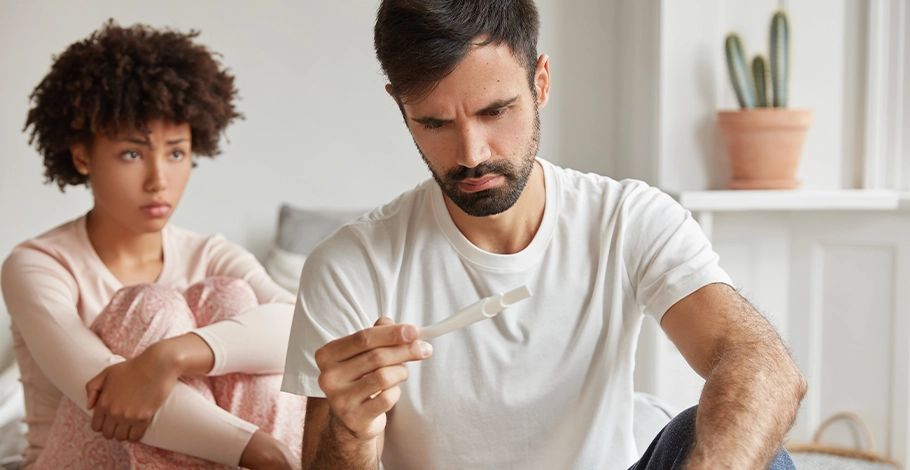
Chronic prostatitis, which is an inflammation or irritation of the prostate that persists over an extended period of time. The prostate’s true role is to form the fluid in which the sperm is transported and protected during its journey. It is no surprise, therefore, that with a prostate disorder, fertility can also be affected.
There’s been a lot of research done on this in the last few years, not a quick yes-or-no decision, but there is a true connection there that can be understood based on evidence. The science behind all of this is explained in this article, so you will understand what is true, what is being studied, and what you can do to aid them in their study.
What Is Chronic Prostatitis?
The prostate is a small gland located just below the bladder in men and is approximately the size of a walnut. It is a unit that mainly serves to produce a fluid that mixes with the sperm and produces the semen, which enables the sperm to live and move with ease after it is ejected from the body.
Chronic prostatitis is defined as a prostate that is inflamed or irritated for three months or longer. Doctors normally categorize it into a few types. In chronic bacterial prostatitis, the infection in the prostate returns. Chronic pelvic pain syndrome is much more prevalent, and there is no identifiable infection causing the pain, but it still leads to chronic pain and symptoms.
Research published by the National Center for Biotechnology Information (NCBI) cited an identifiable organism for chronic bacterial prostatitis, but the cause of chronic pelvic pain syndrome is far less understood. This more mysterious one is the one that scientists have been working on for the longest time when it comes to fertility.
Can Chronic Prostatitis Cause Male Infertility?
When the prostate is inflamed for a long stretch, that inflammation can spill over into the fluid it produces. A recent review in the World Journal of Urology looked closely at this connection and examined how the condition may alter semen quality, including sperm concentration, movement, shape, and DNA integrity, along with changes in seminal fluid markers.
In simpler terms, ongoing inflammation can change the environment sperm are living in, and that can affect how well they swim, how they’re shaped, and even the genetic material they carry.
Other research backs this up. A literature review published in Current Prostate Reports noted that while a direct cause-and-effect relationship hasn’t been fully proven, a growing body of evidence points to chronic prostatitis having a meaningful negative effect on male fertility.
Separately, studies looking specifically at semen samples have found that certain non-bacterial forms of chronic prostatitis are associated with reduced sperm shape quality and movement.
That said, it’s important to keep this in perspective. Many men with chronic prostatitis go on to father children without any issue, and having the condition doesn’t mean fertility is guaranteed to suffer. It simply raises the odds of semen quality changes that, in some men, add up to a real fertility challenge.
Supporting fertility through prostate health
Symptoms and Causes
Chronic prostatitis doesn’t look the same in every man, but there are some common threads. Typical symptoms include:
- Pain or discomfort in the pelvic area, lower back, or between the legs
- A frequent or urgent need to urinate, sometimes with a burning feeling
- Pain during or after ejaculation
- Discomfort during sex or a drop in sexual function
- A general feeling of pressure or fullness around the prostate
As for causes, chronic bacterial prostatitis usually starts with a bacterial infection that either doesn’t fully clear up or keeps returning. Chronic pelvic pain syndrome is trickier.
Doctors haven’t pinned down one single cause, but research points to a mix of possible triggers, including past infections, immune system responses that stay switched on, nerve or muscle issues in the pelvic floor, and stress.
A review from the American Academy of Family Physicians noted that the exact cause remains unclear, though infection, an overactive immune response, and muscle spasm in the area are all considered possible explanations. Certain risk factors, like a prior urinary tract infection, pelvic injury, or sitting for long periods, may also play a role.
How Is Prostatitis-Related Infertility Diagnosed?
If you’re dealing with both prostatitis symptoms and fertility struggles, your doctor will usually approach it from two angles at once.
First comes a physical exam and a conversation about your symptoms, medical history, and how long things have been going on. From there, doctors often order a urine test, sometimes taken before and after a gentle prostate massage, to check for infection or inflammation. Blood tests may also be used to rule out other conditions.
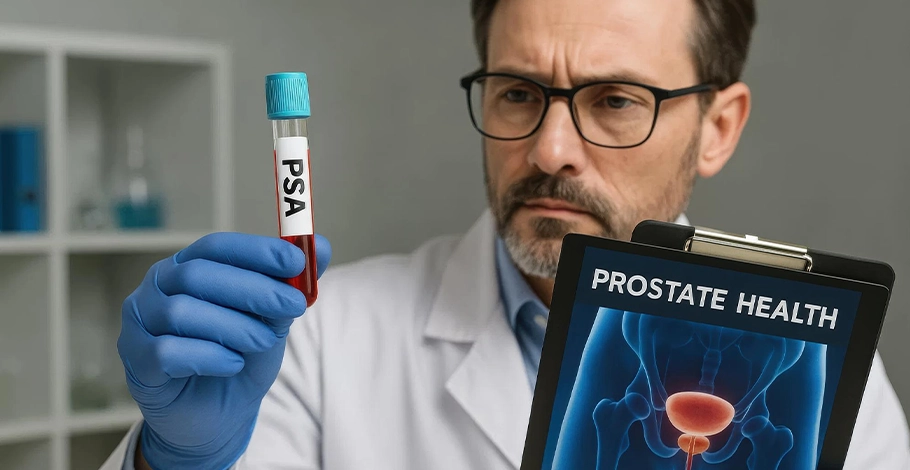
Tests for Prostatitis-Related Infertility
On the fertility side, a semen analysis is the key test. It looks at sperm count, movement, shape, and the overall volume and quality of the semen itself. Some clinics also check for inflammatory markers or white blood cells in the semen, since elevated levels can be a sign that inflammation is affecting sperm health. Depending on what’s found, your doctor might recommend additional imaging or specialist referrals to a urologist who focuses on male fertility.
Treatment and Can Fertility Improve?
Treatment is actually determined by the kind of prostatitis that you are suffering from. Treatment of bacterial infections typically involves a course of antibiotics, and sometimes, the impact of eliminating the infection can be beneficial to sexual function as well.
If there is no infection found, treatment will usually be more complex and may involve anti-inflammatory drugs, pelvic floor physiotherapy, alpha-blockers to help with urinary symptoms, and lifestyle changes.
When it comes to recovery of fertility, it is actually very hopeful for many men. A large proportion of the fertility effect is caused by inflammation impacting semen quality, and reducing inflammation will lead to improvements in semen quality over time.
Treatment strategies have been studied, and in past clinical trials, antibiotic therapy has been demonstrated to enhance some cases of accessory gland infection and its effects on fertility. It’s important to note that this research is still in progress and there may be some variability between individuals, which makes it important to collaborate with a doctor for the best possible treatment.
Tips to Protect Prostate Health
A few everyday habits can go a long way in supporting a healthy prostate and potentially lowering the risk of chronic inflammation:
- Stay hydrated and avoid holding in urine for long stretches
- Move around regularly rather than sitting for hours at a time, especially if your job involves a lot of desk time
- Practice safe sex to lower the risk of infections that can trigger prostatitis
- Manage stress, since tension can contribute to pelvic floor muscle issues
- Eat a balanced diet with plenty of fruits, vegetables, and fiber, and go easy on excessive caffeine, alcohol, and spicy foods if they seem to worsen symptoms.
- Don’t ignore urinary or pelvic symptoms, catching an infection or irritation early makes it much easier to treat before it becomes chronic.
Conclusion
Chronic prostatitis and male infertility are indeed related, but not necessarily so. In some men, long-term prostate inflammation will cause poor semen quality, poor sperm movement, and poor sperm shape, but in many men with this condition, the semen quality is normal, and sperm movement and shape are normal, and they father children without problem.
The most important lesson to be learned is that early diagnosis and timely treatment are important. The earlier you get it treated, the better your prostate and your fertility will be. If symptoms or fertility issues don’t go away, it may be advisable to see a doctor or urologist instead of taking the chance.
Was this article helpful?
3 Sources
We review published medical research in respected scientific journals to arrive at our conclusions about a product or health topic. This ensures the highest standard of scientific accuracy.
[2] Erectile Dysfunction : https://www.ncbi.nlm.nih.gov/books/NBK562253/
[3] Chronic Prostatitis and Chronic Pelvic Pain Syndrome in Men : https://www.ncbi.nlm.nih.gov/books/NBK599550/




 This article changed my life!
 This article was informative.
 I have a medical question.
 This article contains incorrect information.
 This article doesn’t have the information I’m looking for.