Medically Cited
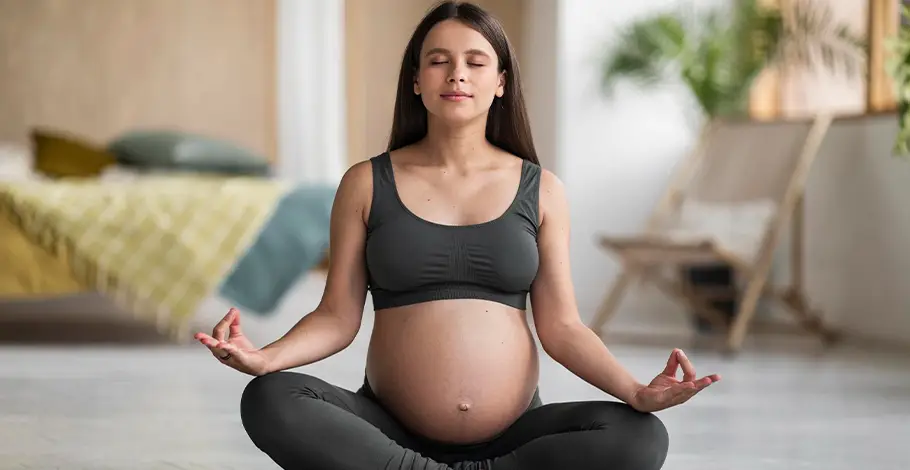
Prenatal yoga is a gentle form of yoga designed for pregnancy. It usually includes safe stretching, simple strengthening poses, breathing exercises, relaxation, and meditation. For many healthy pregnancies, prenatal yoga may support flexibility, calmness, posture, breathing awareness, and overall comfort.
However, it should be practiced with proper guidance, especially if you are new to yoga or have a high-risk pregnancy. Always speak with your healthcare provider before starting or changing any exercise routine during pregnancy.
Key Takeaways
- Prenatal yoga is different from regular yoga because the movements are adjusted for pregnancy.
- It may help support flexibility, relaxation, breathing, posture, and body awareness.
- Many women can begin gentle prenatal yoga during pregnancy with medical guidance, but the right time depends on health history and pregnancy status.
- Pregnant women should avoid hot yoga, deep twists, intense backbends, belly-down poses, and breath-holding exercises.
- A trained prenatal yoga instructor can help modify poses safely as the body changes.
- Stop exercising and contact a healthcare provider if warning signs such as bleeding, dizziness, chest pain, regular contractions, fluid leakage, or severe shortness of breath occur.
What Is Prenatal Yoga?
For 9 months, mother’s body is the baby’s home. The baby needs to feel comfortable, safe and pleasant. During these nine months, mothers are faced with morning sickness, nausea, diarrhea, pain, cramps and stress from everywhere around them.
Prenatal yoga is a pregnancy-focused form of yoga that uses gentle movements, modified postures, breathing techniques, and relaxation practices to support the changing body.
Yoga classes often include a warm-up session, gentle stretching for the legs, arms, and back, postures to support strength and stamina, and a relaxation or meditation session. In prenatal yoga, all the techniques during yoga classes are adjusted to specifically aid mothers in these sensitive times.
Is Prenatal Yoga Safe?
Prenatal yoga is generally considered safe for many healthy pregnant women when practiced correctly and with proper modifications. It is important to remember that every pregnancy is different. What feels comfortable for one person may not be suitable for another.
The safest approach is to speak with your doctor, midwife, or healthcare provider before starting prenatal yoga, especially if you are new to exercise, have pregnancy complications, or have been advised to limit physical activity.
Prenatal yoga should feel gentle and steady, not painful or overly intense. A good class should allow time for warm-up, slow movement, rest, hydration, and modifications. If any pose causes discomfort, dizziness, pressure, pain, or shortness of breath, stop and adjust.
When Can You Start Prenatal Yoga
Yoga is not recommended for the first trimester, instead, it is best to start in the second three months, or approx.14th week of pregnancy.
However, this advice should be updated. For many healthy pregnancies, gentle physical activity may be safe earlier, but the right time to start depends on your health, pregnancy history, fitness level, and your provider’s guidance.
There is no evidence that yoga may harm the baby or cause side effects during the first trimester (when miscarriages happen), but it is better to be safe than sorry. Mothers also have more energy during the second trimester, and they can go through a whole class.
If you are in the first trimester and want to begin, start slowly with breathing exercises, relaxation, and very gentle movement. Avoid overheating, deep stretching, intense poses, and anything that causes strain.
If you conceived through IVF, have a history of miscarriage, bleeding, severe nausea, dizziness, or any pregnancy complication, ask your healthcare provider before beginning.
The second trimester is often a comfortable time to begin prenatal yoga because energy may improve and early nausea may settle for some women. In the third trimester, yoga should focus more on comfort, breathing, gentle mobility, posture support, and relaxation.
Benefits of Yoga During Pregnancy
Yoga postures focus on pelvic muscles, which will come in handy during labor. Of course, by simply being physically active, mothers release endorphins.
Yoga also improves circulation, endurance, stamina, flexibility and muscle tone, all while helping with morning sickness, cramps. But the most important benefit of yoga is that it keeps people calm and mentally agile.
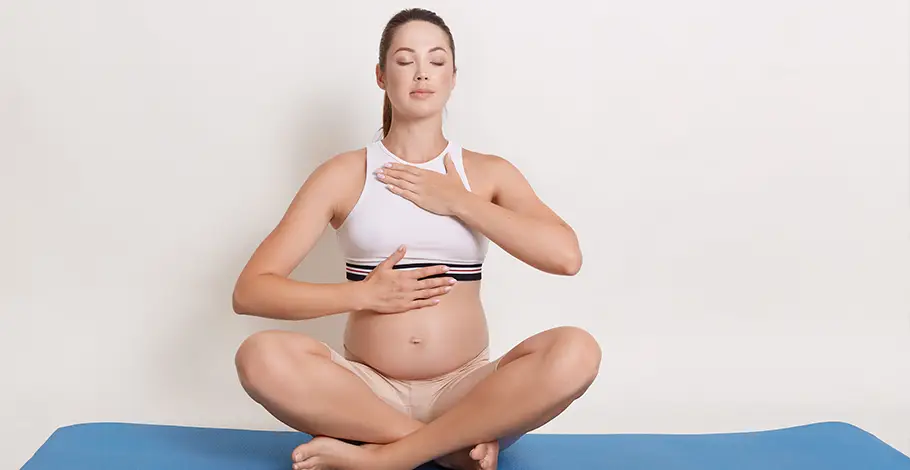
Benefits-of-yoga-during-pregnancy
Prenatal yoga may offer several benefits when practiced safely and consistently. These may include:
- Supporting flexibility and gentle strength
- Helping improve posture as the belly grows
- Supporting breathing awareness and relaxation
- Helping reduce everyday tension in the back, hips, shoulders, and legs
- Encouraging better body awareness during pregnancy
- Providing a calm space to manage stress and emotional changes
- Helping mothers feel more confident with movement and breathing before labor
- Creating a supportive environment when practiced in a prenatal class
These benefits can vary from person to person. Prenatal yoga should not be seen as a guarantee of easier labor or a replacement for medical care, but it can be a helpful part of a healthy pregnancy routine.
Prenatal Yoga by Trimester
First Trimester
During the first trimester, the body is adjusting to major hormonal changes. Some women feel tired, nauseous, or lightheaded. Prenatal yoga during this stage should be gentle and focused on breathing, relaxation, and simple movements. Avoid overheating, intense flows, deep twists, and strong abdominal work.
Second Trimester
The second trimester is often when many women feel more energy. This can be a good time for gentle strengthening, hip-opening movements, posture work, and breathing practice. As the belly grows, avoid lying flat on the back for long periods and use props for support.
Third Trimester
In the third trimester, comfort and safety become the main focus. Movements should be slower, wider, and more supported. Use blocks, pillows, bolsters, a chair, or a wall. Gentle hip mobility, side stretches, breathing exercises, and relaxation may feel more useful than long or difficult poses.
Best Prenatal Yoga Poses
- Vakrasna or Twisted Pose: To start this pose, one needs to sit erect with his feet stretched in front. While inhaling, raise arms at shoulder level with palms facing down. When exhaling, twist the body from waist toward right, all while moving hands and head to the same side. Swing arms back, but try not to bend knees. Now inhale, and return to original position. Repeat steps for other side. This pose addresses spine, neck, abdominal organs.
- Paryankasana: The pose begins with mothers lying down on back, legs straighten and knees together. Next step is to fold right leg in the knee at the side of your posterior and breathe normally. Hold as long as you feel comfortable, and then repeat on the other side. Paryankasana addresses abdominal, thigh and pelvic muscles.
- Utkatasana or Chair Pose: Begin with standing erect with feet around 12 inches apart, but keep your feet parallel to each other. While inhaling, raise your heels and arms at shoulder level, while palms are facing down. Slowly exhale, and sit in squat while doing so. Stand on your toes if possible. While your hands are in the same position, inhale and get up slowly. Continue simultaneously: exhale hands down, inhale hands up. This pose strengthens pelvic muscles.
- Hast Panangustasana: Designed for the pelvic and thigh muscles, this pose begins with women lying down on their back. Legs are straightened, body is in one line, and hands are in T-position. Slide right leg towards right, while holding toe with right hand. Slide back to return to first position, and then repeat with left leg.
- Konasana or Angle Pose: This pose can be done with the support of a wall. First step is to stand erect with feet approximately 24 inches apart. While keeping the elbow straight, raise your right hand. Stretch, inhale and bend sideward to the left. When exhaling, come back to original position and put hands down. Repeat on the other side. Konasana improves flexibility.
- Bhadrasana or Butterfly Pose: Begin sitting on mat with legs stretched. Form Namaste with the feet, while your legs stay in contact with mat. Sit erect, and try not to lean forward. Hands are on knees. You can stay in this pose for how much you want, of course until you feel comfortable. Then straighten legs and repeat. This is another pose for the pelvic region.
- Yastikasana or Stick Pose: If done properly, yastikasana relives body tension and corrects posture. Start by lying down on back, with legs straight and body in one line. Keep feet and knees together, and rest hands on the sides. While inhaling, raise hands and stretch upward, and simultaneously push your toes. During exhale, raise hands and return to starting position.
- Parvatasana or Mountain Pose: Another pose beneficial for body posture, parvatasana starts with sitting on mat in padmasana. Sitting straight, you inhale and raise arm, joining your palms in Namaste. Elbows are straight, hands to the ears. Try to hold for several seconds, and then return to normal position.
- Hot yoga or yoga in heated rooms
- Deep closed twists that compress the abdomen
- Strong backbends
- Belly-down poses
- Intense abdominal work
- Breath-holding practices
- Inversions unless already experienced and cleared by a provider
- Long periods lying flat on the back, especially later in pregnancy
- Overstretching, especially as pregnancy hormones may make joints feel looser
- Any pose that causes pain, dizziness, pressure, or discomfort
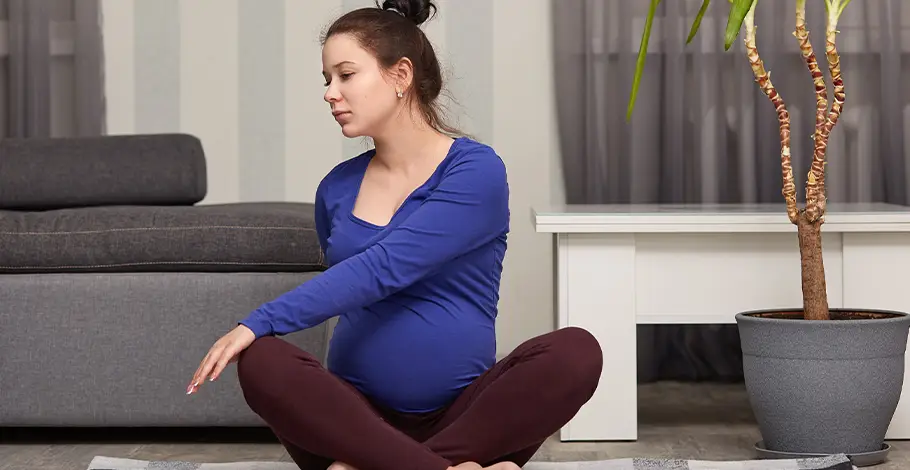
Vakrasna or twisted pose
Prenatal Yoga Poses to Avoid During Pregnancy
Not every yoga pose is suitable during pregnancy. Some poses may place pressure on the belly, affect balance, increase strain, or raise the risk of overheating.
Pregnant women should usually avoid:
When in doubt, choose a gentler version or ask a prenatal yoga instructor for a modification.
Who Should Avoid Prenatal Yoga?
Prenatal yoga may not be suitable for every pregnancy. Some women may need to avoid it or practice only with close medical guidance, especially if they have pregnancy complications or certain health conditions.
This may include women with vaginal bleeding, placenta previa, risk of preterm labor, cervical insufficiency, severe anemia, uncontrolled high blood pressure, heart or lung disease, severe dizziness, fainting, or a multiple pregnancy with complications.
If your healthcare provider has advised limited physical activity or bed rest, prenatal yoga should not be started without approval. When there is any doubt, it is always safer to ask your doctor or midwife before beginning a class or home practice.
Conclusion
Prenatal yoga can be a helpful way to stay gently active, build body awareness, and create moments of calm during pregnancy. However, it should not be treated as a guarantee of easier labor or a replacement for medical care.
The safest choice is to practice with proper guidance, listen to your body, and speak with your healthcare provider before beginning or changing your routine.
Frequently Asked Questions
Can I start prenatal yoga in the first trimester?
Some women may begin gentle prenatal yoga in the first trimester with medical guidance. However, this stage can bring fatigue, nausea, and dizziness, so the practice should be light and focused on breathing, rest, and simple movement. If you have bleeding, pain, IVF pregnancy, or previous pregnancy loss, ask your provider first.
How often should I do prenatal yoga?
The right frequency depends on your health, energy, fitness level, and pregnancy stage. Some women may enjoy one to three gentle sessions per week, while others prefer short daily breathing or stretching practices. The goal is consistency and comfort, not intensity.
Can prenatal yoga help with labor?
Prenatal yoga may support breathing awareness, gentle strength, relaxation, and confidence, which can be helpful during pregnancy and birth preparation. However, it does not guarantee an easier labor. Labor is affected by many factors, including health history, baby’s position, and medical circumstances.
Do I need a prenatal yoga instructor?
A trained prenatal yoga instructor is recommended, especially for beginners. They can help modify poses, avoid unsafe movements, and adjust the practice by trimester. If you practice at home, choose pregnancy-specific classes from qualified instructors and avoid advanced or heated routines.
Was this article helpful?
3 Sources
We review published medical research in respected scientific journals to arrive at our conclusions about a product or health topic. This ensures the highest standard of scientific accuracy.
[2] Hot yoga and pregnancy: Fitness and hyperthermia - PMC : https://pmc.ncbi.nlm.nih.gov/articles/PMC3994790/
[3] First Trimester Fatigue | Johns Hopkins Medicine : https://www.hopkinsmedicine.org/health/conditions-and-diseases/first-trimester-fatigue





 This article changed my life!
 This article was informative.
 I have a medical question.
 This article contains incorrect information.
 This article doesn’t have the information I’m looking for.