Medically Cited
A turkey neck develops when skin beneath the chin loses firmness, fat builds up, or neck muscle bands become more visible. Aging, genetics, sun exposure, and weight changes can contribute. Skincare may help with dryness and fine lines, but creams and exercises cannot remove excess skin.
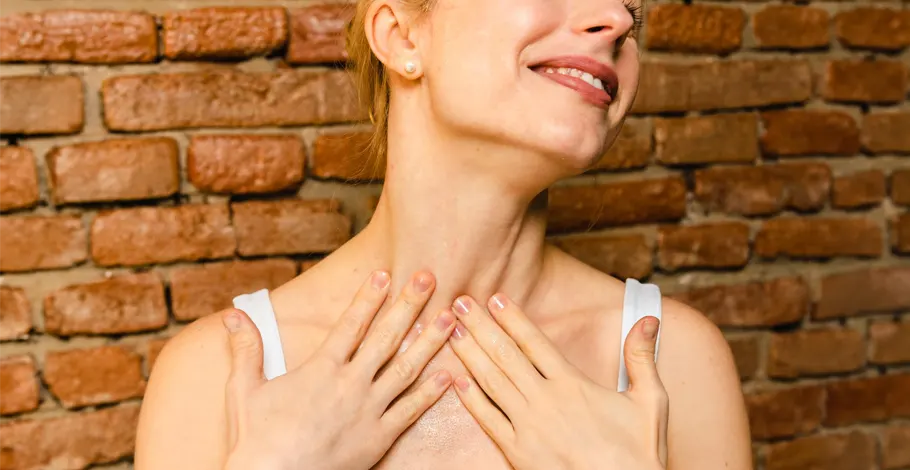
Depending on the cause and severity, injections, skin-tightening treatments, liposuction, or a neck lift may improve its appearance after assessment by a qualified healthcare professional.
Overview
A little loose skin beneath your chin can change how your jawline looks. You might notice it gradually or see it more clearly after losing weight. Often called “turkey neck,” it is a common change as skin loses firmness with age.
There are ways to improve its appearance, though each has limits. Some address skin texture, others reduce fat, and surgery can remove excess skin. Knowing the difference can help you avoid spending money on treatments that do not suit your concern.
Key Takeaways
- Aging, genetics, sun exposure, and weight changes can contribute to turkey neck.
- Creams may improve fine lines and dryness but cannot remove hanging skin.
- Neck exercises cannot get rid of excess skin.
- Treatment options address different causes, including fat, muscle bands, and loose skin.
- Improvements vary, and more involved procedures require recovery and carry greater risks.
What Is a Turkey Neck?
“Turkey neck” is an informal term for loose or hanging skin beneath the chin and along the neck. Fat beneath the chin can also add fullness and make the jawline look less defined.
The platysma, a thin muscle beneath the neck’s skin, may become visible as vertical cords called platysma bands. These bands can appear alongside loose skin and excess fat, so turkey neck may involve a combination of all three.
What Causes Turkey Neck?
Several factors can affect the shape and appearance of your neck:
- Aging: Skin loses elasticity over time, and the tissues underneath also change.
- Genetics: Your inherited jaw structure and tendency to carry fat around the neck play a part.
- Weight loss: Skin that stretched with weight gain may remain loose after substantial weight loss.
- Sun exposure: Years of ultraviolet exposure contribute to premature skin aging.
- Lifestyle factors: Smoking speeds skin aging. Diet and other daily habits also affect skin health.
These factors often overlap. Having turkey neck does not necessarily mean you are overweight or have neglected your skin.
Can You Get Rid of Turkey Neck Naturally?
Home care can help your skin look and feel better, but it cannot reliably remove established folds of loose skin.
Maintaining a healthy, stable weight is a sensible starting point. Weight loss may reduce fullness when excess fat is involved, although it may leave sagging skin behind.
Give your neck the same care as your face. Use a gentle cleanser, moisturize regularly, and apply broad-spectrum, water-resistant sunscreen with SPF 30 or higher. Reapply as directed when outdoors, and use shade or protective clothing. Avoiding smoking also helps limit premature skin aging.
Do Turkey Neck Exercises Work?
Neck exercises may strengthen muscles, but they cannot remove excess skin. Research showing that these exercises meaningfully improve turkey neck is limited.

Do Turkey Neck Exercises Work?
This matters because stronger muscles do not automatically make the skin above them tighten. A routine advertised as a “natural neck lift” may promise more than it can deliver.
If you have neck pain, arthritis, or a previous injury, ask a healthcare professional before trying neck exercises. Avoid forceful stretches and stop any movement that hurts.
Can Creams Tighten Turkey Neck Skin?
Creams can improve how neck skin looks and feels, but they cannot remove excess skin or provide the lift of surgery. Retinoids, such as retinol and prescription tretinoin, may soften fine lines and improve texture, though they can cause irritation. Ask a dermatologist about suitability, and avoid them during pregnancy.
Vitamin C may help with some signs of sun damage, but it will not lift hanging skin. Moisturizers add hydration, which can temporarily make fine lines less noticeable. Sunscreen helps protect against further sun damage rather than tightening existing folds.
Together, these products can support daily skin care, but any improvement is likely to involve skin texture and fine lines rather than a noticeable change in loose or hanging skin.
What Are the Treatments for Turkey Neck?
Treatment depends on whether the main concern is loose skin, fat beneath the chin, or visible muscle bands. Since these changes can occur together, a specialist may recommend more than one approach.
Injectable Treatments
Botulinum toxin injections relax the muscles that form visible platysma bands, making those bands less noticeable. The results are temporary, so repeat treatments may be needed. These injections do not remove loose skin or fat. Bruising and swelling can occur, while difficulty swallowing or breathing after treatment requires urgent medical attention.
If fat beneath the chin is the main concern, deoxycholic acid injections may be an option for selected adults. They reduce fat but do not remove hanging skin.
Energy-Based Skin Tightening
Ultrasound, radiofrequency, and certain laser treatments use heat to encourage collagen production. They may gradually improve mild skin laxity, although some people need additional sessions.

Energy-Based Skin Tightening
The amount of improvement, recovery time, and risks depend on the procedure. These treatments generally offer modest tightening and cannot match surgery when there is substantial excess skin.
Neck Liposuction
Neck liposuction removes fat through small incisions and may help when fullness beneath the chin is the main concern. It works best when the skin has enough elasticity to adjust after the fat is removed.
Because liposuction does not remove excess skin, it may not be enough when sagging is also present. Possible risks include infection and an uneven appearance in the treated area.
Neck Lift Surgery
A neck lift addresses more pronounced sagging by removing excess skin and, when needed, adjusting fat and tightening underlying tissues. It can produce a more noticeable change than nonsurgical treatments, but it also requires recovery time.
Before deciding, discuss the likely results and risks with your surgeon. These include bleeding, infection, scarring, and nerve injury. Results can be long-lasting, though the neck continues to age after surgery.
Which Treatment Is Right for You?
The comparison below can help you prepare for a consultation.
| Main concern | Option to discuss | What to expect |
|---|---|---|
| Mild dryness and fine lines | Skincare | Surface improvements, without removing loose skin |
| Noticeable muscle bands | Botulinum toxin | Temporary reduction in band appearance |
| Mild skin laxity | Energy-based treatment | Usually modest, gradual tightening |
| Localized fat with good skin elasticity | Liposuction or fat-targeting injections | Less fullness; excess skin remains |
| Substantial sagging | Neck lift | Greater change, with surgical recovery and risks |
FAQs About Turkey Neck
Can exercises get rid of turkey neck?
No. They may strengthen muscles, but they cannot remove hanging skin. Evidence for a noticeable cosmetic improvement remains limited.
Can neck creams replace surgery?
No. Creams may improve moisture, texture, and fine lines, but they cannot remove excess tissue.
Does everyone with turkey neck need surgery?
No. Treatment is optional. People with mild concerns may be satisfied with skincare or less invasive procedures.
Can turkey neck be prevented?
Sun protection, avoiding smoking, and maintaining a stable weight may help. However, they cannot prevent all changes related to aging and genetics.
Which treatment works best?
It depends on the cause. Substantial loose skin usually responds most noticeably to surgery, while muscle bands and fat require different approaches.
The Bottom Line
Loose skin, fat, or muscle bands, or a combination of these, can cause Turkey neck. Although surface issues can be helped with daily skin care, creams and exercises come with their limitations. If it’s disturbing, a trained specialist can tell you which treatments might be effective, and how well they’re likely to work.
Was this article helpful?
5 Sources
We review published medical research in respected scientific journals to arrive at our conclusions about a product or health topic. This ensures the highest standard of scientific accuracy.
[2]Improvement of naturally aged skin with vitamin A (retinol): http://pubmed.ncbi.nlm.nih.gov/17515510/
[3]Topical ascorbic acid on photoaged skin. Clinical, topographical and ultrastructural evaluation: double-blind study vs. placebo: : https://pubmed.ncbi.nlm.nih.gov/12823436/
[4]Many ways to firm sagging skin: https://www.aad.org/public/cosmetic/younger-looking/firm-sagging-skin
[5]Microfocused Ultrasound for Skin Tightening: https://pubmed.ncbi.nlm.nih.gov/27363772/








 This article changed my life!
 This article was informative.
 I have a medical question.

 This article contains incorrect information.
 This article doesn’t have the information I’m looking for.