Medically Cited
Pregnancy is possible during perimenopause because ovulation can still happen, even when periods become irregular. Natural pregnancy is no longer possible after established menopause because the ovaries have stopped releasing eggs. Pregnancy after menopause may be possible with fertility treatment, such as IVF using donor eggs or previously frozen embryos.
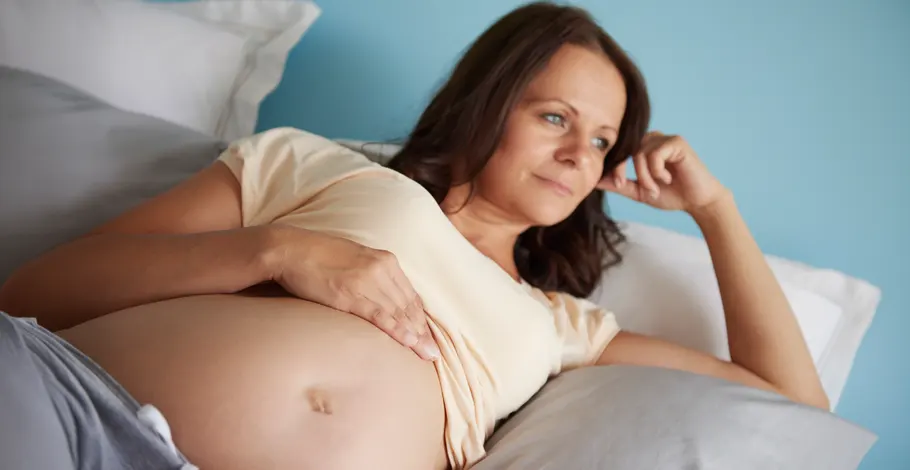
Overview
If you miss a period during your 40s, you may be in doubt whether it’s due to pregnancy or to menopause. Perimenopause is the period of time before menopause, during which hormonal levels change and periods can become irregular. In this period, fertility is reduced, but it does not drop to zero.
After 12 months of not having a period, the absence of periods is usually considered natural menopause, unless pregnancy, medication, or other factors account for the lack of periods. This awareness is important for determining when to test, to keep taking contraception, or for advice on fertility.
Key Takeaways
- While periods may be erratic or become irregular during perimenopause, pregnancy is still possible.
- After the onset of established menopause, pregnancies cannot be brought about naturally, but assisted pregnancies may be possible in some cases.
- Symptoms of pregnancy and perimenopause are similar, leaving it impossible to distinguish between the two by the presence of only one period.
- HRT doesn’t protect against pregnancy during perimenopause; contraception is still necessary.
- If you want to conceive beyond 40 or with irregular cycles, please seek timely help for your fertility.
Can You Get Pregnant During Perimenopause?
Yes. The ovaries can produce eggs, but not as frequently as before, during the perimenopause stage of the cycle, and this can still result in pregnancy. Not ovulating for a few periods is not a sign of permanent amenorrhea.
As the number of eggs decreases and egg quality is influenced by age, fertility decreases. This is not the same as no chance; however, conception is less likely, especially after the age of 40. The irregular cycles also make it difficult to determine the fertile days by calendar calculation.
Can You Get Pregnant After Menopause?
Once menopause is established, it is not possible to have a natural pregnancy. The ovaries are not producing eggs; therefore there is no newly ovulated egg to be fertilized.
But for some women with a uterus, menopause does not mean that they can’t have a baby with assisted reproduction. If you have been assessed by a specialist, you may have the option to have IVF using donor eggs or embryos frozen earlier. Treatment cannot change menopause and is not always indicated or suitable depending on clinic policy, health and age.
If you think you may have become pregnant after you think you are past menopause, get medical advice. A gap of more than a year between periods could be confused with menopause.
Menopause Symptoms vs. Pregnancy Symptoms
Fatigue, mood changes, and changes in bleeding can make the distinction confusing. Some symptoms are more characteristic of one than the other, but symptoms alone cannot confirm pregnancy or menopause.
| Symptom | Perimenopause or menopause | Early pregnancy |
|---|---|---|
| Missed periods | Periods can become irregular during perimenopause and stop after menopause | A missed period is a common early sign |
| Fatigue | May accompany sleep disruption and night sweats | Common, especially early on |
| Mood changes | Can occur during the menopausal transition | Can occur with hormonal changes |
| Hot flashes and night sweats | Characteristic symptoms | Less useful as indicators of pregnancy |
| Nausea or vomiting | Not a reliable sign of menopause | Common, although not everyone experiences it |
| Breast tenderness | Can accompany hormonal fluctuations during perimenopause | Can be an early symptom |
| Vaginal dryness | Common during and after the menopausal transition | Not a typical early pregnancy sign |
Take a pregnancy test from the first day of a missed period. If irregular cycles make that date unclear, test at least 21 days after the most recent unprotected sex.
Risks of Pregnancy After 40
Many people have healthy pregnancies after 40. However, several risks rise with age, making early prenatal care particularly valuable.
- Miscarriage: Pregnancy loss becomes more common, partly because chromosomal problems in eggs increase with age.
- Chromosomal abnormalities: The likelihood of conditions such as Down syndrome increases with the age of the egg.
- High blood pressure: Older pregnant adults have a higher risk of pregnancy-related hypertension and preeclampsia, which can affect organs as well as blood pressure.
- Gestational diabetes: Diabetes that develops during pregnancy becomes more likely and requires monitoring and treatment.
A clinician can discuss your individual risks, prenatal screening and diagnostic testing, and monitoring throughout pregnancy. Age matters, but existing conditions and overall health also influence pregnancy outcomes.
Birth Control During Perimenopause
If you do not want to become pregnant, continue contraception during perimenopause. Infrequent periods and hot flashes do not provide reliable protection.
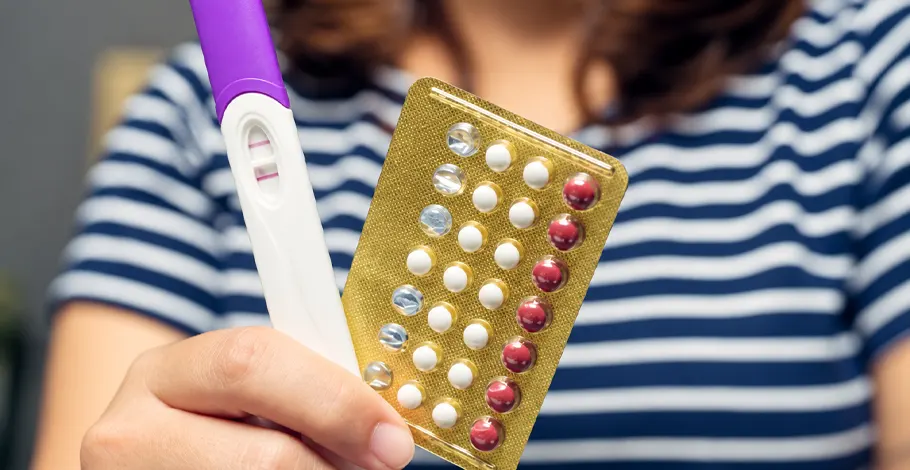
Birth Control During Perimenopause
Common options include condoms, a copper IUD, a hormonal IUD, the contraceptive implant, and a progestin-only pill. Combined hormonal contraception may suit some people, but requires assessment of age, smoking, blood pressure, migraines, and clotting history. The best choice may change as you get older.
Hormone replacement therapy (HRT) is not contraception. Even if HRT improves menopausal symptoms, pregnancy prevention may still be needed. Condoms also help protect against sexually transmitted infections.
When Can You Stop Birth Control?
The answer depends on your age, contraceptive method, and whether your periods reflect your natural cycle.
For people using nonhormonal contraception, UK guidance generally advises continuing contraception for:
- Two years after the last natural period if it occurred before age 50.
- One year after the last natural period if it occurred at age 50 or older.
Contraception can generally stop at age 55 under this guidance. Local recommendations and individual circumstances may differ, so confirm the timing with your clinician.
Hormonal contraception can stop bleeding or create scheduled bleeding, making period patterns unreliable for identifying menopause.
Routine follicle-stimulating hormone (FSH) testing is not necessary for everyone. Otherwise healthy people aged 45 or older with typical symptoms can usually be assessed based on their symptoms and menstrual history. Hormone levels fluctuate, and some contraceptives make FSH results difficult to interpret.
A clinician may use FSH selectively, such as in someone over 50 with no periods who uses certain progestin-only methods and wants to stop before 55. A single elevated result is not a reason to stop contraception independently.
What If You Want to Get Pregnant During Perimenopause?
Schedule a preconception appointment early. Schedule a preconception visit ASAP. Women’s fertility does decrease as they get older, and periods may not occur regularly, making it difficult to know when to have sex.
If someone is more than 40 years old, he or she might not need to wait six or 12 months to undergo a fertility test. Abnormal or irregular periods are another good reason to evaluate earlier. When at age 35-40, unless there are indications to investigate earlier, assessment is recommended every 6 months for 1 year.
Your clinician can check medications, health issues, and preparation for pregnancy, and explain if fertility treatment might be right for you. The tests can help make decisions, but it does not guarantee pregnancy.
When Should You Take a Pregnancy Test or See a Doctor?
If you have missed your period or you have symptoms of pregnancy since you had sex that might lead to pregnancy, use a home pregnancy test. Follow the timing above and the kit instructions.

When Should You Take a Pregnancy Test or See a Doctor
If the result is negative, but you still feel that you are possibly pregnant, retest within a few days. If a second test is negative and your period hasn’t come, then contact a clinician. The positive test result should be followed by immediate pregnancy management or a confidential conversation about options.
Schedule a medical evaluation for bleeding during periods, after sex, or for heavy or long periods of bleeding. After menopause, any bleeding should be investigated, even spotting.
If there is one-sided lower abdominal pain or unusual bleeding, please go to the emergency room for emergency treatment for possible pregnancy. If it causes severe pain, shoulder-tip pain, fainting or severe dizziness, it must be assessed as an emergency, as it may mean the pregnancy is ectopic or the woman is bleeding internally. Don’t wait for confirmation of the test.
FAQs
Can you get pregnant during perimenopause without regular periods?
Yes. Ovulation may still occur unpredictably, even after skipped periods. Continue contraception if pregnancy is not wanted.
Can you get pregnant naturally after menopause?
No. Established menopause means ovulation has ended. Pregnancy may sometimes be possible through assisted reproduction.
Can pregnancy feel like perimenopause?
Yes. Fatigue, mood changes, and missed periods can overlap. A correctly timed pregnancy test is more useful than symptoms alone.
Does HRT prevent pregnancy?
No. HRT treats menopausal symptoms but does not provide contraception.
Do you need an FSH test before stopping birth control?
Not routinely. Your clinician considers your age, method, and bleeding history; FSH testing is useful only in selected situations.
When should you test if your periods are irregular?
Test at least 21 days after your most recent unprotected sex. Repeat after a few days if negative and pregnancy still seems possible.
Conclusion
Pregnancy remains possible during perimenopause because ovulation can continue despite irregular periods. Once menopause is established, natural pregnancy is no longer possible, although assisted reproduction may offer options for some people. Symptoms alone cannot reliably tell you whether a missed period reflects pregnancy or the menopausal transition. Use a pregnancy test at the appropriate time, continue contraception until it is safe to stop, and seek advice for unusual bleeding. If you want to conceive during perimenopause, arrange an early fertility discussion so you can understand your options without unnecessary delay.
Was this article helpful?
1 Sources
We review published medical research in respected scientific journals to arrive at our conclusions about a product or health topic. This ensures the highest standard of scientific accuracy.




 This article changed my life!
 This article was informative.
 I have a medical question.
 This article contains incorrect information.
 This article doesn’t have the information I’m looking for.