Medically Cited
Make small changes to get started: Add protein to every meal; Add vegetables and fiber; Pay attention to portion sizes. Drink water instead of sugary drinks, and incorporate strength training into your regular walks.
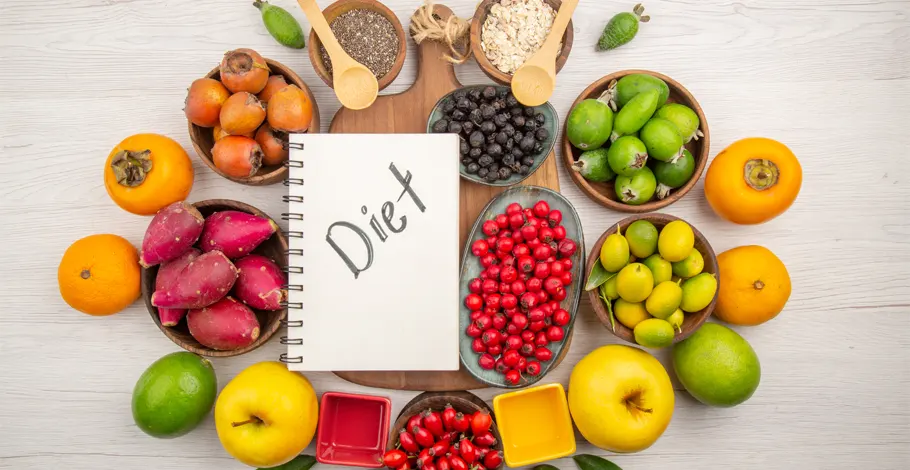
A healthy diet during menopause for weight loss should be appropriate for your lifestyle and should allow you to get all the nutrition your body needs without feeling like you are constantly eating.
Introduction
You might be feeling frustrated because your normal diet doesn’t seem to be working as well to maintain your weight. With hormonal, muscle, sleep, and activity changes during menopause, it can be more difficult to manage weight. However, there is no rule that people have to gain weight.
It’s not a quick fix; you don’t need to make all the changes at once. This guide will give you ideas for creating satisfying meals, foods to stock up on, and how exercise can fit into a realistic weight loss plan during menopause.
Key Takeaways
- Build balanced meals with vegetables, protein, whole grains, and healthy fats.
- Include protein throughout the day to help maintain muscle.
- Choose fiber-rich foods such as beans, oats, fruit, and vegetables.
- Watch portions and overall calories without skipping meals or cutting out entire food groups.
- Combine walking or other aerobic activity with regular strength training.
Why Is Weight Loss Harder During Menopause?
Falling estrogen levels can shift where your body stores fat, making it more likely to collect around your abdomen. However, hormones are only part of the picture.
Muscle mass also tends to decrease with age. With less muscle, your body uses fewer calories, so eating the same amounts as before may gradually lead to weight gain.
Daily routines matter, too. You might spend more time sitting, have less energy for exercise, or sleep poorly because of night sweats. These changes can make it harder to stay active and manage hunger. Understanding them can help you adjust your habits without blaming yourself.
Can You Lose Weight During Menopause?
Definitely yes! Weight loss is possible during menopause, although your approach may need to change.
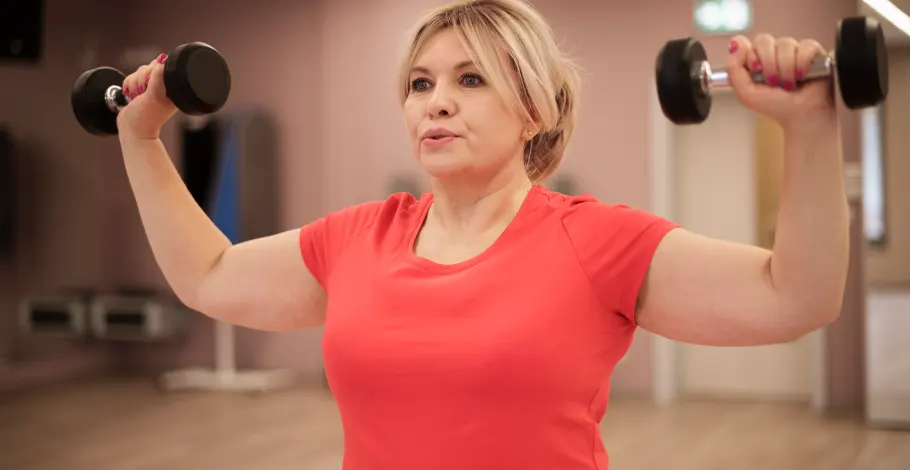
Can You Lose Weight During Menopause
The goal is to develop eating and activity habits you can maintain. A strict diet that leaves you hungry or exhausted is difficult to follow for long. Start with manageable changes, such as replacing a daily sugary drink or preparing a balanced lunch.
However, diet results may differ from person to person. Your health, activity level, and starting weight all affect what progress looks like.
How to Start a Menopause Weight-Loss Diet
Prioritize Protein
Regularly incorporate protein into your food. Eggs, fish, chicken, tofu, beans, and plain yogurt are all good options. As a woman ages, muscle maintenance is important and protein should be part of the equation.
Eggs on whole grain bread or plain Greek yogurt with fruit are good breakfast options. To get protein at lunch and dinner, pair it with more veggies and other foods that you like.
Eat More Fiber-Rich Foods
Fiber provides bulk in the diet and promotes regular bowel movements. Select beans, lentils, berries, apples and vegetables.
Begin by adding one to the meal, like lentils to a soup or a piece of fruit to breakfast. Add fiber slowly and gradually and drink plenty of liquids to prevent gas or bloating.
Choose Whole Grains
Bread, rice and pasta are not forbidden. Use whole grains more frequently such as brown rice, whole-wheat bread, oats and barley.
They are foods that can contain lower levels of refined grains, but higher levels of fiber and nutrients. Start with one item that you like, instead of swapping out all of your favorite food items.
Include Healthy Fats
Olive oil, avocado, nuts and seeds are a part of a healthy diet. Replace some of the butter or saturated fat in the recipe with them.
Portions still count. Use oil for cooking, add seeds to yogurt, or use a small bowl for eating nuts.
View Portions and Overall Calories
Typically, weight loss comes from consuming less energy (calories) than you burn. Not that eating as little as possible.
Pay attention to your portion sizes, such as dressings, snacks, beverages. Follow package directions; a package may have more than one serving. Another great tip for identifying when you’ve had enough is to take your time to eat slowly and stop taking seconds.
Best Foods to Eat During Menopause
Fruits and vegetables remain a useful starting point, but variety matters. Include protein foods, whole grains, and sources of calcium, too.
| Food group | Simple choices | Easy ways to include them |
|---|---|---|
| Vegetables | Spinach, broccoli, carrots, peppers | Add to soups, salads, or roasted vegetable trays |
| Fruits | Berries, apples, oranges, pears | Enjoy with breakfast or as a snack |
| Lean and plant proteins | Chicken breasts, fish, eggs, tofu, beans | Include a source at each main meal |
| Whole grains | Oats, brown rice, barley, whole-wheat bread | Use for breakfast, sandwiches, or side dishes |
| Nuts and seeds | Walnuts, almonds, chia seeds | Add a small portion to yogurt or oatmeal |
| Calcium-rich foods | Milk, plain yogurt, fortified soy milk, calcium-set tofu | Include regularly and check labels |
These choices provide a mix of nutrients rather than relying on a single “menopause food.” Calcium and vitamin D also deserve attention because bone health becomes especially important during and after menopause.
Foods and Drinks to Limit
There is room for foods you enjoy. Focus first on choices you have often.
- Added sugars: Cut back on soda, sweetened coffee, and frequent sweets. Replacing sugary drinks with water is a simple place to begin.
- Highly processed foods: Have chips, pastries, and similar snacks less often when they crowd out more nourishing meals. Processing alone does not make a food unsuitable; canned beans and frozen vegetables are useful staples.
- Excess alcohol: Alcohol adds calories and may worsen sleep or hot flashes.
- Caffeine: Consider reducing it if it affects your sleep or triggers symptoms. You do not automatically need to stop drinking coffee. Green tea contains caffeine, too.
Do You Need a Specific Menopause Diet?
You do not need a diet labeled “for menopause.” Several approaches can help you organize balanced meals:
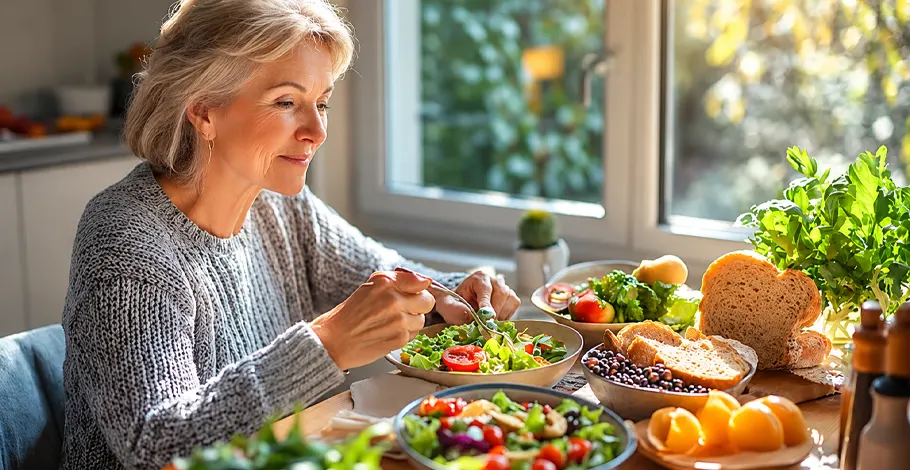
Do You Need a Specific Menopause Diet
- Mediterranean-style eating emphasizes vegetables, fruit, beans, whole grains, olive oil, and fish.
- A Vegetarian Diet leaves out meat and fish but may include eggs and dairy. Beans, lentils, tofu, and other protein foods help make meals more complete.
- A Low Carb Diet reduces carbohydrate intake. It does not have to remove all fruit, beans, or whole grains.
No approach is automatically best for everyone. Choose one that meets your nutritional needs, suits your preferences, and allows portions you can maintain.
Exercise and Menopause Weight Loss
Walking is a practical place to start. Swimming, cycling, and dancing count, too. Work toward at least 150 minutes of moderate aerobic activity each week, building up gradually.
Make time for strength training at least twice a week. Resistance bands, weights, or body-weight exercises help maintain muscle and support bone health. If you are new to exercise, start with short sessions and get help learning comfortable, controlled movements. You do not need exhausting workouts to begin.
Simple One-Day Menopause Meal Plan
Use this example as a starting point, adjusting portions to your needs and appetite.
- Breakfast: Plain Greek yogurt with oats, berries, and a few walnuts.
- Lunch: A whole-grain wrap with chicken or tofu, mixed vegetables, and hummus.
- Snack: An apple with a small portion of peanut butter.
- Dinner: Baked salmon or beans, brown rice, and steamed broccoli.
Drink water throughout the day. Repeat meals you enjoy, and swap ingredients based on your budget and what you have available.
When to Talk to a Healthcare Professional
Speak with a healthcare professional if you have sudden or unexplained weight gain, or other new symptoms. Avoid assuming every change is caused by menopause.
Ask for advice before major dietary changes if you have diabetes, kidney disease, or another condition that affects your food needs. Some medications can also affect weight; discuss concerns without stopping them yourself.
If you are considering a very restrictive diet, a registered dietitian can help you find an approach that provides enough nutrition.
FAQs
Can you lose belly fat during menopause?
You can reduce overall body fat, which may include abdominal fat. However, you cannot choose where your body loses fat, and abdominal exercises alone will not remove belly fat.
Do you need to stop eating carbohydrates?
No. Whole grains, beans, fruit, and vegetables can all fit into a weight-loss diet. Consider their portions and the overall balance of your meals.
Can you keep eating your favorite foods?
Yes. Smaller portions and less frequent treats can help you enjoy favorite foods while keeping your overall eating pattern balanced. A plan that feels manageable is easier to continue.
Conclusion
Start with changes you can repeat: include protein at meals, eat more fiber-rich foods, and watch portions without leaving yourself underfed. Add regular walking and strength training as your routine allows. You do not need a perfect diet. You need an approach that supports your health and fits your everyday life.
Was this article helpful?
3 Sources
We review published medical research in respected scientific journals to arrive at our conclusions about a product or health topic. This ensures the highest standard of scientific accuracy.
[2]Effect of diet and exercise, alone or combined, on weight and body composition in overweight-to-obese post-menopausal women - PMC : https://pmc.ncbi.nlm.nih.gov/articles/PMC3406229/
[3]High-Intensity Resistance and Impact Training Improves Bone Mineral Density and Physical Function in Postmenopausal Women With Osteopenia and Osteoporosis: The LIFTMOR Randomized Controlled Trial - PubMed: https://pubmed.ncbi.nlm.nih.gov/28975661/







 This article changed my life!
 This article was informative.
 I have a medical question.
 This article contains incorrect information.
 This article doesn’t have the information I’m looking for.