Medically Cited
Testosterone is a natural hormone that helps support many important functions in the body. It plays a key role in sex drive, muscle strength, bone health, mood, energy, and fertility. Although it is often called a “male hormone,” women also produce it in smaller amounts.

Low testosterone happens when the body does not make enough of this hormone. Testosterone levels may naturally decline with age, but they can also fall because of certain health conditions, medications, excess weight, poor sleep, or problems with the glands that control hormone production.
Low Testosterone can impact more than just sexual health. Can cause fatigue, depression, weaker muscles, lower bone mass, loss of libido, and fertility issues. These symptoms may also occur in other illnesses, so complete context is important.
In this article, we will explore the typical symptoms and causes of low testosterone, the diagnosis and treatment options, and simple, natural remedies to support normal testosterone levels.
What Is Low Testosterone?
Low Testosterone is a condition characterized by low levels of testosterone and associated symptoms or signs. Male hypogonadism may also be termed by doctors.
Testosterone levels are primarily generated in the testicles. It is regulated by the signals sent by the brain, such as the hypothalamus and the pituitary gland. If any of these components of this system is malfunctioning, then the amount of testosterone in the body can drop.
The hormone is used for several important functions, such as helping to produce sperm, helping with sexual drive, muscle growth, bone strength, production of red blood cells, mood, and energy. Testosterone levels tend to drop slowly over time, although age doesn’t necessarily signal a clinical testosterone deficiency. Low Testosterone can also be caused by health issues, injuries, medicines, and hormone disorders.
Symptoms and Causes of Low Testosterone
Low testosterone can affect the body, sexual health, and mental well-being in different ways. Symptoms often develop gradually and may include a mix of physical, sexual, and emotional changes.
Physical symptoms may include low energy or ongoing tiredness, reduced muscle mass or strength, increased body fat, lower bone density, less facial or body hair, enlarged breast tissue, and hot flashes in some cases.
Sexual symptoms may include reduced interest in sex, fewer spontaneous or morning erections, difficulty maintaining an erection, reduced sperm production, and fertility problems.
Emotional and mental symptoms may include low mood, irritability, reduced motivation, difficulty concentrating, changes in memory, and less interest in usual activities.
Low testosterone can develop for several reasons. Age-related decline is one possible factor, but it is not the only cause. Obesity, type 2 diabetes, kidney or liver disease, testicular injury, pituitary disorders, and some medications may also affect testosterone production.
How Is Low Testosterone Diagnosed?
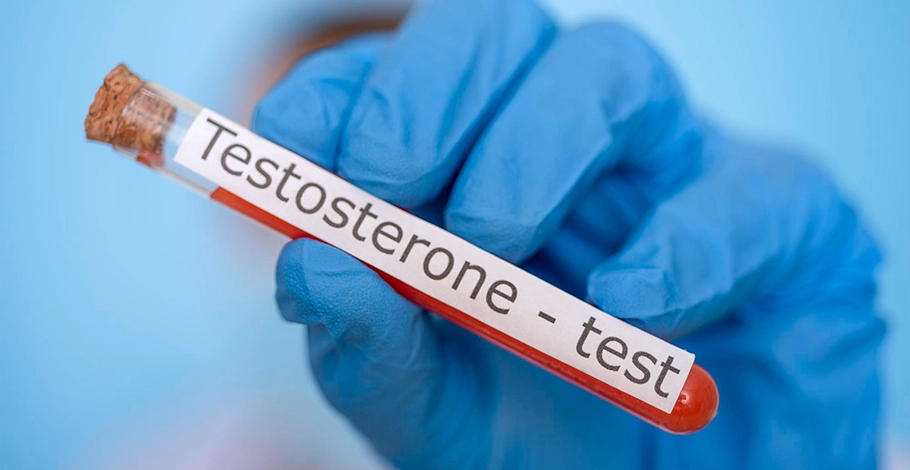
Low Testosterone Diagnosed
Low levels of testosterone aren’t diagnosed based on symptoms alone or through a single blood test. Doctors consider all factors, including a person’s symptoms and laboratory findings.
A blood test is usually the initial test that is done to help figure out total testosterone. The test is conducted early in the morning, between 7 am and10 am, when there are peak levels of testosterone in the blood. Sometimes, if the result is low, the doctor will retest the next morning to make sure that the results are not a transient error.
In addition to a blood test, the doctor will perform a physical exam, inquire about symptoms, medical history, and any medications or supplements the person is taking. Further testing of the hormones may be required in some instances, including free testosterone, LH, FSH, or prolactin. These are useful to the doctor in determining if the problem is in the testicles or in the parts of the brain which make hormones.
But there are plenty of other factors that can lead to similar symptoms, and it’s important not to self-diagnose, including tiredness, low mood and loss of sex drive. The only way to confirm low testosterone is through the proper medical evaluation. When not tested, treatment can cover up signs of other health conditions and may have potential risks.
Treatment Options for Low Testosterone
Treatment of low testosterone depends on the cause, symptom severity, overall health, fertility goals, and confirmed blood test results.
Lifestyle changes:
- Lose excess weight
- Exercise regularly (especially strength training)
- Improve sleep quality
- Treat sleep apnea if present
- Manage diabetes or other chronic illnesses
- Review medications with a doctor
- Reduce alcohol intake
- Stop smoking
- These changes may not fully correct Low T but can improve overall hormone balance and health
Testosterone Replacement Therapy (TRT):
- Used when symptoms are present with consistently low testosterone levels
- Available as gels, injections, patches, pellets, nasal gels, or oral forms
- Choice depends on convenience, cost, health status, and preference
- May improve libido, energy, muscle mass, bone density, and mood in some men
Possible risks & monitoring:
- Higher red blood cell count, acne, fluid retention, and blood pressure changes
- May worsen sleep apnea
- Can reduce sperm production and cause testicular shrinkage
- Possible prostate-related changes and skin irritation
- Not suitable for men trying to conceive or with certain cancers or health conditions
- TRT should only be used after proper diagnosis and medical supervision
Natural Ways to Support Healthy Testosterone Levels
Healthy daily habits can support normal hormone production and overall well-being. These habits are particularly important when low testosterone symptoms are linked to excess weight, inactivity, poor sleep, or ongoing stress.
Perform Regular Strength Training
Engaging in resistance training, such as weight lifting, squats, push-ups, and using resistance bands, helps maintain muscle mass and boost metabolism. Aim for several sessions each week, complemented by moderate cardio. However, be cautious of overtraining, as it can be counterproductive. Prioritize recovery, ensure adequate sleep, and maintain proper nutrition for the best overall results.
Maintain a Healthy Weight
Excess abdominal fat can lower testosterone levels through hormonal changes. Gradual weight loss achieved through regular exercise and a balanced diet can help restore healthier testosterone levels. Avoid extreme calorie restriction, as it may further disrupt hormone production and negatively impact metabolic health.
Get Enough Sleep
Most adults require around seven to nine hours of sleep each night. Poor sleep can impact hormone release, energy levels, mood, appetite, and sexual health. Individuals who snore heavily, wake up gasping, or feel excessively tired during the day should consult a healthcare provider about potential sleep apnea.
Manage Stress
Chronic stress can disrupt sleep, eating habits, physical activity, and normal hormone regulation. Incorporating relaxation exercises, taking regular breaks, seeking social support, engaging in outdoor activities, and pursuing professional counseling can help reduce stress.
Eat a Balanced Diet
A balanced diet should include adequate protein, healthy fats, carbohydrates, vitamins, and minerals. Highly restrictive diets can make it challenging to meet nutritional needs.
Limit Alcohol and Avoid Smoking
Heavy alcohol consumption can negatively impact the testicles, liver, sleep, and hormonal balance. Smoking harms blood vessels and overall health. Reducing alcohol intake and quitting tobacco use can support both sexual and general wellness.
These habits can promote hormonal health but should not replace medical treatment if a true testosterone deficiency has been diagnosed.
Testosterone Supplement
Foods and Supplements That May Support Testosterone
There isn’t a single food that can cure low testosterone; however, diet is a major factor in daily living. A well-balanced diet supplies the nutrients required for producing hormones, maintaining muscle strength, ensuring bone health, and sustaining good energy levels.
Zinc-rich foods: Oysters, beef, chicken, beans, nuts, and dairy provide zinc, which supports normal reproductive health.
Vitamin D sources: Fatty fish, egg yolks, and fortified foods provide vitamin D, which supports bone and muscle health.
Healthy fats: Olive oil, avocados, nuts, seeds, and fatty fish provide fats needed for normal cell and hormone function.
Protein-rich foods: Eggs, fish, poultry, lean meats, beans, and lentils help maintain muscle mass and support recovery.
Magnesium-rich foods: Leafy greens, whole grains, nuts, and seeds provide magnesium, which supports energy production and normal body functions.
Zinc and vitamin D supplements: These may help people with a confirmed deficiency, but they do not reliably increase testosterone in everyone.
Magnesium supplements: Magnesium is important for overall health, but its direct effect on testosterone is still unclear.
Ashwagandha and fenugreek: These herbs have shown mixed early results and are not proven treatments for low testosterone.
Correcting a true nutrient deficiency under medical guidance may help. However, taking high doses when they are not needed can cause side effects.
Supplements should not replace medical care. Product quality varies, and some “testosterone boosters” may contain hidden or unsafe ingredients. Speak with a healthcare professional before using any supplement.
Myths and Facts About Low Testosterone
| Myth | Fact |
|---|---|
| Only older men develop Low T. | Low testosterone is more common with age, but younger men may also develop it because of illness, injury, obesity, medication use, or hormonal disorders. |
| Every tired man has low testosterone. | Fatigue can result from poor sleep, stress, anemia, depression, thyroid problems, medication effects, and many other causes. |
| One low blood test confirms Low T. | Diagnosis normally requires symptoms and at least two properly timed low testosterone test results. |
| TRT is safe for everyone. | TRT is not appropriate for every patient. Health history, fertility plans, prostate health, sleep apnea, blood count, and other factors must be reviewed. |
| TRT always improves erectile dysfunction. | Erectile problems can have several causes. Testosterone treatment may help some men with confirmed deficiency, but it is not a universal solution. |
| Supplements work the same as prescription testosterone. | Supplements do not provide the same treatment as prescription testosterone, and evidence for most “testosterone boosters” remains limited. |
| More testosterone is always better. | Excess testosterone can cause health problems. The goal of treatment is to restore an appropriate level, not to create unusually high levels. |
| Low testosterone should be treated without delay. | Proper testing is important because symptoms may come from another medical condition that requires different treatment. |
Conclusion
Low testosterone levels impact sexual function, muscle strength, bone density, fertility, mood, energy, and quality of life. Low testosterone can affect sexual health, muscle strength, bone density, fertility, mood, energy, and quality of life. However, tiredness, low sex drive, weight gain, and trouble focusing can also have many other causes.
Doctors diagnose Low Testosterone by reviewing symptoms, performing a physical examination, and repeating morning blood tests. Other hormone tests may also be needed.
Healthy habits can support hormone health, but they may not be enough for a diagnosed deficiency. TRT may help some patients, but it has risks and requires medical monitoring. Anyone with ongoing symptoms should speak with a healthcare professional instead of self-diagnosing or using unverified testosterone boosters.
Was this article helpful?
5 Sources
We review published medical research in respected scientific journals to arrive at our conclusions about a product or health topic. This ensures the highest standard of scientific accuracy.
[2] Testosterone Therapy in Men With Hypogonadism: An Endocrine Society Clinical Practice Guideline : https://pubmed.ncbi.nlm.nih.gov/29562364/
[3] Recommendations on the diagnosis, treatment and monitoring of hypogonadism in men : https://pmc.ncbi.nlm.nih.gov/articles/PMC4648196/
[4] Body weight loss reverts obesity-associated hypogonadotropic hypogonadism: a systematic review and meta-analysis: https://pubmed.ncbi.nlm.nih.gov/23482592/
[5] Body weight loss reverts obesity-associated hypogonadotropic hypogonadism: a systematic review and meta-analysis : https://pubmed.ncbi.nlm.nih.gov/23482592/






 This article changed my life!
 This article was informative.
 I have a medical question.

 This article contains incorrect information.
 This article doesn’t have the information I’m looking for.