Medically Cited
Low sexual stamina is basically a reduced ability to stay physically and emotionally engaged during sex. It can stem from a mix of medical conditions — hormonal imbalances or cardiovascular problems, for instance — and psychological factors like anxiety or depression. Poor lifestyle habits, including lack of exercise, smoking, and not enough sleep, are also among the most common culprits.

Key Takeaways
- Low sexual stamina can stem from medical conditions including low testosterone, diabetes, and cardiovascular disease
- Poor lifestyle habits, such as smoking, heavy alcohol use, and physical inactivity, are among the most common and correctable causes
- Psychological factors, including performance anxiety, chronic stress, and depression, can reduce stamina even without any physical problem present
- Certain medications and recreational drugs may interfere with hormones, blood flow, and energy levels
- Aging can influence sexual stamina, but overall health and lifestyle choices play an equally significant role
- Regular exercise, balanced nutrition, quality sleep, and stress management are among the most effective natural approaches to improvement
Introduction
Sexual stamina, or the ability to sustain physical and emotional engagement during sex, is something many men think about but rarely discuss. It is not simply a reflection of age or fitness. Medical history, mental health, and daily habits all shape how the body and mind perform during sexual activity, and reduced stamina is far more common than most people realize.
This article covers the most common causes of low sexual stamina, its symptoms, and practical strategies to address it. Whether the cause is physical, psychological, or lifestyle-driven, identifying it is the most effective first step toward improvement.
What Is Sexual Stamina?
Sexual stamina refers to the physical and emotional capacity to remain active and engaged throughout a sexual encounter without early fatigue or loss of function. It relies on cardiovascular fitness, hormonal balance, muscular endurance, and psychological readiness working together.
It is distinct from two related concepts. Libido refers to sexual desire or interest, while erectile function refers to the ability to achieve and maintain an erection. A man can have a healthy libido and normal erections and still struggle with endurance, which makes understanding the difference important when identifying the problem.
What Causes Low Sexual Stamina?
Low sexual stamina rarely has a single cause. Most cases reflect a combination of physical, psychological, and lifestyle-related factors operating together. Medical conditions can reduce energy or disrupt hormonal balance. Mental health challenges interfere with focus and engagement. Daily habits, from diet to sleep, shape the body’s overall capacity for physical activity, and sex is no exception. The sections below examine each category in detail.
Medical Conditions That Affect Sexual Stamina
Several health conditions can directly reduce sexual stamina:
- Low testosterone reduces energy, libido, and physical endurance in men of any age
- Cardiovascular disease impairs blood flow to the genitals, making sustained physical activity harder to maintain
- Diabetes damages nerves and blood vessels that are critical for healthy sexual response
- Thyroid disorders, especially hypothyroidism, cause chronic fatigue and hormonal disruption that affect physical endurance
- Obesity is associated with lower testosterone, poor cardiovascular fitness, and increased inflammation, all of which reduce sexual endurance
Treating an underlying condition often improves sexual stamina directly. Men who suspect a medical cause should speak with a physician before pursuing other interventions.
Poor Lifestyle Habits
Daily habits are among the most common and most correctable contributors to low sexual stamina:
- Physical inactivity weakens cardiovascular fitness and muscular endurance, both required for sustained sexual activity
- Poor diet, particularly one high in processed foods and refined sugars, impairs circulation and may cause deficiencies in zinc and magnesium, both linked to testosterone production
- Smoking restricts blood flow throughout the body, including to the genitals
- Excessive alcohol suppresses testosterone and diminishes physical performance
- Poor sleep lowers testosterone levels, depletes energy, and impairs concentration
Addressing even one or two of these habits can produce noticeable improvements in sexual endurance relatively quickly.
Stress, Anxiety, and Mental Health
Psychological factors are among the most frequently overlooked causes of low sexual stamina. Chronic stress raises cortisol, which suppresses testosterone and reduces physical capacity over time. Performance anxiety creates a self-reinforcing cycle where concern about performance leads to poor performance, which increases anxiety further.
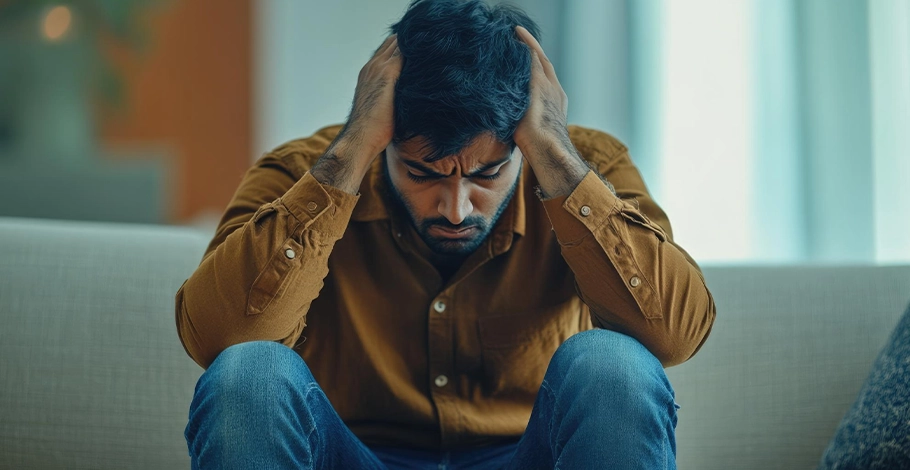
Stress
Depression is associated with decreased testosterone and a broad loss of motivation and pleasure, including in sexual contexts. Cognitive behavioral therapy and, where clinically appropriate, medication can address the psychological roots of low sexual stamina more effectively than lifestyle changes alone in these cases.
Medications and Substance Use
Certain prescription medications can reduce sexual stamina as a side effect. These include antidepressants, particularly SSRIs, beta-blockers, antihistamines, and long-term opioid use, all of which may affect hormones, blood flow, or arousal. Recreational drugs, including cocaine, methamphetamine, and heavy cannabis use, can cause vascular damage and hormonal disruption over time. Men who notice reduced stamina after starting a new medication should consult their physician before making any changes to their treatment.
Symptoms of Low Sexual Stamina
Common signs of reduced sexual stamina include:
- Early physical fatigue during sex, such as shortness of breath or muscle exhaustion
- Difficulty maintaining arousal or an erection throughout a sexual encounter
- Premature ejaculation or difficulty controlling the timing of ejaculation
- Reduced motivation to initiate sex due to anticipation of poor performance
- Difficulty staying mentally focused or present during sex
- A consistent sense that sexual encounters are shorter or less satisfying than before
If these symptoms persist or affect relationship quality, medical evaluation is advisable.
Can Age Affect Sexual Stamina?
Testosterone levels tend to decline gradually after age 30, cardiovascular fitness naturally decreases without regular exercise, and recovery time after orgasm typically lengthens with age. These changes are real and worth acknowledging.
However, many men maintain healthy sexual stamina well into their 50s, 60s, and beyond. Overall health, lifestyle habits, and mental well-being are consistently stronger predictors of sexual endurance than age alone. Age is a contributing factor, not a fixed ceiling.
How to Improve Sexual Stamina Naturally
Evidence-based lifestyle changes that can improve sexual stamina include:
- Regular cardiovascular exercise improves heart health, blood flow, and testosterone levels. Even 30 minutes of moderate activity most days produces measurable benefits
- Strength training supports testosterone production and builds the endurance sex requires
- A balanced diet rich in zinc, magnesium, and antioxidants supports both hormonal and cardiovascular function
- Quality sleep of seven to nine hours nightly maintains testosterone levels and physical energy
- Stress management through mindfulness or structured relaxation reduces cortisol and improves mental readiness
- Quitting smoking and limiting alcohol improve circulation, hormonal balance, and overall energy
- Pelvic floor exercises strengthen the muscles involved in ejaculatory control and physical endurance during sex
When Should You See a Doctor?
Occasional dips in sexual stamina are normal. Medical evaluation is warranted when:
- Symptoms are persistent and affecting relationship quality or mental health
- Stamina declined sharply without an obvious lifestyle explanation
- Reduced stamina accompanies other signs such as erectile difficulty, unexplained fatigue, weight gain, or mood changes
- A chronic condition such as diabetes, heart disease, or a thyroid disorder is already present or suspected
- A current medication may be contributing and a clinical review or adjustment is needed
A physician can identify treatable causes that lifestyle changes alone may not address, and early evaluation often leads to faster, more effective outcomes.
Frequently Asked Questions
Can low sexual stamina be permanent?
Not usually. Most underlying causes are treatable or manageable. Identifying the root cause, whether medical, lifestyle-related, or psychological, is the first and most important step toward improvement.
Do supplements help with sexual stamina?
Some supplements, including zinc and magnesium, may support testosterone levels when deficiencies exist. Men considering supplements should consult a physician first and choose products with clearly disclosed, evidence-supported ingredients.
How quickly can stamina improve with lifestyle changes?
Most men notice meaningful improvement within four to eight weeks of regular exercise, better sleep, and dietary adjustments, particularly when poor habits were the primary cause.
Does age make low sexual stamina inevitable?
No. While age-related hormonal and cardiovascular changes are real, lifestyle choices and overall health remain stronger predictors of sexual endurance. Active, healthy men commonly maintain satisfying sexual lives well into older age.
Conclusion
Low sexual stamina is common, and in most cases, it is addressable. Medical conditions, lifestyle habits, and psychological factors all contribute, and for many men, more than one factor is involved at the same time. Small, consistent changes to daily habits often produce meaningful results. If symptoms persist or worsen despite lifestyle adjustments, speaking with a healthcare professional is the most practical next step toward lasting improvement.
Was this article helpful?
2 Sources
We review published medical research in respected scientific journals to arrive at our conclusions about a product or health topic. This ensures the highest standard of scientific accuracy.
[2] Sleep apnea, heart health and testosterone: unravelling the triad of well-being - PMC: https://pmc.ncbi.nlm.nih.gov/articles/PMC12988546/



 This article changed my life!
 This article was informative.
 I have a medical question.
 This article contains incorrect information.
 This article doesn’t have the information I’m looking for.