


 Medically Cited
 11 Reviews
  Specs
Specs Ask a Question
 Write a Review
Overview
Most calcium supplements are made from rock. Limestone, mostly — ground down and pressed into a tablet. Your body has to break that apart before it can use any of it. Plant-based calcium supplements skip the rock. This is one of those.
Icelandic Red Algae Calcium is a plant-based calcium supplement. The calcium comes from a red seaweed called Lithothamnion calcareum, harvested off the coast of Iceland, and one daily serving gives you 1000 mg of it.
For this Icelandic Red Algae Calcium review, our expert Robert G. Silverman read the supplement facts panel and checked what the human research on this algae actually found. He also went through the return terms to help you decide if it’s right for you.
Quick Verdict
Icelandic Red Algae Calcium is a bone and joint formula built on seaweed rather than limestone, and you take three tablets a day. The brand promises stronger bones and easier movement. Each serving carries 1000 mg of calcium. Magnesium, vitamin D3, and K2 come along with it. Those last two help your body use the calcium instead of losing it. One bottle is $59.95, three are $159.95, and there’s a 67-day money-back guarantee.
What is Red Algae Calcium?
Icelandic Red Algae Calcium is made by Leading Edge Health. The company has been selling supplements since 2001, works out of Victoria, British Columbia, and holds BBB accreditation.
The calcium comes from Aquamin. That’s a branded marine mineral, supplied by an Irish company called Marigot and harvested in Icelandic waters. Ingredients like this come with published research behind them.
Leading Edge Health adds the vitamins and the whole-food blend. Orders ship from the US, and the company lists a board of advisors on its site.
How Does Red Algae Calcium Rate?
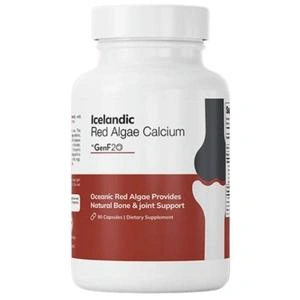


Brand Highlights
- 1000 mg of calcium per serving, 77% of the daily value
- Calcium sourced from Aquamin Icelandic red algae
- Vitamin D3 and K2 included, so calcium goes where it should
- Plant-sourced and suitable for vegans
- 67-day money-back guarantee, opened bottles accepted
Key Ingredients
- Aquamin red algae (Calcium – 1000 mg and Magnesium- 96 mg)
- Vitamin D3 (cholecalciferol) — 800 IU
- Vitamin K2 (MK7 from natto)
- Citrus bioflavonoids — 500 mg
- Organic vegan & red algae blend — 3535 mg
- 1000 mg of calcium per serving, 77% of the daily value
- Plant-sourced, so it suits vegans
- Vitamin D3 and K2 are included, so no need to buy them separately.
- 67 days to return it, opened bottles included
- The algae has human trials behind it
- 3535 mg of organic fruit and veg in every serving
- Three tablets a day, not one
- Sold direct, not in shops or Amazon
- Bone changes show up over months
How Do We Calculate Our Rating
Four things set the score here — ingredients, value for cost, return policy, and safety. Each is marked out of 5. The overall figure is those four averaged, nothing else. Robert G. Silverman started with the supplement facts panel, then checked the algae research and the return terms before any number was set.
- Ingredients: Five actives, every dose printed on the panel
- Value for cost: $2.00 a day on one bottle, $1.67 on six
- Return policy: 67 days from delivery, opened containers accepted
- Safety: Plant-sourced, vegan, no shellfish
- Overall: Average of the four
Who Should Buy / Skip
Best for
- Adults over 50 watching bone density
- People who eat little or no dairy
- Anyone whose stomach reacts badly to regular calcium tablets
- Vegans looking for a plant-sourced calcium
- Buyers who want D3, K2 and magnesium in the same tablet
Not best for
- Anyone already taking a separate calcium supplement
- People on thyroid medication or antibiotics, unless advised by a doctor
- Pregnant or nursing women, and anyone under 18
- Shoppers who want it on Amazon
Who Is The Manufacturer of Icelandic Red Algae Calcium?
Icelandic Red Algae Calcium is made by Leading Edge Health. The company has been selling supplements since 2001, works out of Victoria, British Columbia, and holds BBB accreditation.
The calcium comes from Aquamin. That’s a branded marine mineral, supplied by an Irish company called Marigot and harvested in Icelandic waters. Ingredients like this come with published research behind them.
Leading Edge Health adds the vitamins and the whole-food blend. Orders ship from the US, and the company lists a board of advisors on its site.

Product Specifications
| Specification | Details |
|---|---|
| Product name | Icelandic Red Algae Calcium |
| Made by | Leading Edge Health |
| Form | Tablet |
| Serving size | 3 tablets |
| Servings per container | 30 |
| Tablets per bottle | 90 |
| Suitable for | Vegans |
| Price | $59.95 · $159.95 · $299.95 |
| Guarantee | 67 days from delivery |
| Where to buy | Official site only |
How Does Red Algae Calcium Work?
Icelandic Red Algae Calcium works by supplying calcium in a form the body can take up more easily. The algae skeleton is porous, so the mineral sits in a honeycomb structure rather than a solid block. The brand says that’s the difference.
Calcium alone isn’t enough, though. Vitamin D3 handles absorption. Vitamin K2 comes in after and directs the calcium into bone.
Magnesium keeps the balance, and the citrus bioflavonoids are there for their antioxidant content.
How We Evaluated This Product
Robert G. Silverman started with the label photo and worked through it line by line against the company’s published information.
Doses came first. Every figure here is read off the Supplement Facts panel rather than taken from a product description.
Then the paperwork. All three package prices were checked against the order page, and the guarantee was read in full, including what happens to opened bottles.
The research came last. Aquamin has its own published human trials, so those are what the review draws on. Only trials on this ingredient made it in.
Red Algae Calcium Ingredients- Are They Safe and Effective?
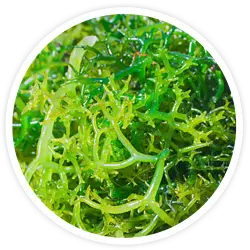
Red Algae (Calcium & Magnesium)
Red Algae is a seaweed that possesses numerous vitamins and minerals. Some nutritionists even consider it a superfood due to its excellent nutritional content. Key among these are calcium and magnesium, two valuable nutrients for bone-building.
A publication by Harvard University reported that high calcium intake is a common dietary recommendation for improving bone density and reducing hip fracture risk[1]. What’s better?
The calcium from algae, Lithothamnion calcareum, is even more valuable than other calcium types. This bioactive variant contains magnesium alongside other healthy trace minerals. In other words, it tends to work faster for the bone and encourage blood clotting when necessary.
Red Algae magnesium also contributes to bone density. Various studies suggest that low magnesium levels are common in people with poor bone health. Luckily, Icelandic Red Algae Calcium can help resolve this problem. Magnesium can solidify bone density, significantly lowering bone fracture risk. Not to forget that 60% of your body’s magnesium is stored in the bone[2].

Vitamin D3 (Cholecalciferol)
Vitamin D is paramount to the effectiveness of calcium in the body. Combining this vitamin with calcium increases your intestine’s absorption ability 3-4 times.
A sample group in a study involving 120 women, averagely aged 50, used 500 mg of calcium and 200 IU of vitamin D daily for three years. Subsequent tests show that the participants in this group recorded higher bone density than the other women in the whole study. This study was conducted by the University of Rome Tor Vergata’s Nicola Di Daniele[3].

Citrus Bioflavonoids
Citrus bioflavonoids are found in orange, tangerine, grapefruit, and other citrus fruits. Studies indicate that these compounds may benefit bone health due to their anti-inflammatory properties.
Credible research suggests that these phytochemicals are the third-best nutrient for bone health (after calcium and vitamin D). In fact, bioflavonoids have proven to be much more helpful with bone development than normal fruits and vegetables[4].
Fortunately, Icelandic Red Algae Calcium also contains this nutrient in a considerable portion. So, with this med, you can consume enough flavonoids for ideal bone health.

Vitamin K2 (MK7)
Icelandic Red Algae Calcium also contains a patented variant of vitamin K2, MK7, as the bone-building capability of this vitamin is well-documented.
A publication by the American Bone Health Organization preaches on the importance of this K vitamin to the bone. According to the various studies cited, low levels of K2 in the body is associated with higher hip fracture risk and low bone density. What’s more?
Vitamin K2 is also more essential to bone health than K1, its famous twin! So, if leafy spinach is not your favourite food, you can get by with Red Algae Calcium without eating too many[5].

Organic Vegan and Red Algae
Icelandic Red Algae Calcium contains powerful organic pro-bone and joint plants, veggies, and fruits. These include strawberry, raspberry, blueberry, cherry, tomato, carrot, spinach, and kale.
Each nutrient contributes to bone health, so when summed, what you have is an excellent medication to combat bone and joint pain. You can find numerous studies on the benefits of berries’ anti-inflammatory and antioxidant to bone turnover and BMD[6].
The same applies to other vegetables in the mix. Tomatoes, spinach, and kale all have excellent attributes that facilitate bone formation and maintenance.
How To Use Red Algae Calcium?
The label asks for three tablets a day, and it’s better to take them with food.
Why three? Because 1000 mg of calcium plus magnesium, two vitamins, and a 3535 mg fruit and veg blend won’t fit into one pill. That’s the size of the formula, not padding.
Most people go with breakfast, and that works fine — food helps the calcium along. What matters more than the exact hour is picking one and sticking to it, since calcium does its work over months rather than days.
Store the bottle in a cool, dry place away from direct sunlight. And if you’re on medication or managing a health condition, run it past your doctor before you start.
Benefits of Red Algae Calcium
- Bone support: 1,000 mg of calcium and 96 mg of magnesium work together to strengthen bones — and since around 60% of your body’s magnesium is stored in bone, this combination makes sense.
- Better absorption: the algae-based calcium has a porous structure, which the brand says allows more of it to be absorbed compared to standard calcium sources.
- Bone health support: 800 IU of D3 covers your entire daily value, so there’s no need for a separate D3 supplement.
- Calcium for bones: vitamin K2 as MK7 — the most absorbable form — helps move calcium into your bones rather than your bloodstream.
- Joint comfort: 500 mg of citrus bioflavonoids, the natural compounds found in oranges and grapefruit, included to support flexibility and ease of movement
- Whole foods: 3535 mg made from twelve organic fruits and vegetables to provide a rich blend of essential nutrients and antioxidants.
- Plant-based: nothing animal-derived, making it ideal for vegans looking for a clean, natural supplement.
Safety of Red Algae Calcium
Red algae is a seaweed, not a shellfish, so unlike many calcium supplements, this one doesn’t require a shellfish warning.
Each serving provides 77% of your daily calcium needs. Since the upper limit for adults is 2,000–2,500 mg depending on age, you’ll still have plenty of room for the calcium you get from food.
Aquamin has a long track record in foods and supplements, and these tablets are made in the US. No stimulants, no shortcuts.
Side Effects of Icelandic Red Algae
The brand doesn’t list any side effects, and the formula gives a couple of reasons why.
Constipation is usually tied to calcium carbonate. This one isn’t carbonate. The 96 mg of magnesium in the same tablet works the other way.
On kidney stones, calcium from food is linked to fewer stones, not more. Taking three tablets with a meal is what puts you on that side of it.
At the label dose, with food, it’s a simple one to live with.
How Effective Is Red Algae Calcium?
Aquamin has been tested on people. Not every algae calcium can say that.
A 2008 trial compared it with glucosamine, the usual go-to for joints. Seventy adults with knee osteoarthritis were split into four groups for twelve weeks — Aquamin, glucosamine, both, or a placebo.
Aquamin came out ahead. Pain scores fell 17.5 points against glucosamine’s 12.6. Walking distance improved by 101 feet, compared with 56.
And the bone side keeps building in the background, month after month.
How Much Does Icelandic Red Algae Calcium Cost?
One bottle is $59.95, down from $69.95.
Buy three, and it’s $159.95, which works out to about $53 a bottle. Six brings it to $299.95, or roughly $50 each — $119.75 off the list price.
It’s sold on the official site. Not in shops, and not on Amazon.
Every order carries the 67-day guarantee, and the brand takes back your first two opened bottles along with any unopened ones.
| Package | Price | You save |
|---|---|---|
| 1 bottle | $59.95 | $10.00 |
| 3 bottles | $159.95 — about $53 each | $49.90 |
| 6 bottles | $299.95 — about $50 each | $119.75 |
What Do the Red Algae Calcium Reviews Say?
I’ve been dealing with joint discomfort for years, but since starting Red Algae Calcium, I’ve noticed a significant improvement. My joints feel more flexible, and I can move with greater ease. Plus, knowing that it’s a natural supplement makes me feel good about what I’m putting into my body. –Jonathan
As someone who leads an active lifestyle, joint health is crucial for me. Red Algae Calcium has become a staple in my daily routine, and I’ve noticed a considerable difference in the way my joints feel. Whether I’m running, hiking, or lifting weights, I can trust that my joints are supported and protected. –Selvia
I’ve been dealing with joint pain for years, and nothing seemed to help until I discovered Red Algae Calcium. It provides the support my joints need to stay healthy and pain-free. I’ve noticed less discomfort and better mobility since incorporating it into my daily regimen. It’s made a world of difference for me! –Peter
What Our Reviewer Noted
Robert G. Silverman found three things on this label worth a closer look.
Vitamin K2 first. It’s the MK7 form, sourced from natto, and MK7 stays in the bloodstream longer than the other common version. Three years of research in postmenopausal women sits behind it.
Then the whole-food blend. At 3535 mg, it’s the largest line on the panel, larger than the calcium itself, covering twelve organic fruits and vegetables. Berries and pomegranate sit alongside broccoli, spinach, and kale.
Last, the magnesium. It comes from the same Icelandic algae as the calcium rather than being added as a separate mineral salt.
Why Trust Our Review
Every figure in this review traces back to a primary source — the supplement facts panel, the brand’s own published terms, and peer-reviewed research on the ingredients.
Robert G. Silverman reviewed the page. He holds MS, CCN, CNS, and CSCS credentials, and works in clinical nutrition and musculoskeletal health, which is the field this product sits in.
Claims are marked for what they are. Where the brand makes a statement, the page says so. Where a number comes from a study, the study is linked, and you can read it yourself.
Prices, guarantee terms, and formulas change. When they do here, the review is updated to match.
Icelandic Red Algae Calcium – FAQ’s
Q: Does red algae calcium help with joint pain?
A: In a 2008 trial, adults with knee osteoarthritis taking Aquamin saw pain scores fall 17.5 points, and walking distance improve by 101 feet over twelve weeks.
Q: How long does it take to work?
A: The brand suggests two weeks. The published trial ran twelve weeks, and bone changes build over months rather than days.
Q: Does it cause constipation or kidney stones?
A: Constipation is mostly tied to calcium carbonate, and this isn’t carbonate. On stones, the concern has been about calcium taken away from meals — the label says take it with food.
Q: What is the return policy?
A: 67 days from delivery. The brand accepts your first two opened bottles back along with any unopened ones.
Q: Is red algae calcium better than calcium carbonate?
A: They’re different sources. Carbonate comes from limestone and holds about 40% calcium. Red algae holds about 32%, and it comes with magnesium and trace minerals already in it.
Q: Is it safe if I’m allergic to shellfish?
A: Red algae is a seaweed. It isn’t a shellfish and isn’t related to one, so a shellfish allergy doesn’t apply here.
Q: Is Icelandic Red Algae Calcium vegan?
A: Yes. The calcium comes from algae rather than dairy or bone, and there’s nothing animal-derived in the tablet.
Q: Can I take it with my medication?
A: Calcium can interfere with thyroid medication and some antibiotics. Space the doses apart and check with your doctor first.
Q: Where can I buy it?
A: Direct from the official site. It isn’t stocked in shops or on Amazon.
Icelandic Red Algae Calcium Review — Conclusion
Icelandic Red Algae Calcium is worth considering if you prefer plant-based calcium. Each serving delivers 1000 mg, along with the vitamins needed to help your body absorb it effectively.
Then there’s the research. That’s where this one separates itself. Aquamin went up against glucosamine in adults with knee pain back in 2008, and it held up on both pain and walking distance.
At $59.95, you’re covered for a month, and the guarantee runs 67 days. That’s long enough to take a proper run at it.
So if plant-sourced calcium is what you’re after, it’s on the official site.
Where To Find It?
You can BUY it directly from the Official Website
Healthy joints allow us to move with ease. Joint damage can cause pain preventing you from doing the things you once loved. From aging to untreated sports injuries – many conditions lead to joint pain. A quality joint product may help reduce inflammation, repair existing tissue damage, and promote stronger joints, lessening susceptibility to future degeneration.
Below you'll find some of the most effective joint pain supplements on the market today, in our opinion.

Verdict on Claimed Benefits: Below is our summary of the available evidence for the claimed benefits of below mentioned joint pain supplements based on the available research:




 Ask a Question












Winslow Harlan