Medically Cited
When the body doesn’t receive sufficient nutrients like fiber, vitamins, minerals and protein, it is due to poor nutrition. Eating too much added sugar, sodium and empty calories makes maintaining a healthy weight even more challenging.
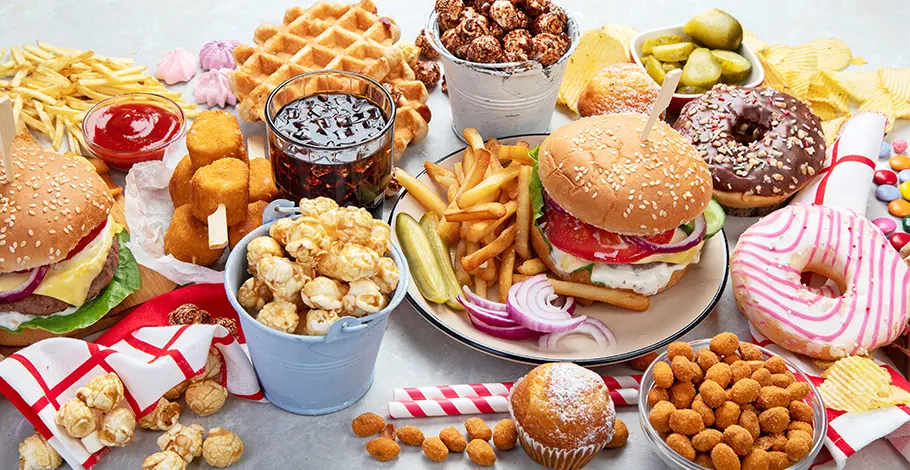
Limit foods such as sugary drinks, fast food, highly processed foods, refined snacks, and high sodium foods. You don’t have to cut out all the delicious foods. The better target is to consume these foods less often, to control portions, and to have nutrient dense foods be the norm.
Introduction
The Standard American Diet often gives people more food than they are able to consume, and denies them what they really need. Even if you consume adequate calories in a day, you can still be deficient in nutrients if they are derived from soft drinks, chips, candy and fast food.
Better nutrition doesn’t necessarily involve a perfect diet or making a sudden sea change. It begins by identifying food habits for consumption. It is easy for healthier foods to be pushed out of the way when soda, packaged snacks and fast food become a regular part of the day.
STAMP is merely a warning to stop that from happening. It’s not a case of fearing food. It’s about creating meals that provide more of what the body needs but less of what is easy to go overboard on.
Key Takeaways
- Poor nutrition can pile on calories while leaving key nutrients behind.
- Sugary drinks, fast food, refined snacks, and many packaged foods are worth cutting back on, not cutting out.
- Limiting a food doesn’t mean giving it up forever.
- Fruits, vegetables, whole grains, and lean protein make meals more filling and balanced.
- Small food swaps are often easier to maintain than strict rules.
What Is Poor Nutrition?
Poor nutrition is an eating pattern that doesn’t give the body a good balance of energy and nutrients on a regular basis. Is rich in calories and low in fiber, protein, vitamins and minerals.
It’s not a problem to have one serving of a food that is low in nutrients. It’s the frequency of its appearance and the things it’s replacing. The tip that tips a diet off-kilter is chips at afternoons and soda at most meals, instead of fruit and water. As time passes, hunger becomes more difficult to control, food requirements become more difficult to satisfy and calorie intake increases.
The overall diet is more important than a single food and poor nutrition is manifested differently in each individual.
Foods to Limit for Better Nutrition
Highly Processed Foods
Frozen meals, packaged baked goods, instant noodles, and processed meats can all have a place in a balanced diet. The catch: a lot of them run high in sodium, added sugar, or saturated fat, with less fiber than simpler alternatives.
Sugary Drinks
A lot of sugar goes down easy in liquid form. Regular soda, sweet tea, energy drinks, fruit drinks, and sweetened coffee can add up fast without filling you up much. The CDC points to sugary drinks as one of the biggest sources of added sugar in the American diet, and water or unsweetened tea make an easier everyday choice.
Fast Food
Fast food earns its place when time is tight. The trouble is portion size, meals run large, and so do the sodium, calorie, and saturated fat counts that come with them. A smaller size, a side of fruit or vegetables, and skipping the soda all help.
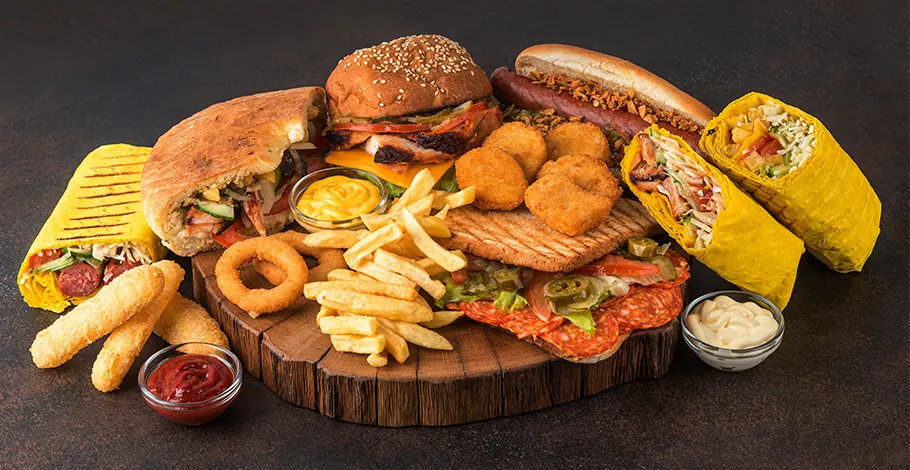
Fast Food
Refined Snacks
It’s easy to eat a whole sleeve of cookies, or half a bag of chips, without really noticing. Candy and pastries fall into the same trap light on fiber and protein, easy to overdo. Fresh fruit stands in fine for the cookies, and yogurt or a handful of nuts tends to be more satisfying than either.
High-Sodium Foods
Sodium hides well. Packaged soups, pizza, deli meats, sauces, and salty snacks often carry more of it than people expect. The FDA calls 5% of the Daily Value or less per serving low in sodium, and 20% or more high, checking labels side by side makes the difference easy to spot.
Why These Foods Can Affect Your Diet
Foods that are high in added sugar, refined starch, or fat add a lot of calories into a small amount of food. Drinks are particularly easy to forget. They don’t fill up your stomach like a meal does, so you don’t notice the calories being consumed. Repeat that enough and intake will skyrocket!
But what’s missing is also a question. A fast food meal is an alternative to a meal that would’ve contained vegetables and whole grains. A snack, typically fruit or protein, is often substituted with chips. Too much added sugar can displace the nutrients someone needs to meet their calorie goal, the FDA says.
But none of this implies a single meal causes the destruction. Health is the result of the pattern in the weeks and months, and sleep, exercise, stress, care, and everything else in a life.
Healthier Food Choices to Add
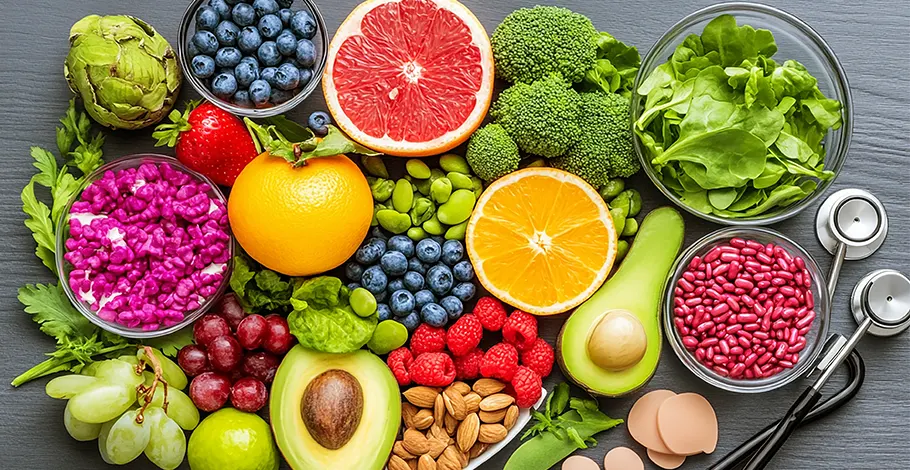
Healthier Food Choices to Add
Instead of fixating on what to cut, start by adding foods that make meals more nourishing:
- Fruits: apples, oranges, berries, bananas
- Vegetables: carrots, spinach, broccoli, peppers, frozen mixed vegetables
- Whole grains: oats, brown rice, whole-wheat bread, quinoa
- Lean protein: beans, lentils, fish, eggs, chicken, tofu, plain yogurt
- Healthy fats: nuts, seeds, avocado, olive oil
How to STAMP Out Poor Nutrition
A better diet doesn’t happen overnight. STAMP is a quick guide for smarter choices each day:
- S — Spot added sugar: Check labels on drinks, cereals, sauces, and snacks, and reach for water or unsweetened options more often.
- T — Think before you build the meal: Aim for a fruit or vegetable, a protein, and something high in fiber, like beans or whole grains.
- A — Add healthier foods: Fruit at breakfast, vegetables on a sandwich, beans in a soup — one addition can balance out a whole meal.
- M — Make one swap: Water for soda, whole-grain bread for white, a smaller fries with a vegetable side instead of a large one.
- P — Plan ahead: Pick a few meals before you shop, and keep easy staples on hand: eggs, oats, yogurt, canned beans, frozen vegetables, fresh fruit.
Eat on a regular schedule, watch portions, cook at home when you can, and keep the better options within easy reach. Go easy on alcohol. Start with one or two realistic changes and build from there.
Simple Ways to Make Healthier Choices
Start with one habit you can keep up. For hectic days, or tired days, plan ahead for a few dinners; e.g., eggs on whole grain toast or beans with frozen veggies and rice.
Look at the Nutrition Facts label, particularly the Serving Size – these numbers will all depend on the serving size. Sugar, salt, fat and fiber are key factors to watch. The Percent Daily Value does all the comparisons for you.
Clear out the house gradually rather than as a whole house project. Purchase a smaller snack bag of the favorite snack, put some of it away and give the rest to the child. Most importantly, choose changes that are applicable in the real world. Slow and subtle changes are better remembered than quick and drastic changes.
Conclusion
Better nutrition comes down to the choices made most often, not one perfect meal. Cut back on the foods and drinks high in added sugar, sodium, and calories once they start crowding out better options, and add more fruits, vegetables, whole grains, and lean protein in their place. Give it time.
In practical terms, this means cutting back on processed foods, cooking for yourself more, avoiding fast-food restaurants, and making better choices at the grocery store. You do not need to do all of this at once. One steady change can lead to another, and consistency matters more than perfection.
FAQs
Do I need to completely avoid processed foods?
No. “Processed” covers a huge range, freezing vegetables counts, and so does making packaged sweets. Look at the actual product and how often it shows up in your diet. Lean toward foods with real nutritional value, and limit the ones loaded with added sugar, sodium, or saturated fat.
What is the easiest first step toward better nutrition?
Change one daily habit. Trade a sugary drink for water, add a vegetable to dinner, or plan breakfast the night before. Any of these is a realistic starting point.
Are frozen and canned foods healthy?
Often, yes. Frozen fruits and vegetables are convenient without giving up much nutrition. With canned foods, check labels and go for lower-sodium or no-added-sugar versions when they’re available.
How can I choose a healthier snack?
Pair something with fiber and something with protein. Fruit with nuts, vegetables with hummus, plain yogurt with berries, combinations like these tend to be more filling than either food alone.
How quickly should I change my diet?
As quickly or slowly as works for you. There’s no need to change everything in one day. Start with one or two habits, let them become routine, then add more. Anyone with a medical condition or specific dietary need should get personalized guidance from a qualified health professional.
Was this article helpful?
2 Sources
We review published medical research in respected scientific journals to arrive at our conclusions about a product or health topic. This ensures the highest standard of scientific accuracy.
[2]Meal planning is associated with food variety, diet quality and body weight status in a large sample of French adults - PubMed : https://pubmed.ncbi.nlm.nih.gov/28153017/








 This article changed my life!
 This article was informative.
 I have a medical question.

 This article contains incorrect information.
 This article doesn’t have the information I’m looking for.