Medically Cited
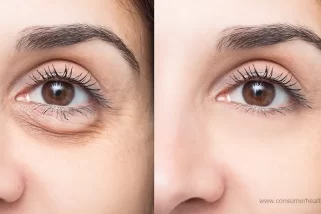
Under-eye fine lines and wrinkles are often among the first visible signs of skin aging. They may appear as fine lines beneath the eyes or slightly deeper wrinkles near the outer corners.

Because this area is delicate, changes in moisture, collagen, sleep quality, and sun exposure can quickly affect how smooth and refreshed the skin looks. This is why the eyes may look tired even when the rest of the face appears firm overall.
The under-eye area ages faster because the skin is thinner, has less natural support, and moves often when you blink, smile, squint, or express emotion.
This guide explains why these lines form, what causes them to become more noticeable, and how skincare habits, ingredients, home care, and professional treatments may help support younger-looking eyes over time.
Key Takeaways
- Under-eye lines can deepen gradually with age.
- Thin under-eye skin shows aging signs faster.
- Sun, dryness, stress, and poor sleep may worsen visible lines.
- Sunscreen and gentle skincare may help prevent early fine lines.
- Targeted ingredients and treatments may improve the appearance of wrinkles.
What Are Under-Eye Fine Lines and Wrinkles?
Under-eye fine lines are small, shallow lines that appear beneath the eyes or near the outer corners. They are usually the earliest stage of visible skin aging and may become more noticeable when the skin is dry, tired, or lacking firmness.
Wrinkles are deeper and more defined than fine lines. Fine lines often appear first, then may gradually turn into wrinkles as collagen, elastin, and moisture levels decline over time.
Since the under-eye area has thinner skin and moves often with blinking, smiling, and squinting, these lines commonly appear around the eyes before other areas of the face.
Why Does the Under-Eye Area Age Faster?
The under-eye area ages faster because the skin there is much thinner than the skin on many other parts of the face. It has less natural support, fewer oil glands, and lower moisture retention, which can make dryness and texture changes appear sooner. As collagen and elastin gradually decline with age, the skin may start to look less firm and less smooth.
This area is also in constant motion during the day. Slowly, the visible lines around the eyes can be caused by blinking, smiling, squinting, laughing and facial expressions.
These changes can be more apparent in the presence of sun exposure, sleep deprivation, stress, and dehydration, which can create a tired or aged look to the under-eye area.
What Causes Under-Eye Fine Lines and Wrinkles?
Under-eye fine lines and wrinkles usually form from natural aging, daily facial movement, and environmental exposure. As collagen and elastin slowly decline, the skin may lose firmness, smoothness, and bounce. Because the eye area moves often with blinking, smiling, and squinting, small lines can become more visible over time.
Sun exposure is one of the biggest outside factors. UV rays can speed up visible skin aging and affect the skin’s support structure. A review on ultraviolet radiation and skin photoaging concluded that UV exposure contributes to photoaging by triggering oxidative stress and changes linked to visible skin aging.
Dehydration, smoking, stress, poor sleep, and genetics may also influence how early lines appear. Together, these factors can make the under-eye area look dry, tired, dull, or more wrinkled with age overall over time.
At What Age Do Under-Eye Fine Lines Start?
Under-eye fine lines often start to appear in the mid to late twenties, but this can vary from person to person. Some people may notice early lines sooner, especially if they have dry skin, frequent sun exposure, poor sleep, or a family history of early skin aging. Others may not see visible lines until their thirties or later.
The first signs are usually soft, shallow lines that appear when smiling or squinting. Over time, they may become more noticeable even when the face is relaxed. Healthy skincare habits, sun protection, hydration, and lifestyle choices can influence how early these lines appear and how quickly they deepen.
How to Prevent Under-Eye Fine Lines and Wrinkles
Preventing under-eye fine lines starts with protecting the delicate skin around your eyes every day. Use a broad-spectrum sunscreen, wear sunglasses outdoors, and avoid squinting in bright sunlight. A gentle eye cream or moisturizer can also help keep the area hydrated and reduce the look of dryness-related lines.

How to Prevent Under-Eye Fine Lines and Wrinkles
Be careful with how you apply and remove skincare or makeup. Rubbing, pulling, or stretching the under-eye area can make the skin look more tired over time. Instead, use light tapping motions and choose mild products that do not irritate the eyes.
Healthy lifestyle habits also matter. Drink enough water, sleep well, eat antioxidant-rich foods, manage stress, and avoid smoking. These habits may help support smoother, firmer, and more refreshed-looking under-eye skin as you age.
Best Skincare Ingredients for Under-Eye Wrinkles
These are the key skincare ingredients to look for when choosing products for under-eye fine lines and wrinkles:
Retinol
Retinol supports skin renewal and may help soften the look of fine lines over time. A review in Clinical Interventions in Aging found that retinoids showed clinical improvement in photoaged skin, including fine wrinkles and rough texture, making them useful for aging-related under-eye concerns when used consistently.
Peptides
Peptides are commonly used in eye creams to support firmer-looking skin. They help improve the appearance of aging-related skin by supporting the skin’s natural repair process. With consistent use, peptide-based formulas may help the under-eye area look smoother, more resilient, and less tired over time.
Hyaluronic Acid
Hyaluronic acid attracts and holds moisture, which can make under-eye lines look softer and plumper. A topical hyaluronic acid review noted improved hydration and elasticity in studies involving women with periocular wrinkles, supporting its use for dryness-related fine lines around the eyes and delicate skin.
Vitamin C
Vitamin C is often used to support a brighter and more even-looking under-eye area. It helps defend against daily environmental stress that may contribute to dullness, uneven tone, and visible aging signs. It is usually best used with sunscreen for stronger daytime skin protection overall.
Niacinamide
Niacinamide helps support the skin barrier, improve uneven tone, and reduce aging-related texture. A clinical study on topical niacinamide found improvements in fine lines, wrinkles, elasticity, and overall skin appearance, making it a helpful ingredient for smoother-looking under-eye skin and daily care routines.
Ceramides
Ceramides help strengthen the skin’s moisture barrier and reduce dryness around the eyes. This can make dehydration-related lines look less noticeable while keeping the delicate under-eye area more comfortable. They are especially useful for dry, sensitive, or easily irritated skin that needs extra barrier support.
Caffeine
Caffeine is often used in eye products to help the under-eye area look fresher and less puffy. It may be useful when tiredness, fluid buildup, or dullness makes fine lines appear more obvious. Caffeine works best as a temporary appearance-focused ingredient in morning eye care.
Home Remedies for Under-Eye Fine Lines: Do They Work?
Home remedies may give the under-eye area a temporary smoother or fresher look, but they cannot remove wrinkles permanently. Simple options like a cool compress, cucumber slices, aloe vera gel, or chilled green tea bags may help reduce puffiness, dryness, or tired-looking skin for a short time.
Hydrating the skin with a gentle moisturizer, drinking enough water, and getting proper sleep may also make fine lines look less noticeable. These steps support the skin’s appearance, especially when lines look worse because of dryness, fatigue, or dehydration.
However, home remedies do not rebuild lost collagen or reverse deeper under-eye wrinkles. Claims that oils, kitchen ingredients, or natural masks can erase wrinkles are usually not well supported. For lasting improvement, they work best as supportive care alongside sunscreen, gentle skincare, proven ingredients, and professional advice when needed.
Medical Treatments for Under-Eye Wrinkles
Medical treatments may help when under-eye wrinkles are deeper or do not improve enough with skincare. Botox is often used for expression lines, especially crow’s feet, by temporarily relaxing the muscles that create repeated movement near the eyes.
Dermal fillers may help restore lost volume and soften hollow-looking areas under the eyes. Laser resurfacing, chemical peels, and radiofrequency treatments can improve skin texture, firmness, and uneven tone by targeting the skin’s surface or deeper support layers.
Microneedling is another option that supports collagen production and may make fine lines look less noticeable. PRP may also be used in some practices to support skin repair and a fresher appearance.
Since the under-eye area is delicate, these treatments should only be done by a qualified dermatologist, plastic surgeon, or trained medical provider.
Conclusion
Under-eye fine lines and wrinkles are a normal part of aging, but they can appear earlier when the eye area loses moisture, firmness, and collagen support. Since this skin is thin and moves often, small lines may become visible before other areas of the face show clear aging signs.
Daily sunscreen, gentle skincare, proper hydration, enough sleep, and a healthy lifestyle can help slow early visible changes. Ingredients like retinol, peptides, hyaluronic acid, vitamin C, niacinamide, ceramides, and caffeine may also support smoother-looking under-eye skin. For deeper wrinkles, professional treatments may be considered with guidance from a qualified provider.
Frequently Asked Questions
1. Are under-eye fine lines normal?
Yes, under-eye fine lines are normal and often appear as part of aging. They may become more noticeable with dryness, sun exposure, poor sleep, or repeated facial movement.
2. Can under-eye wrinkles go away naturally?
Fine lines may look softer with hydration, sleep, sunscreen, and gentle skincare. However, deeper wrinkles usually do not disappear naturally and may need targeted products or professional treatments.
3. What is the best ingredient for under-eye fine lines?
Retinol, peptides, hyaluronic acid, vitamin C, niacinamide, ceramides, and caffeine are commonly used. The best choice depends on your skin type, sensitivity, and main concern.
4. Does sunscreen help prevent under-eye wrinkles?
Yes, sunscreen may help protect the under-eye area from UV damage. Daily sun protection can reduce the risk of early fine lines, dark spots, and visible skin aging.
5. When should I see a dermatologist?
You may see a dermatologist if under-eye wrinkles are deep, worsening quickly, or not improving with skincare. A professional can suggest safe products or treatment options.
Was this article helpful?
4 Sources
We review published medical research in respected scientific journals to arrive at our conclusions about a product or health topic. This ensures the highest standard of scientific accuracy.
[2] Retinoids in the Treatment of Skin Aging: An Overview of Clinical Efficacy and Safety — PMC: https://pmc.ncbi.nlm.nih.gov/articles/PMC2699641/
[3]Topical Hyaluronic Acid in Skin Quality and Signs of Aging: Literature Review — PMC: : https://pmc.ncbi.nlm.nih.gov/articles/PMC10078143/
[4]Niacinamide: A B Vitamin That Improves Aging Facial Skin Appearance — PubMed: https://pubmed.ncbi.nlm.nih.gov/16029679/



 This article changed my life!
 This article was informative.
 I have a medical question.
 This article contains incorrect information.
 This article doesn’t have the information I’m looking for.